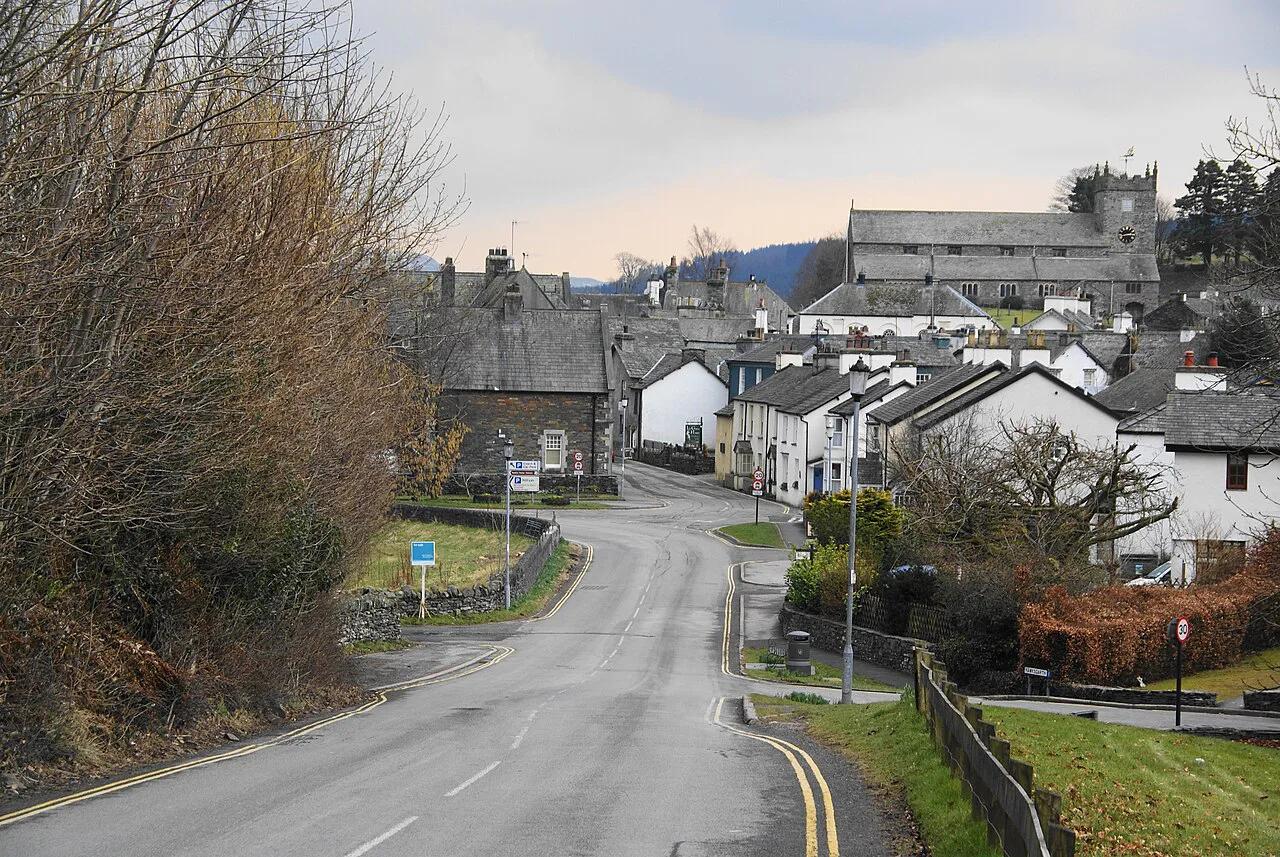
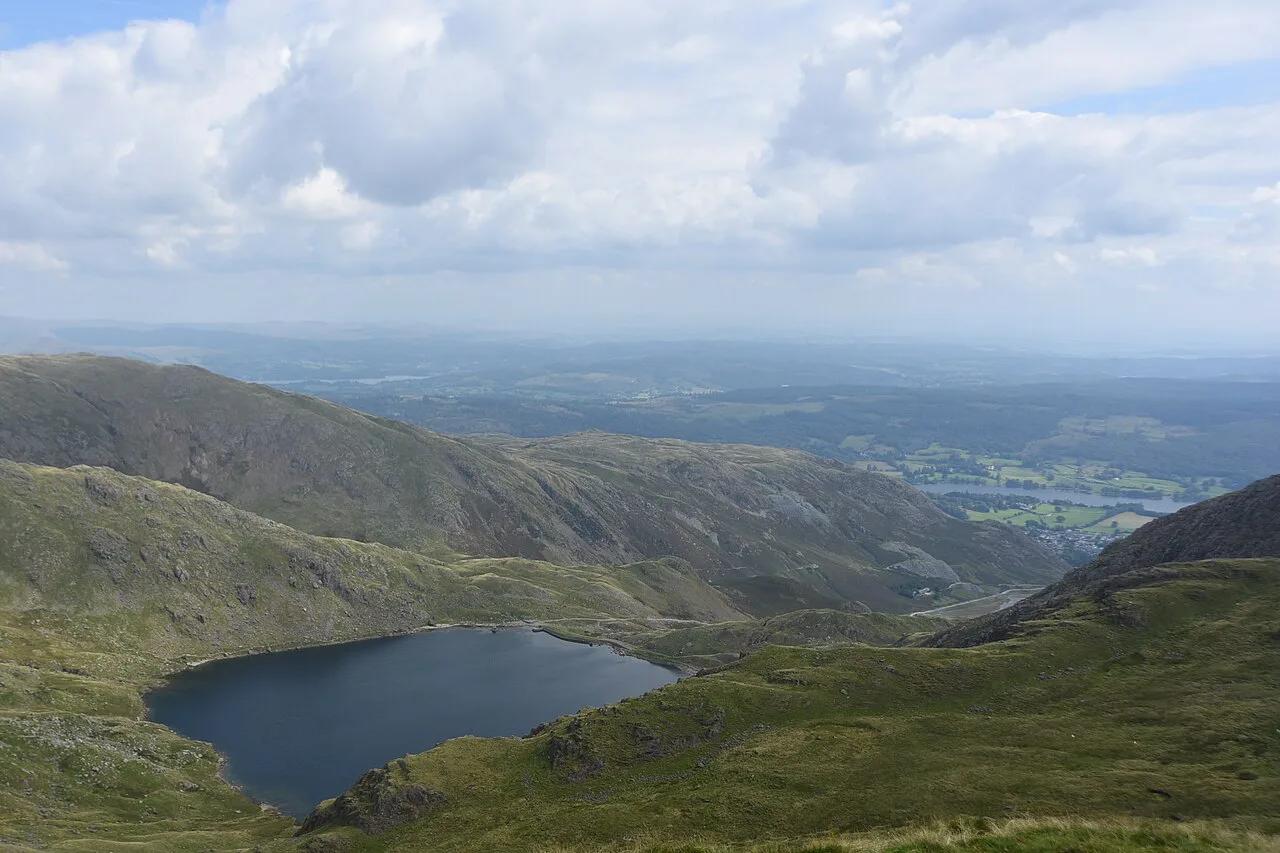
Coppermines Valley, Coniston: Walks, Access & Mines
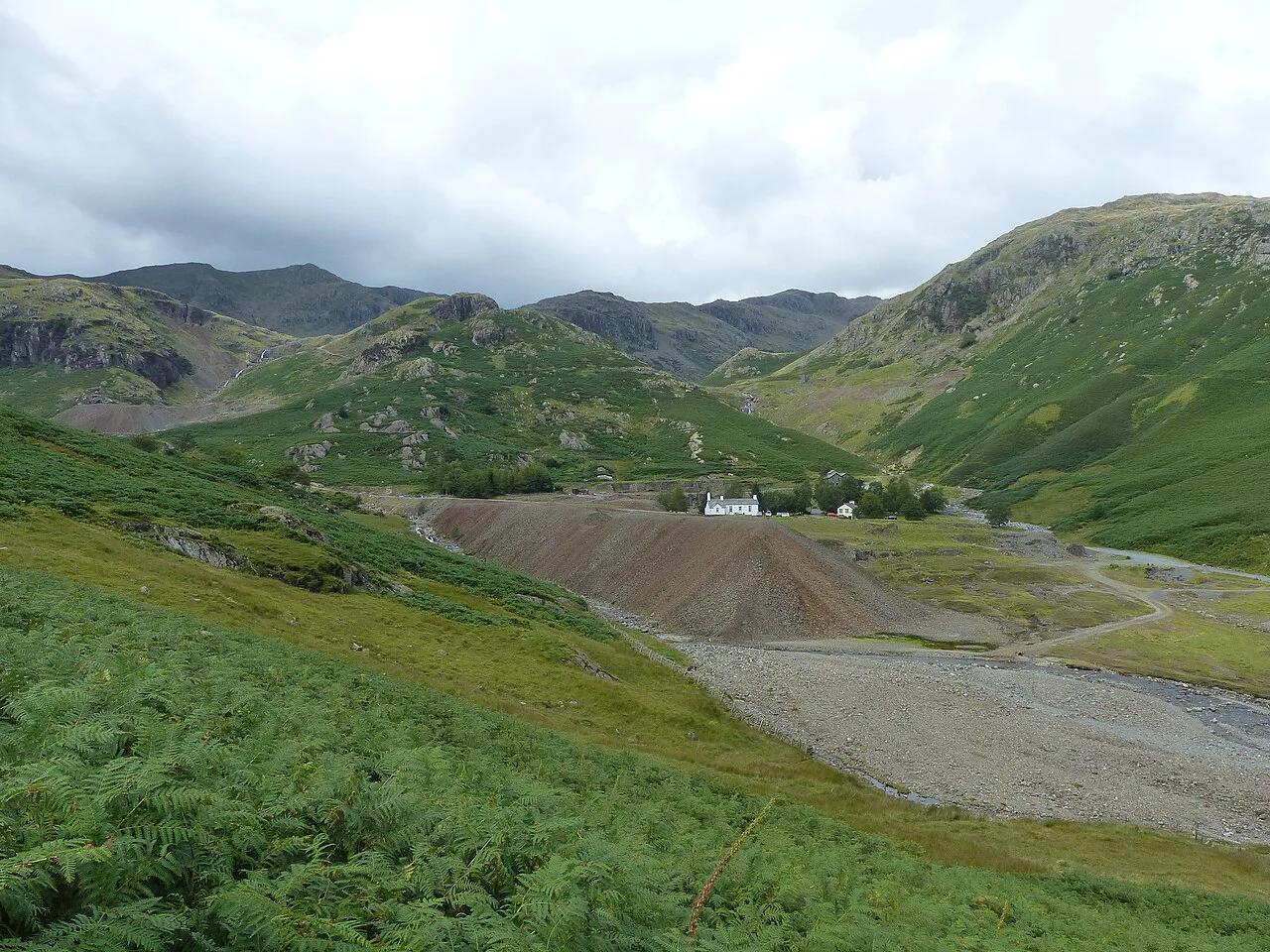
Last updated November 2026: Coppermines Valley is a historic mining valley beside Coniston village in England's Lake District. From the village, you can walk up alongside Church Beck into the valley, then turn back or plan a longer outing toward Levers Water. It suits walkers who like industrial history and fell scenery, but don't assume you can drive in or park there.
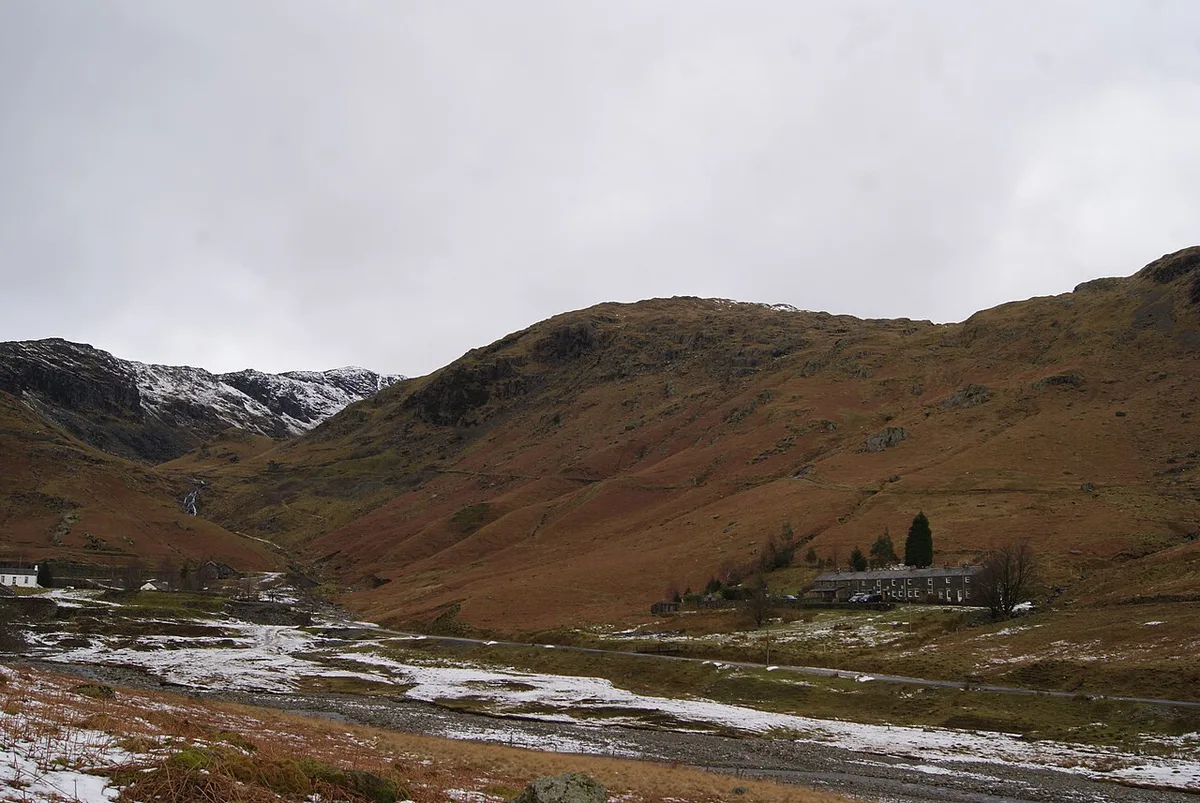
Featured image: Anthony Foster, CC BY-SA 2.0, via Wikimedia Commons.
Where Is Coppermines Valley and Is It Worth Visiting?
Go if you want a walk where Cumbria's mining past is part of the fell landscape. You can make the valley your destination, without committing to a summit. It's also a possible part of a bigger hill day.
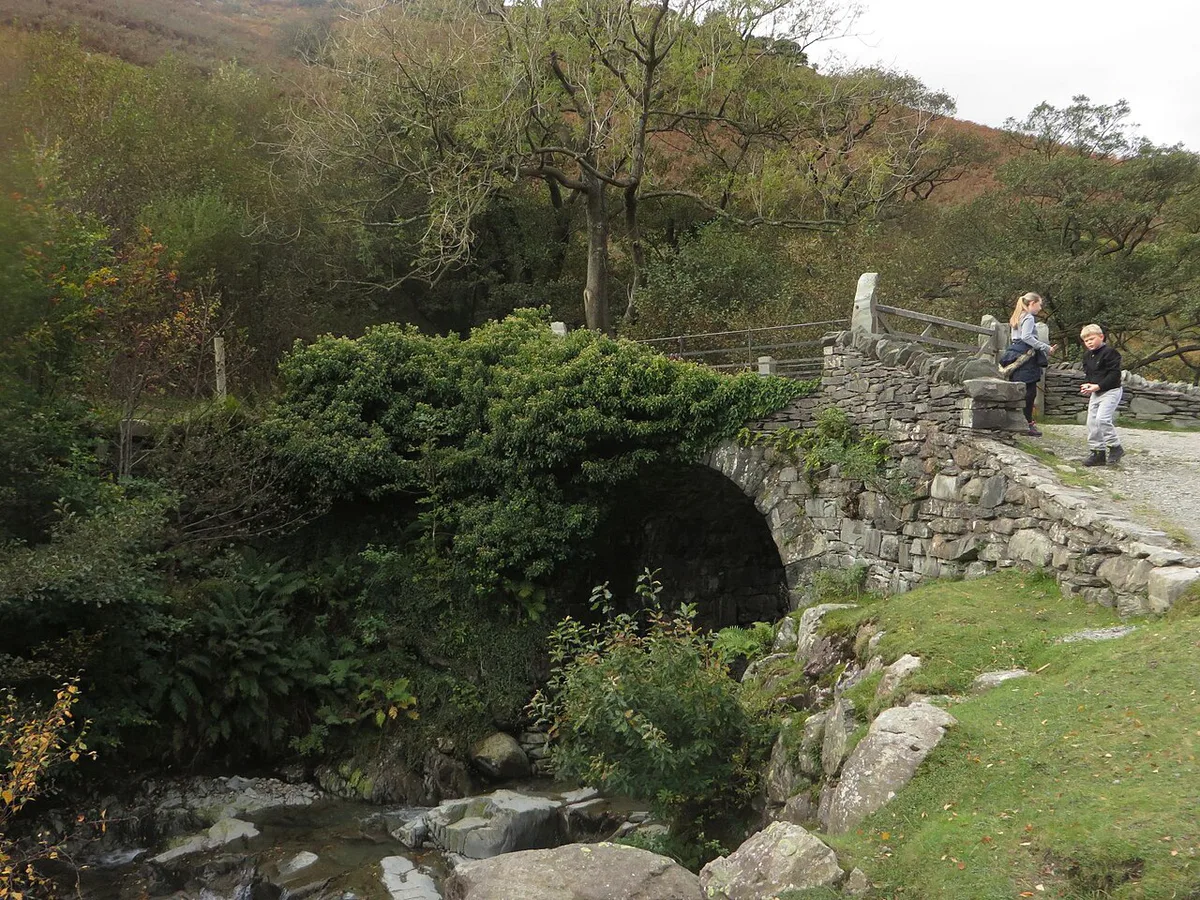
Choose another outing if you want a visit built around indoor exhibits or a route with proven step-free access. For more ways to shape your day, compare these walks around Coniston. If a lakeside setting appeals more, look at the Coniston Water walking option.
Walking From Coniston Along Church Beck
Start in Coniston village and use Church Beck as your guide up toward the valley. Before setting out, trace your chosen public route on an Ordnance Survey map. Mark where you'll turn around and how you'll get back. This overview helps you choose an outing and isn't a turn-by-turn route.
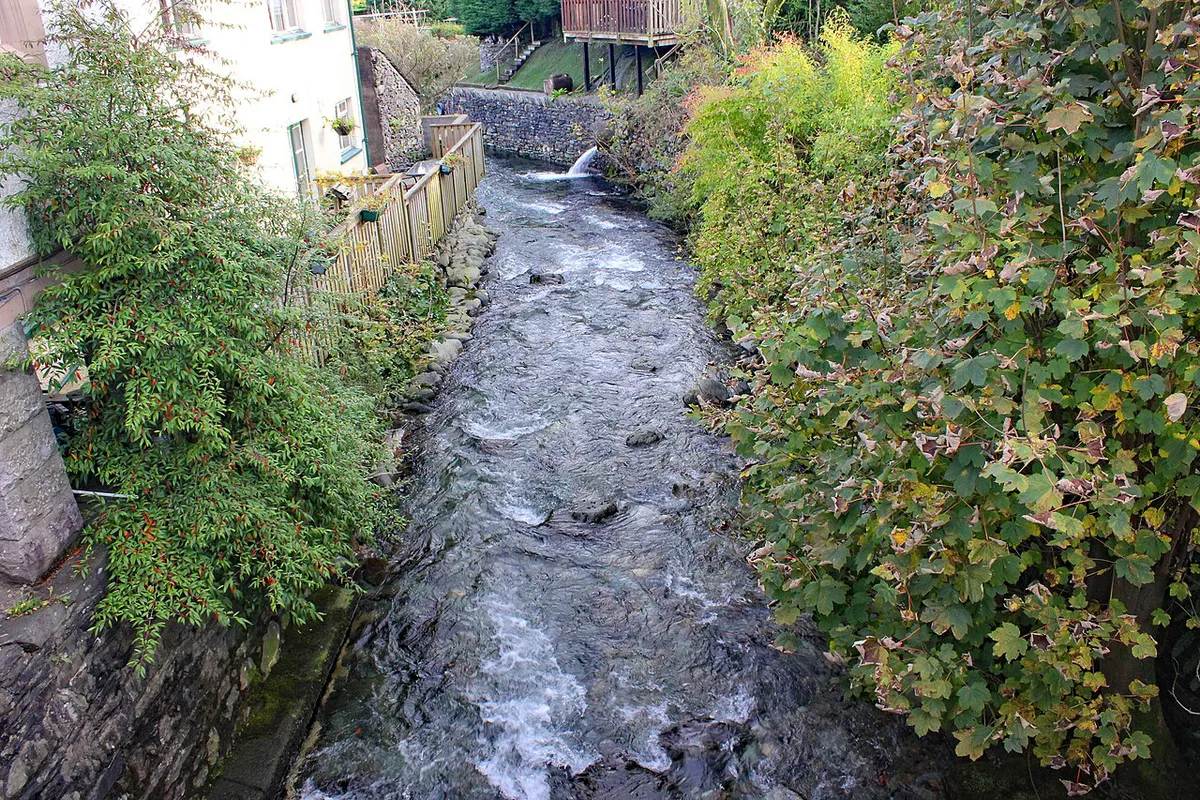
On the ground, follow signed public access and respect closures, gates and private property. Don't leave your route to get closer to the water or an old structure. For a short visit, turn back once you've seen enough from the permitted path. Retracing your approach keeps the plan simple, provided that route remains open and safe.
Coppermines Valley Parking and Driving
Plan to leave your car in an authorized parking space in Coniston and continue on foot. Read the posted tariff, time limit and conditions where you park. A map pin or postal address doesn't show that visitors may drive or park there.
Staying in the valley is a separate arrangement. Ask your accommodation provider about vehicle access, guest parking and luggage drop-off before you travel. Don't assume that guest permission applies to day visitors. The same caution applies if someone plans to drop off a passenger with limited mobility.
If you're using public transport, check both your outward and return services to Coniston. Leave enough time to walk back to your stop.
Choose How Far to Walk
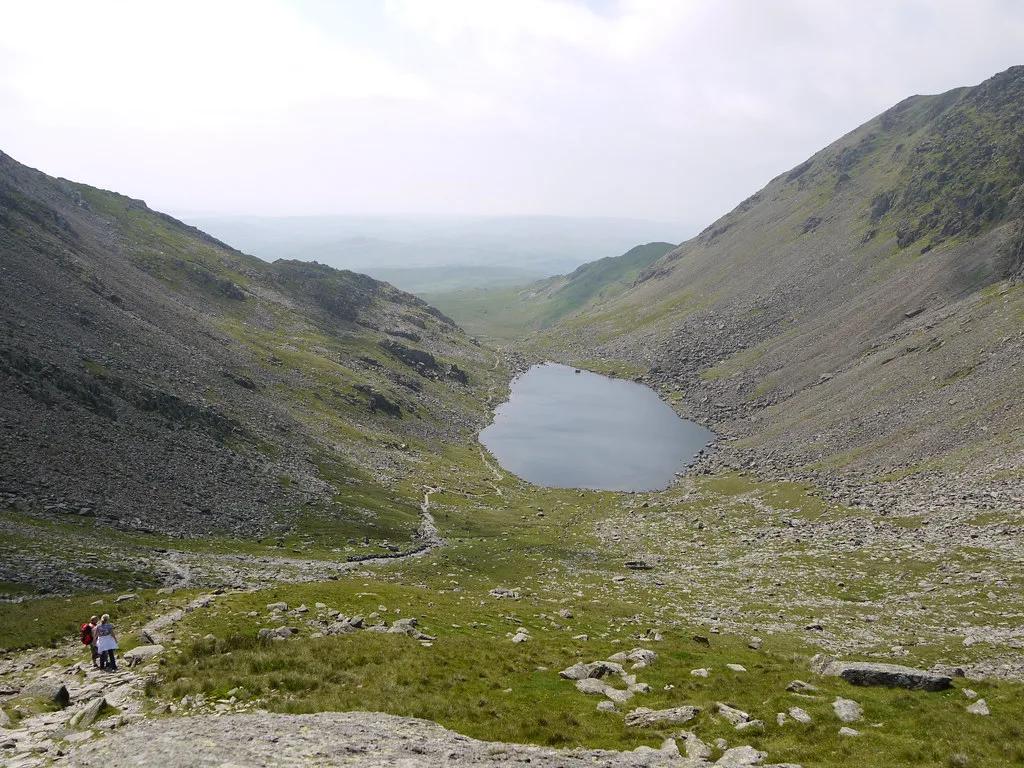
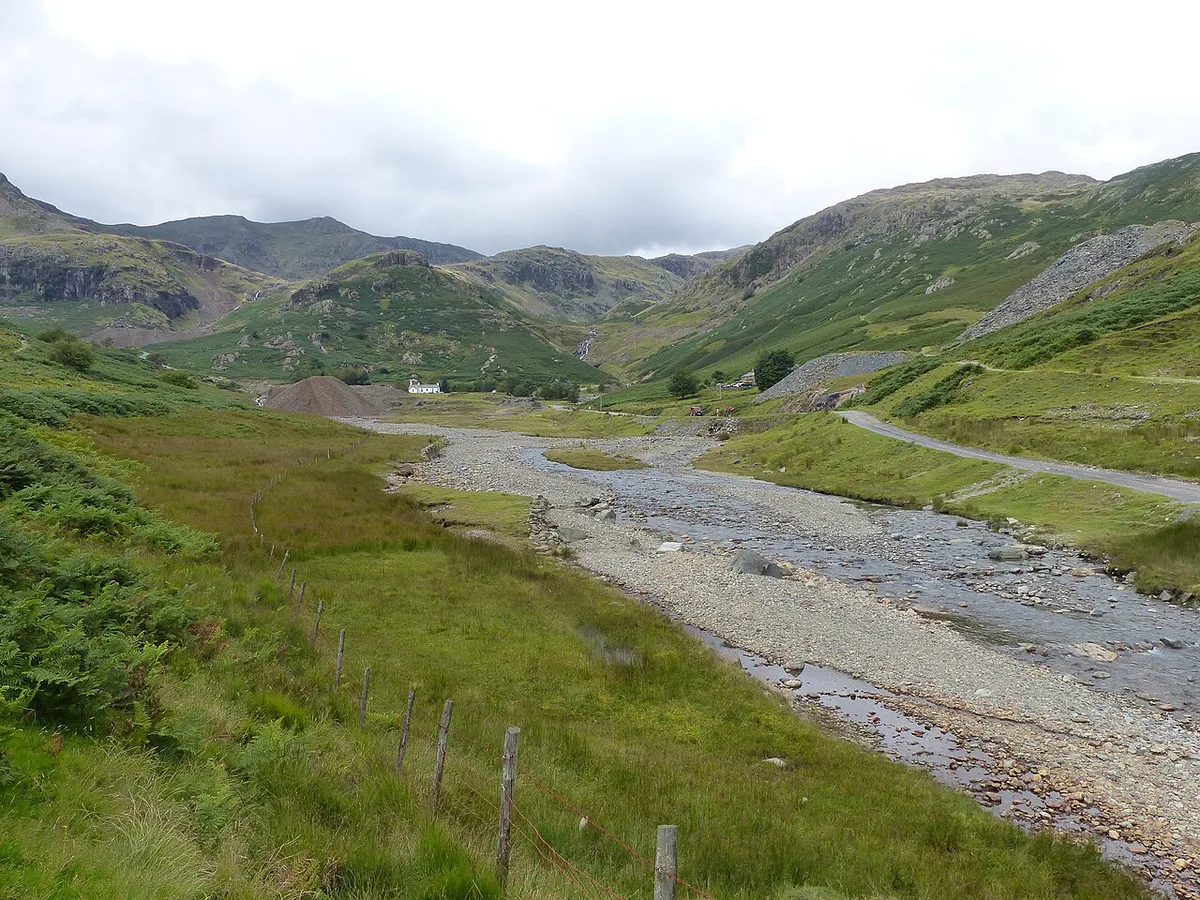
Pick your finishing point before leaving the village. A valley visit gives you the clearest opportunity to focus on the landscape and mining setting. Continuing toward Levers Water above Coniston calls for a separate route check and more preparation.
A summit plan is a bigger decision. Use a dedicated Coniston Old Man route guide alongside your map. Don't treat the valley approach as complete summit directions. For other hill ideas, research a walk on Wetherlam as its own objective. You can also consider hill walking at Dow Crag, with a separately planned route.
Set a latest turnaround time that leaves daylight for your return. Turn back sooner if visibility drops, conditions worsen or anyone is struggling. Reaching a named place shouldn't override that decision.
| Visit option | Best fit | Planning need | Return decision |
|---|---|---|---|
| Valley visit from Coniston | Walkers interested in the setting and mining past | Choose a permitted route and finishing point | Turn back when you've seen enough, or earlier if conditions change |
| Longer walk toward Levers Water | Walkers prepared to extend the outing | Map the full route and check the forecast | Agree a latest turnaround time; reaching the water is optional |
| Hill day including Coniston Old Man | Walkers equipped and able to navigate in the fells | Plan the ascent, descent and an alternative for poor conditions | Set a turnaround time and retreat plan before leaving |
Coniston Copper Mining History and What to See
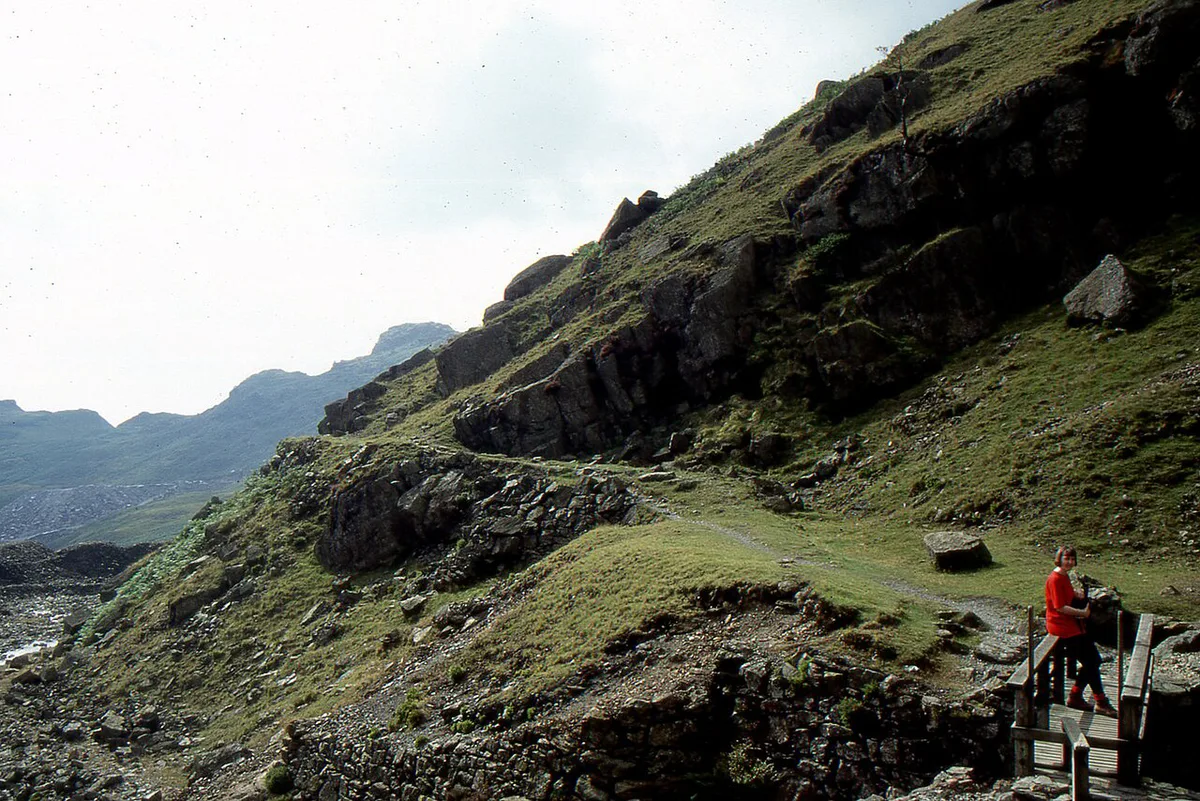
As you walk, read the valley as a former place of work as well as a route into the fells. Look at the remains you can see from public access, without assuming every building is historic or open. A photograph taken in 2006 records terraced miners' cottages in the valley. Their original connection with mining doesn't make today's homes or accommodation public attractions, so respect residents' privacy.
Copper in the Lake District was known before 1563, according to Steam Heritage's account. It says the Crown then used German money and expertise to develop mines, with Coniston among the principal locations. The same account dates the Coniston workings it describes to around 1600. Read that as an approximate date for those workings, rather than the first discovery of copper.
Steam Heritage reports that some shafts reached 1,100 ft deep. Output later declined, and a fall in world copper prices in the late 19th century dealt the decisive blow. Those depths are a reason to keep your visit above ground.
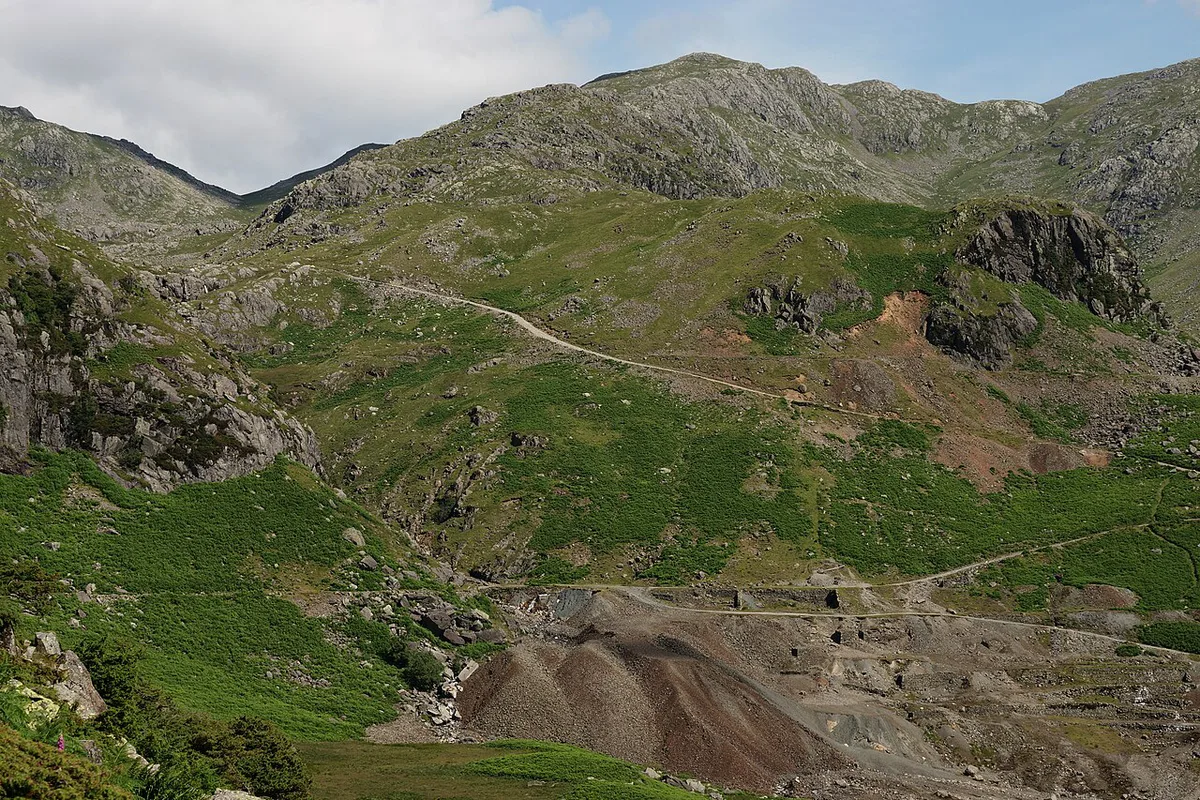
Don't build your day around a museum visit unless its operator currently advertises opening arrangements. Open access to the surrounding landscape doesn't mean permission to enter buildings, private land or underground workings.
Safety Around Mine Workings, Water and the Fells
Stay out of mine entrances, shafts and underground passages, even when an opening appears unguarded. Keep away from unstable-looking ground, spoil heaps and ruined structures. Watch for vehicles wherever your walk uses an access track.
Shafts here reached 1,100 ft deep, so if someone is hurt near workings, call 999 and ask for Mountain Rescue.
Don't treat a waterfall or pool as an approved swimming spot. Without clear permission and current safety information, stay out of the water. Wet edges and changing flows also deserve a wide margin.
For higher walks, read the mountain weather forecast before leaving. Pack warm and waterproof layers, food and water, and wear footwear suited to rough ground. Carry a map you can use without phone signal, plus a light in case your return takes longer.
The regional mountain rescue association is a useful starting point for learning about Lake District rescue teams. In a UK mountain emergency, call 999, ask for Police, then ask for Mountain Rescue.
Families, Dogs and Accessibility
With children, judge the planned route by their ability to stay close around water, drops, old workings and passing vehicles. Choose an early turnaround point, and make the return part of your effort estimate. An age suggestion alone can't tell you whether your child will manage the outing.
Don't assume the approach suits a wheelchair or pushchair. Before committing, you need current information about gradients, surface condition, width and barriers along the entire route. A suitable first stretch wouldn't establish access farther into the valley.
Keep dogs under close control, especially near livestock, wildlife, water and vehicles. Follow local signs, and keep your dog away from mine openings. If you want to compare a different outing, see the Tarn Hows walk guide. Assess its access separately for your group.
Check Before You Go
Make these decisions while you still have time to change your plan. If you're considering another part of the area for a different day, browse walking ideas around Hawkshead.
- Route: Mark your public route, finishing point and return on a current map.
- Access: Look for current closures and follow signs on arrival.
- Parking: Choose authorized parking and read its current charges and conditions.
- Weather: Match your plan to the mountain forecast, daylight and the group's ability.
- Facilities: Don't rely on toilets or refreshments in the valley; arrange what you need before walking up.
- Accommodation: Ask your host about guest-only vehicle arrangements if you're staying there.
- Heritage visits: Treat any museum or guided visit as separate from outdoor access, with its own opening terms and possible charges.
- Safety: Share your plan and expected return time, and keep out of underground workings.
Frequently Asked Questions
Does the UK have any copper mines?
It has historic copper mining sites, including the old workings at Coniston. Their presence doesn't mean they are producing copper now or are safe to enter.
What are some of the mines located in the Lake District?
Historic copper mining locations include Coniston and Goldscope. Mines in the Caldbeck Fells were also among the principal sites in the Crown's mining development.
Notes for your next walk
Optional updates to our Lake District walking guides.