Scrambling in the Lake District: Routes, Grades & Safety
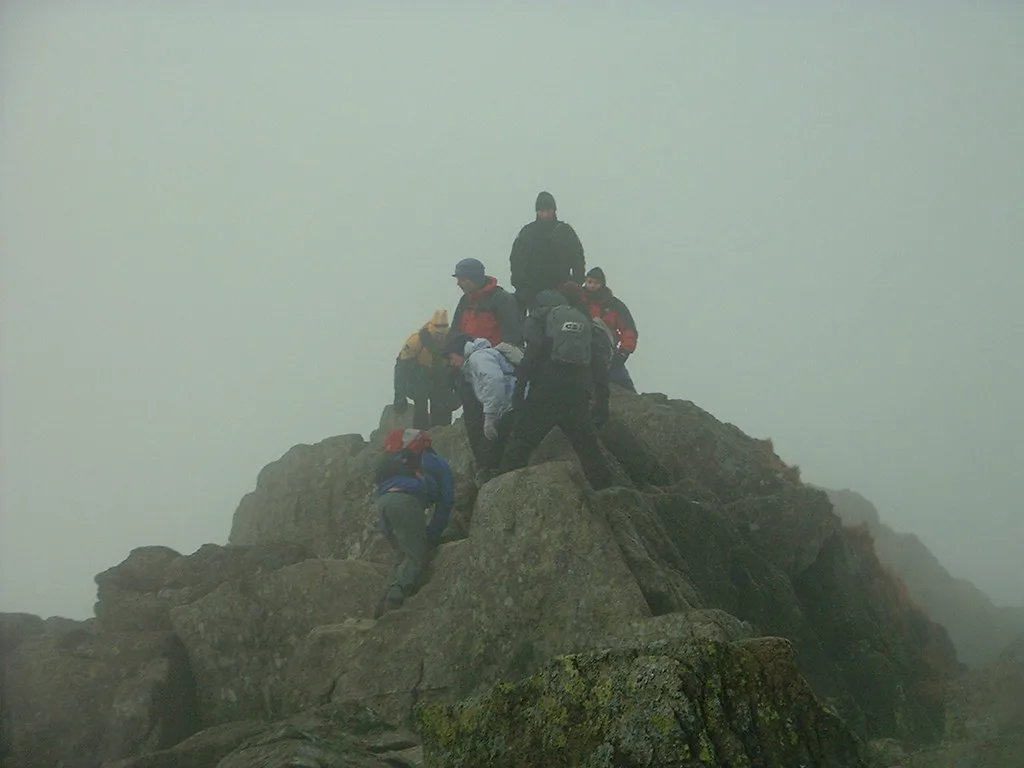
Last updated November 2026: scrambling in the Lake District means terrain where you need your hands, between hill walking and rock climbing. Lake District examples include Striding Edge, Sharp Edge and Jack's Rake, but a shared grade doesn't make them equal. We'd choose by exposure, conditions, descent and your group's experience, and we wouldn't name one safe first route for everyone.
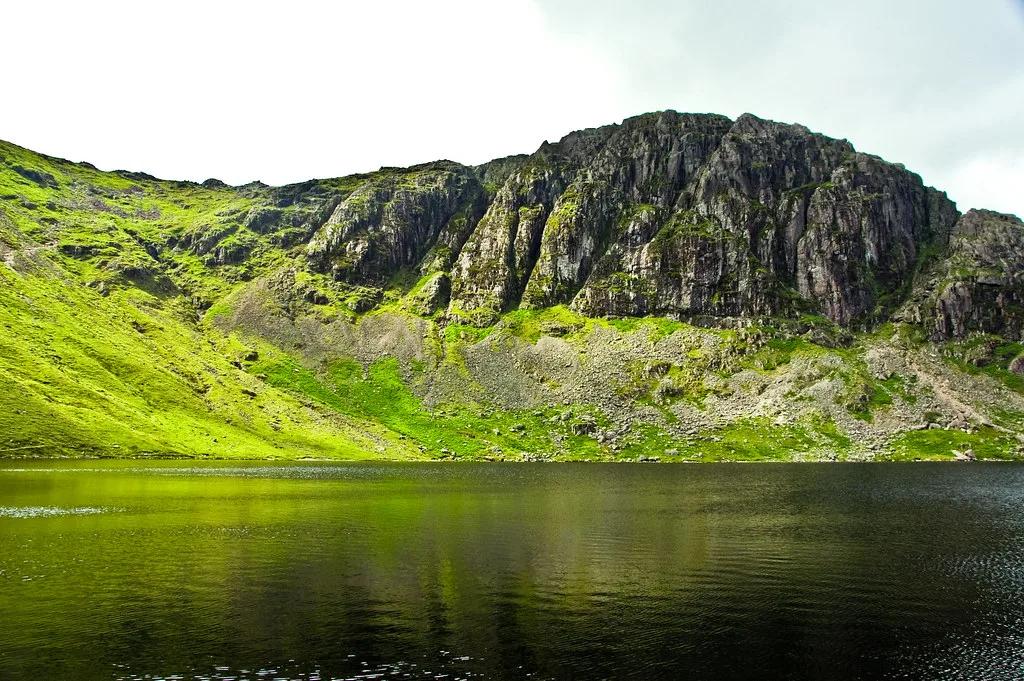
Featured image: Matthew Black, CC BY-SA 2.0, via Flickr.
Which Kind of Scrambling Do You Mean?
Mountain scrambling takes you over steep rock on a ridge or crag. Ghyll scrambling follows a mountain stream, and guided sessions can add pools, slides and jumps. Operators also use gorge walking and canyoning, with overlapping meanings. Read exactly what your session includes. For water-based trips, skip to the ghyll section near the end.
| Question | Mountain scrambling | Guided ghyll scrambling |
|---|---|---|
| Setting | Rocky ridges, rakes and crags | Stream beds, waterfalls and gorges |
| Water | Rain and damp rock raise the difficulty | Expect to get wet; some trips involve swimming |
| Supervision | Independent or guided | Instructor-led for the sessions compared here |
| Skills | Movement, downclimbing, route-finding and judgement | Following instructions; water confidence rules vary |
| Equipment | Mountain kit; technical gear depends on the objective | Providers compared here supply wetsuits and safety kit |
| Best fit | Hillwalkers wanting hands-on mountain ground | People wanting a guided water activity |
Are You Ready for a Mountain Scramble?
Walking fitness gets you to the rock, but it doesn't show that you can move safely on it. Joining an introductory guided day is different from leading friends independently. Lake District Mountaineering says a confident mountain walker with no scrambling experience can try a suitable introductory objective. For its Grade 2 and 3 objectives, it strongly recommends previous scrambling. If long hill days are still new, start with our beginner walking foundations. Before leading a route, we'd want an honest yes to each point below.
- Comparable terrain: you have handled similar rock, length and seriousness before.
- Head for heights: you can think and move calmly beside a steep drop.
- Downclimbing: you can descend rocky steps facing in when needed.
- Route-finding: you can judge a line on rock and notice when you have left it.
- Rope competence: if the objective may need protection, someone has the training to provide it.
- Whole group: your least experienced member is suited to the route and free to say no.
What Scrambling Grades Tell You, and What They Miss
Brown Bird & Co's June 2020 route article describes a general scale of Grades 1 to 3, with 3 the hardest. It says Grade 1 generally needs no rope, while Grade 3 should be done with one. That doesn't make every Grade 1 safe or free of any need for protection. Guidebooks may also use sub-grades, so read the definitions in the current edition you carry. For Lake District routes, Cicerone publishes scrambling guidebooks. Match the volume to your chosen line.
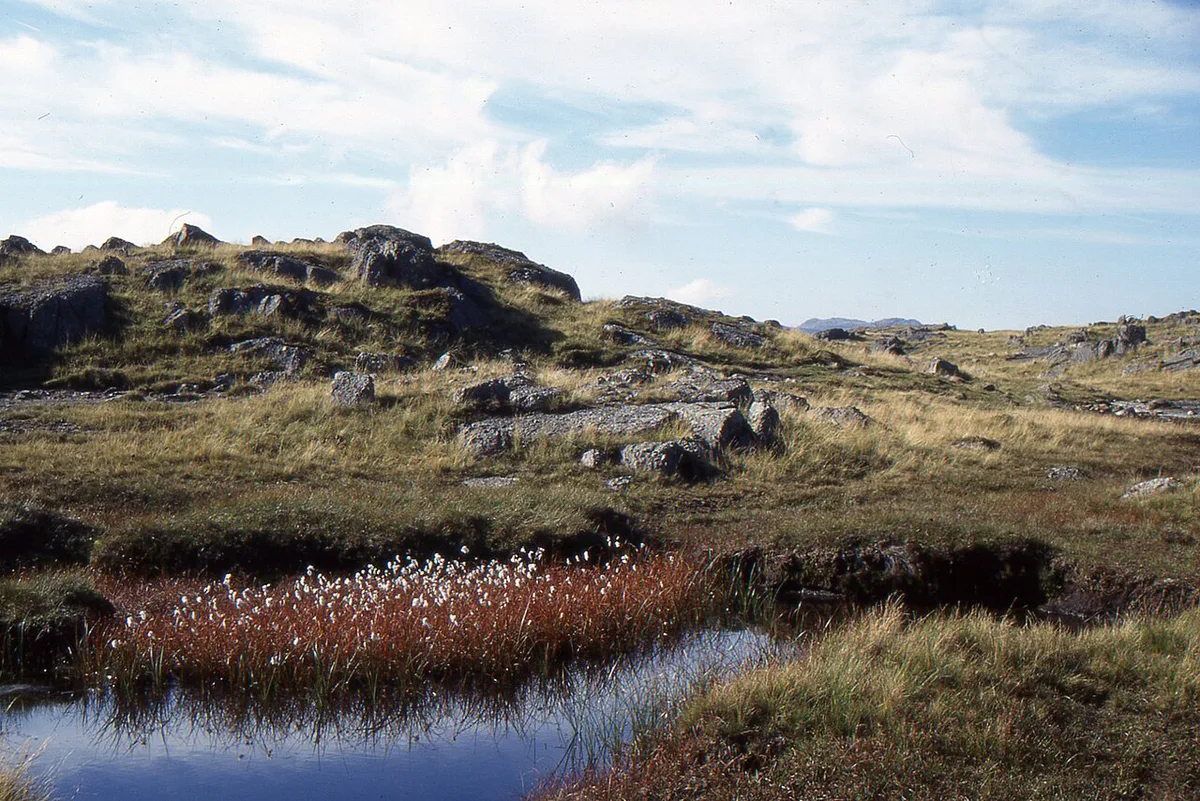
Two routes with one number can differ in exposure, length, route-finding and the consequences of a slip. Rock n Ridge says Jack's Rake, which it calls Grade 1, can feel harder in bad or slippery conditions. It also describes Long Scar at Coniston as a Grade 1/2 broad ridge with many alternative lines. Hill-walk ratings are a separate system. Our guide to how walking grades work covers them, but don't convert one into a scrambling grade.
Lake District Scrambling Routes Compared
These 5 candidates span listed Grades 1 to 3. Their grades come from Brown Bird & Co's June 2020 article, so compare them with a current guidebook. Access and rock can change, and this table isn't a ranking or a route description. For Sharp Edge linked with Halls Fell Ridge, the same article gives about 5 miles and 4 hours. Treat that time as specific to its itinerary.
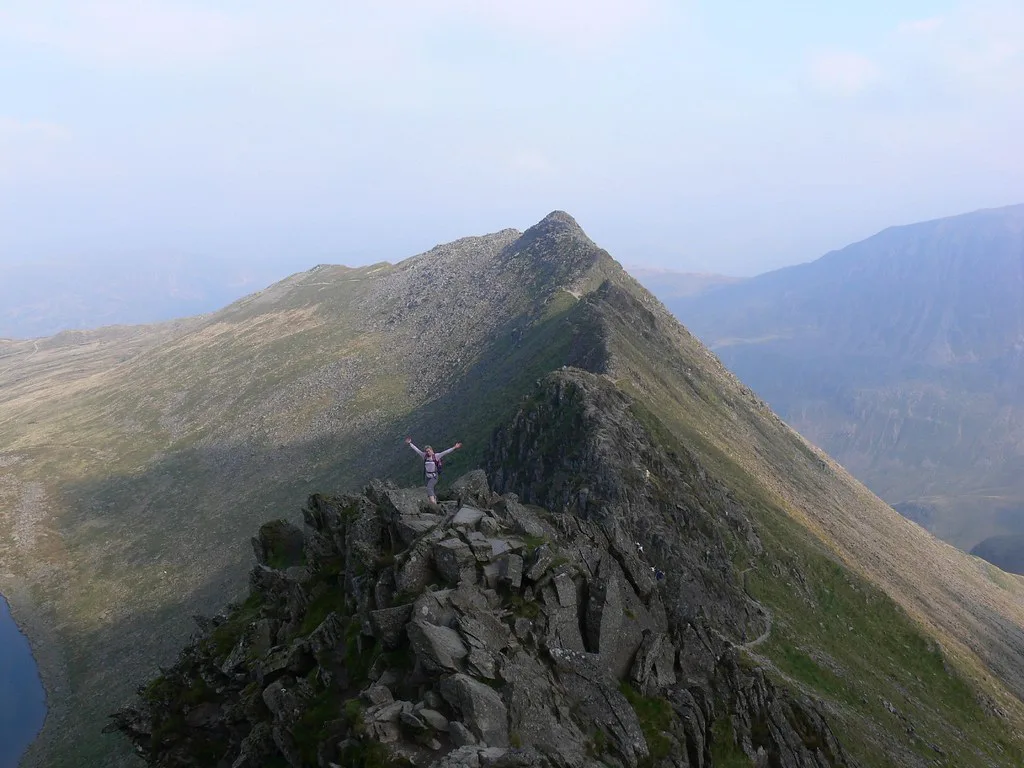
Budget for the 4 hours stated for Sharp Edge with Halls Fell Ridge, then add the walk-in and the trek back before setting your latest time.
| Route and listed grade | Exposure and key difficulty | Route-finding | Approach starting point | Descent and retreat | Likely experience fit |
|---|---|---|---|---|---|
| Striding Edge, Helvellyn: 1 | Exposed crest; lower side paths are exposed too | Crest and lower-path options | Glenridding | Swirral Edge is a common loop descent; retreat limits unknown | Introductory candidate for a prepared party in good conditions |
| Sharp Edge, Blencathra: 1 | Bad Step downclimb; slippery rock above the ridge | Check line in a guidebook | A66 side | Plan the full descent; retreat limits unknown | Secure movement on exposed rock and downclimbs |
| Jack's Rake, Pavey Ark: 1 | Sustained exposure and a chimney | Start can be hard to find | New Dungeon Ghyll Hotel area, via Stickle Tarn | Summit descent still to come; retreat limits unknown | Comfort with exposure and awkward climbing moves |
| Cam Crag Ridge, Rosthwaite Fell: 2 | Rock steps and short buttresses | Several line options | Stonethwaite | Return directly or extend to Glaramara; retreat limits unknown | Prior scrambling and confidence choosing a line |
| Pinnacle Ridge, St Sunday Crag: 3 | Steep crux corner, exposed pinnacles and a tricky downclimb | Start is hard to find | Patterdale, via Grisedale | Path back to Patterdale after finishing; retreat limits unknown | Experienced party able to manage protection, or guided |
- Striding Edge: consider it for an introduction on a dry, clear, low-wind day without snow or ice. Choose something else if exposure stops you; the lower paths are not a safe escape. In snow, Brown Bird also warns of cornices on Helvellyn's western summit edge.
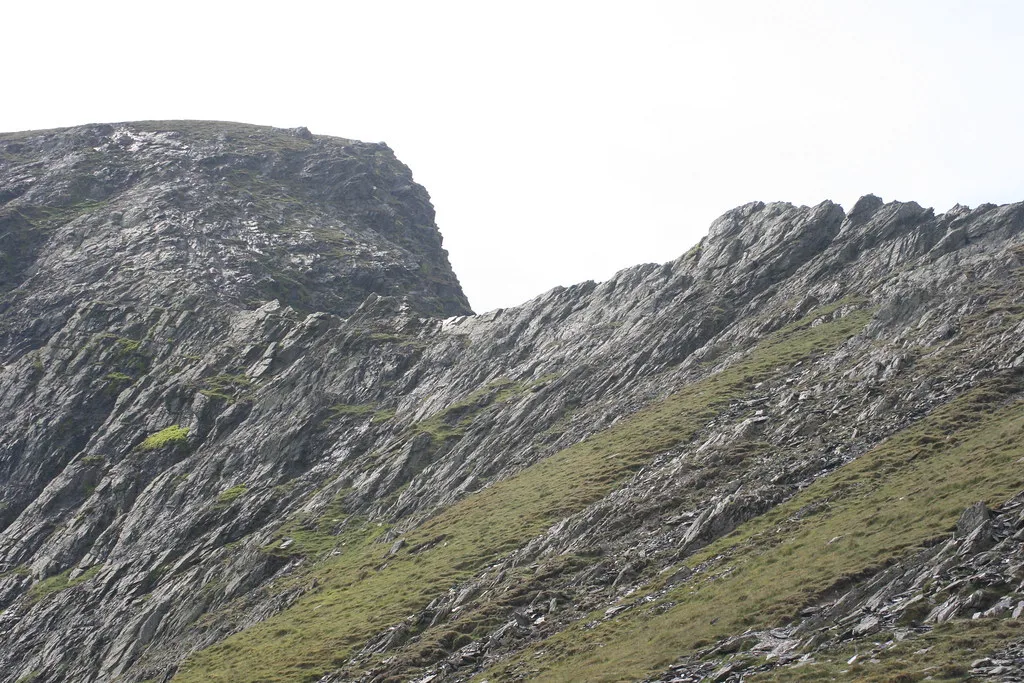
- Sharp Edge: consider it if you can downclimb calmly with steep drops nearby. Choose something else in rain or on damp rock. Brown Bird says the upper section can be slippery even when dry.
- Jack's Rake: consider it for a dry day if sustained exposure and a chimney suit you. Choose something else in wet conditions. Brown Bird reports accidents on very insecure grassy ground off the line beside the chimney.
- Cam Crag Ridge: consider it if you want choices between more and less demanding rock. Choose something else if choosing your own line worries you.
- Pinnacle Ridge: consider it with relevant roped experience or professional support. Choose something else if you cannot protect the crux or manage the exposed downclimb.
Plan the Whole Day Before You Commit
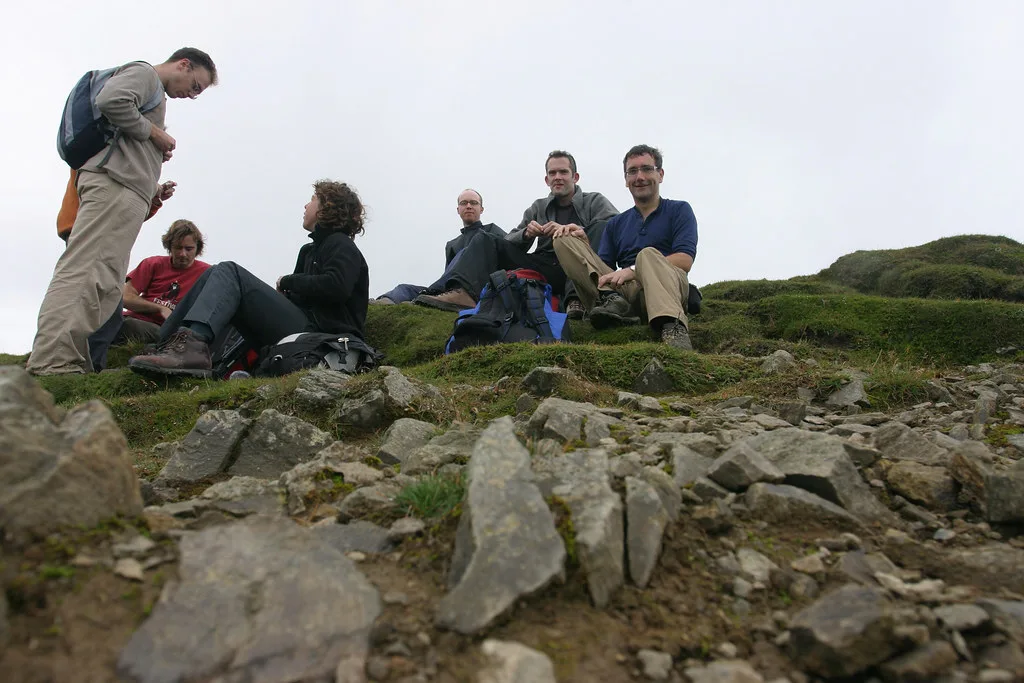
Our pick for planning is to work backwards from your return. Include the walk-in, finding the start, queues on rock, the descent and the trek back. Set a latest time for reaching the base and another for abandoning the day. Starting points in the route table don't promise parking there, including at the hotel. Arrange legal parking or current public transport, and check access with the relevant land manager.
Read the Mountain Weather Information Service forecast for wind, rain and visibility. Consider earlier rainfall too, because rock may stay wet after showers stop. Carry a suitable Ordnance Survey map or equivalent, plus the skills to use it. Our fell navigation basics help on the approach and descent. Walking navigation doesn't replace route-finding on a scramble.
In a UK mountain emergency, call 999, ask for the police, then ask for Mountain Rescue. Share your location and the casualty's condition as clearly as you can. See Mountain Rescue England and Wales for official safety information. Local teams are represented by the Lake District rescue association. Before leaving, read our guide to calling local mountain rescue.
When to Change the Plan or Turn Back
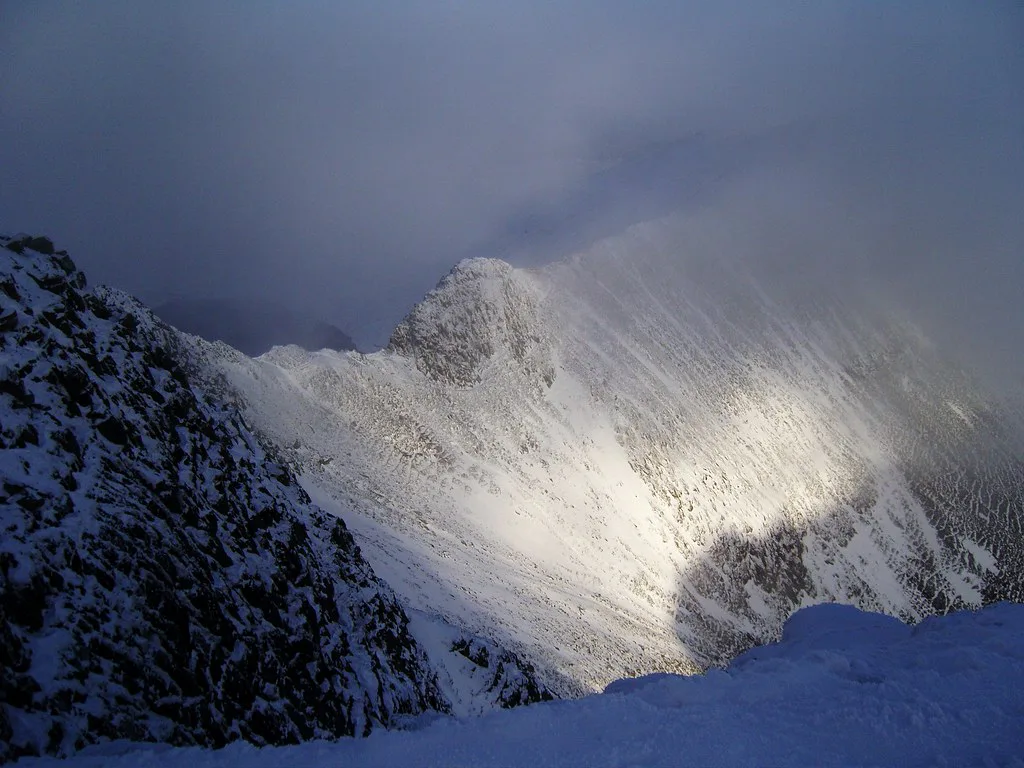
Reversing a move can be harder than climbing it. Agree decision points below the first committing section, and don't assume an escape path exists later. Lake District Mountaineering notes that exposed ridges can become poor choices in high wind or very wet conditions. We'd give any hesitant group member a veto. Keep a lower objective ready, using our comparison of high and low walking options. Winter snow or ice demands different skills and equipment, so don't apply summer grades or this advice to it.
- Change the plan if wind threatens balance or is forecast to strengthen.
- Change the plan if rain arrives, rock remains wet or cloud hides the line.
- Change the plan if you find snow or ice and are not equipped and experienced for winter mountaineering.
- Change the plan if anyone is tired, cold, hesitant or unhappy with the exposure.
- Change the plan if you are unsure of the line; stop before moving onto harder ground.
- Change the plan if you miss a turnaround time or daylight may run short.
Kit and Safety Limits
Start with mountain clothing, food, drink, a headtorch, navigation equipment and grippy mountain footwear or approach shoes. Choose a helmet and any technical gear around the objective and conditions. We'd treat rockfall as a reason to wear a helmet, especially with other parties above. Test holds because rock can loosen. Rock n Ridge notes that freeze-thaw can weaken or dislodge holds on Jack's Rake. Avoid gathering directly below other people, and allow time for congestion. Carrying a rope gives no protection unless someone knows how to use it for that terrain. Learn those skills through qualified instruction.
Even a water day can include a 12 m roped climb, so rope handling skills matter outside the mountain routes too.
- Wear: layers, waterproofs and footwear that grips on rock.
- Carry: food, drink, headtorch, map, compass and a charged phone.
- Decide by route: helmet, harness, rope and protection, matched to your training.
Go Independently, Learn Skills or Book a Guide?
For a named ridge, we'd book guiding; for future independence, we'd favour a skills course. Prices here are the providers' listed rates, checked November 2026. Lake District Mountaineering lists a private guided day at £290 for 1:1 or £340 for 1:2. Those are totals for the booking, not per-person fees. Its linked 2-day rates are £570 or £670, and 3 days cost £840 or £990. By comparison, its 2-day Scrambling Skills course is £250 per person. Its 2-day Summer Mountaineering course, which connects scrambling with climbing and ropework, is £350 per person.
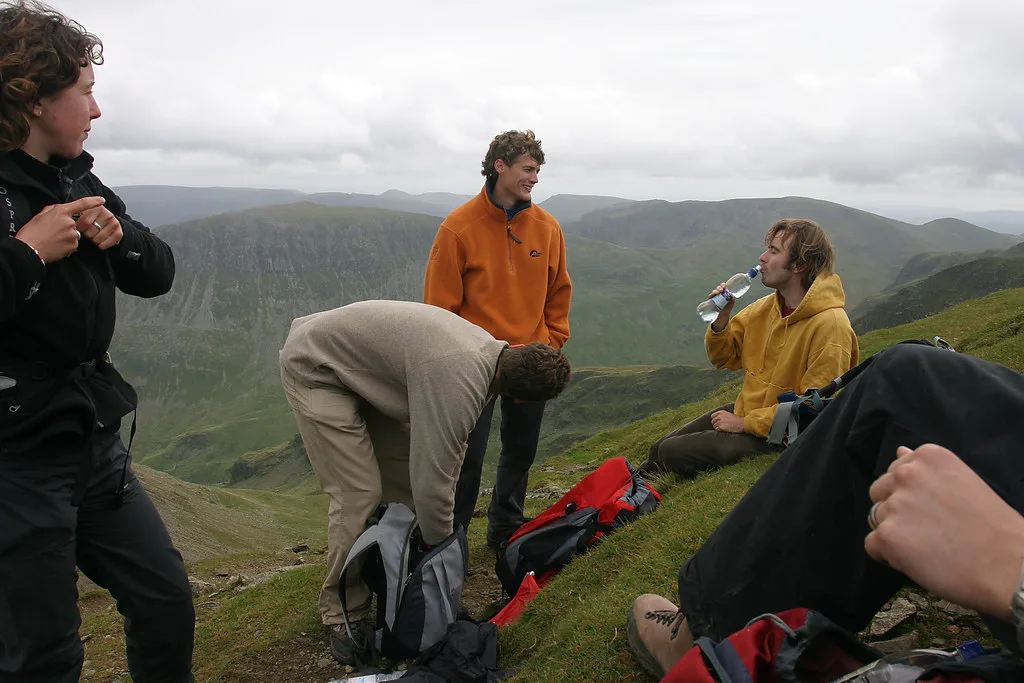
The company says appropriately qualified MCI or WMCI instructors deliver its technical guiding. For any booking, ask which qualification covers your activity, age group and terrain. Also ask what equipment, transport and fees the price includes, and how cancellations work.
| Option | Best fit | Trade-off or check |
|---|---|---|
| Independent day | Your experience matches the route and conditions | You own navigation, safety and retreat decisions |
| Guided objective | You want a particular ridge with professional management | Check prerequisites, ratio, qualifications, total price and cancellation terms |
| Skills course | You want to build ability for later independent days | Check syllabus and entry level; completion doesn't make every route suitable |
| Ghyll session | You want a guided water activity | Check water confidence, cold, age, fitness and compulsory features |
If You Meant Ghyll Scrambling
Path to Adventure offers Stickle Ghyll in Langdale, Church Beck in Coniston, Netherbeck in Wasdale and Esk Gorge in Eskdale. As of November 2026, it lists adult half-days at Stickle and Church Beck at £57, with adults counted from age 14. It adds a £6 per-person landowner fee for its lower Church Beck scramble, so confirm the total for your variant. Keswick Adventures starts at £56 including booking fee, takes ages 7 and over, and lasts 2 to 3 hours. It provides transport from its Keswick base and changing rooms there. Its page states AALS licensing, which you can check against the official register.
Don't assume you can skip every challenge. Path to Adventure requires a 12 m roped climb to exit Netherbeck. Jumps, slides and rope lowers are compulsory on its Church Beck Full Canyon. It describes Esk Gorge's jumps, up to 8 m, and other challenges as avoidable. That trip lasts 5 hours, includes a 45-minute walk in and needs basic water confidence.
- Age and supervision: check the exact variant, since age limits differ. Path to Adventure requires an adult to accompany under-18s.
- Health and fit: ask about swimming, medical conditions, fitness and equipment sizing.
- Logistics: confirm the meeting point, walk-in, changing facilities, transport, footwear and extra fees.
- Conditions: ask how high water affects the session and what cancellation or refund terms apply.
Notes for your next walk
Optional updates to our Lake District walking guides.