Coast to Coast Walk: Route, Itinerary & Planning Guide
Last updated November 2026: the coast to coast walk, devised by A. Wainwright, crosses northern England between St Bees and Robin Hood's Bay. Its route runs through the Lake District, Yorkshire Dales and North York Moors, covering about 190 miles, typically in about 2 weeks. Beds can dictate where each day ends, so check overnight availability before fixing your dates or daily stages.
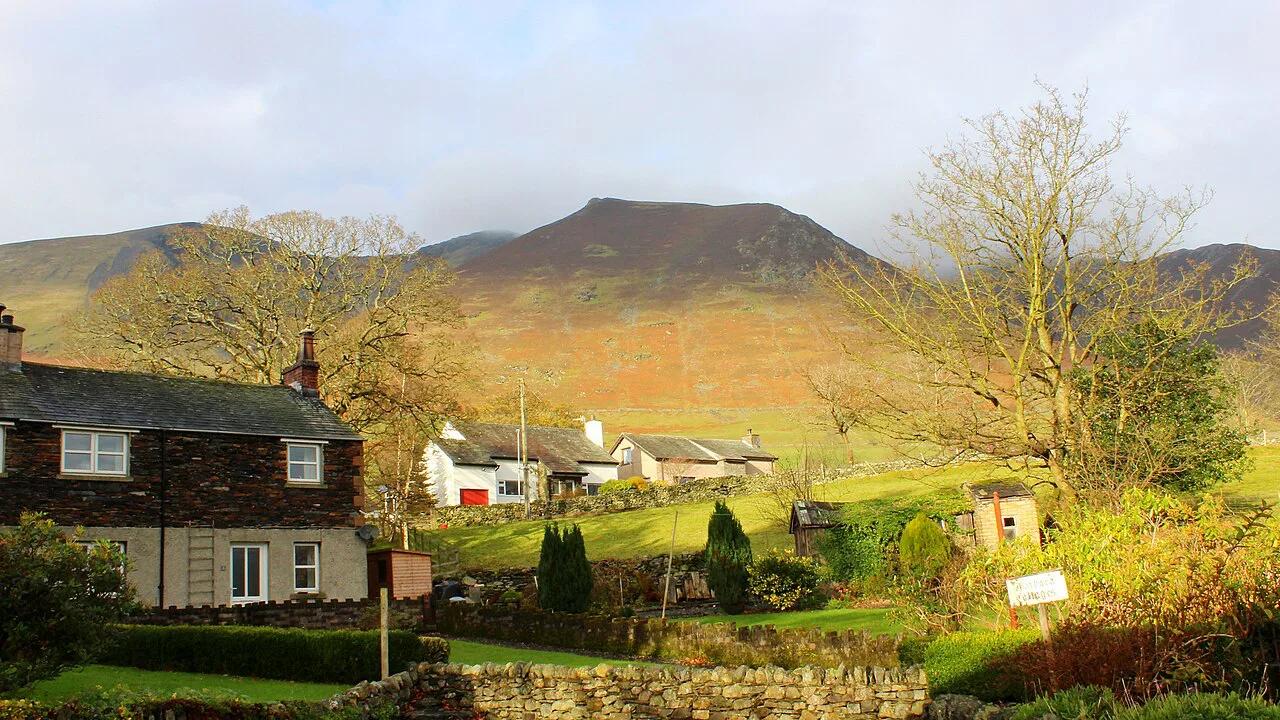
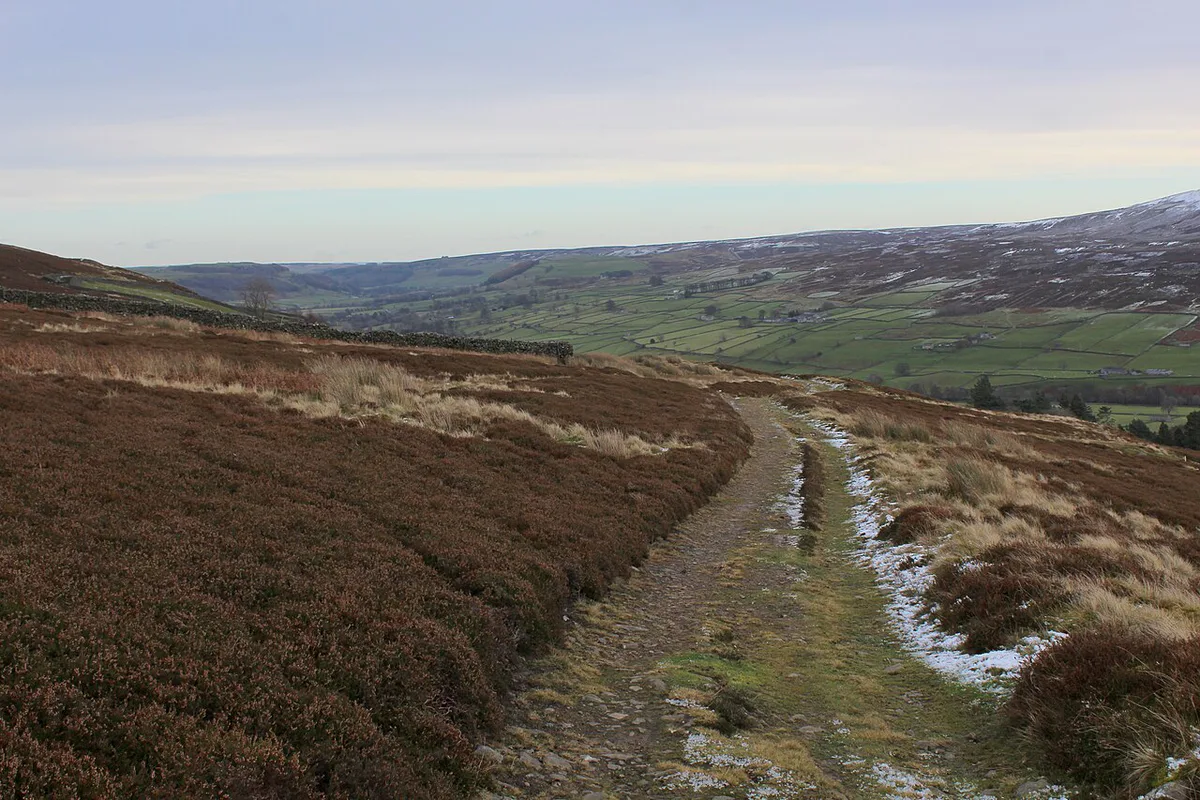
Featured image: Kreuzschnabel, CC BY-SA 3.0, via Wikimedia Commons.
Coast to Coast Walk at a Glance
Reasonably fit walkers can complete this route with proper preparation, but it isn't easy. At about 190 miles, it demands consecutive long days, hill walking and sound navigation. Newer walkers should build up to back-to-back days with a loaded pack. For earlier hill practice, you could try some gentler Wainwright fells.
Other routes also cross Britain from coast to coast; this guide covers Wainwright's. His original guidebook used handwritten text and hand-drawn maps. Walking this linear trail is a different goal from bagging Lakeland summits. In August 2022, the UK government announced plans to make it a National Trail. Before booking, check National Trails information for its present status, official line, waymarking and diversions.
| Planning point | Summary |
|---|---|
| Start | St Bees, Cumbria |
| Finish | Robin Hood's Bay, North Yorkshire |
| Distance | About 190 miles; published figures and route variants differ |
| Typical duration | About 2 weeks |
| National parks | Lake District, Yorkshire Dales, North York Moors |
| Usual direction | West to east |
| National Trail status | Plan announced August 2022 |
| Suggested season | Late spring to early autumn |
How Many Days Do You Need for the Coast to Coast Itinerary?
Wainwright suggested 12 stages, averaging about 16 miles a day. A 14-day schedule lowers that average to about 13.6 miles across 190 miles. Adding 2 rest days to it gives you 16 days on the route. Travel to St Bees and home again may add more time.
| Pace | Daily load | Booking dependency and extra nights | Best fit |
|---|---|---|---|
| 12 days | About 16 miles on average | Needs beds that match longer stages; 2 fewer walking days than the 14-day plan | Experienced walkers comfortable with consecutive long days |
| 14 days | About 13.6 miles on average | Needs a suitable bed or transfer at every stage end | Prepared walkers wanting a 2-week plan |
| 16 days with 2 rest days | 14 walking days, unchanged mileage | Adds 2 nights; rest-stop beds must be free | Walkers wanting recovery time |
| More than 14 walking days | Under 13.6 miles on average | Needs more overnight stops or transfers | Walkers wanting shorter days or time to linger |
A 14-Day Coast to Coast Walk Route
Outdoor Scott's sample schedule below totals 190 miles. Treat it as 1 option, since variants can change stage mileage. Its biggest days are 20 miles from Shap to Kirkby Stephen and 23 miles from Richmond to Ingleby Cross. Before booking either, find out whether you can split it and how you would reach your bed.
Shorter Lake District stages aren't necessarily easy, because mileage doesn't show climbing, rough ground or navigation difficulty. For the 9-mile Borrowdale to Grasmere day, allow for the rough crossing at Greenup Edge.
| Day | Stage | Miles | Planning note |
|---|---|---|---|
| 1 | St Bees to Ennerdale | 14 | Includes coast and Dent Fell |
| 2 | Ennerdale to Borrowdale | 15 | Remote mountain country |
| 3 | Borrowdale to Grasmere | 9 | Rough ground at Greenup Edge |
| 4 | Grasmere to Patterdale | 9 | Plan around hill weather |
| 5 | Patterdale to Shap | 16 | Long day leaving the Lakes |
| 6 | Shap to Kirkby Stephen | 20 | Resolve any split before booking |
| 7 | Kirkby Stephen to Keld | 13 | Book early for Keld |
| 8 | Keld to Reeth | 11 | Match your route choice to conditions |
| 9 | Reeth to Richmond | 10 | Arrange the next long day |
| 10 | Richmond to Ingleby Cross | 23 | Longest listed day; resolve beds or transfers |
| 11 | Ingleby Cross to Clay Bank Top | 12 | Arrange access to your bed |
| 12 | Clay Bank Top to Blakey | 10 | Confirm transfers when booking |
| 13 | Blakey to Grosmont | 13 | Carry food and check onward beds |
| 14 | Grosmont to Robin Hood's Bay | 15 | Leave time for your journey home |
West to East or East to West?
West to east follows Wainwright's suggestion and is reported to be more popular. It also aims to put prevailing weather behind you, although conditions on any given day can differ. You tackle demanding Lake District ground with fresh legs. In our editorial assessment, the trade-off is meeting it before you have settled into a 14-day rhythm. East to west can make sense if your travel dates or available beds fit that direction better.
What the St Bees to Robin Hood's Bay Route Is Like
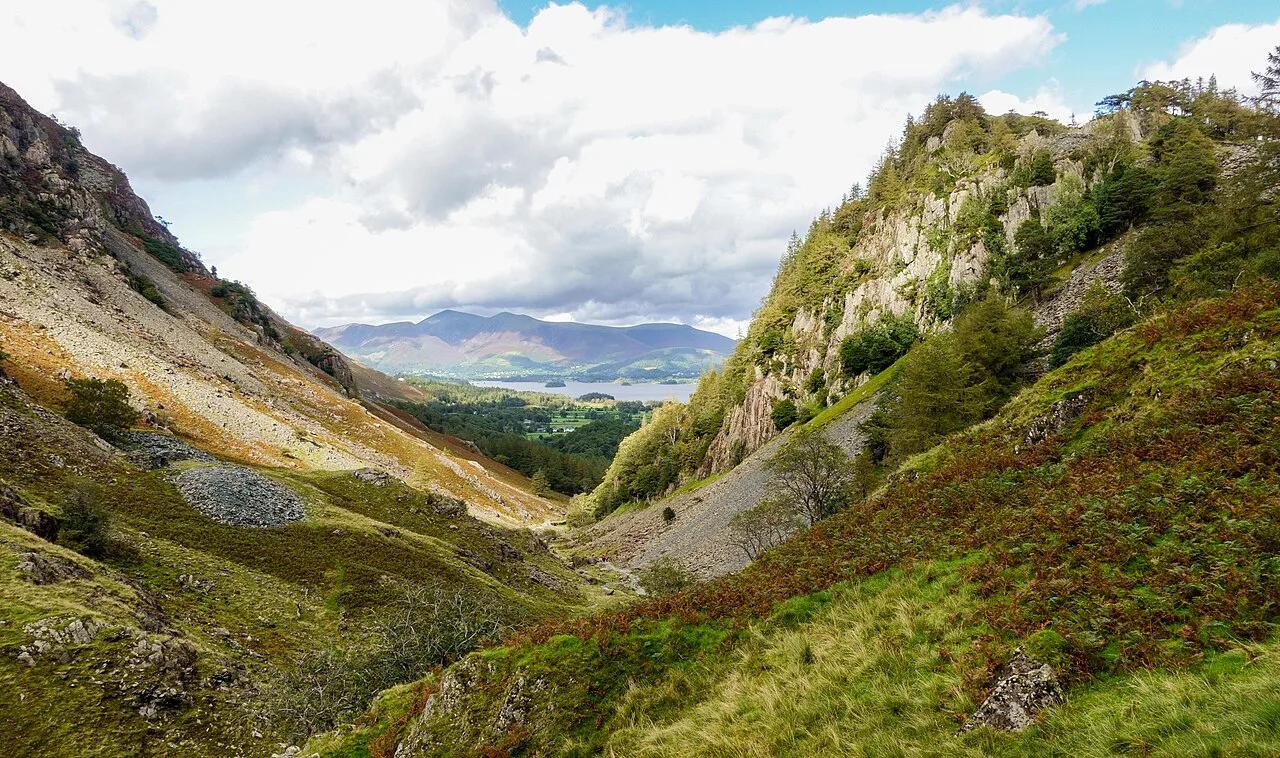
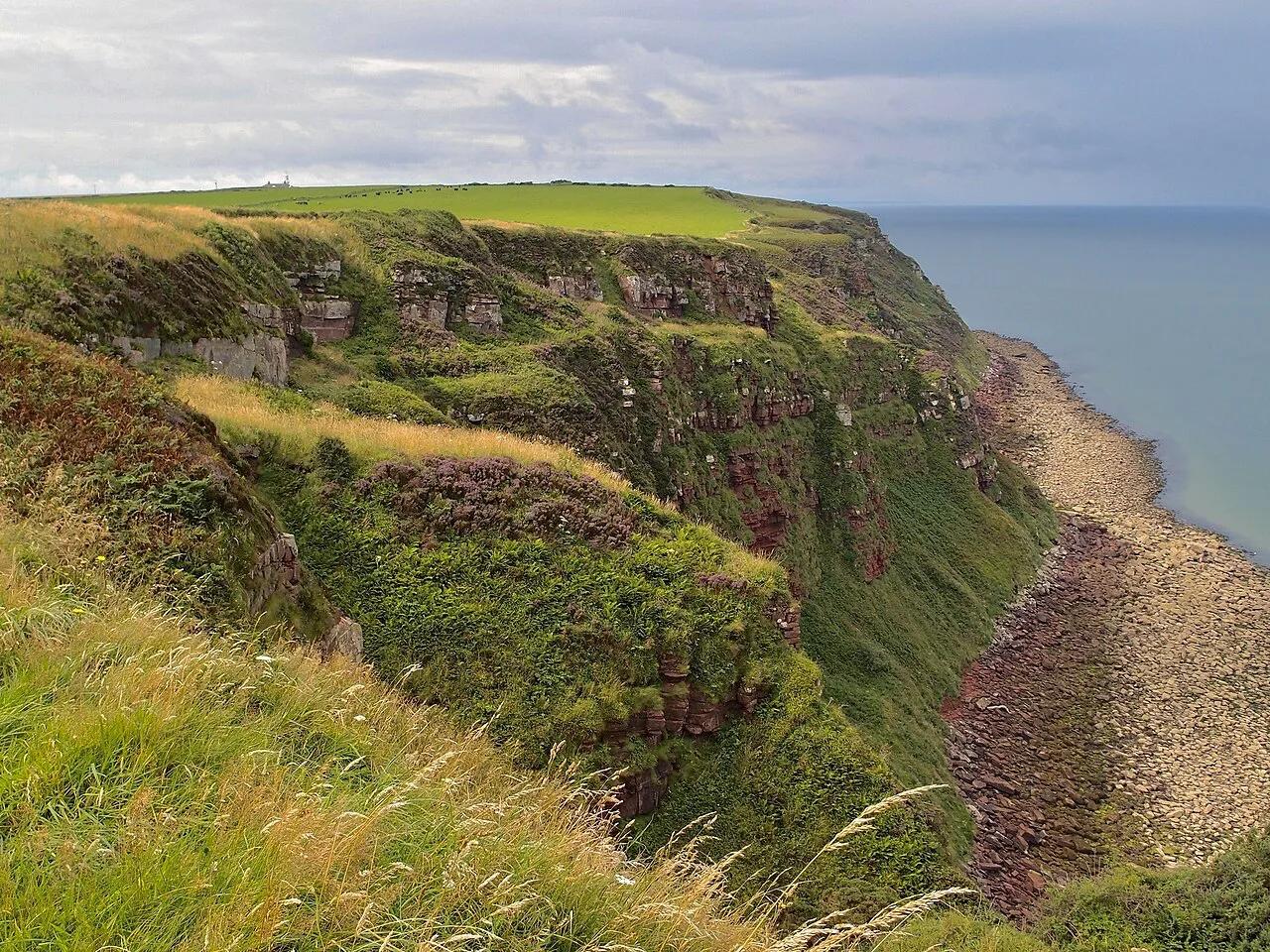
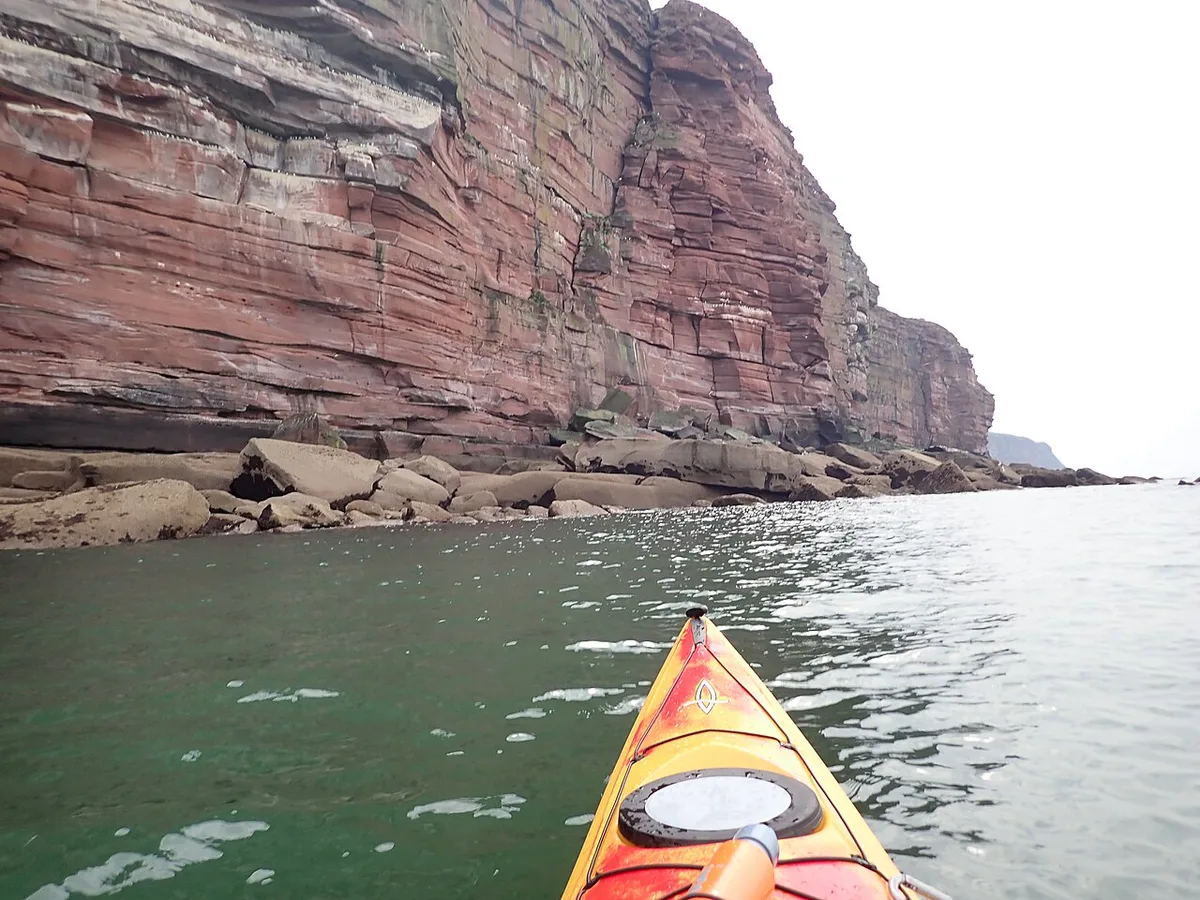
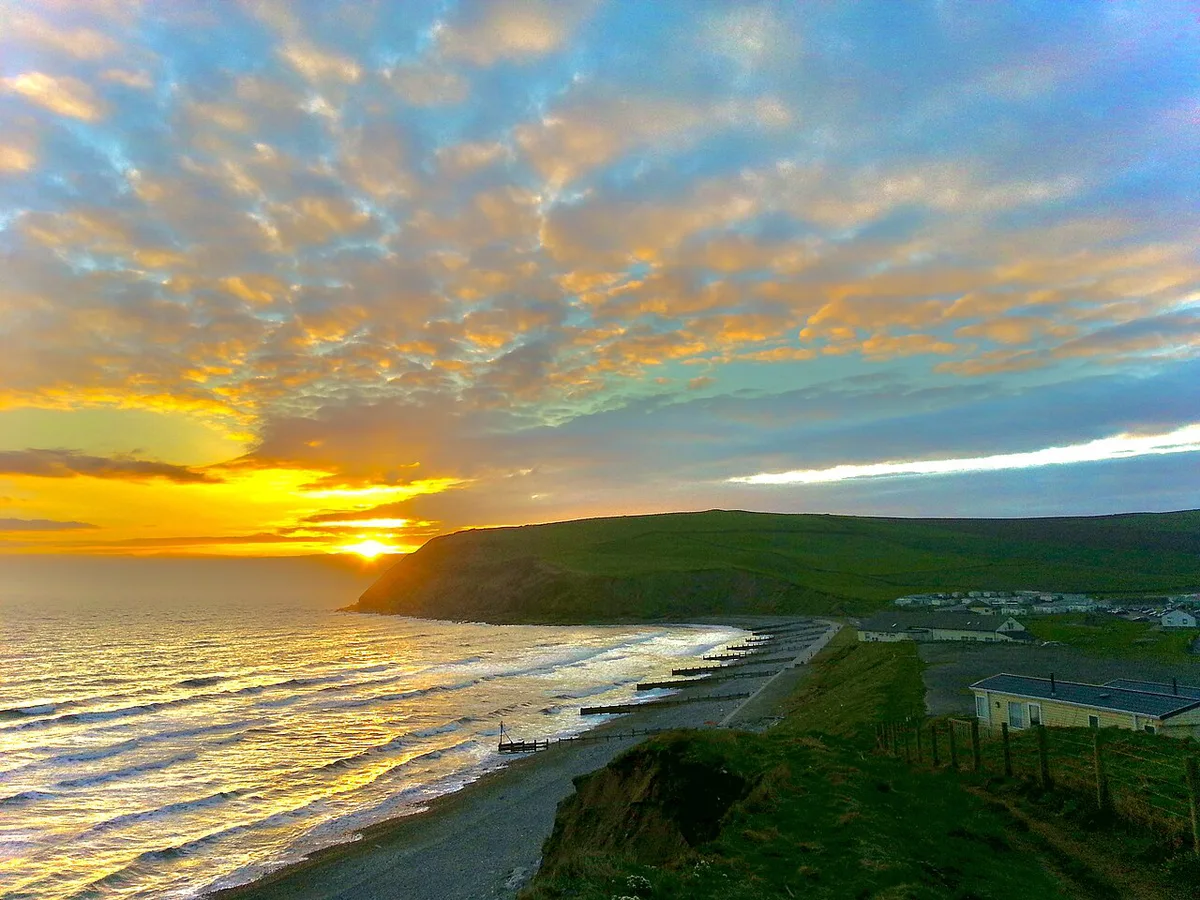
Walking east, you begin beside the Irish Sea and climb onto St Bees Head's red sandstone cliffs. Farmland and villages such as Sandwith and Cleator lead towards Dent Fell, your first serious hill. Allow for that climb within the sample 14-mile opening day.
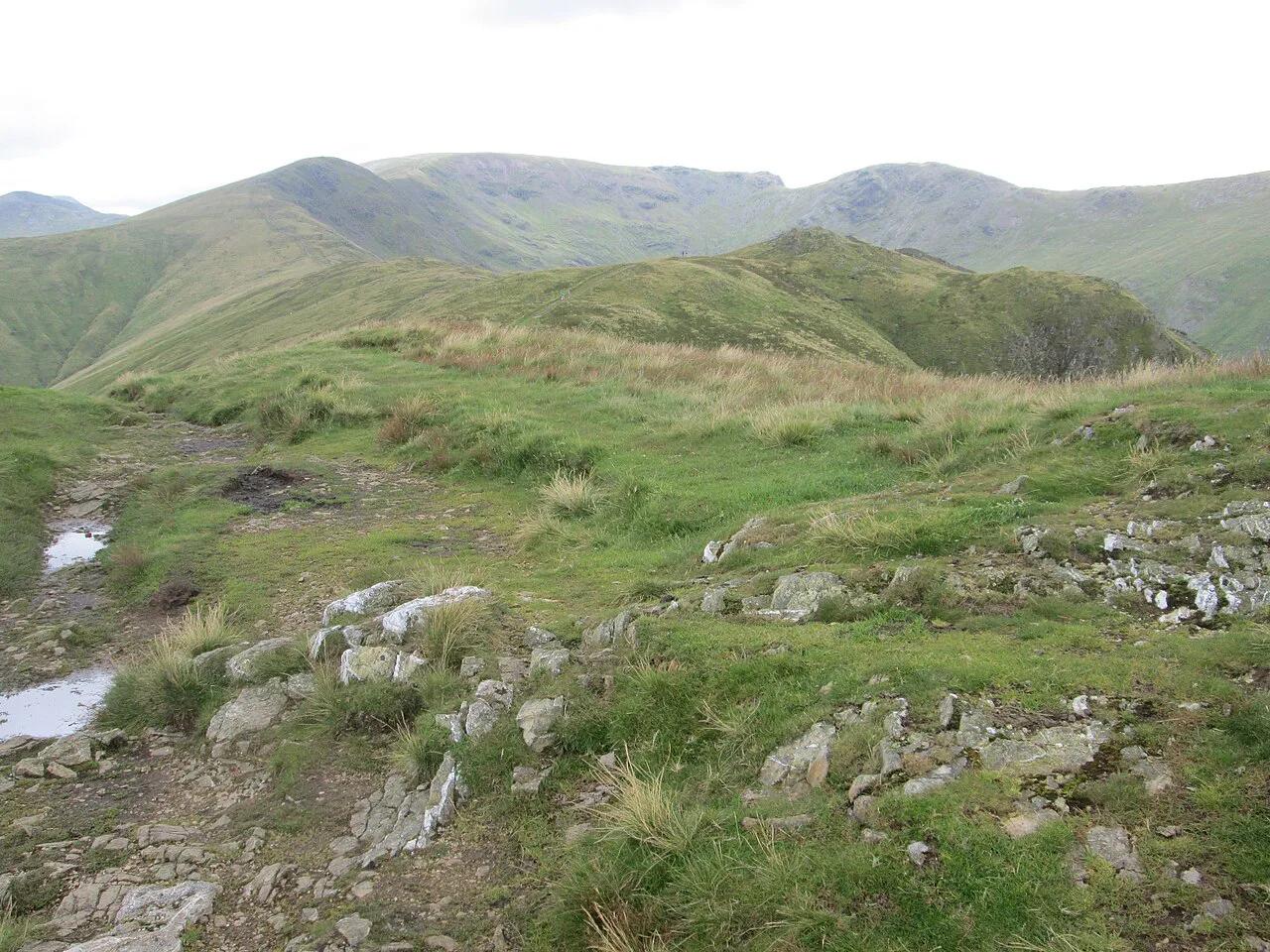
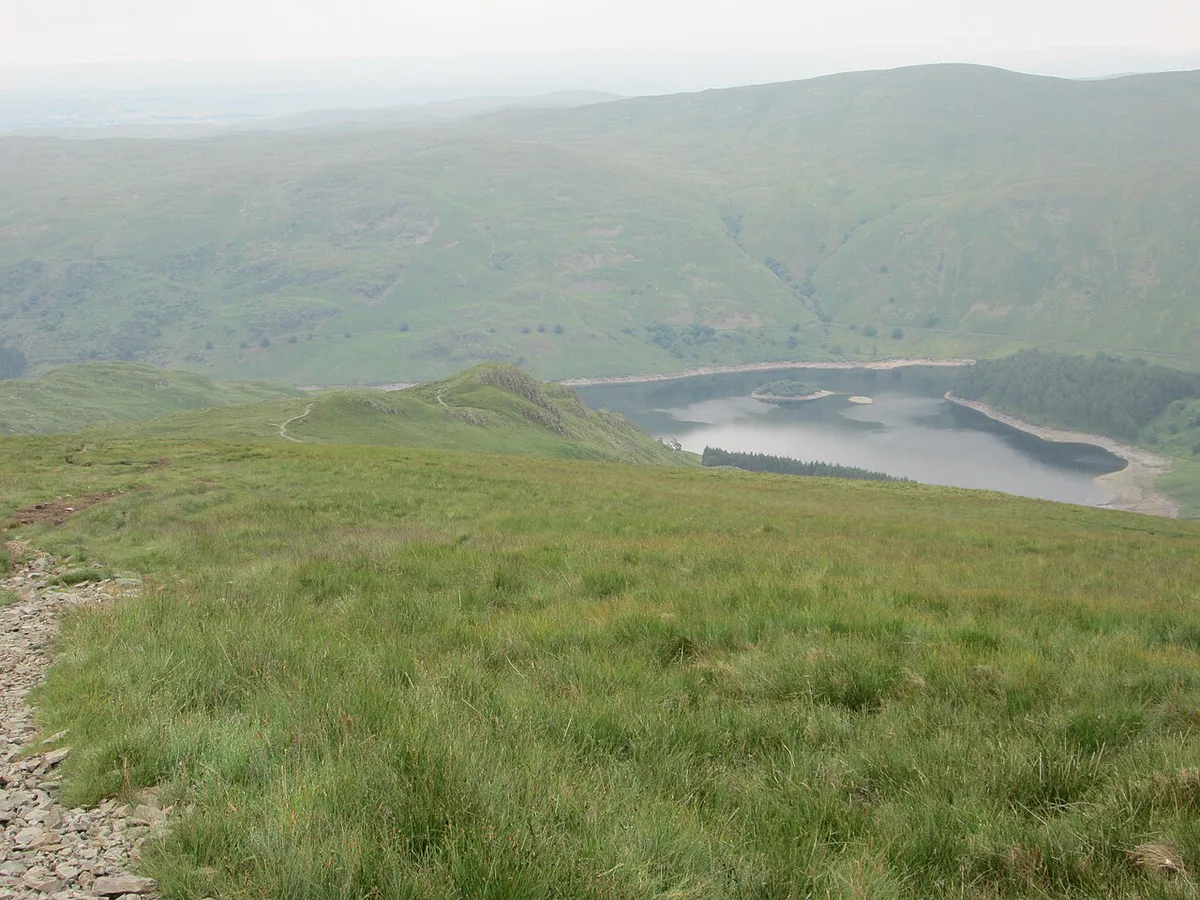
Beyond Ennerdale Water, the route passes the remote YHA Black Sail area and climbs beside Loft Beck. Lake District sections mostly use passes, with optional summits. Extra peaks add effort to your schedule; our guide to high Lake District summits gives wider context, not a route list. Low cloud can make route-finding difficult.
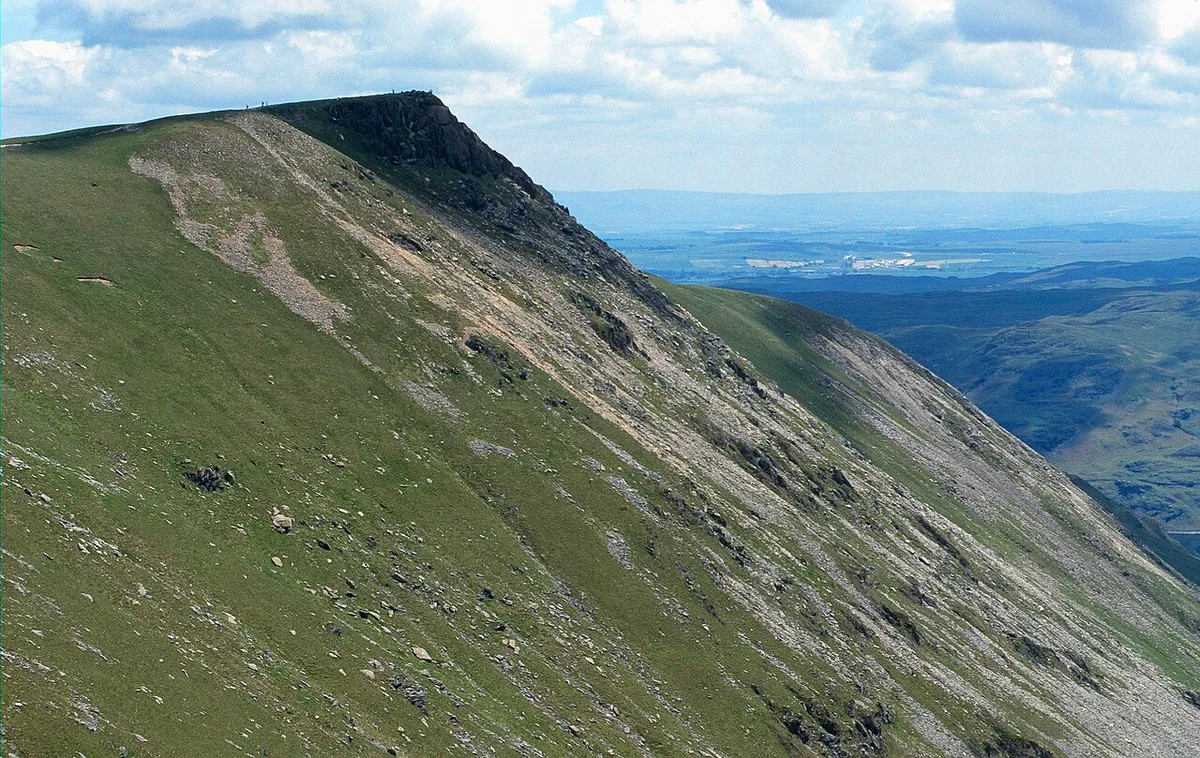
Farther east come northern Dales limestone, the lower ground of the Vale of Mowbray and the peaty North York Moors. Your walk ends back at the sea in Robin Hood's Bay.
- Navigation: carry a map and compass, know how to use them, and don't rely on a phone alone.
- Weather: read mountain weather forecasts for upland sections covered by the service.
- Wider outlook: use the Met Office forecast when planning each day.
- Postponement: don't set out into forecast thunderstorms, torrential rain or very high winds.
- Exit plan: identify a workable way to shorten each stage; don't assume a shortcut or bus exists.
- Emergency preparation: review Lake District mountain rescue information before your hill days.
Coast to Coast Accommodation and Camping
Book early, especially in the Lake District and small villages such as Keld. For a 14-day plan, line up all 13 stops between walking days, plus any arrival or finishing night. Ask about off-route pickups, minimum stays and cancellation terms. If a village is full, change the stages or secure a transfer before committing to the neighbouring nights.
In England, wild camping generally needs the landowner's permission. Reports that discreet pitches are tolerated in places don't give you permission. Use campsites or authorised pub gardens, and reserve space where booking is offered.
| Stay style | Relative cost | Load and facilities | Flexibility and booking risk |
|---|---|---|---|
| B&Bs and inns | Usually the higher-cost style | No tent needed; facilities vary | Fixed bookings; small villages can fill |
| Hostels and bunkhouses | Often a middle or budget choice | Bedding and kitchen facilities vary | Limited places; check booking terms |
| Campsites and pub gardens | Usually the budget choice | Camping kit adds weight unless transferred; facilities vary | Availability and pitch rules can limit changes |
Budget and Coast to Coast Baggage Transfer
Camping with mostly self-catered meals is the leaner style. Inns, pub meals and luggage transfer usually cost more. An undated, Wikivoyage-based itinerary published by The Taiwan Times puts baggage transfer at around £10 per bag. As an illustration only, 13 moves of 1 bag at that rate would total £130. Get a current quote that states coverage, season, bag limits, drop-off points and cancellation terms.
Carrying everything gives you more freedom over where your bag ends up, but increases your daily effort. With transfer, your day bag still needs waterproofs, navigation tools, food, water and other safety essentials.
- Nights: include arrival, rest days and finishing night; a continuous 14-day plan has 13 intermediate stops.
- Travel: price your journey to St Bees and home from Robin Hood's Bay.
- Daily costs: add meals, baggage transfer and local pickups.
- Preparation: include your guidebook, maps and kit.
- Contingency: reserve money for a changed bed, missed connection or early exit.
Getting to St Bees and Home Again
St Bees has a station on the Cumbrian Coast line. Depending on your starting point, possible interchanges include Carlisle, Lancaster and Barrow-in-Furness. Allow about 20 minutes to walk from the station to the beach start by the seawall. From Manchester, Outdoor Scott estimates 3–4 hours by train and £20–£60 for a ticket. These are undated estimates, so use a live rail planner for your date.
For Manchester from the finish, the same source describes a bus to Middlesbrough followed by a coach. It estimates about £30 and 5–8 hours, naming Arriva, then National Express or Megabus. Check that every leg runs on your date. Leave room for a late finish, or book a night nearby. If you drive to St Bees, arrange both long-stay parking and your return to the car before departure.
When to Go, Food and Water
May to October is a sensible main window, while some published advice starts it in April. Spring, summer and early autumn can all bring rain. Compare daylight, services and bed availability for your exact dates. Winter walking is possible, but poor conditions can make footing and navigation harder.
Carry food through remote stretches, including the climb out of Ennerdale and the moors. Order packed lunches ahead where accommodation offers them, and don't count on an open shop or pub. Refill with drinking water at your accommodation or cafés. Treat or filter natural water because livestock can contaminate it. Filters and tablets have different limits, so read what yours removes and don't assume it handles chemical pollution.
Planning Checklist and Mistakes to Avoid
Work in this order so a full village or missed connection doesn't unravel your 14-day plan. For preparation, Lakeland horseshoe day walks offer ideas, but 1 day out can't replace consecutive-day training. If you're weighing another long route, compare the Cumbria Way route. For separate summit goals, explore the Wainwright fells.
- 1. Check the current route and diversions.
- 2. Choose your direction, pace and rest days.
- 3. Match every stage to an available bed; don't copy a 14-day plan blindly.
- 4. Book stays, including any needed off-route transfers.
- 5. Arrange luggage, arrival and your journey home or car retrieval.
- 6. Pack navigation tools and prepare weather and injury fallbacks.
- 7. For a full village or missed connection, identify who can move you or where you can stay.
- Avoid judging difficulty by miles alone or mixing figures from different route variants.
- Never assume you may wild camp or that a short exit is available.
Notes for your next walk
Optional updates to our Lake District walking guides.