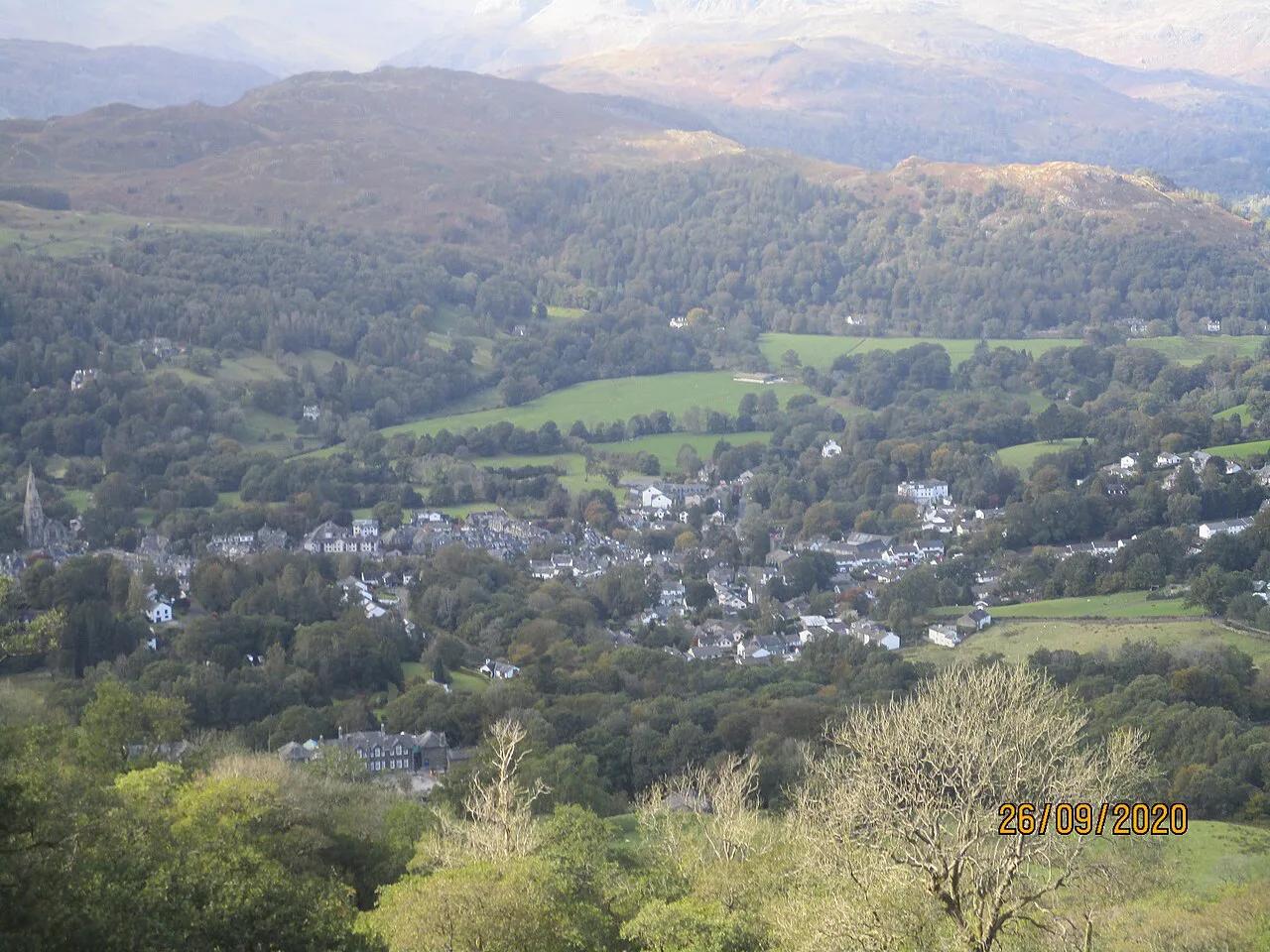
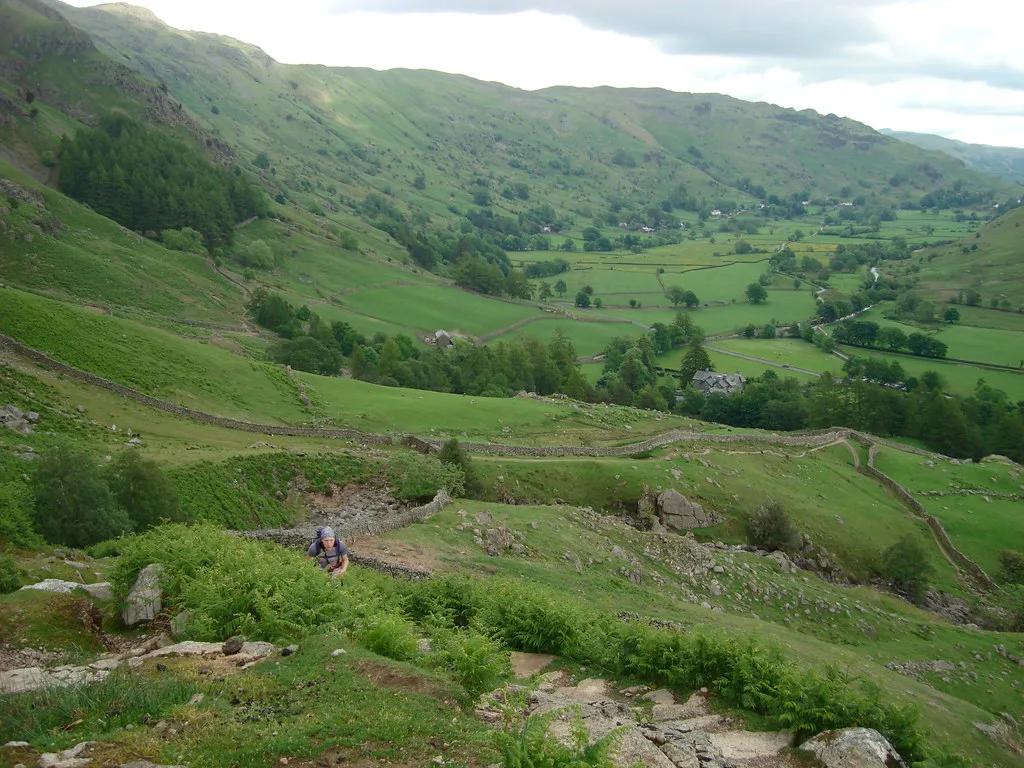
Bowness Walks: How to Choose the Right Route
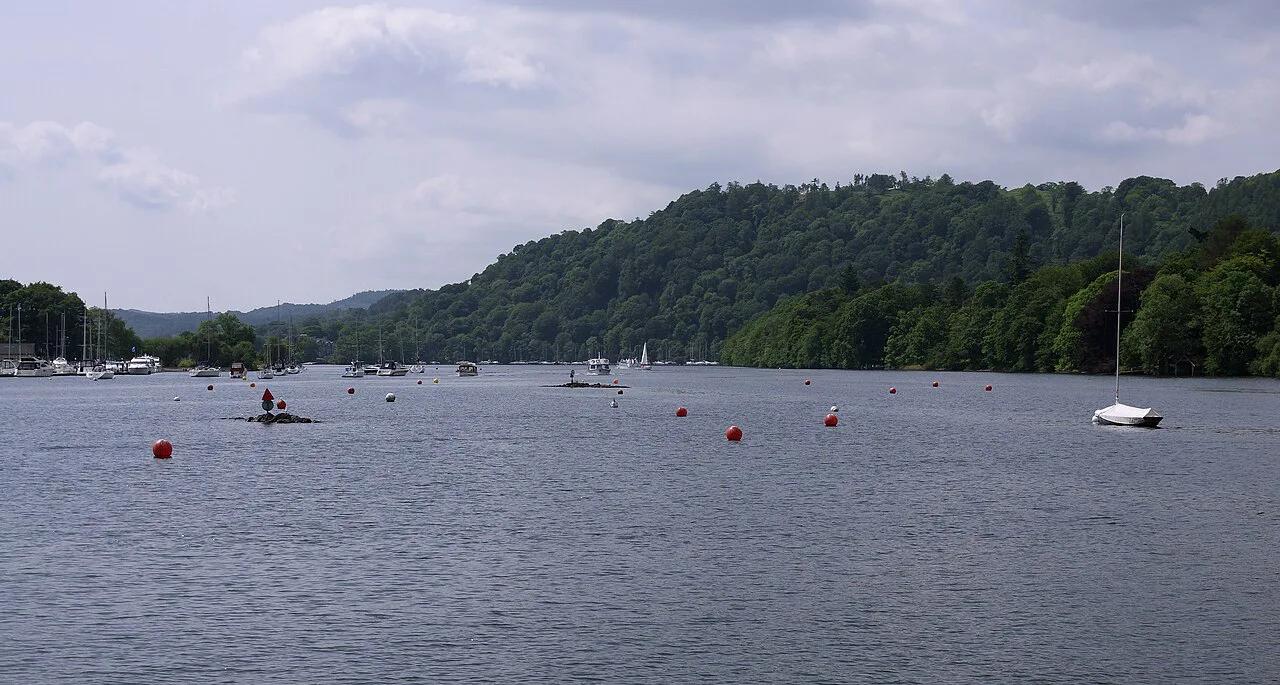
Last updated November 2026: for Bowness walks from town, our editorial picks are Brant Fell for climbers and the Dales Way's final stretch for trail fans. Viewpoint seekers can shortlist Orrest Head, while Claife Heights and Gummer's How suit people willing to plan a separate approach. No wheelchair or pushchair route is recommended here, because step-free suitability isn't established for any of these choices.
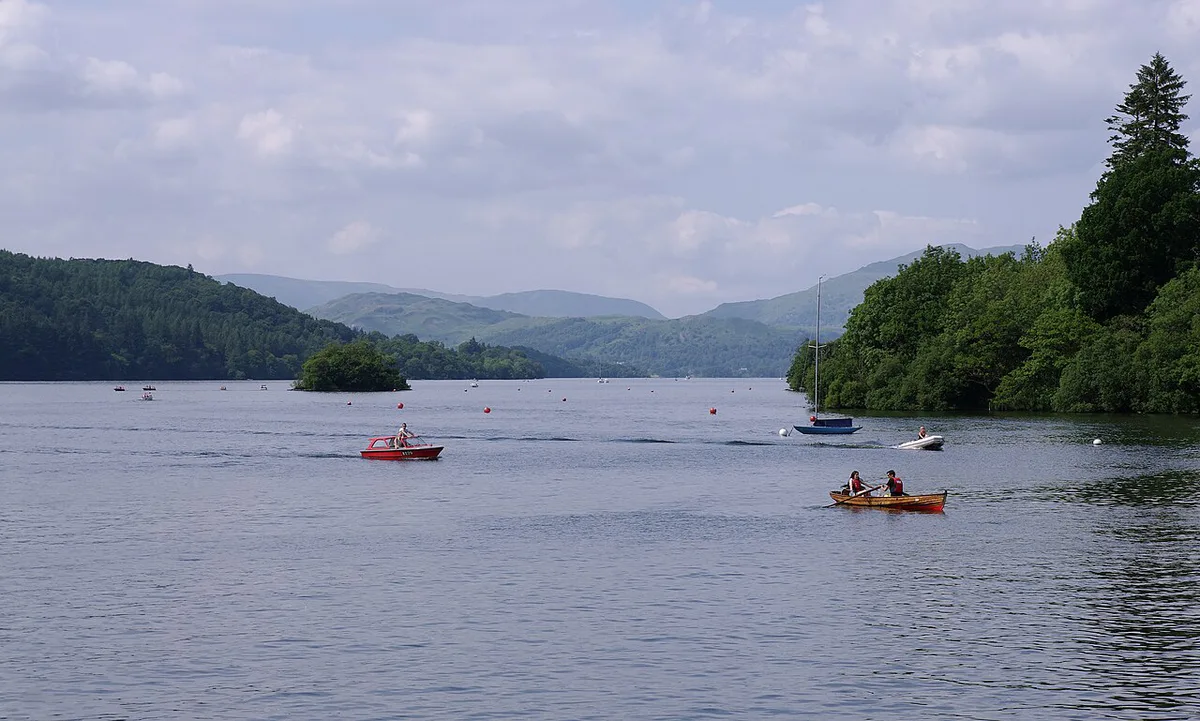
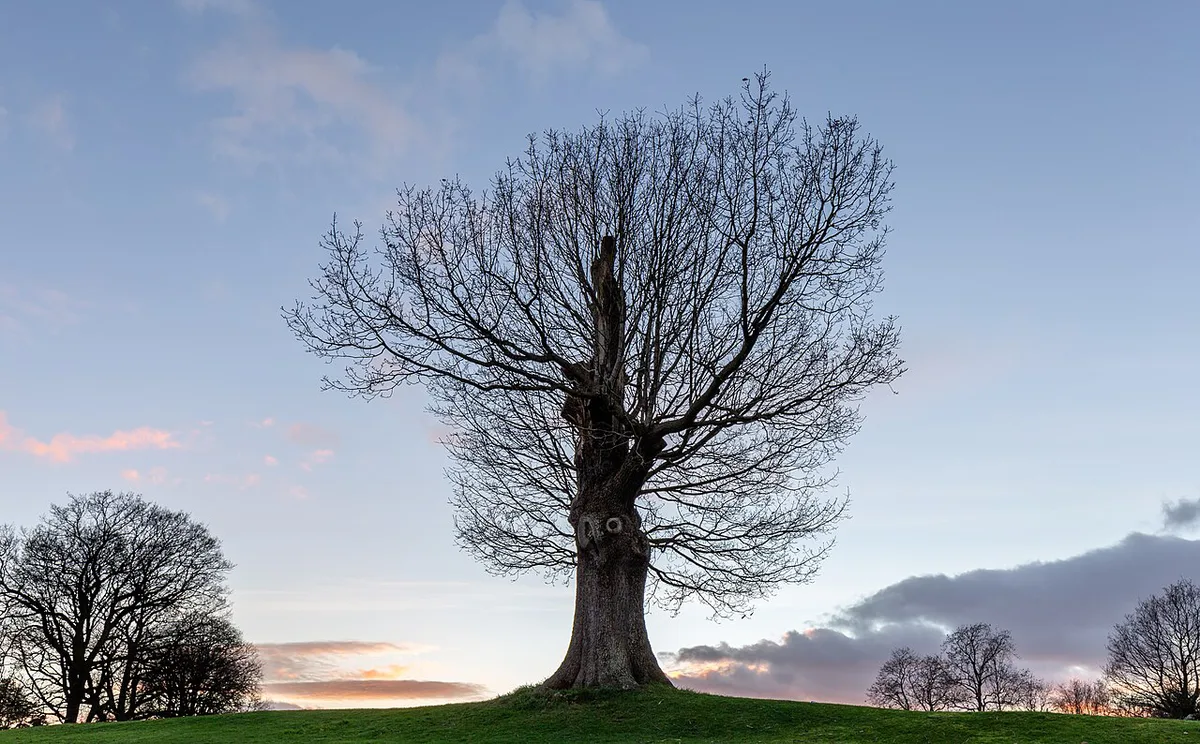
Featured image: mattbuck (category), CC BY-SA 3.0, via Wikimedia Commons.
Which of These Bowness Walks Should You Choose?
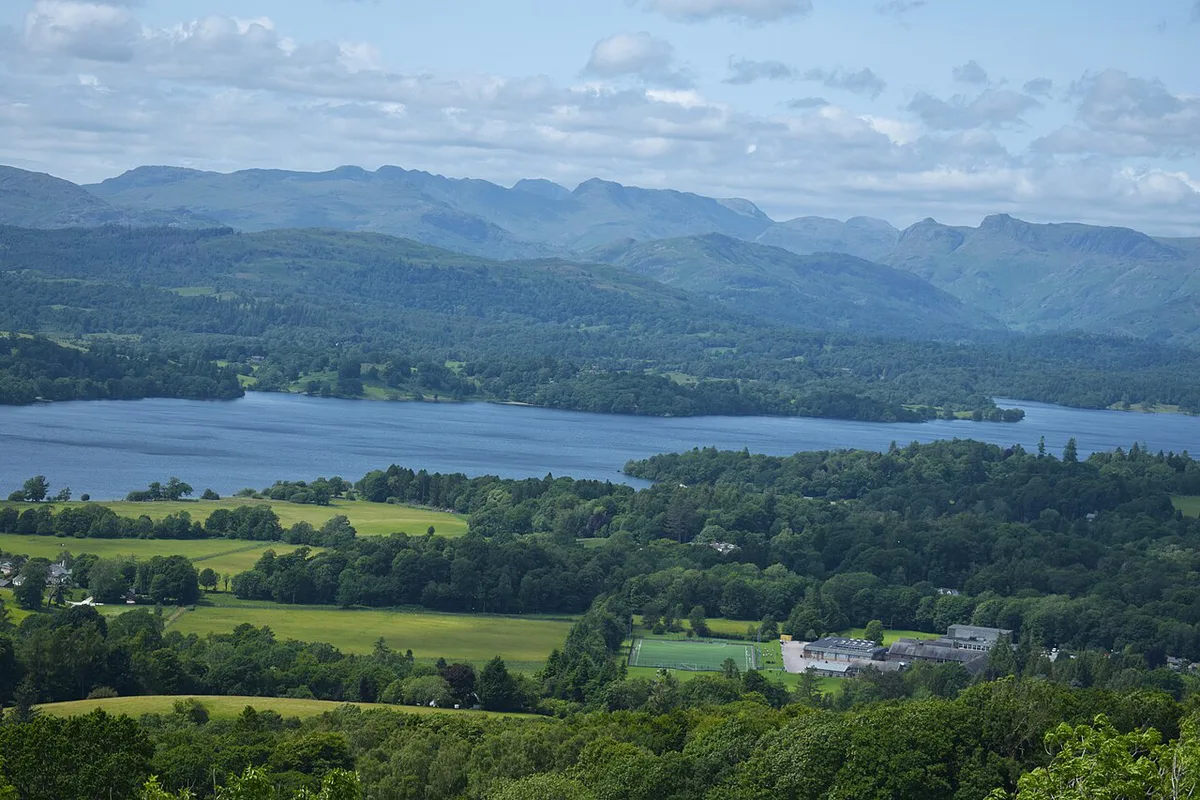
Start with your limits, then pick the place. Our guide to Windermere walks covers the wider area, while this page keeps Bowness-on-Windermere as your base. Brant Fell rises above the town, so it's the natural choice to investigate when you want to climb without first arranging a ride. Anyone drawn to a long-distance trail can follow part of the Dales Way and turn back. These suggestions are a shortlist rather than turn-by-turn directions, so take a mapped route with you.
| Walker type | Choice | How to approach it from Bowness | Main trade-off |
|---|---|---|---|
| Wants a climb from town | Brant Fell | On foot | Involves uphill walking |
| Likes long-distance trails | Final stretch of the Dales Way | On foot, walking the trail in reverse | You need to plan your turnaround and return |
| Puts a viewpoint first | Orrest Head | Plan the link towards Windermere town | Getting there and back adds to your outing |
| Wants to explore across the lake | Claife Heights | Arrange the lake crossing and onward walk | Your return depends on the connection you choose |
| Can make a separate trip | Gummer's How | Arrange transport first | Travel takes time out of your day |
Walks From Bowness on Windermere on Foot
Brant Fell and the Dales Way are the two places to begin if you want to leave from town. Bowness is the Lake District end of this long-distance route, and the Dales Way Association is the place to research the trail. Walking its final section backwards takes you out of Bowness. An out-and-back plan means every outward stretch has to be walked again, including any climbs on the return. A loop over Brant Fell needs its own mapped return line. Don't assume that a fell walk and a trail section share the same distance, ground or finishing point.
- Choose Brant Fell if the climb is part of what you want from the outing.
- Choose a Dales Way section if you'd like to set your own turnaround on an out-and-back walk.
- Before leaving, mark your start, turnaround and finish on the map.
- Skip either choice if uphill or uneven ground is a barrier and you have no detailed access information.
Cockshott Point: A Short Shore Walk From Bowness Bay
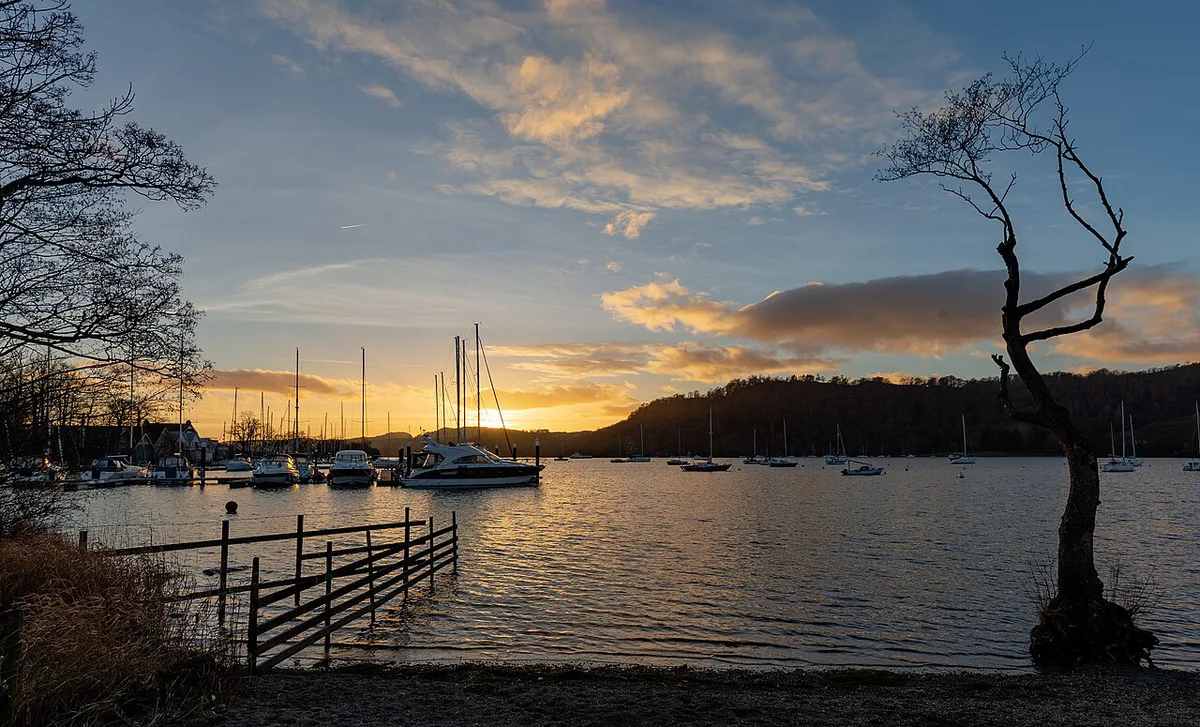
If you want a lakeside stroll from town instead of a fell climb, look at Cockshott Point. This National Trust shoreline lies just south of Bowness Bay. It suits a spare part of the day, or a visit when cloud makes higher viewpoints less rewarding.
From the piers, keep the lake on your right and head south past the Glebe, following the signed public paths towards the point. From the shore you can look across to Belle Isle, the large wooded island opposite Bowness, and watch boats moving around this busy part of Windermere.
- Simplest plan: walk to the point, then return the same way to Bowness Bay.
- Going farther: Ferry Nab, the eastern landing for the Windermere chain ferry, lies beyond the point. Check your line on a map, and take care where your route meets roads or vehicle access.
- Dogs and children: keep them close near the water, boats and wildlife, and follow any signs on site.
- Wheels: a shore setting doesn't guarantee step-free access. Check surfaces, gates and gradients for the full outward and return route before relying on it.
After wet weather, check conditions near the water and wear shoes that can cope with soft or slippery patches. If your aim is a long walk or a high view, choose one of the fell or trail options instead.
Viewpoint and Across-the-Lake Alternatives
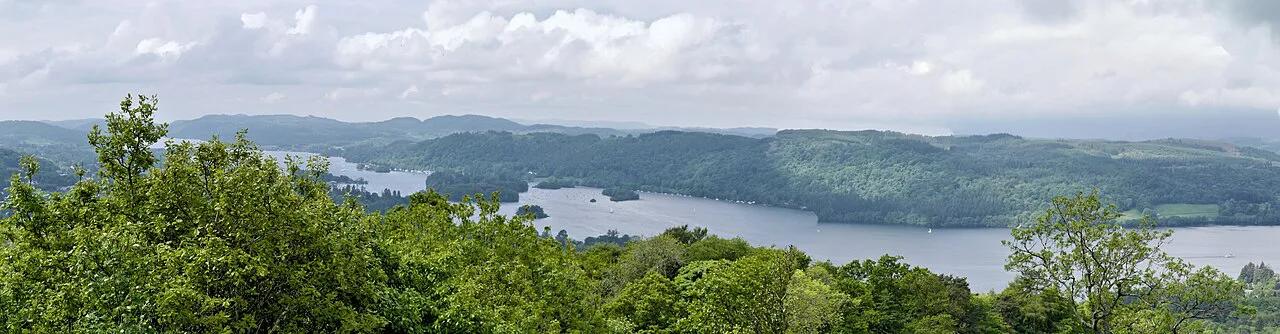
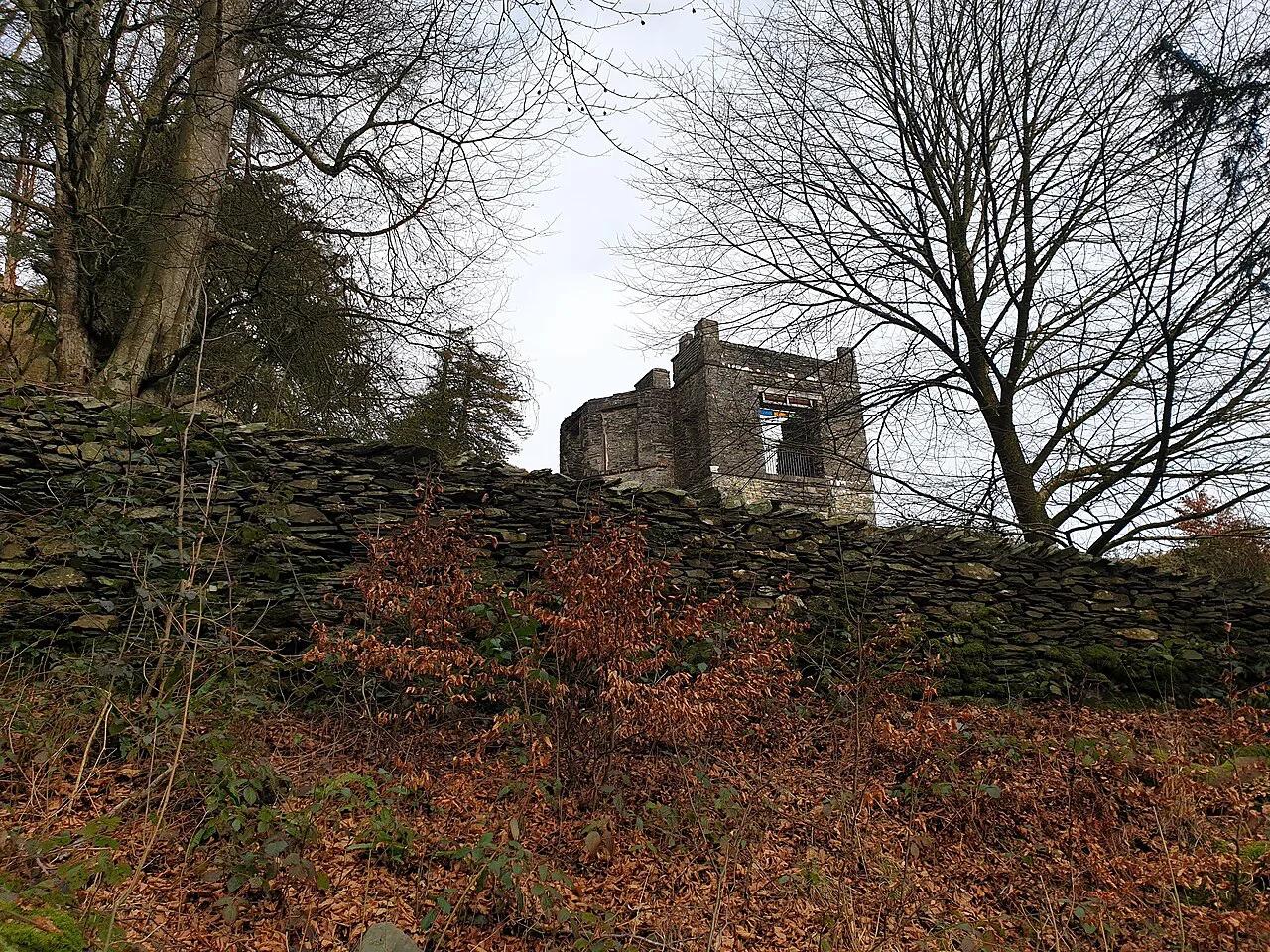
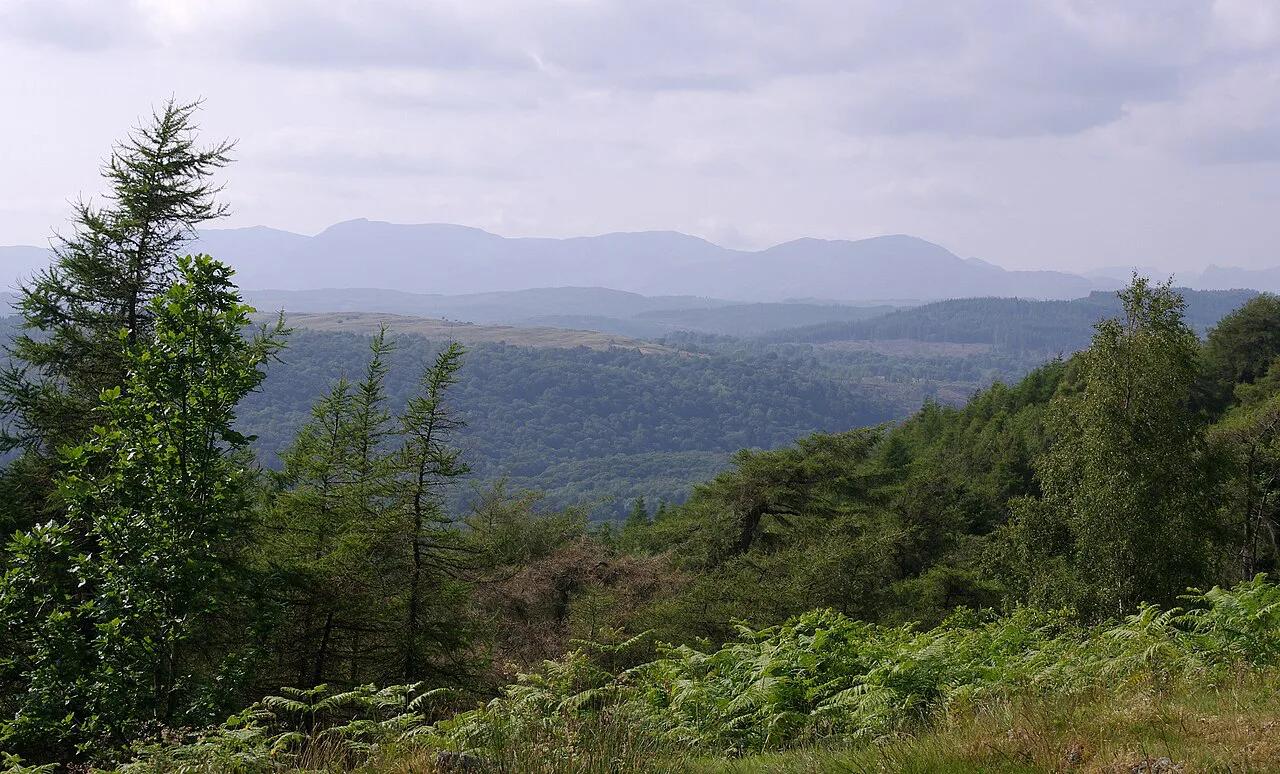
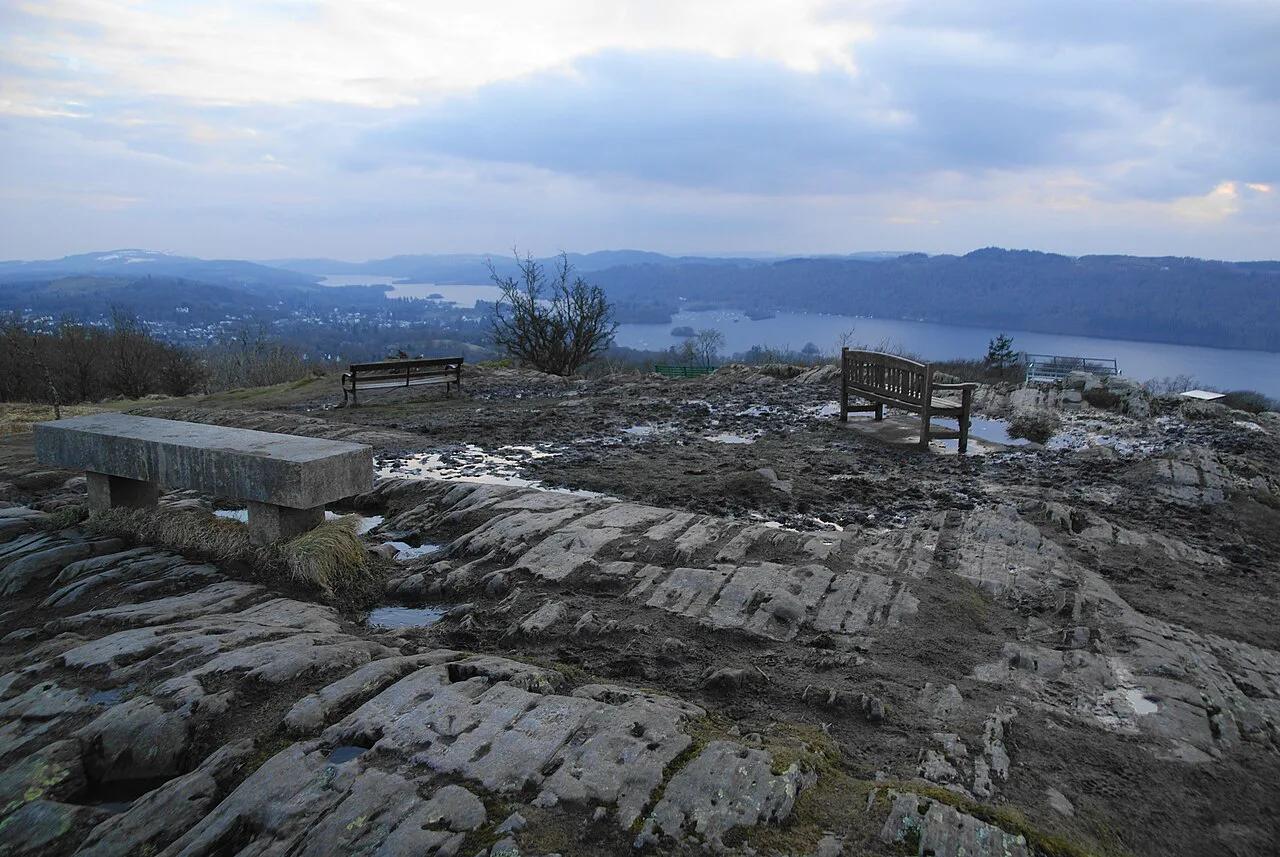
Orrest Head, Claife Heights and Gummer's How shouldn't all be treated as doorstep walks from Bowness. Use our Orrest Head planning guide if the viewpoint is your priority. Bowness and Windermere town are different starting points, so include the link between them in your timing. Across the water, our Claife Heights guide is a useful next step. Decide how you'll cross and return before choosing a walking line. For a separate transport-based trip, read about walking up Gummer's How. Fell Foot is another place to research near the southern end of Windermere, rather than a Bowness town stroll. Its National Trust visitor page is the starting point for visit details.
Crossing to Claife: Chain Ferry or Passenger Boat?
For a Claife outing, check exactly which boat you plan to use, because different crossings can leave from different places. The Windermere Ferry is the cable-guided vehicle ferry that also takes foot passengers. It runs between Ferry Nab, south of Bowness town centre, and Ferry House on the western shore, on the Far Sawrey side. You need to walk to Ferry Nab first; it doesn't leave from the main Bowness piers.
On the western side, Claife Viewing Station is a National Trust site near the ferry landing. It can make a shorter objective if you don't want to continue onto higher ground. Reaching the viewing station isn't the same as completing a walk over Claife Heights, so plan and time these separately. Expect steps or slopes unless current access information for your route says otherwise.
Windermere Lake Cruises is the operator to check for passenger boats from Bowness. Confirm that the sailing you choose serves your intended landing on your date, rather than assuming every cruise stops on the western shore.
- Before leaving: check Westmorland and Furness Council's current chain ferry service updates. Maintenance, faults, weather or lake levels can interrupt crossings.
- On the day: note the last return from the same landing, and allow time to walk back to it.
- Fallback: if the crossing isn't running, switch to a walk on the Bowness side unless you have a fully planned alternative in both directions. The road journey around the lake is much longer than the crossing.
- Road safety: vehicles use the ferry and its approach roads, so keep children and dogs close while waiting, boarding and walking away from the landing.
Match Your Walk to Time, Effort and Access
Short on time? Compare the whole outing, from your door and back again. A walk with a brief summit section can still take longer once you add the approach, waiting and return. For views, weigh the climb and ground conditions against the reward. Low cloud can remove much of the reason for choosing a viewpoint. Families and dog owners should judge the specific line rather than the place name. One path to a destination may include obstacles that another approach avoids.
- Wheelchair users: look for stated gradients, widths, surfaces, barriers and the condition of the full return route.
- Pushchairs: rule out steps and stiles, then check gates, rough ground and steep sections.
- Young children: consider road crossings, drops, climbing and places where you can turn back.
- Dogs: check livestock areas, stiles, road sections and any rules on your chosen transport.
- Limited daylight: set a turnaround time before you leave and keep to it.
Getting to the Start and Back
Walking directly from Bowness removes the risk of missing a ride at the start or finish. Options involving a bus, boat or car need a return plan before you set off.
- Bus: use the operator's current timetable for both directions, including the last useful return.
- Boat: check the boarding point, landing point, sailing dates and final return with the operator. A scenic cruise won't necessarily connect with your walk.
- Car: confirm that you can park at your intended start and stay for the whole outing.
- One-way walk: arrange the journey from the finish before you leave Bowness.
- Timing: count walking, travel and waiting separately.
Costs, Weather and Checks Before You Go
A walk starting at your Bowness accommodation needs no transfer fare, unlike an option using paid transport or parking. Get current charges from the transport or car park operator, and opening times from any venue you plan to visit.
- Weather: read the Mountain Weather Information Service forecast for upland conditions, alongside a local forecast for Bowness.
- Winter: allow for short daylight, wet or icy ground and possible changes to seasonal transport.
- Access: look for current closures and diversions on your exact route.
- Kit: wear footwear with grip, and carry warm and waterproof layers, a map and a charged phone. Take a torch if your return could run late.
- When to postpone: change your plan if strong wind, poor visibility, ice or heavy rain makes your chosen ground unsuitable for your group.
- Common planning mistake: check whether a quoted distance or time includes the walk back and the journey from Bowness.
Notes for your next walk
Optional updates to our Lake District walking guides.