Best Time to Visit the Lake District: Season Guide
Last updated November 2026. For many travellers, the best time to visit the Lake District is late spring, meaning May or early June, when long days give plans more room. Choose summer for school-holiday trips, autumn for seasonal colour, or winter if short days suit a slower break. None of these promises dry weather, quiet places or low prices.
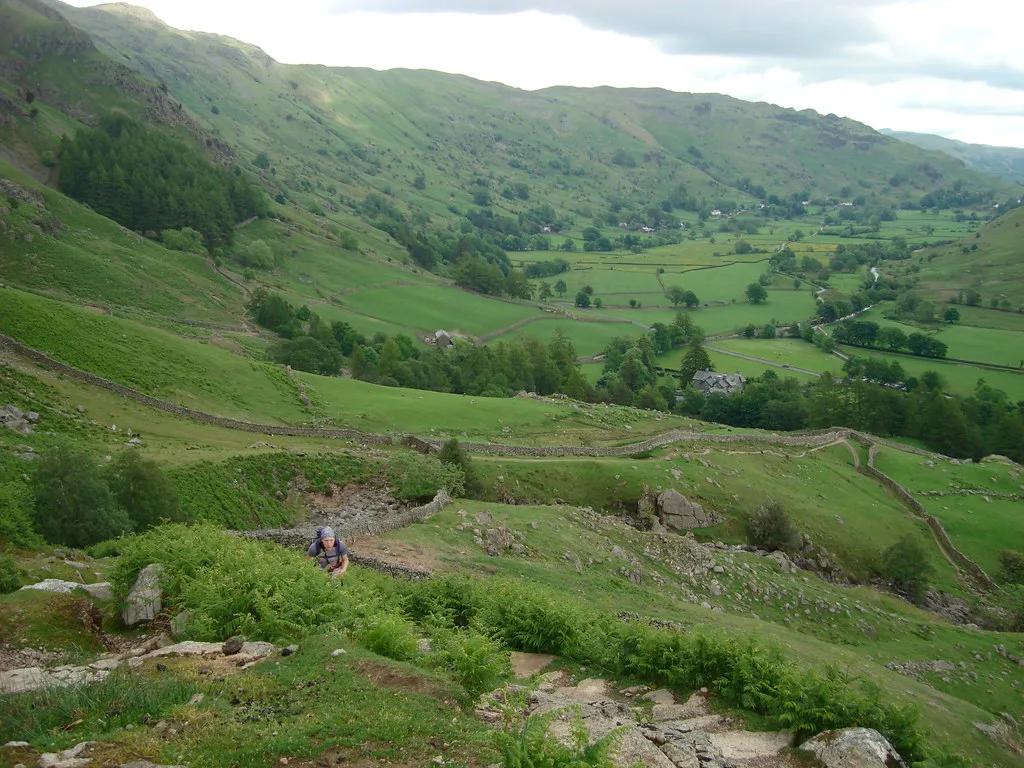
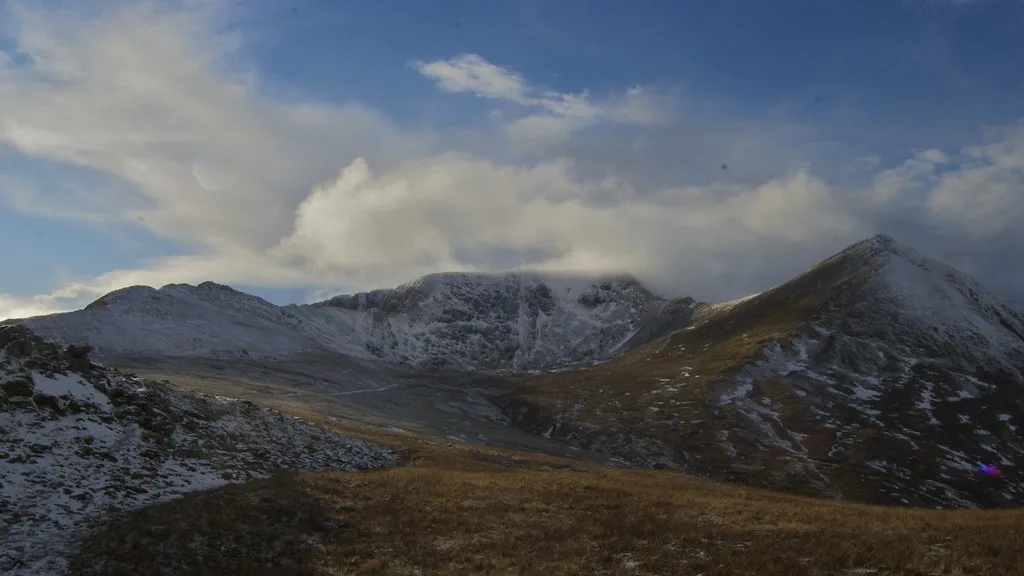
Featured image: Mikey Bean, CC BY 2.0, via Flickr.
When is the best time to visit the Lake District?
Start with your main priority, then accept its compromise. Late spring is our editorial starting point for daylight and general walking. It loses some appeal if your dates fall on busy holiday weekends.
| Your priority | When to consider | Main benefit | Main compromise | Look at before booking |
|---|---|---|---|---|
| Higher-level walking | May to September | More daylight than midwinter | Summit weather can still stop plans | Route options and lower alternatives |
| Easier outings | April to September | Longer days for an unhurried pace | Rain and soft ground remain possible | Path surface, gradient and parking |
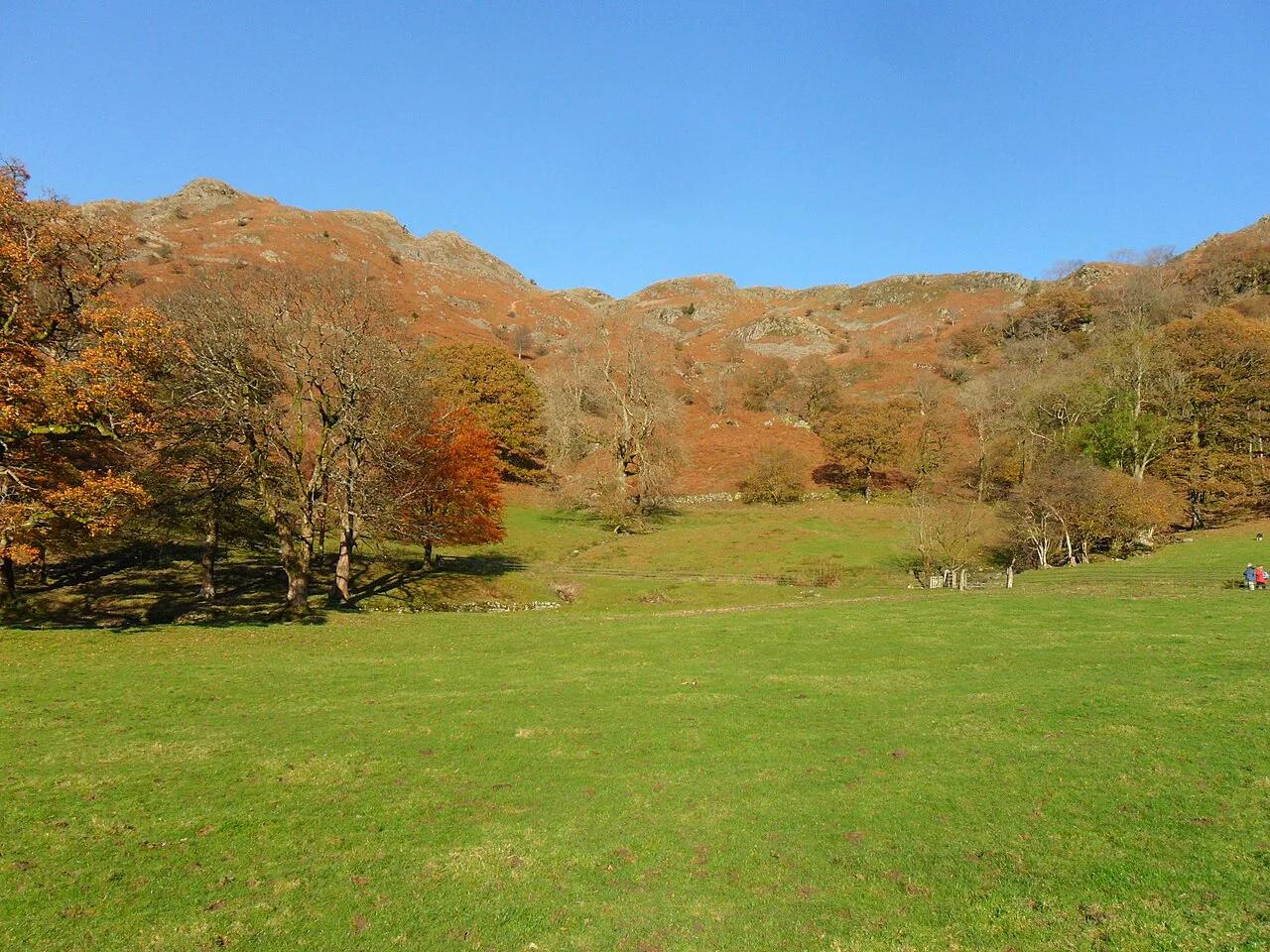
| Seasonal scenery | October to early November | Chance of autumn colour | Colour timing varies and days are shortening | Flexible dates and daylight |
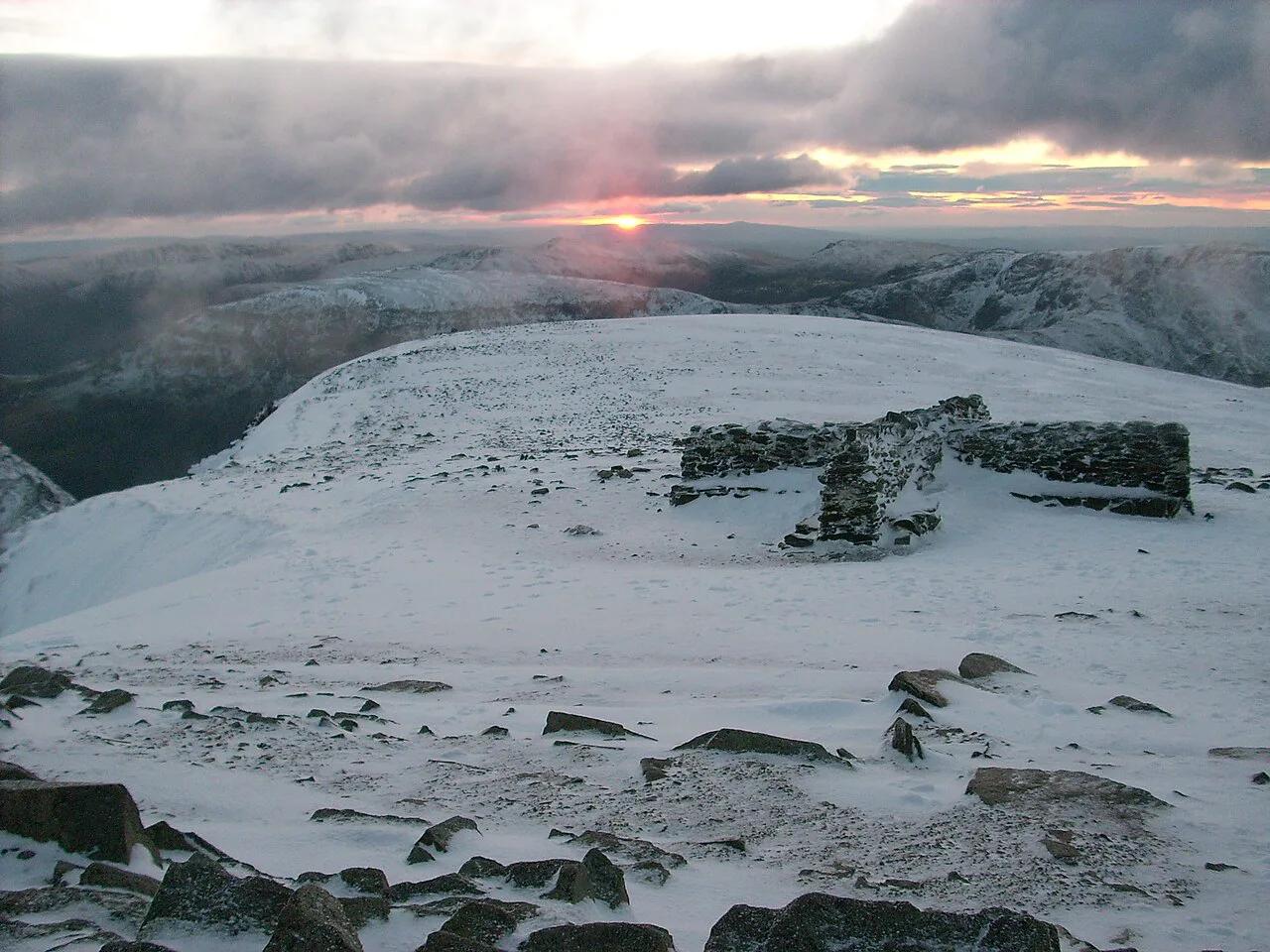
| Photography and sunrise | Autumn or winter | Later sunrises than in June | Cold, dark approaches or cloud | Sunrise time, access and forecast |
| Fewer crowds | Term-time weekdays outside summer | May avoid some holiday demand | Quiet is not assured and services may differ | Local events and opening dates |
| Value | Compare several months | Shows differences for your own stay | Off-peak may not cost less | Total price and cancellation terms |
| School-holiday family trips | Your school's break | Fits the school calendar | Demand may be higher | Accommodation, parking and transport |
| Travel without a car | Dates with suitable timetables, often worth comparing in summer | Longer days around connections | Summer services and space are not guaranteed | First and last connections |
How to choose your Lake District dates
Decide what would spoil your trip. A walker may care most about summit wind, while a family may be tied to term dates. Daylight is predictable for a given date and place, but weather is not. Britain's longest days fall around 21 June and its shortest around 21 December.
Set personal comfort limits too. As an example, you might want a valley forecast near 10°C (50°F) for picnics, or find a walk too warm at 20°C (68°F). These are sample preferences, not local averages or safety limits.
Spring, summer, autumn and winter compared
Here, spring covers March to May and summer covers June to August. Autumn runs from September to November, followed by winter from December to February. Months within one season can feel different for planning. March has less daylight than late May, and early September has more than November.
See our guides to spring in the Lakes for that shoulder period. For school-break planning, read about Lake District summer trips. Colour chasers can explore autumn in the Lakes. Cold-season travellers can plan around winter's shorter days.
| Season | Who it suits | Who may prefer another time | Benefit | Compromise | Access or booking check |
|---|---|---|---|---|---|
| Spring (March–May) | Walkers wanting lengthening days | Anyone needing settled warmth | Daylight grows through the season | Changeable conditions; holiday demand | Easter and May bank holiday dates |
| Summer (June–August) | School-holiday families and long-day planners | Travellers avoiding peak holidays | Long days, especially in June | Possible pressure on rooms and parking | Availability and transport space |
| Autumn (September–November) | Colour seekers and flexible visitors | People wanting long evenings | Seasonal colour | Daylight falls quickly | Timetable and opening-date changes |
| Winter (December–February) | Short-outing and slower-break travellers | Those planning long days outside | Later sunrises | Short days and possible ice or snow | Roads, reduced services and closures |
Weather and daylight: what makes a usable day
Look beyond the headline temperature. Rain, wind, cloud, daylight and ground conditions all affect what you can comfortably do. A valley forecast does not describe a summit. For higher ground, use the specialist mountain weather forecast close to your outing.
Water freezes at 0°C (32°F), so a forecast near that point should prompt you to consider ice. A milder valley reading does not rule out freezing conditions higher up. Our guide to weather for Lake District walkers helps you plan around these differences. Historical averages can inform date choices, but they cannot forecast your day.
Best time for Lake District walking and photography
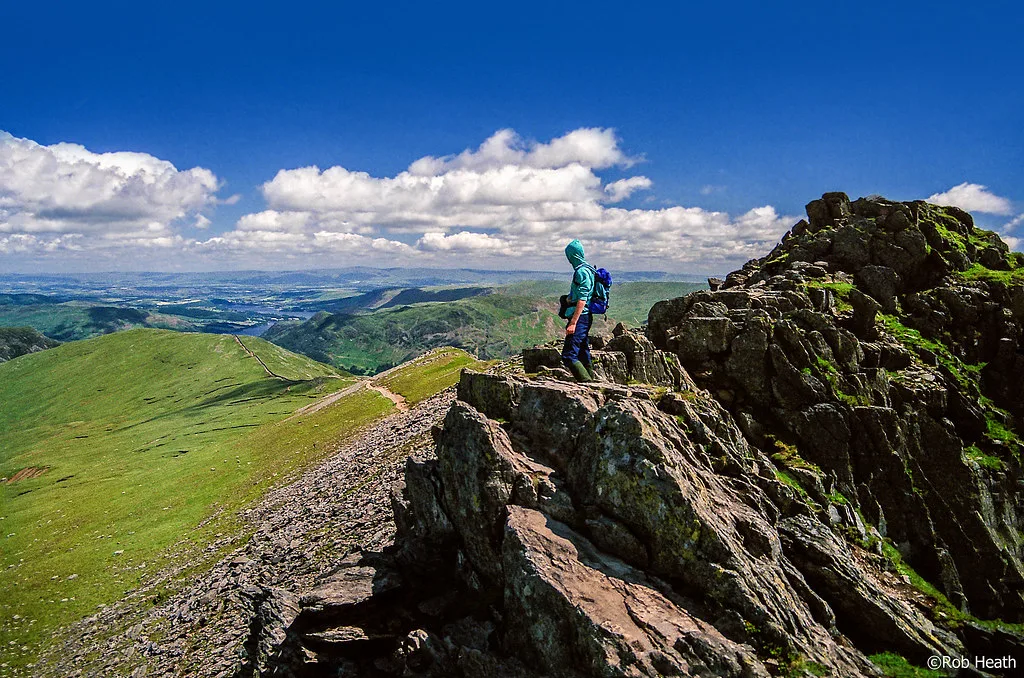
For higher routes, May to September gives you more daylight than the winter months. No month makes a fell route safe. Match the route to your group's experience, equipment and navigation skills. Set a turnaround time and a lower alternative before leaving. Read safety information from the Lake District mountain rescue association while preparing. In an emergency in the UK, call 999, ask for the police and then request mountain rescue.
June's very early sunrises fall close to the year's longest day, around 21 June, so dawn outings start with more daylight than in winter.
Low-level walks can offer more flexibility, although flooding, mud, ice or fallen trees may still affect them. For a woodland option, look at Forestry England's Grizedale information before travelling.
Photographers face a different trade-off. June brings very early sunrises, while autumn and winter allow later starts. You may still need to walk in darkness. Our sunrise walk planning guide covers this style of outing. Cloud can hide the view in any season.
Lake District crowds and costs by season
Expect possible pressure around weekends, Easter, May bank holidays and school breaks. In England, the main summer school holiday usually falls across late July and August. Home-area calendars can differ. A term-time weekday is worth considering, but local events can change demand.
Check the 3 nights you plan against room, parking and transport gaps before booking, since a small nightly difference grows fast.
Compare the same room type, party size, stay length and cancellation terms. Here is a hypothetical calculation, not a real quote or typical Lake District rate. A room at £90 in March and £150 in July would differ by £60 a night. Across 3 nights, that gap would be £180. Your own quotes could show a smaller difference, none at all or the reverse. Add parking and transport before deciding which dates offer better value.
Getting there and around by season
Your base matters as much as your month. Map the link between your accommodation and each activity before booking. With a car, allow for traffic and a full car park. Choose a permitted alternative rather than parking on verges or blocking access.
Without a car, check operator timetables for your exact date. Focus on the first outward service, the last return and any transfer between them. Seasonal services may be reduced or absent, and planned works can alter connections. Rain, flooding, snow or ice can also disrupt road travel.
For property visits, use National Trust Lake District information as one planning source. Opening arrangements can vary by place and date. Keep one backup near your base, so a missed connection or closed road does not decide the whole day.
Final date-choice checklist
Choose dates that still work if your first-choice outing is cancelled. Flexible travellers can move a higher walk to the most suitable day of their stay. Fixed-date visitors need a lower or indoor alternative.
- Before booking: choose your top priority and the compromise you can accept.
- Before booking: compare school and public holidays, total costs and cancellation terms.
- Before booking: test whether your base works with your parking or public transport plan.
- Shortly before travel: check timetables, planned works, openings and road updates.
- On the day: read the valley and mountain forecasts that match your plans.
- On the day: compare daylight with your route length, pace and return connection.
- On the route: turn back or switch plans if conditions exceed your group's ability.
Frequently Asked Questions
What is the best month to go to the Lake District?
May is a strong first choice if you want long days before the main summer school break. Bank holidays can affect demand, and fine weather is never assured.
How many days should you spend in Lake District?
As an editorial guide, consider at least 3 full days. That leaves some room to rearrange outings around poor weather, especially if you stay in one base.
Explore More Guides
Keep planning your trip with these guides.
Guides
- Lake District in Autumn: Colours, Walks and Planning Tips
- Lake District in Winter: Things to Do and Planning Tips
- Lake District in Spring: What to Do and How to Plan
- Lake District in Summer: Weather, Crowds & Where to Go
- Lake District Weather for Walkers: What to Check
- Lake District Sunrise Walks: Routes and Planning Tips
Notes for your next walk
Optional updates to our Lake District walking guides.