Lake District in Spring: What to Do and How to Plan
Last updated November 2026: the Lake District in spring suits flexible walkers and sightseers, but mild valleys can coexist with wintry fell tops. Choose March, April or May around your dates and daylight needs, then keep a low-level or indoor backup for poor weather. Families and car-free visitors can make it work with a compact plan built around one base.
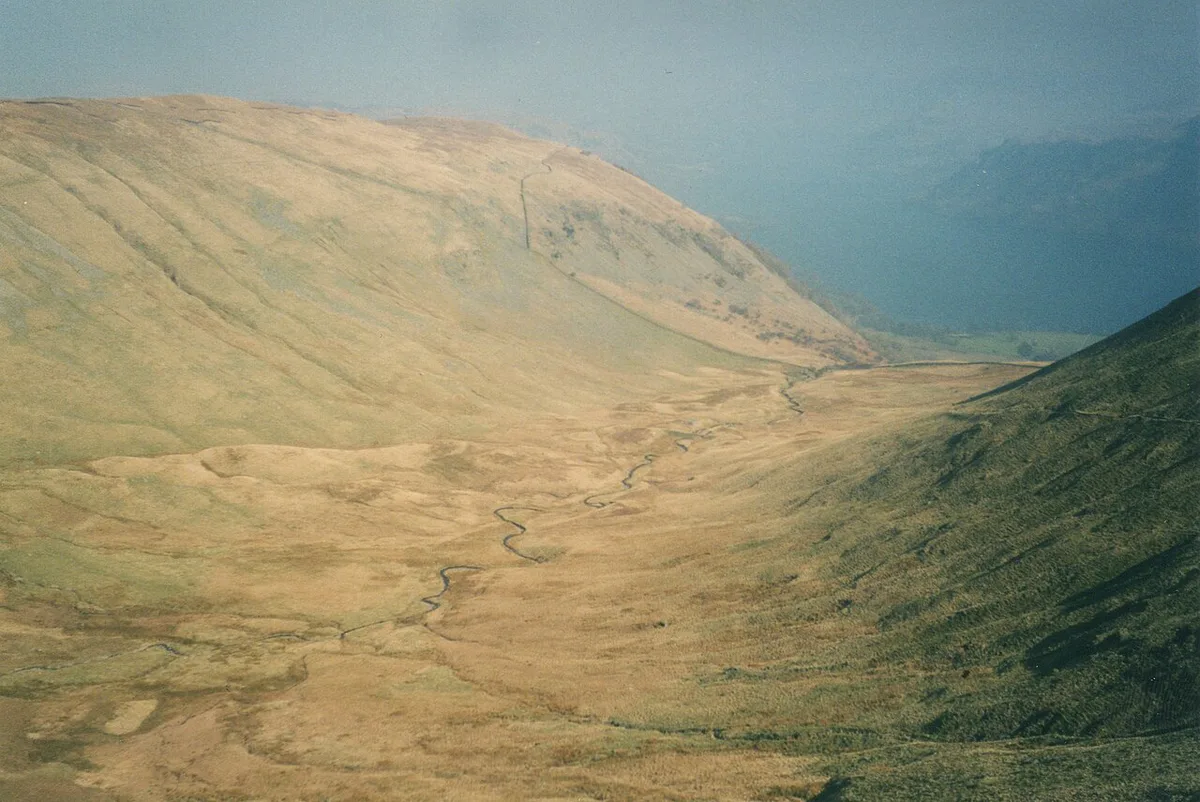
Featured image: Ian Greig, CC BY-SA 2.0, via Wikimedia Commons.
Is the Lake District in spring a good time to visit?
Spring works well when you can change plans at short notice. For the wider trade-offs, see our comparison of visiting seasons. If settled long days matter most and you can wait, compare a summer Lakes trip. Later travellers can also weigh the autumn alternative.
- Good fit: you want lake and valley days, with higher walks only when conditions allow.
- Good fit: you can swap days around or move part of a day indoors.
- Think twice: your whole trip depends on reaching one summit on one date.
- Think twice: you need quiet holiday periods or guaranteed flower and wildlife sightings.
- Plan carefully: you are travelling with young children or relying entirely on public transport.
Season comparison: March, April or May?
No single month wins for every trip. For your travel year, compare daylight, school holidays, bank holidays and seasonal service dates. GOV.UK lists bank holidays, while council calendars show school breaks. Early spring plans may also benefit from our guide to wintry Lakes trips.
A March or April visit with a dog falls inside the window when leads are required, running from 1 March to 31 July.
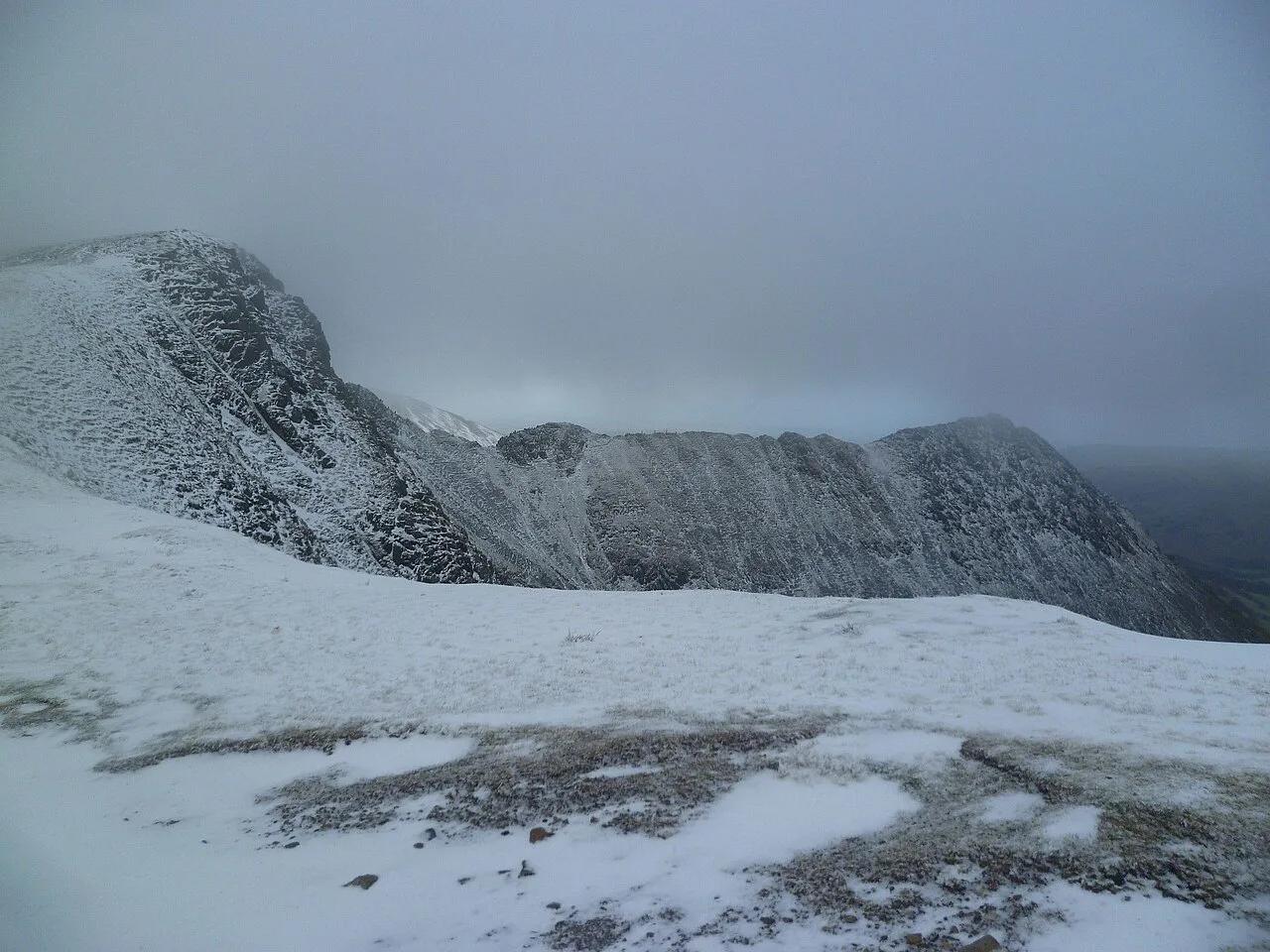
Water freezes at 0°C (32°F), so a high-ground forecast near that point calls for thought about ice. A comfortable town reading cannot tell you what summit paths are like.
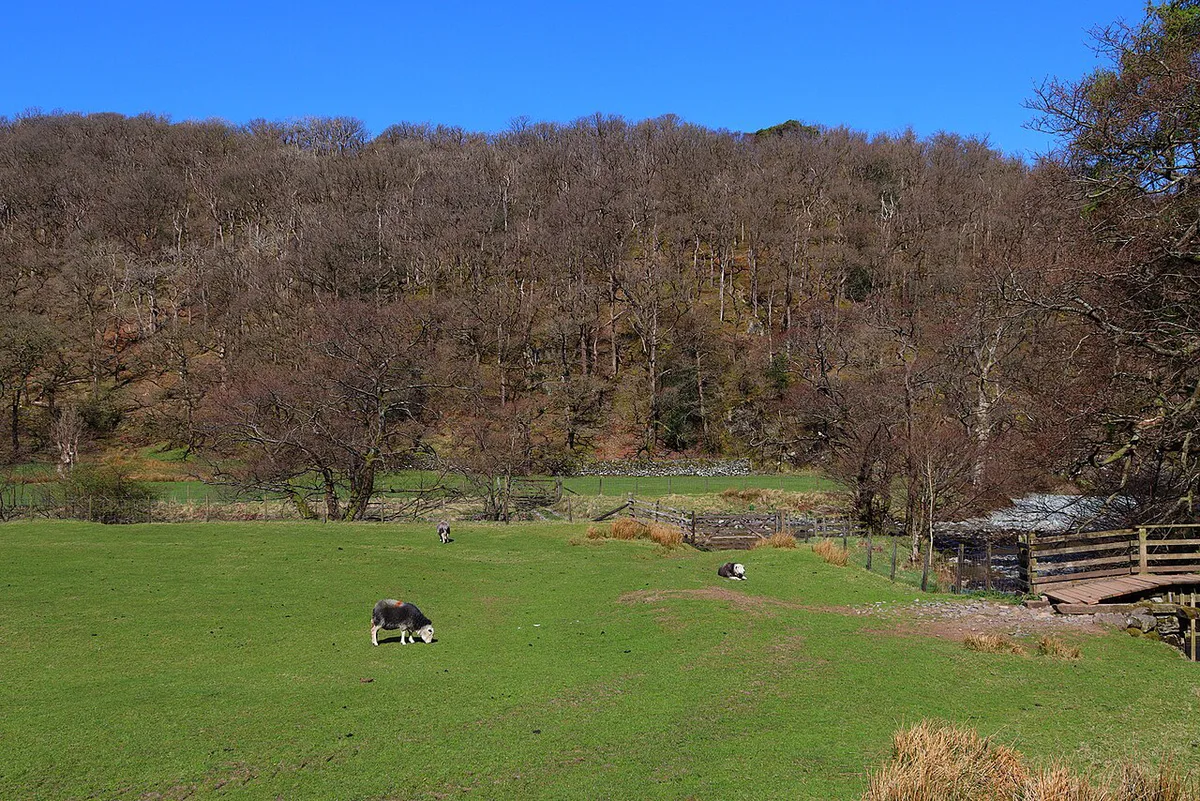
Spring also matters for dog owners. Under the Countryside Code, dogs on open access land must be on leads from 1 March to 31 July. Keep them on a lead around livestock, and leave gates as you find them. Local signs may set further restrictions.
| Month | Conditions to check | Plans it may suit | Access or booking checks | Main trade-off |
|---|---|---|---|---|
| March | Daylight, summit temperature, ice and any lying snow | Flexible valley days; fells only with suitable conditions and skills | Whether seasonal boats, buses and venues have started | Wintry high ground may narrow your options |
| April | Mountain wind, rain, visibility and cold | Mixed lake, walking and indoor days | Easter dates, school breaks, rooms and parking | Holiday timing may reduce flexibility |
| May | Daily forecast, daylight and ground conditions | Longer outings when the forecast and your fitness support them | Both bank holiday weekends and half-term dates | Popular dates may need earlier planning |
Things to do in spring, by trip style
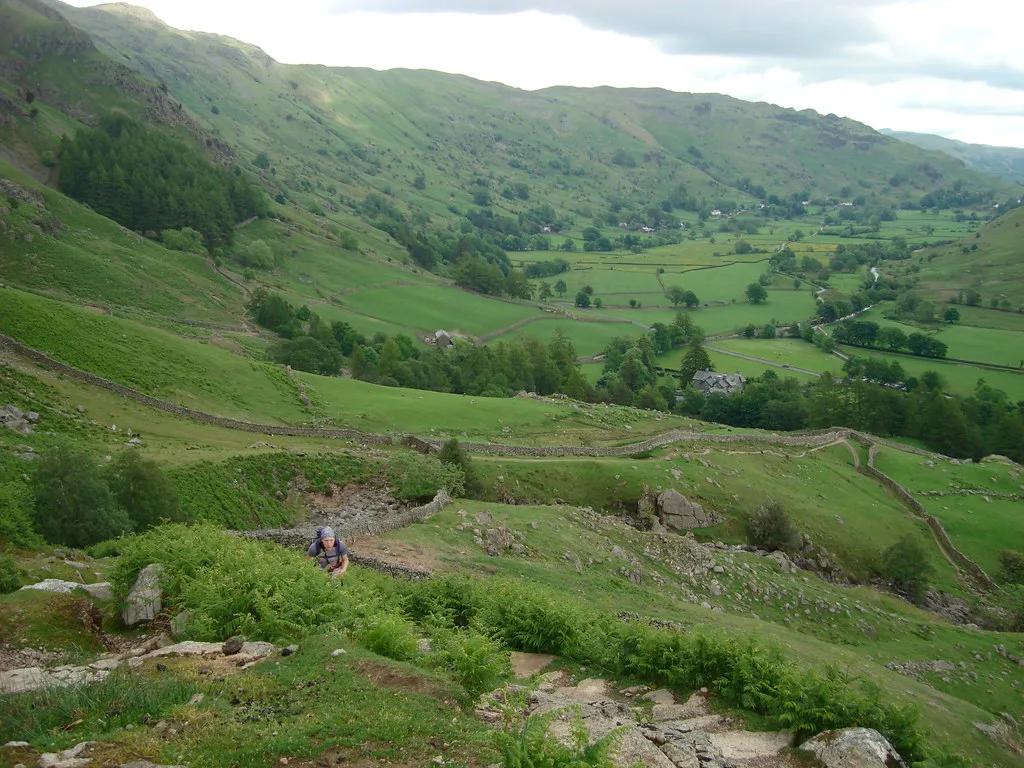
Pick 1 main activity each day, then add something short nearby. On Windermere, you can pair time around Bowness with a cruise or hired boat when services are running. Around Derwentwater, Friar's Crag offers a shorter shoreline outing from Keswick. A full circuit asks much more of your legs and daylight, and published visitor estimates of its distance differ. Measure your intended route on a current map and look for path notices.
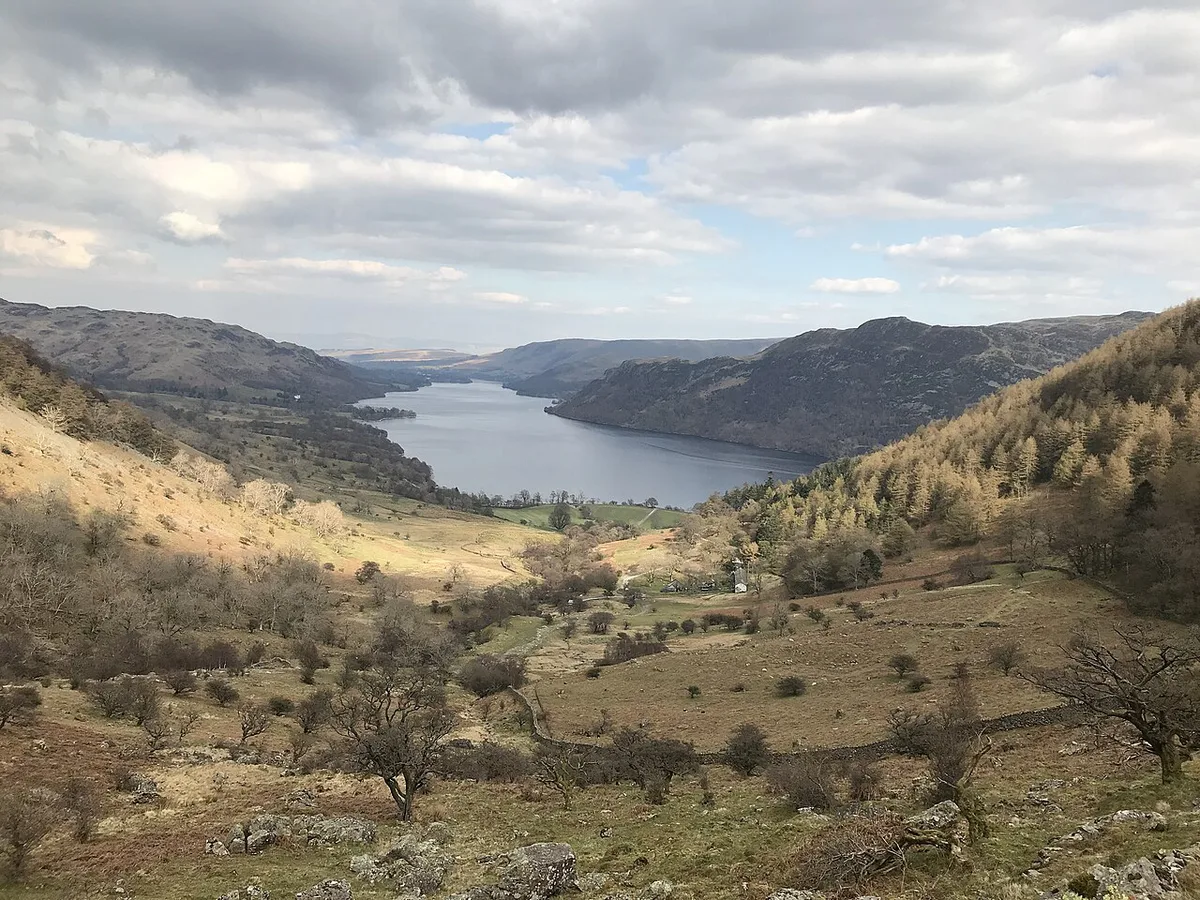
Boat outings depend on services running on the day. Water below 15°C (59°F) counts as cold water, so a lake cruise still needs care.
Orrest Head near Windermere and Cat Bells above Derwentwater are different propositions, so assess each route's ascent, terrain and descent separately. For an early start, use our dawn walk ideas after comparing sunrise time with the mountain forecast. Lodore Falls can add a waterfall stop near Derwentwater, although water flow is not guaranteed.
For property visits, browse the National Trust's Lake District places and read each site's visitor details. For a woodland option, see Forestry England's Grizedale information. Families can consider The World of Beatrix Potter in Windermere. Ask the venue about booking, buggy access and busy periods.
| Activity | Effort and time | Weather dependence | Access friction | Who may skip it |
|---|---|---|---|---|
| Cruise or boat hire | Usually less walking; time depends on the service | Wind and operating conditions matter | Season, piers and tickets | Anyone needing a guaranteed sailing |
| Short shoreline outing | Flexible if you turn back | Rain and flooding can affect comfort or access | Path surface and return route | Visitors wanting a summit |
| Full Derwentwater circuit | Major walking commitment | Wet ground and daylight matter | Path notices and exit options | Anyone with limited stamina or time |
| Fell walk such as Cat Bells | Climbing and descending; check the exact route | High | Terrain, parking or bus access | Anyone uneasy on steep or rocky ground |
| Waterfall stop | Depends on the chosen approach | Wet surfaces matter | Path access and parking | Anyone unable to manage the approach |
| Family indoor attraction | Light activity; allow for waiting | Useful in rain | Booking, access and crowding | Adults with little interest in the theme |
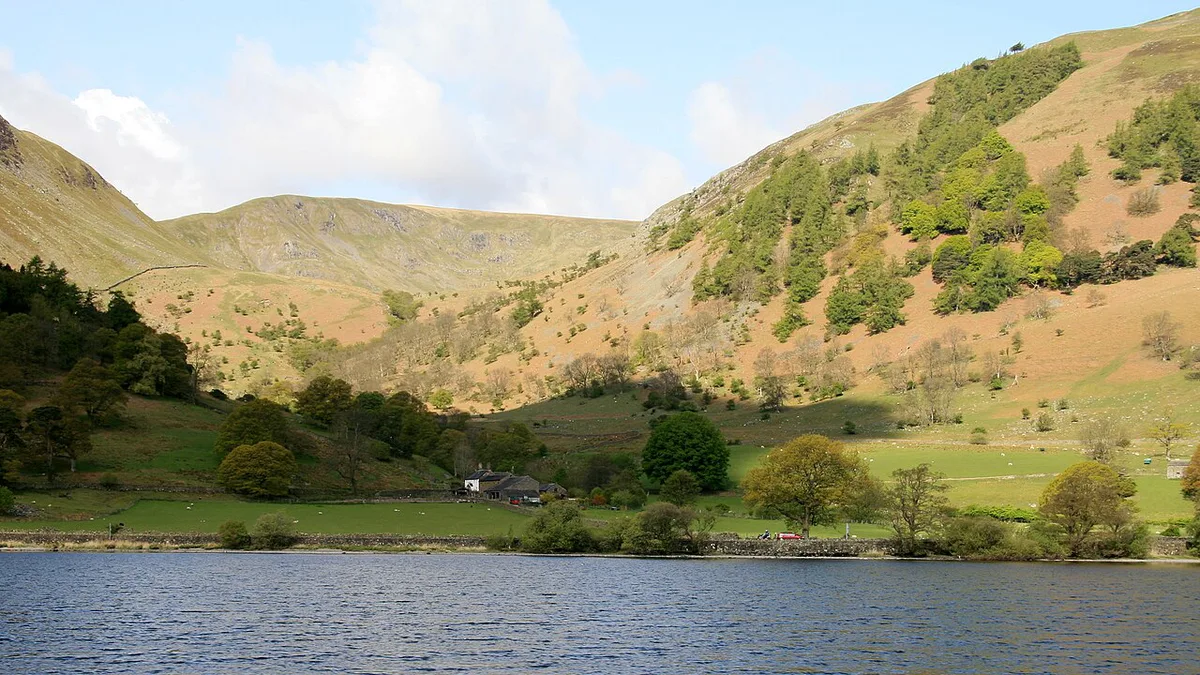
Wet, cold or windy day? How to change your plan
Read the Mountain Weather Information Service forecast for high ground, and use a separate local forecast for towns. Our walkers' weather guide covers interpretation in more detail. Pack grippy footwear, warm layers, waterproofs, a map, a compass and a light, and know how to navigate without phone signal. Set a turnaround time that protects your daylight.
Cold water is a separate risk from mild air. The RNLI describes water below 15°C (59°F) as cold water that can seriously affect breathing and movement. Sunshine on shore is no reason to take an unplanned swim.
Read safety advice from Lake District mountain rescue teams before a fell day. In a mountain emergency, call 999, ask for the police and then request Mountain Rescue.
- Go as planned: the mountain forecast, route, equipment, daylight and your group's experience all fit.
- Switch lower: wind, visibility, rain or cold makes the high route unsuitable. Check the replacement path too, especially for flooding.
- Move indoors: choose an open venue near your base when exposed or waterside plans lose their appeal.
- Postpone: warnings, ice, snow or travel disruption exceed your skills or break your return plan. At 0°C (32°F) or below, consider the ice risk carefully.
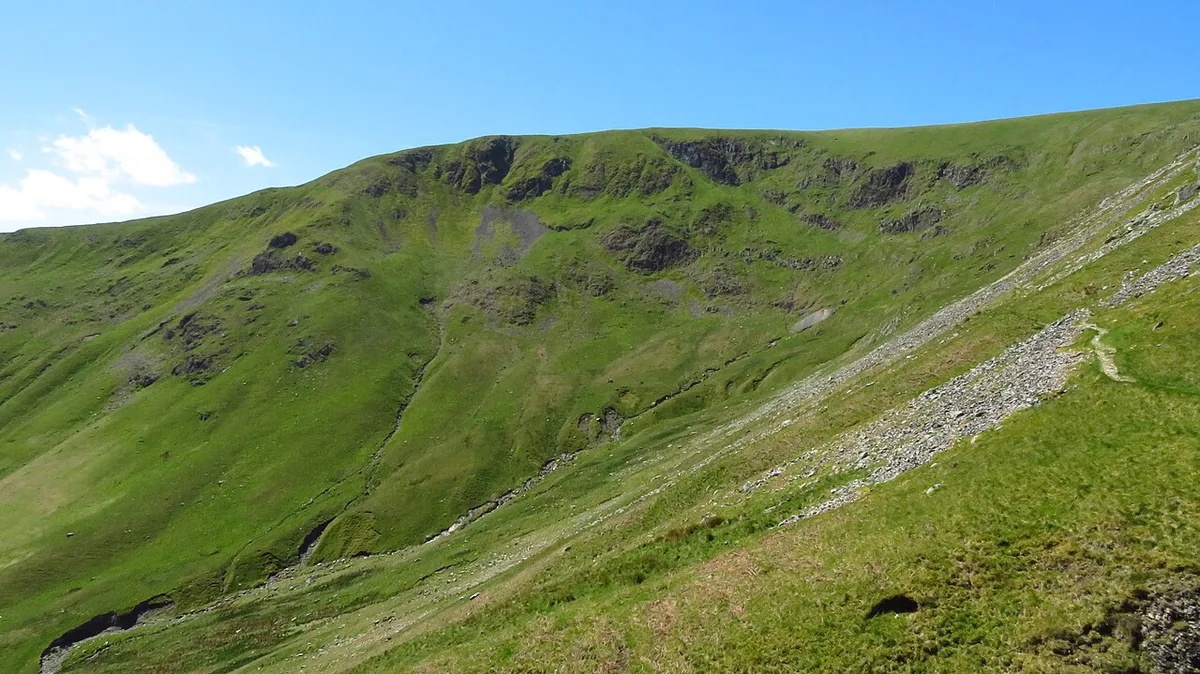
Where to base yourself and how to get around
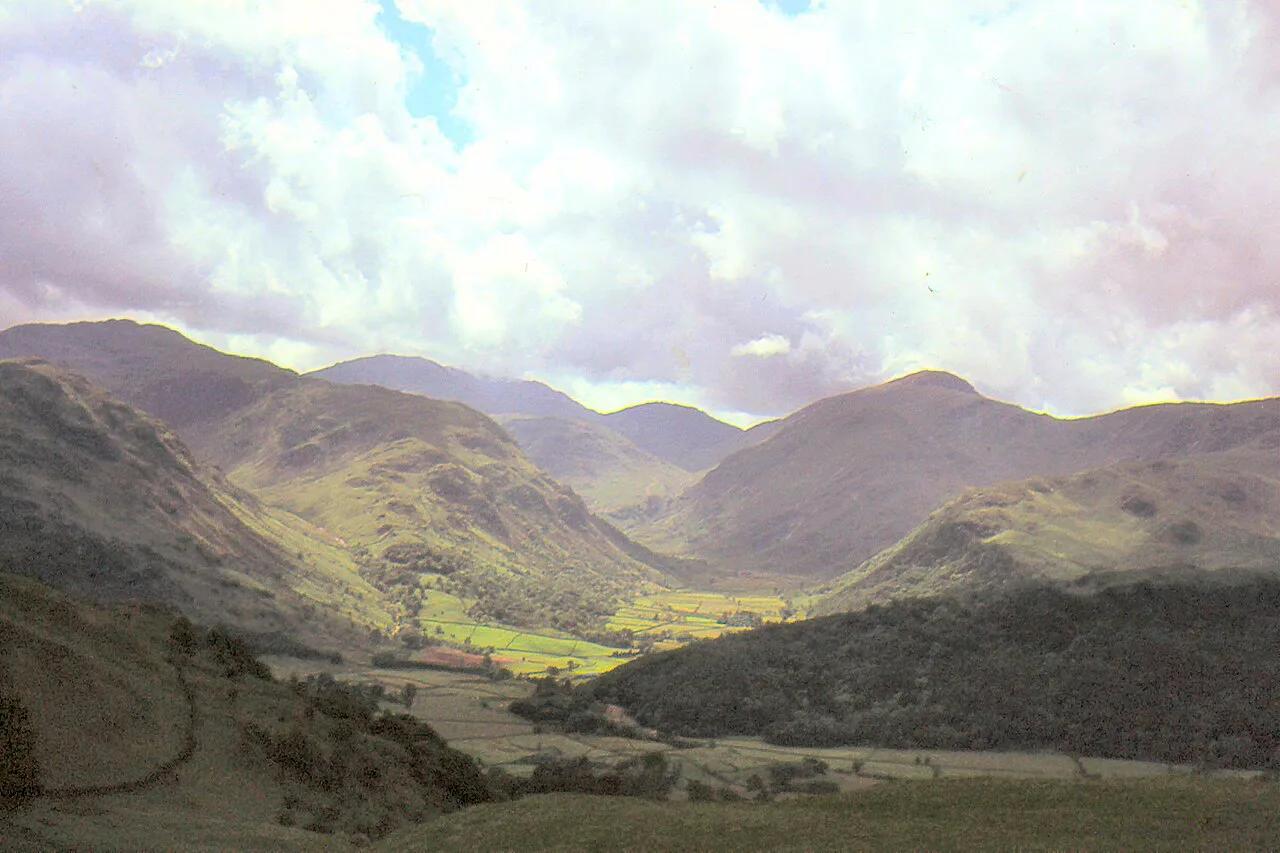
Choose your base around the days you most want. Windermere and Bowness are natural starting points for that lake, but they are separate places, so note where your room is. Ambleside and Grasmere suit plans focused on their surrounding valleys. Keswick makes sense for Derwentwater and Borrowdale.
Car travel gives route flexibility, yet a full car park can disrupt your day, so name a fallback before leaving. Without a car, build outward from current rail, bus and boat timetables. Work backward from the last return service. Avoid crossing the district for a second activity unless both journeys fit comfortably.
| Base | May suit | Activity access to plan | Public transport to compare | Parking trade-off | Look elsewhere if |
|---|---|---|---|---|---|
| Windermere / Bowness | Lake outings and a rail-linked start | Bowness lakefront and Orrest Head | Rail at Windermere, local buses and lake boats | Ask what your room includes | Keswick is your main focus |
| Ambleside | Walkers combining villages and lake time | Nearby valley routes and northern Windermere | Buses and lake boats | Confirm space before arrival | You want a rail station in your base |
| Keswick | Derwentwater-focused stays | Friar's Crag, lake outings and Borrowdale plans | Buses and Derwentwater boats | Compare room parking with public car parks | Windermere is your daily priority |
| Grasmere | A village-centred walking stay | Nearby valley walks | Current bus connections | Ask about on-site spaces | You want frequent moves between distant areas |
How long to stay and sample spring plans
For 1 day, stay around either Bowness or Keswick and choose a lake activity plus a short walk. With 2 days, give your preferred walk the better forecast and use the other for a lake or village plan. A 3–4 day stay offers more room to reshuffle without chasing every well-known stop.
- 1 day, Keswick: Friar's Crag and the shore; swap to an open indoor option in town if conditions deteriorate.
- 2 days, Windermere: day 1 around Bowness; day 2 for Orrest Head. Swap either for The World of Beatrix Potter, subject to availability.
- 3–4 days, Keswick: separate a Derwentwater day, a Borrowdale day and a flexible fell day. Use any fourth day as weather cover.
Costs, booking and spring planning mistakes
Compare accommodation for your exact dates first, including parking and cancellation terms. Booking early can widen your choice, while a flexible rate may cost more but protect a changing plan. Using one base can cut travel and parking costs, although it limits how far you roam.
For an attraction price marker, an undated visitor review of Hill Top, Beatrix Potter's house, quotes £17 per adult and £8.50 per child. Treat those figures as a past report, not a current tariff or evidence of a spring price change. National Trust membership may suit repeat property visits. Compare its present terms with paying individually, including any parking benefit at places on your route.
Compare current boat, venue and car park charges directly with each operator. Before leaving, check the forecast, services, openings, parking and bookings.
- Do not use valley weather to judge conditions on the fells.
- Do not assume a seasonal boat or bus is already running.
- Do not overlook Easter, May bank holidays or school breaks.
- Do not leave without a second parking plan or a way home.
- Do not build the whole trip around a particular flower display, lamb sighting or wildlife encounter.
Notes for your next walk
Optional updates to our Lake District walking guides.