Lake District in Winter: Things to Do and Planning Tips
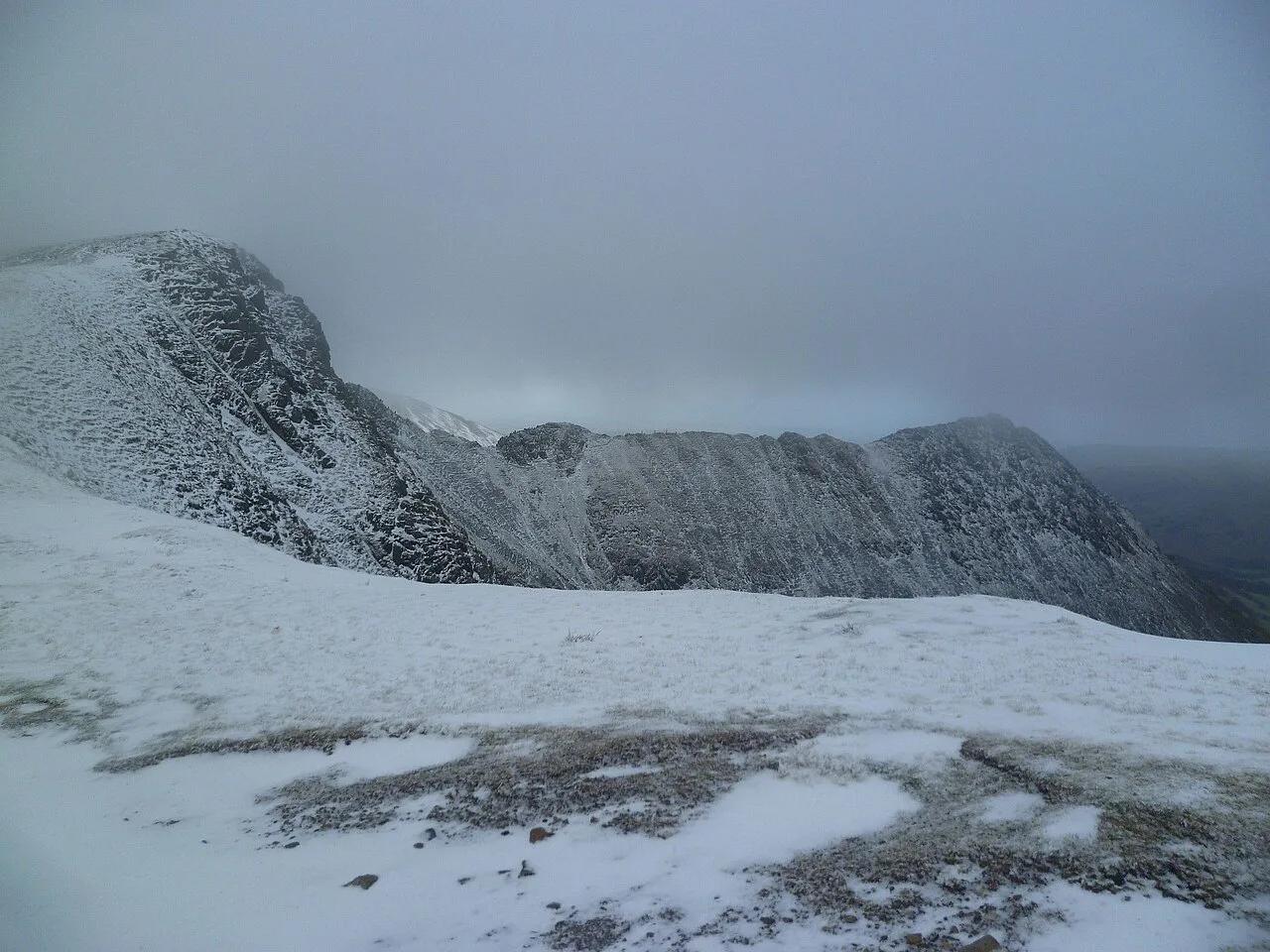
Last updated November 2026: you can walk in the Lake District in winter, but your objective must match the daylight, the conditions and your skills. Choose a shorter low-level route or an indoor plan when high ground is beyond your experience, equipment or available light. To weigh winter against other months, use our guide to choosing when to visit.
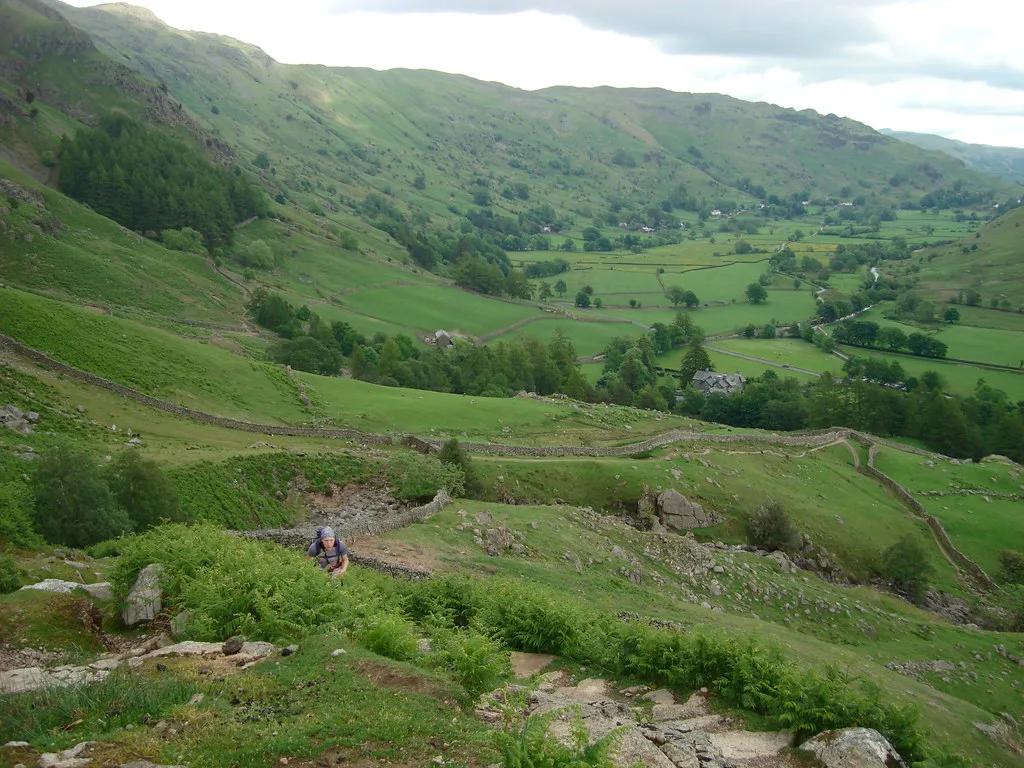
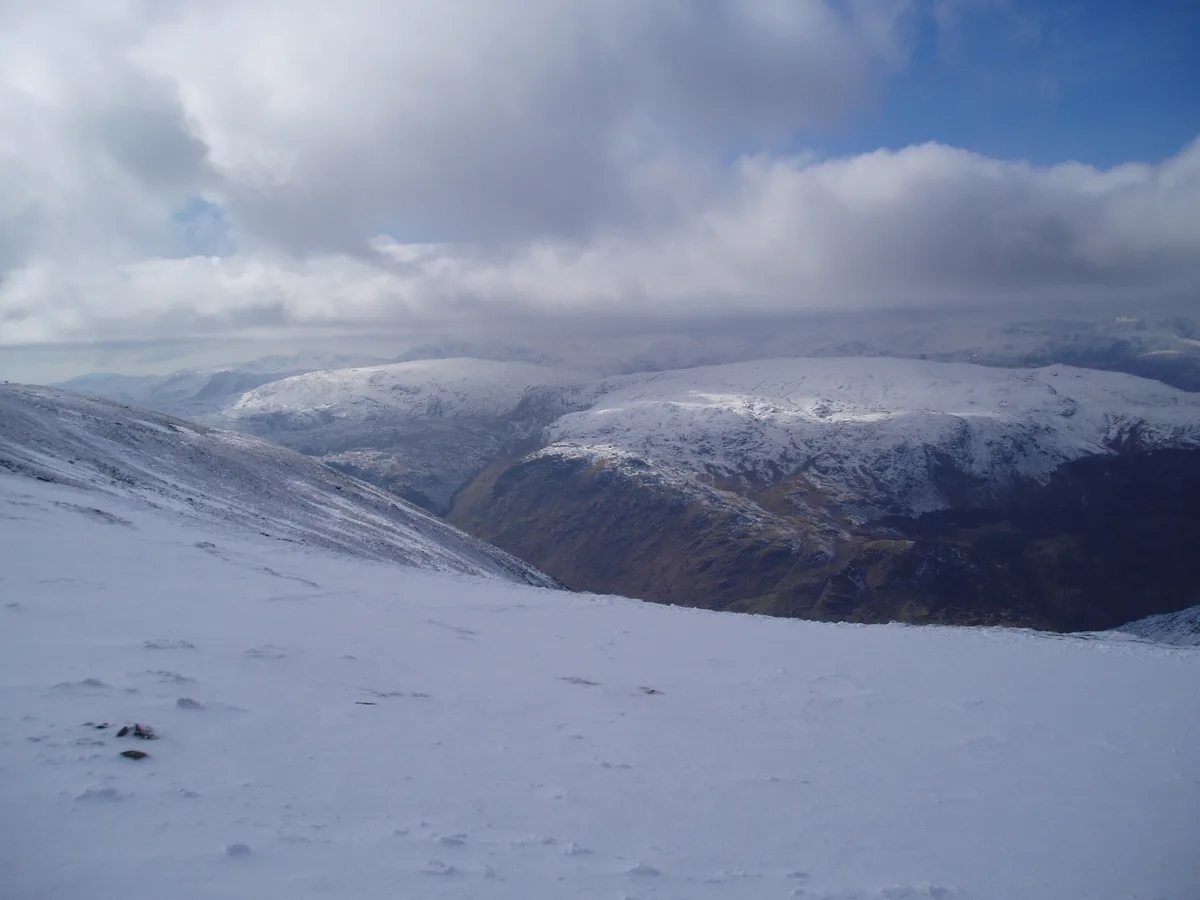
Featured image: Michael Graham, CC BY-SA 2.0, via Wikimedia Commons.
Is the Lake District in Winter Worth Visiting?
Yes, if you can start early, dress for poor weather and change plans without feeling the trip has failed. Wait for another season if your break depends on long walking days or fixed outdoor activities. Here, winter means December to February. Around 21 December, daylight is at its shortest, while late February gives you noticeably more. Holiday opening patterns may also differ from those in January or February.
First-time visitors and families can build each day around one modest outing. Skip an exposed route if anyone in your group lacks the clothing or stamina for it. Non-walkers need open indoor options within practical reach. Experienced hill walkers also need winter-specific skills when snow or ice is present. For earlier dates, compare an autumn visit.
| Season | Daylight for plans | Planning priority | Consider it if |
|---|---|---|---|
| Winter (December–February) | Shortest days | Weather, ice and early finishes | You can stay flexible |
| Spring (March–May) | Lengthening | Changeable conditions, including possible wintry weather on high ground | You want more light than midwinter |
| Summer (June–August) | Long, especially in June | Heat, rain and busy-period arrangements | You want longer outing windows |
| Autumn (September–November) | Shortening | Falling light and changing weather | You want to travel before winter |
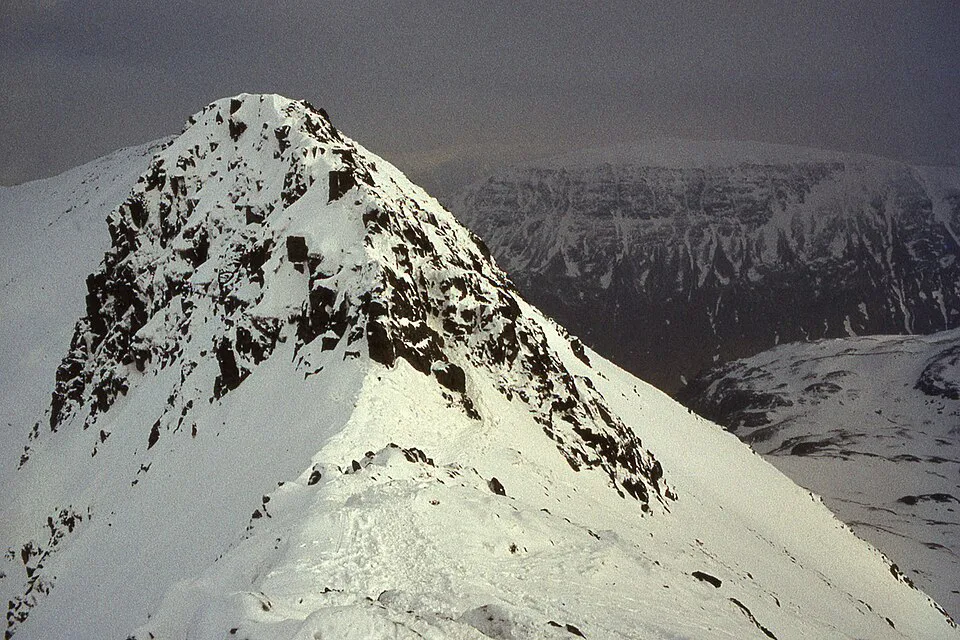
Winter Weather and Daylight: What Changes Your Plans
Rain, strong wind, low cloud, snow and ice can each call for a different plan. Neither snow nor clear views are guaranteed. A calm valley also tells you little about a summit. Use the Mountain Weather Information Service for upland conditions, alongside a local forecast for your base and journey.
Around 21 December the days are shortest, so set your turnaround time from sunset and note the last bus or boat before leaving.
Water freezes at 0°C (32°F), so look for ice when temperatures are near or below that point. As a cautious editorial planning trigger, a valley reading of 3°C (37°F) should prompt you to consider freezing conditions higher up. Even at 5°C (41°F), wind and wet clothing can leave you badly chilled. These figures are not seasonal averages or safety limits. Our guide to weather for Lake District walkers can help with the wider decision.
Look up sunset for your date, then set a turnaround time that protects the return. Put the activity that needs daylight first. Note your last bus or boat before setting out.
Things to Do in the Lake District in Winter
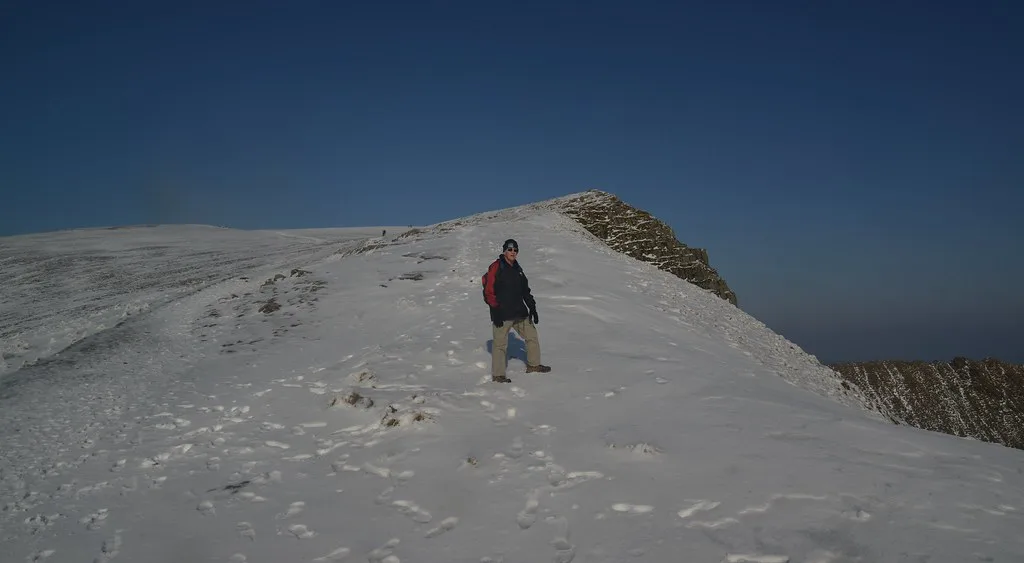
Match each activity to the day's conditions and the least experienced person in your group.
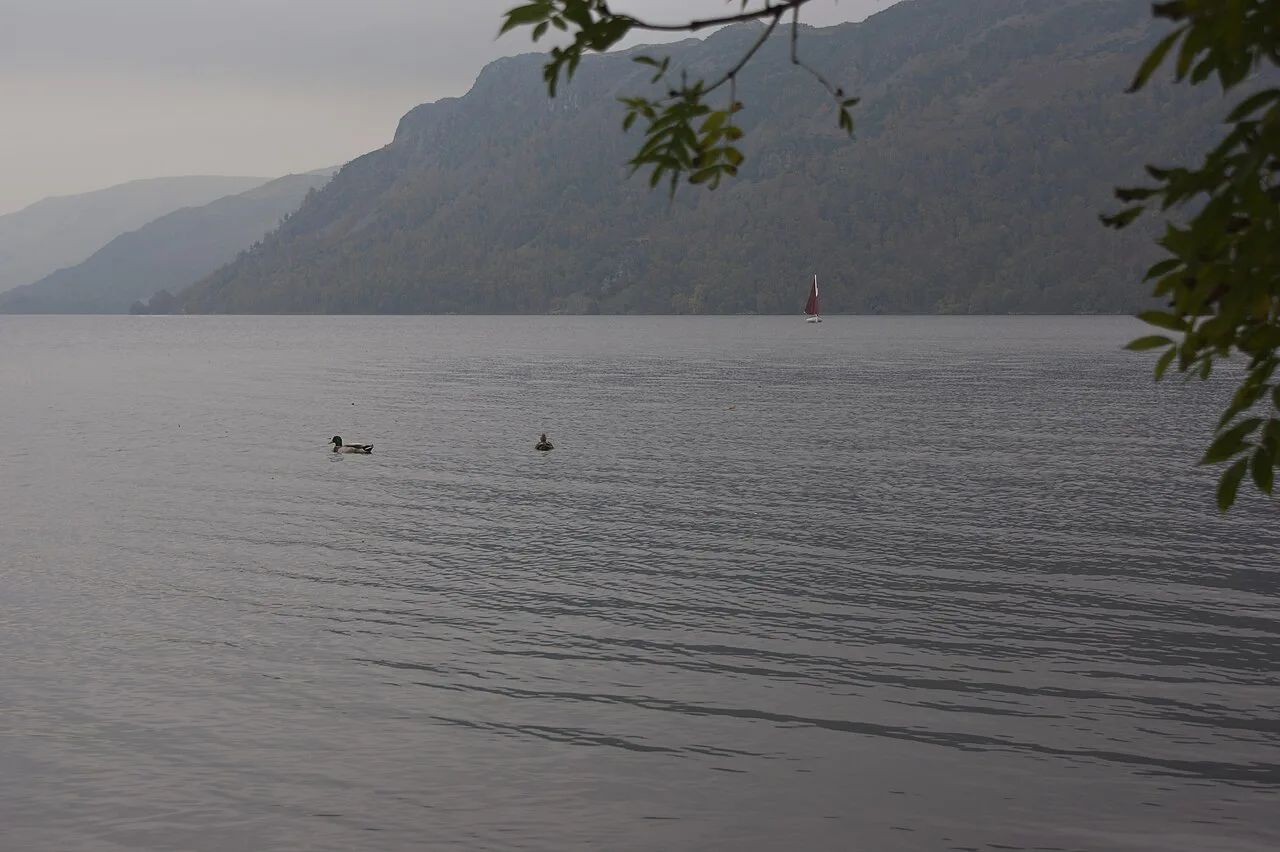
On Windermere or Coniston Water, treat a cruise as dependent on that day's service. Covered seating can shelter passengers, but it does not mean a boat will sail. Look up stops, the last return and cancellation notices before travelling to the pier. For a dated cost reference only, Express reported a £15.60 adult Freedom of the Lake ticket from Windermere Lake Cruises in February 2019. That is not a 2026 fare or a measure of seasonal price changes, so use the operator's current tariff for your budget.
For walking, keep low-level outings separate from winter fell days. Forestry England's Grizedale information is a starting point for a forest visit, but wind, ice and closures still matter. High routes, including the Old Man of Coniston, are not casual or beginner winter suggestions. They require suitable forecasts and ground conditions, navigation skills, equipment and enough daylight. Snow or ice may call for an ice axe, crampons and the training to use them. Turn back when conditions exceed your plan. In a mountain emergency, call 999, ask for police and then mountain rescue. The Lake District rescue association provides information about local mountain rescue. Treat suggested sunrise walking routes with extra caution, because darkness or winter ground may make them unsuitable.
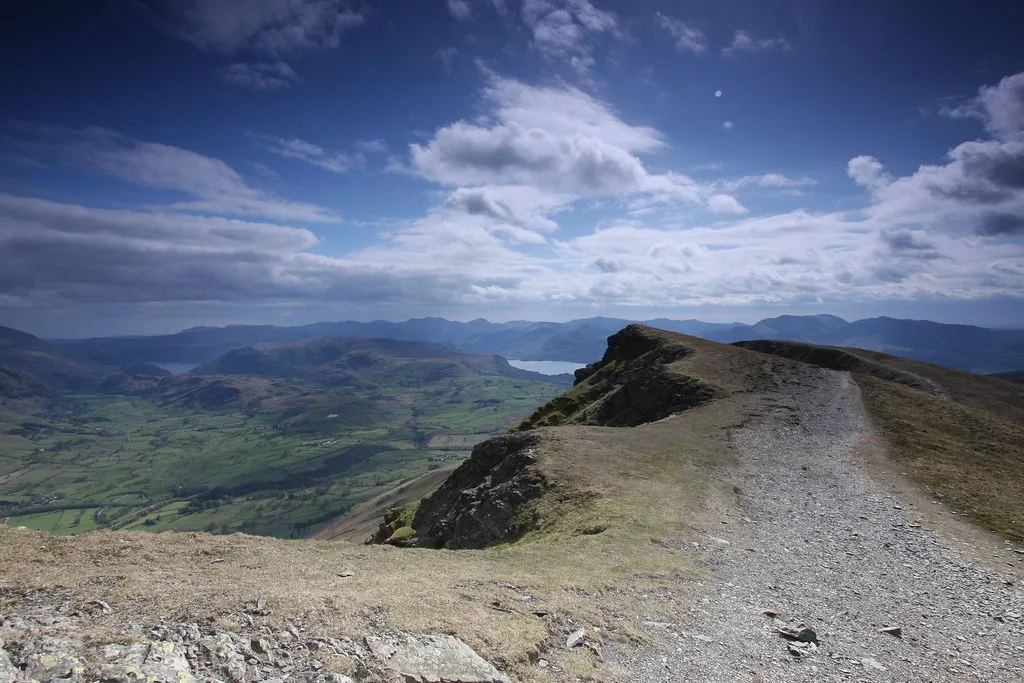
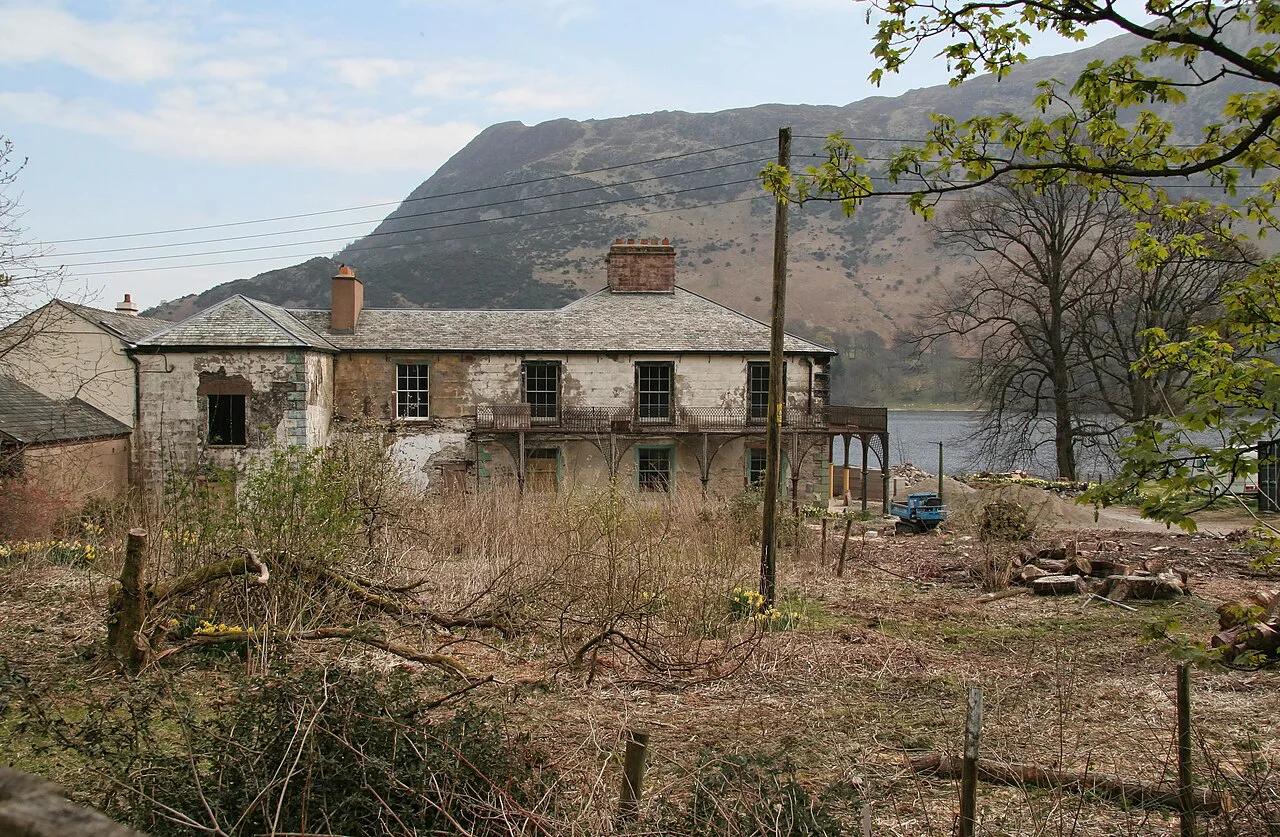
On wet days, choose an indoor venue with confirmed winter access. Brantwood, John Ruskin's former home beside Coniston Water, is one possibility to investigate. Browse the National Trust's Lake District places for other options, then read each property's opening details. Do not treat a treetop course as rain cover.
| Plan type | Suitable conditions | Main constraint | Check that day | Fallback |
|---|---|---|---|---|
| Low-level walk | Manageable wind and ground | Ice, flooding and light | Forecast and route notices | Shorter outing or indoor visit |
| Winter fell walk | Within your winter skills | Upland weather and terrain | Mountain forecast, ground and sunset | Postpone or choose suitable low ground |
| Lake cruise | Service is operating | Cancellations and last return | Operator updates | Accessible indoor venue |
| Indoor visit | Venue open and journey safe | Opening and transport | Venue and travel notices | Stay near your base |
Getting Around in Winter, With or Without a Car
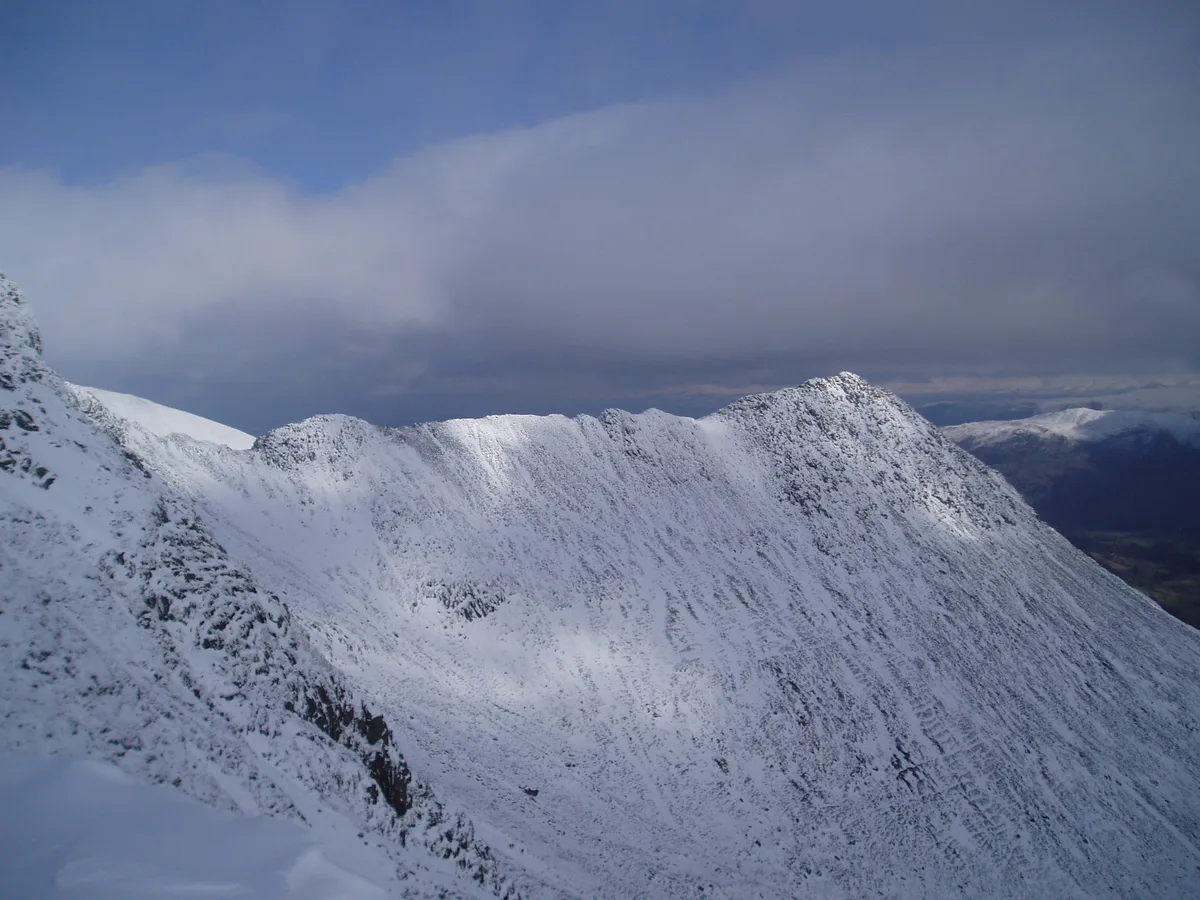
You can plan without a car if your base, outing and return work with current services. Driving offers more route choice, but ice, flooding, snow or closures can remove that advantage. Before leaving, read road notices or transport updates. Parking arrangements also need attention. When a connection fails, switch to something near your accommodation instead of improvising a remote return. Compare car hire and parking with the fares for your actual public transport journeys.
| Factor | With a car | Without a car |
|---|---|---|
| Flexibility | More choice when roads are suitable | Shaped by routes and departure times |
| Winter disruption | Ice, flooding and closures | Cancellations and missed connections |
| Main dependency | Safe driving and parking | Timetables and a workable return |
| Useful base | Practical parking and road access | Walkable food, supplies and transport |
| May suit | Confident winter drivers | Visitors happy with a compact plan |
Where to Base Yourself
Choose a base for how it works on a dark, wet evening. Look for food, supplies and at least one realistic indoor option within manageable reach. Without a car, map the walk from your arrival stop to your room.
Assess Coniston or Windermere against your own itinerary rather than assuming either is the better choice. Coniston has Coniston Water and fells nearby, but that does not make every local walk suitable in winter. Around Windermere, check the exact accommodation location, since the lake and the place name do not guarantee a short transfer. Before booking either, read cancellation terms, weather policies, holiday closures and minimum-stay rules.
How to Plan a Short Winter Break
For a 2-day weekend, choose one weather-dependent priority and move it to whichever day offers suitable conditions, if bookings allow. Give each day a shorter outdoor alternative and an indoor fallback. Plan an evening meal near your accommodation, especially if travelling after dark would complicate the return.
Pack waterproof layers, warm spare clothing, gloves, a hat and footwear suited to your route. For walking, add food, drink, a map, navigation skills, a torch and a charged phone. A phone should not be your only navigation tool. If your plans really need more daylight, consider visiting in spring. For the longer-day alternative, compare a summer trip.
- Mistake: starting too late. Put the daylight-dependent outing first.
- Mistake: assuming summer timetables apply. Use services listed for your travel date.
- Mistake: relying on one outdoor plan. Keep a shorter option and an indoor choice.
- Mistake: judging the fells from the valley. Read an upland forecast and assess conditions as you go.
- Mistake: leaving the journey back unchecked. Know your last departure and turnaround time.
Frequently Asked Questions
What are some good winter walks in the Lake District?
Good choices are routes that fit that day's weather, ground, light and your ability. Start your search with waymarked or familiar low-level options, and assess each for flooding, ice and wind. Higher fell routes need appropriate winter competence and equipment.
What is the best month to go to the Lake District?
No single month suits every trip or guarantees good weather. Within winter, late February offers more daylight than late December, though wintry conditions can still affect your plans.
Notes for your next walk
Optional updates to our Lake District walking guides.