Lake District Sunrise Walks: Routes and Planning Tips
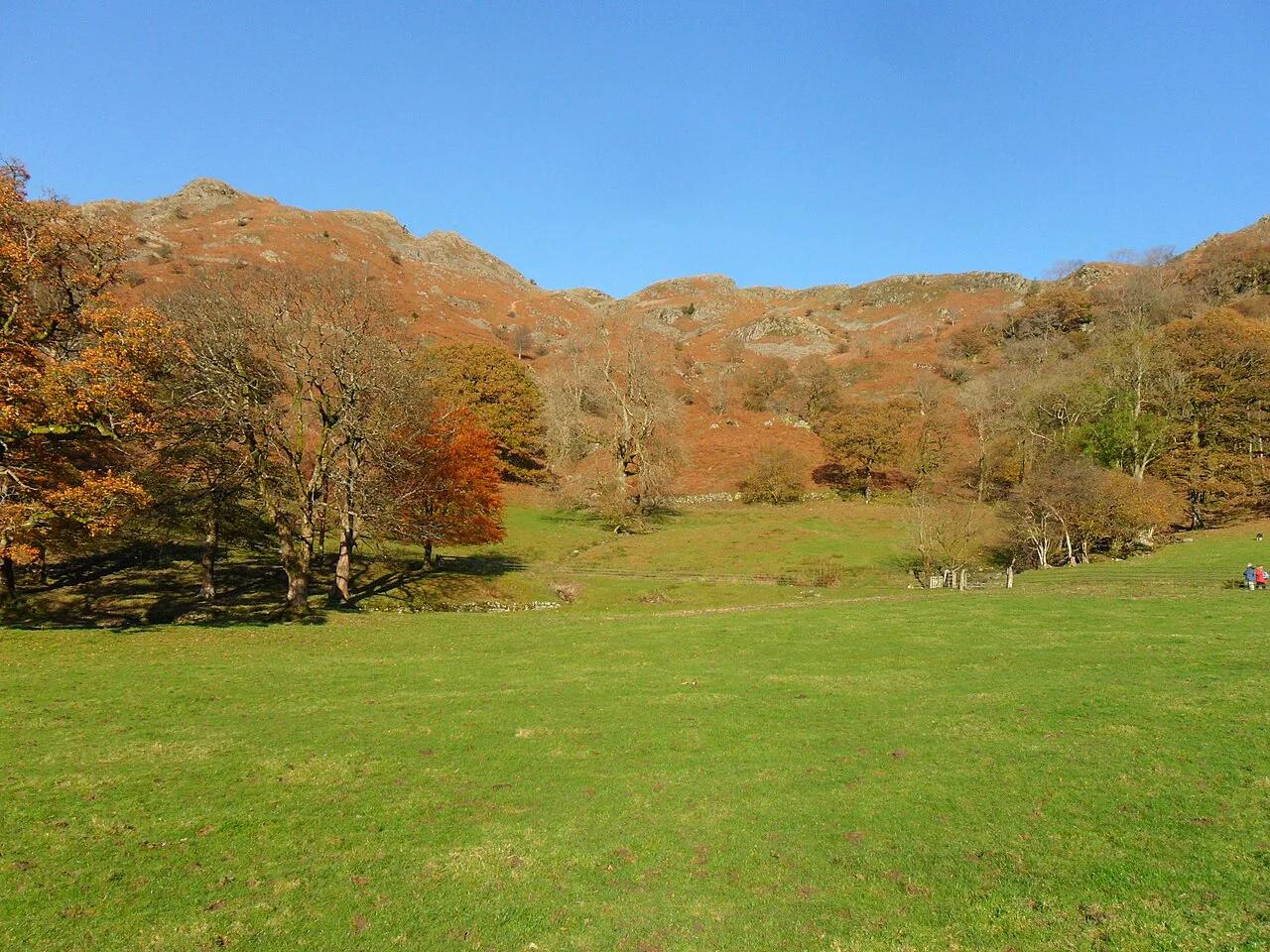
Last updated November 2026: for sunrise walks Lake District planners should shortlist Latrigg, above Keswick, if its access, eastward view, descent and night navigation all suit them. Your best sunrise Lake District choice has short access, an open eastern outlook and an easier way down that you can follow; if darkness is beyond your navigation skills, don't make a dark ascent.
Treat Latrigg as a candidate to test against those conditions, not a guaranteed easy climb. Weather, season and the surrounding skyline will shape what you see.
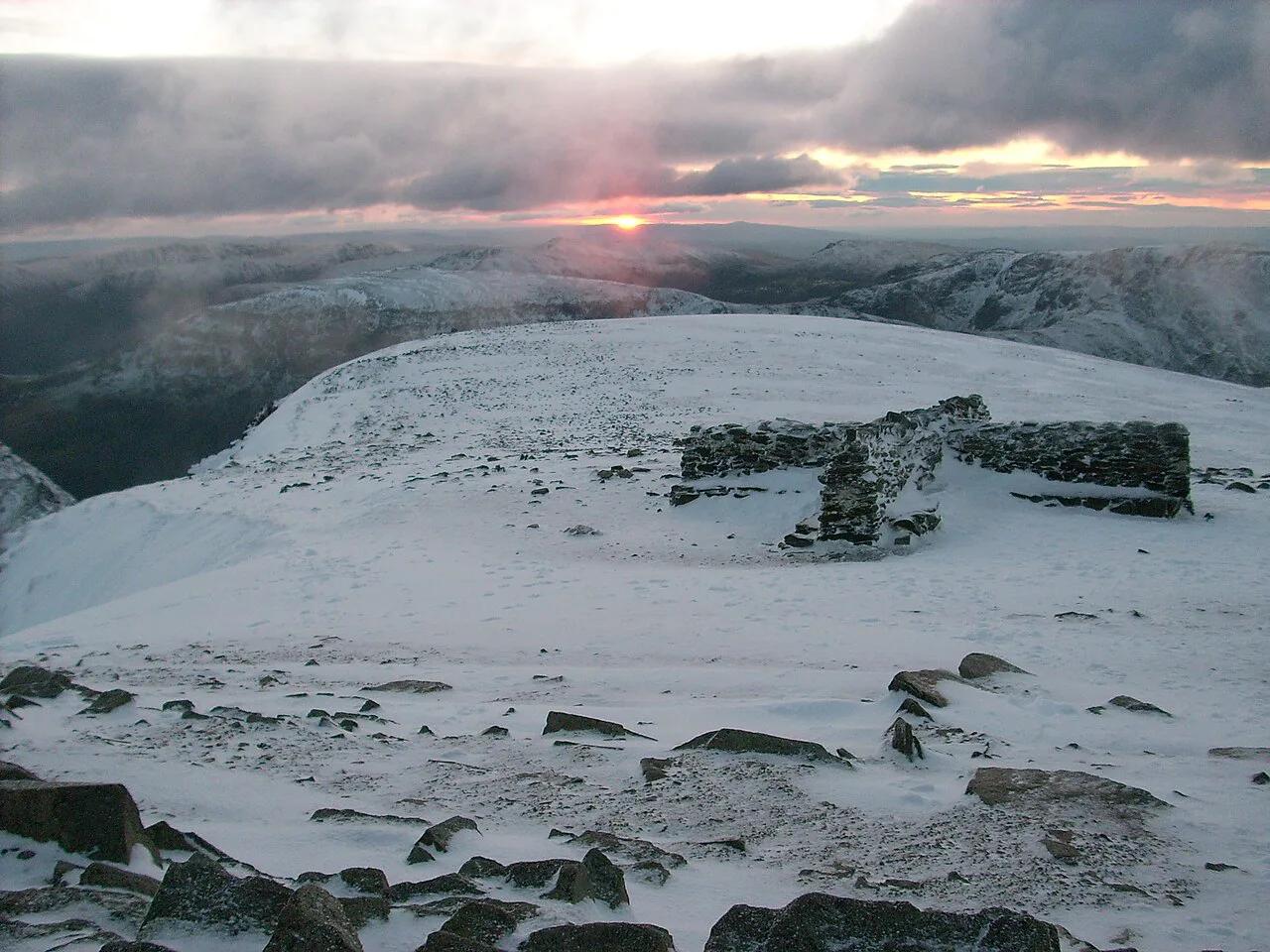
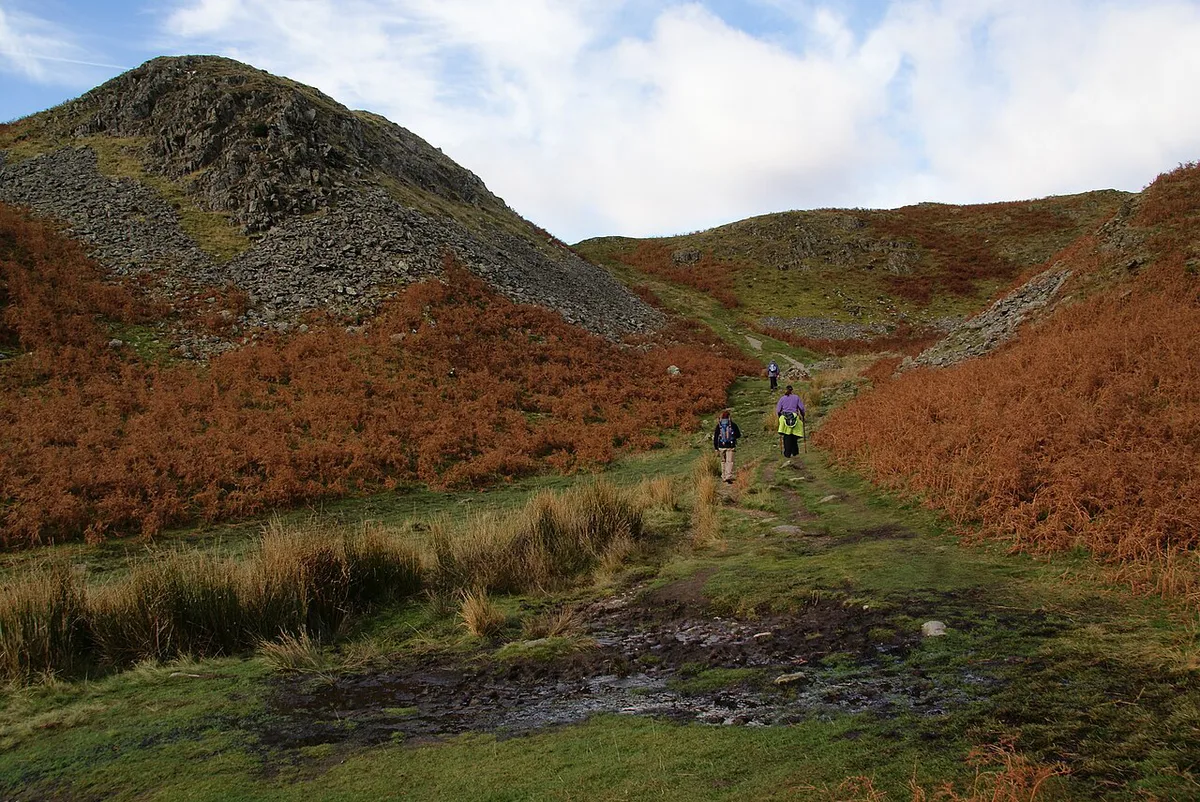
Featured image: Anthony Foster, CC BY-SA 2.0, via Wikimedia Commons.
Sunrise Walks Lake District: Quick Choices Compared
Start with your limits, then choose the place. This shortlist separates 1 summit candidate from 2 research leads. None is ranked for darkness safety, walking time or sunrise quality.
For a first dawn outing, walk your chosen route in daylight beforehand. With limited time or fitness, don't assume a short route is easy. A bigger mountain day calls for stronger navigation and a wider safety margin. Lake views without a climb require a precise shore viewpoint with legal access. Car-free walkers should settle transport before choosing any hill.
| Option | Area | What it is | Before a dark start | Best for |
|---|---|---|---|---|
| Latrigg | Above Keswick | Summit walk with views over the town | Map the ascent and descent, then rehearse them in daylight | Walkers wanting a Keswick-area candidate |
| Gummer's How | Lake District | Research lead | Establish the route, access, parking and eastern view | Planners willing to research a route fully |
| Ullswater | Ullswater | Area lead, not a specific walk | Choose an exact viewpoint with legal access | Planners seeking possible lake views |
Latrigg: The First Sunrise Candidate to Check
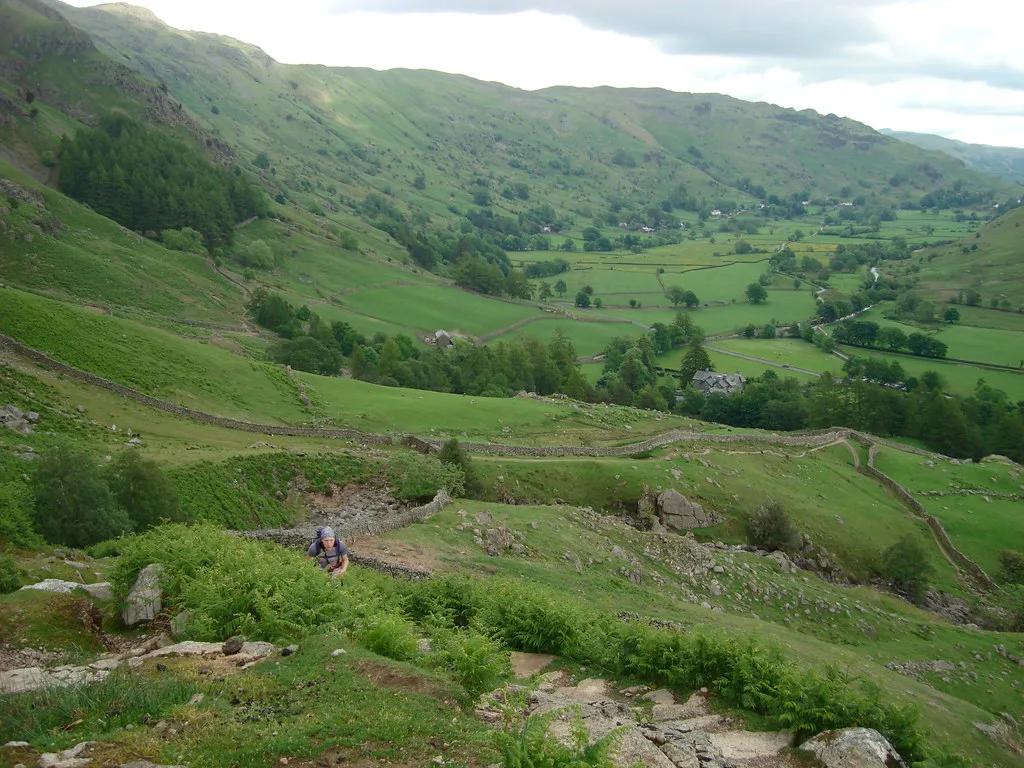
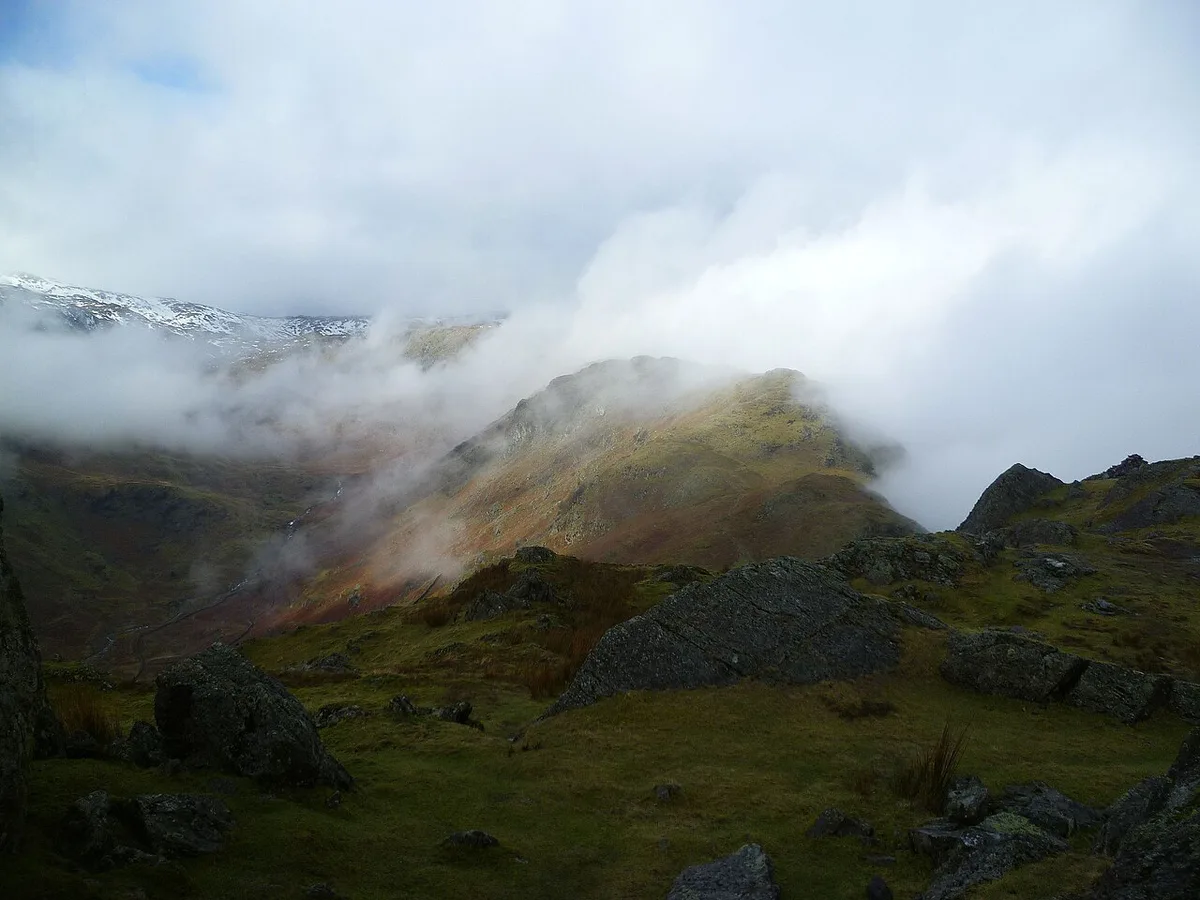
Latrigg's appeal is its position above Keswick, with a summit outlook over the town and surrounding countryside. Expect to judge the sunrise against a landscape with hills, rather than assume a flat sea-like horizon. The sun's rising point moves through the year. As a result, an outlook that works on one date may be partly blocked on another.
Sometimes described as a gentle summit walk, Latrigg still needs a proper darkness assessment. A mild gradient would not tell you whether junctions are easy to find or the surface is icy. Pick your exact start, ascent and return on current Ordnance Survey mapping. Measure distance and height gain for that line. Note exposed ground, gates, forks and any closure notices.
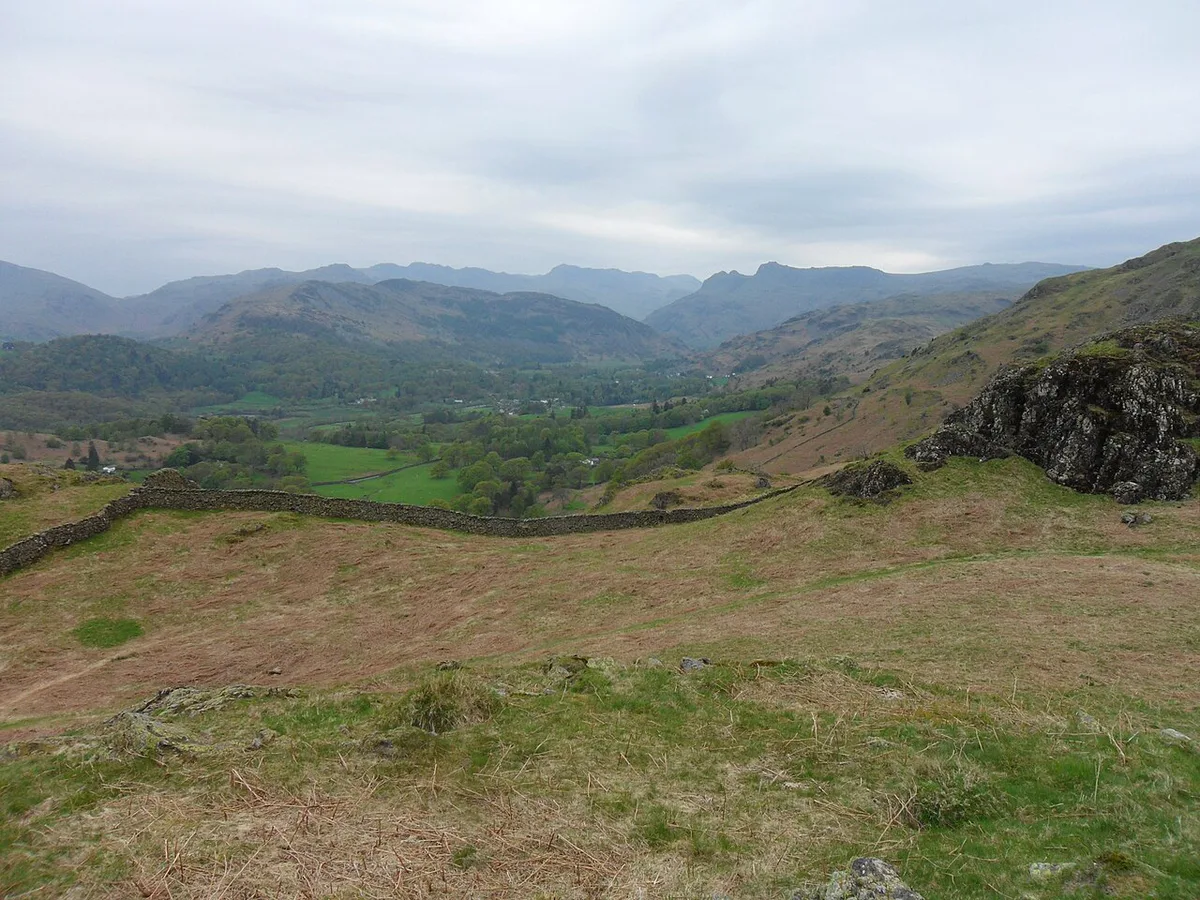
Skip this dawn plan if you can't retrace the route with limited visibility. Families and less confident walkers should judge the whole round trip, including the descent. For your first visit, daylight gives you a useful rehearsal and a chance to inspect the parking signs.
Gummer's How and Ullswater: Leads to Research
Consider Gummer's How a name to investigate, not a ready-made sunrise recommendation. Before choosing it, establish a legal start, a return route, early parking access and what blocks the eastern sky. Don't borrow a walking time from a short video without knowing where that timing begins and ends.
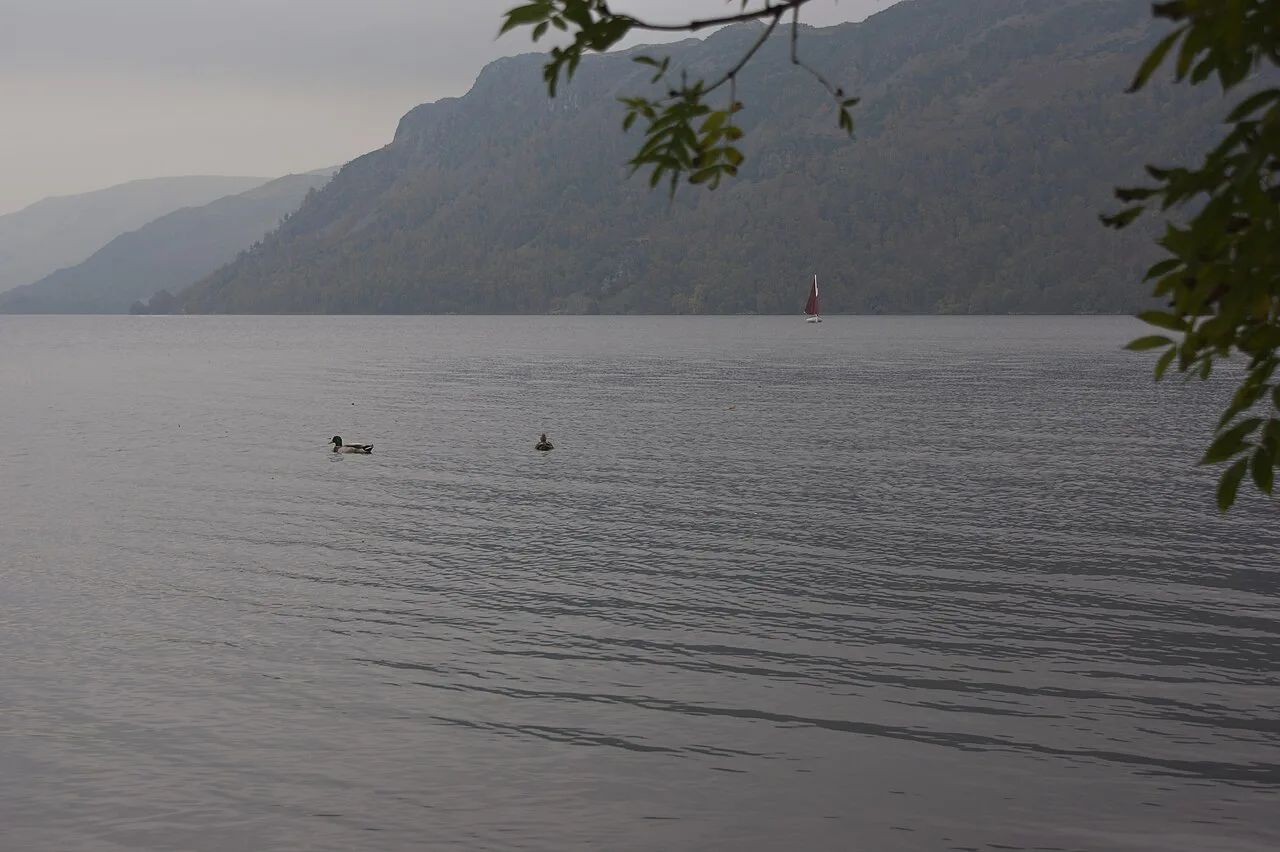
Ullswater gives you a search area rather than a route. A lakeshore position doesn't automatically face the sunrise or provide an open horizon. Choose an exact public viewpoint, then trace how you will reach it and leave. Where your chosen site is managed by the charity, use the National Trust's Lake District information for visit planning.
What Time Should You Set Off?
Work backwards from sunrise for your exact date and location, using a reliable solar calculator. Civil twilight begins in the morning when the sun's centre is 6 degrees below the horizon. Sunrise comes later, when its upper edge reaches the calculated horizon. Nearby high ground can delay your first direct view.
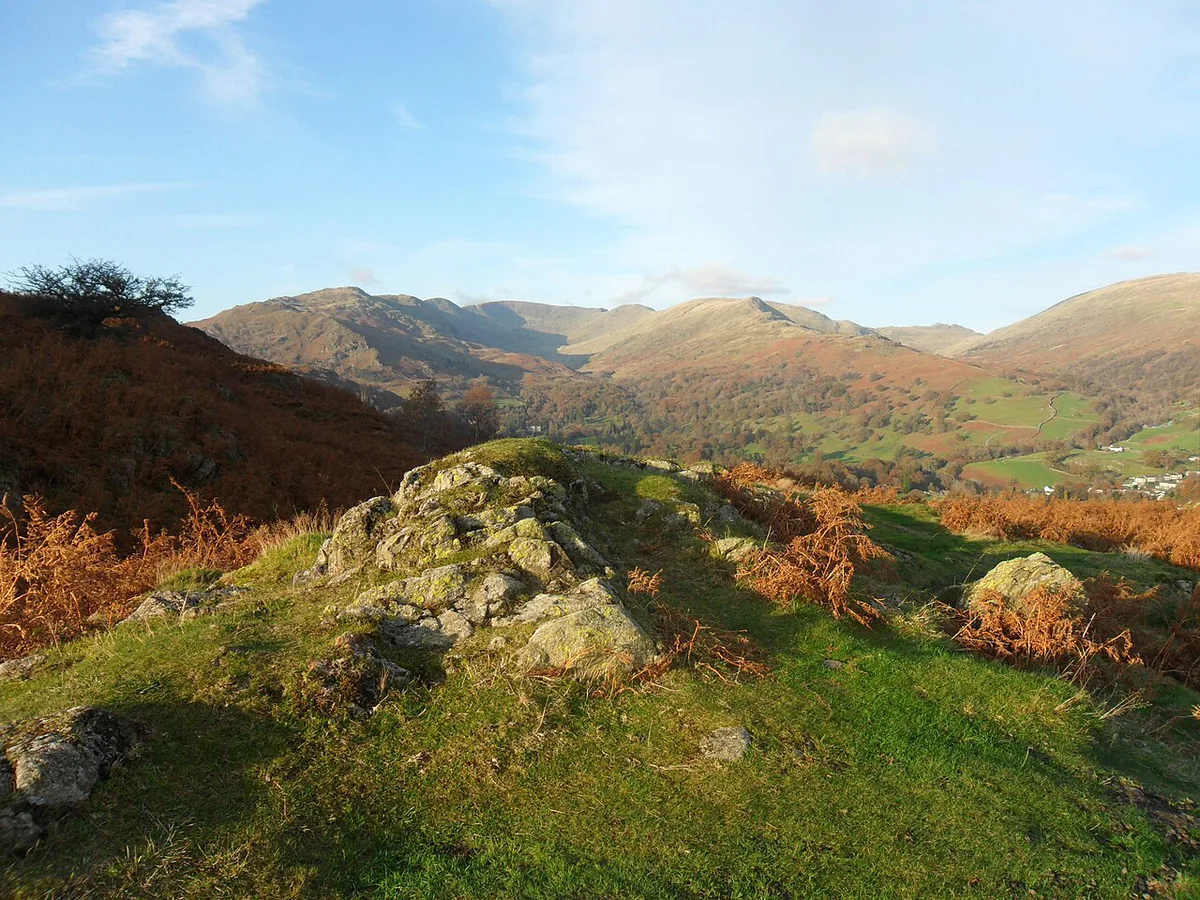
Civil twilight is not sunrise: it starts when the sun's centre sits 6 degrees below the horizon, so light begins before the sun itself appears.
Here is a hypothetical example, using suggested planning buffers rather than route timings. Suppose sunrise is 7:00 am and you want to arrive 30 minutes early, at 6:30 am. Allow an assumed 45-minute ascent plus 15 minutes for slower progress in darkness. Walking would then begin at 5:30 am.
Add 15 minutes for parking and getting ready, so arrival becomes 5:15 am. A further 20-minute contingency moves your target arrival to 4:55 am. Replace every allowance with figures suited to your route, group and conditions. Include rest stops separately, and leave travel time from your accommodation before that arrival target.
When to Go, and When to Change Plans
Season changes the trade-off. Our guide to choosing your Lake District season helps with the wider trip. Summer brings very early starts, so account for lost sleep before driving or walking. Consider the summer visit trade-offs when setting that alarm.
Spring conditions can differ between valley and fell; include them in your spring trip planning. For darker, changeable mornings, factor in autumn conditions around the Lakes. Winter can add snow and ice, making winter access and preparation central to the decision. Carry winter equipment when conditions require it, and only rely on gear you know how to use.
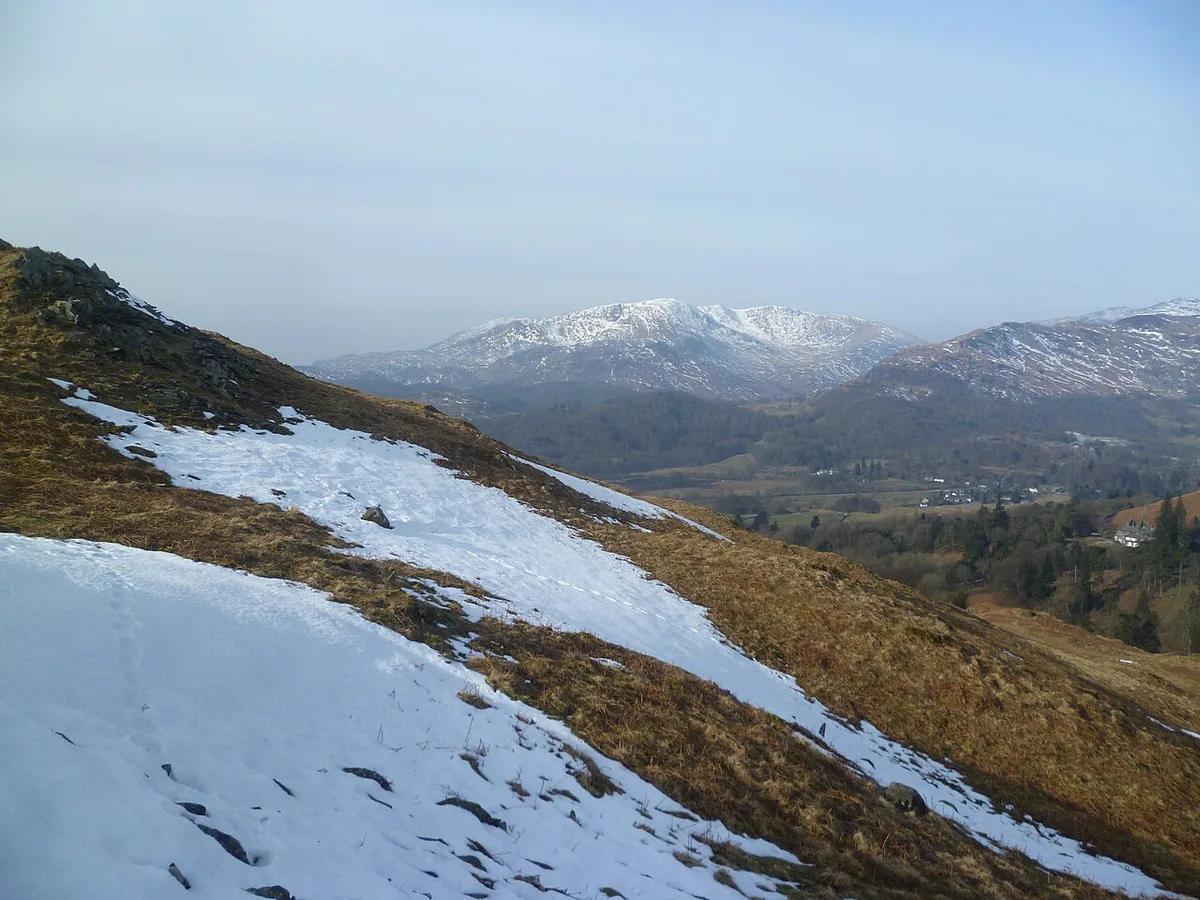
Before leaving, read the Mountain Weather Information Service forecast for hill conditions. Our walker's weather guide can support your planning. Review summit wind, cloud base, visibility, rain or snow, temperature and ground conditions. Cloud inversions are never guaranteed.
- Go: the forecast and ground suit your group, your access works, and everyone can navigate the full return.
- Change plan: choose a researched lower-level option only when its access and current conditions are suitable.
- Stay home: cancel if visibility, wind, ice, access or your group's condition exceeds your limits.
- Turn back: set a latest checkpoint time beforehand, and turn sooner if conditions deteriorate. Missing sunrise is better than rushing.
Walking Up in the Dark: Kit and Safety
Darkness changes route-finding, so familiarity matters more than reaching the top at an exact minute. Carry a map and compass, and know how to use both. Offline phone mapping is a useful aid, but it shouldn't be your only navigation method. Protect battery life and don't depend on mobile coverage.
Tell a trusted person your start, intended route, return time and when they should raise concern. In a mountain emergency, call 999, ask for Police, then ask for Lake District Mountain Rescue. Give your location as precisely as you can, along with the casualty's condition.
Avoid learning an unfamiliar route in darkness. Judge neither summit wind nor visibility from the valley alone. Keep noise low near homes, follow access notices and keep dogs under effective control, especially around livestock. Observe seasonal restrictions too.
- Head torch for each walker, with spare power.
- Suitable footwear, warm layers and weather protection.
- Map, compass and downloaded offline mapping.
- Food, drink, first-aid supplies and emergency shelter.
- Winter equipment, with the necessary skills, when conditions call for it.
Parking, Transport and Where to Base Yourself
Settle arrival logistics before setting your alarm. For your exact car park, use the operator's current notice to establish opening restrictions, capacity, charges and accepted payment. Don't assume an overnight stay is allowed or that a roadside space is legal. A fell walk with no entry charge can still involve parking, transport, kit or optional guiding costs. Compare those totals for your own plan; guiding adds a service cost beyond travelling independently.
Without a car, use Traveline and the operator's dated timetable to test both directions. A daytime bus service doesn't establish that you can arrive before sunrise. If no suitable service fits, change the outing or arrange a lawful transfer in advance.
Staying near your chosen start can reduce rural driving before dawn. Driving in from farther away may preserve flexibility when forecasts favour another area, but adds time on the road. Review road conditions, parking closures and path diversions, particularly in winter. Don't use wild camping or sleeping in a vehicle as a shortcut unless current rules permit it at that exact location.
Notes for your next walk
Optional updates to our Lake District walking guides.