Lake District Without a Car: Planning a Walking Trip
Last updated November 2026: visiting the Lake District without a car can work for a walking trip, with support from rail, buses and some boats. Coverage and seasonal service vary by valley, so choose your base around exact journeys, including the way back. For wider route planning, start with our guide to 4 Lake District Walking Holidays: How to Choose.
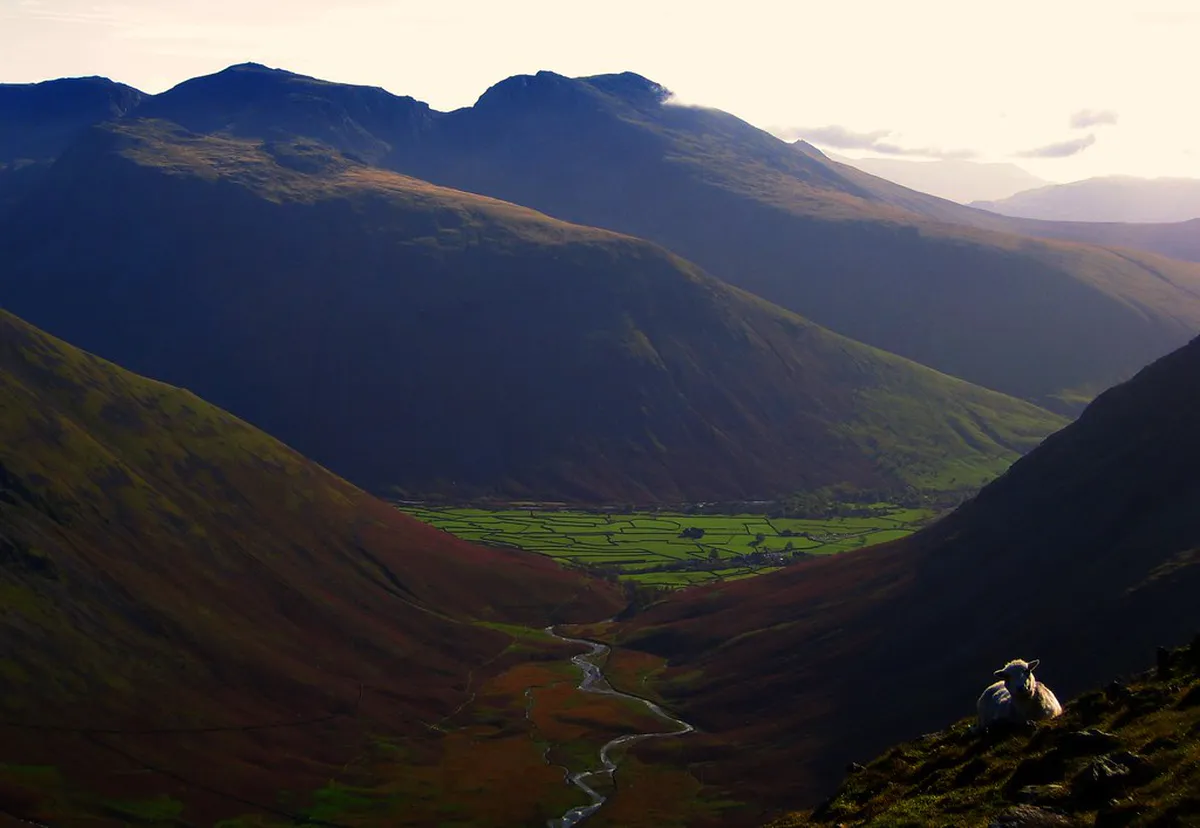
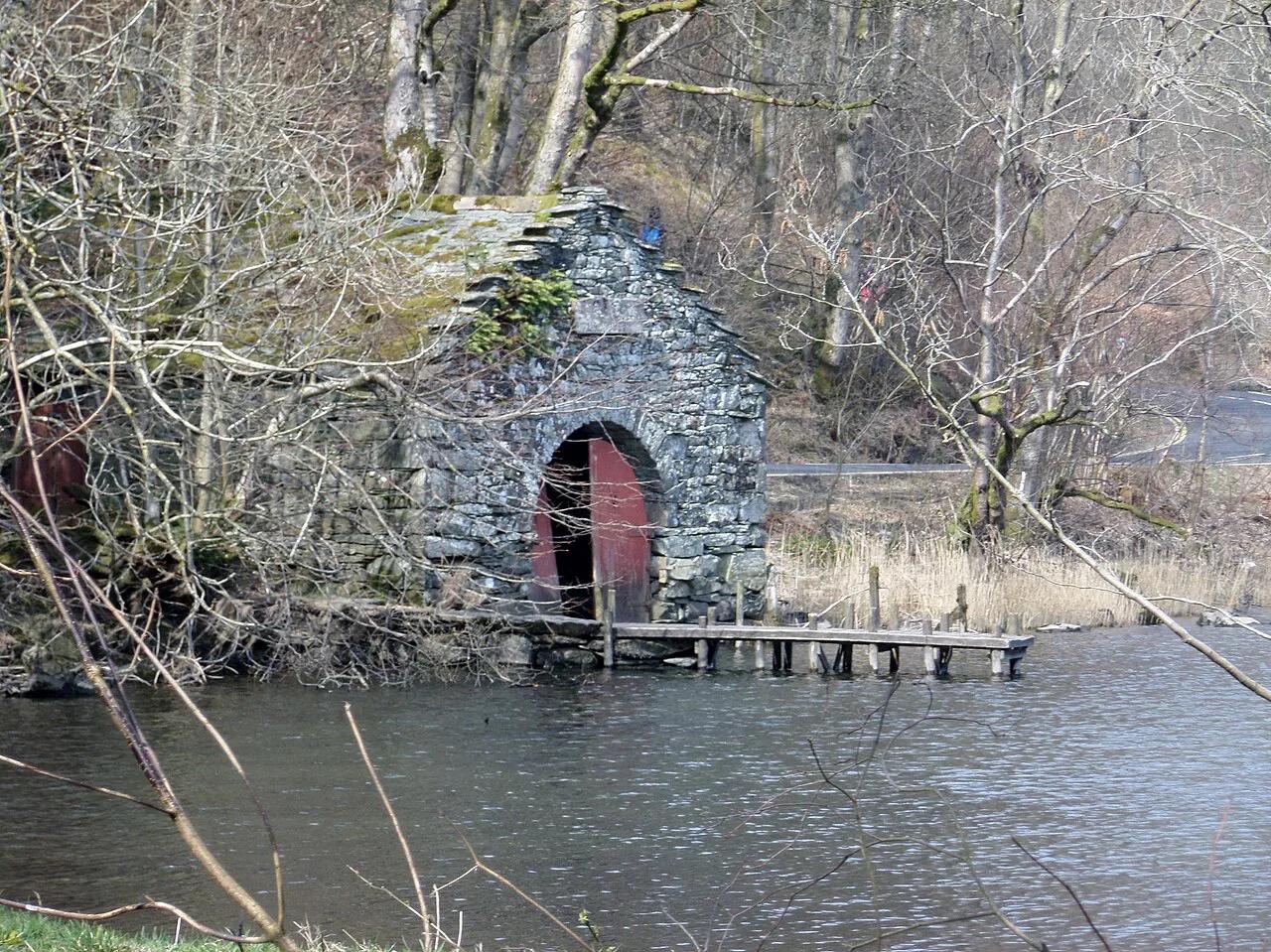
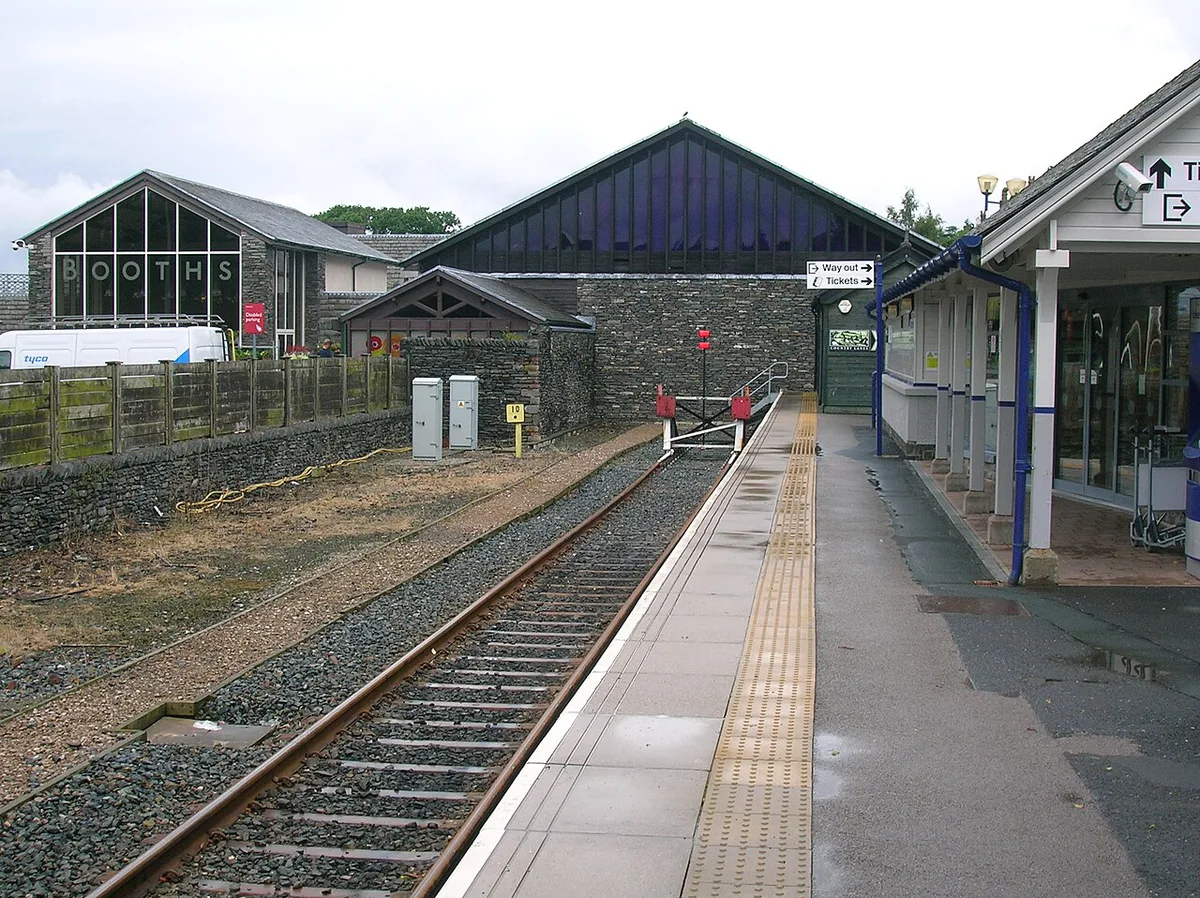
Featured image: Bill Boaden, CC BY-SA 2.0, via Wikimedia Commons.
Is a car-free trip right for you?
Going car-free suits you best when you can shape each day around a small number of connections. It takes more planning if you want to switch valleys often, start walking early or finish late. Your main compromise is flexibility, especially when one missed link affects the rest of the day.
- Short break: pick one base and keep at least one plan that starts on foot from your door.
- Walking trip: choose routes by their return point as well as their start.
- Heavy luggage: settle the final leg to your room before booking it.
- Limited mobility: ask each operator and property about boarding, steps, gradients and the approach on foot.
- Families: allow for waiting time and a shorter way back if someone tires.
- Dog owners: choose operators and accommodation that will take your dog.
Getting there and reaching your base
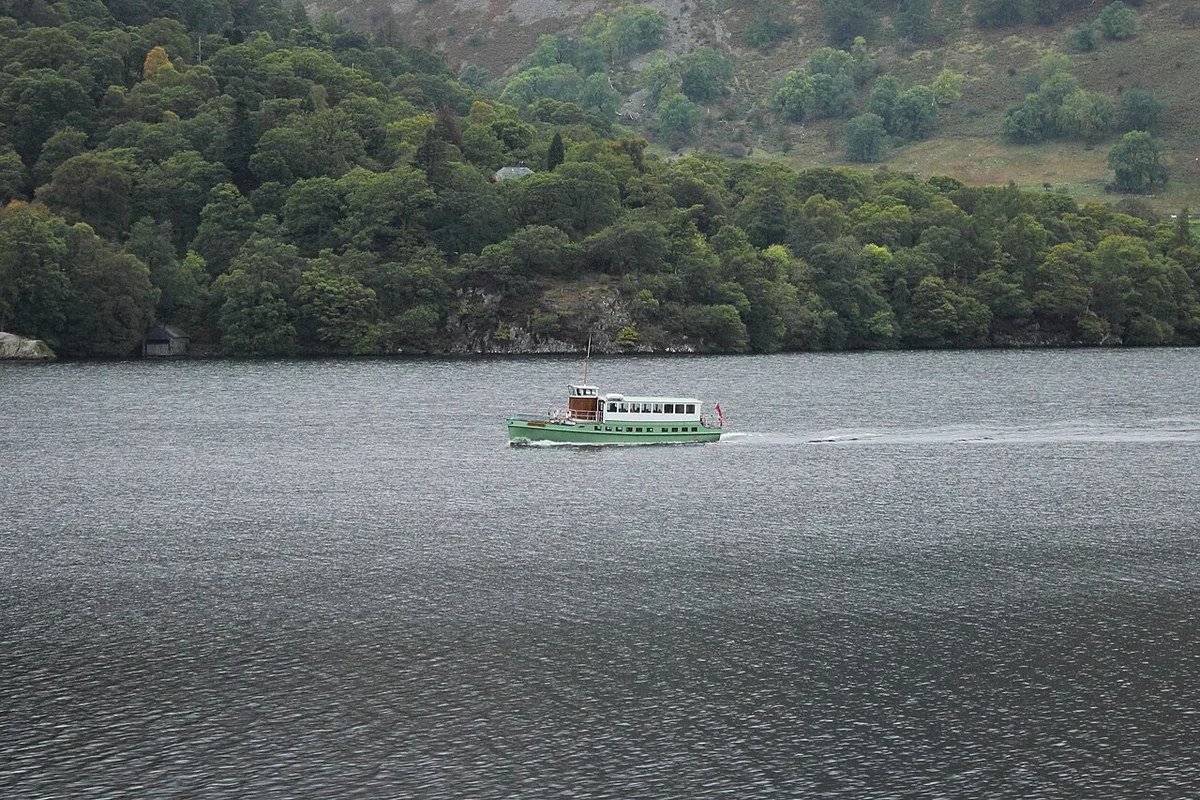
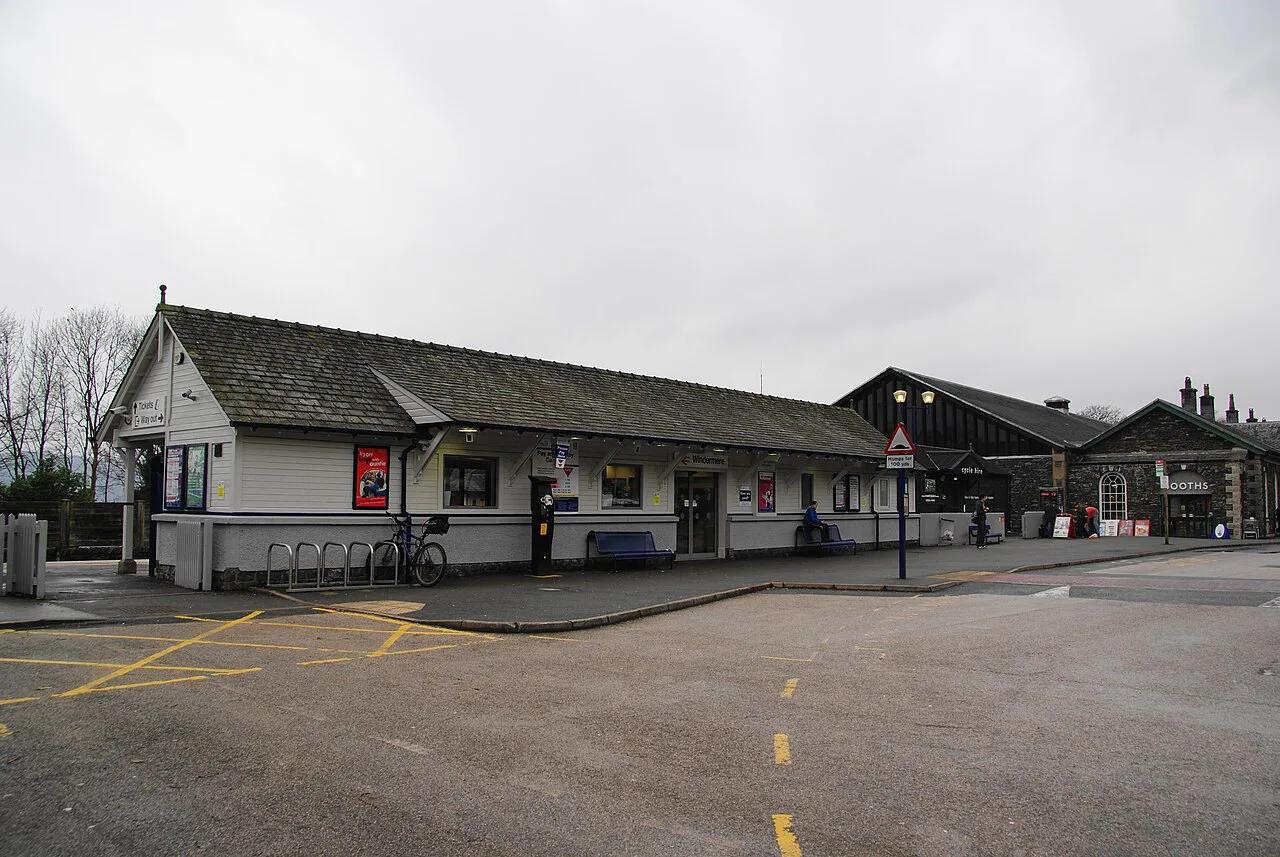
Treat arrival as one journey that ends at your accommodation door, not at a station or coach stop. Use official rail, coach and local operator timetables for your exact travel date.
- Main arrival: note any engineering works, replacement transport and booking conditions.
- Transfer: leave spare time between your arrival and the onward service.
- Final leg: identify the bus, pre-booked taxi or walking route that gets you to your room.
- Latest workable arrival: work backwards from the last onward connection you could realistically catch.
- On foot: look for steep, unlit or pavement-free stretches, especially if you will have bags.
- Late running: save the accommodation's phone number and ask about late check-in.
Where to stay in the Lake District without a car
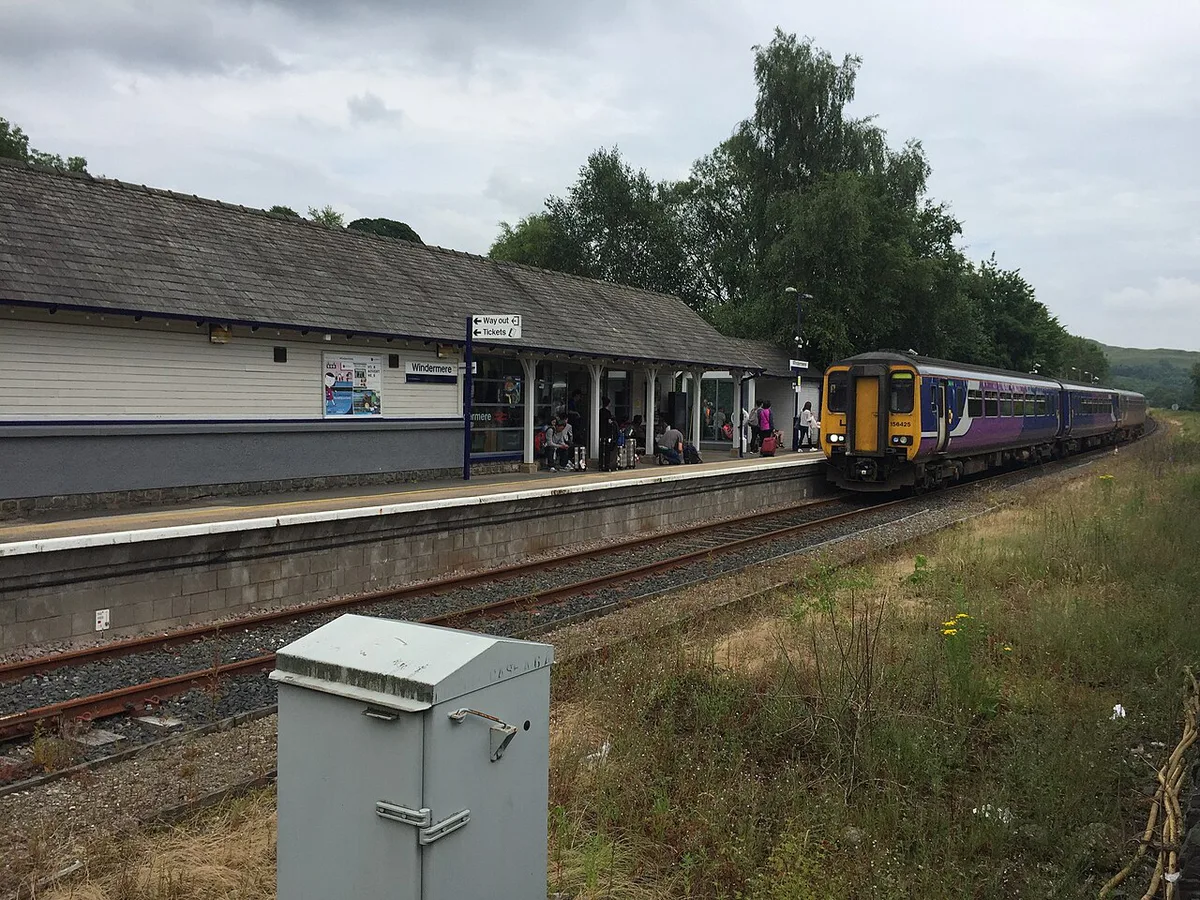
Choose the base after listing the walks and outings you care about most. A well-connected base can widen your options, while a quieter one may suit a trip built around nearby paths. Changing accommodation can open a second area, but you must move your bags and fit around check-out and check-in.
| Base style | Arrival and onward travel | On foot, food and evenings | Main drawback | Choose this if |
|---|---|---|---|---|
| Near your rail or coach arrival | Potentially a shorter final leg; onward routes still need matching to your plans | Walks, supplies and evening meals depend on the exact address | Your preferred walks may need another ride | You have heavy bags or plan to arrive late |
| On a bus route you will use | Useful when its dates and times fit both directions | Look for nearby paths and food; plan around the return service | Disruption can limit your day | You want outings along that route |
| Quiet valley base | The final leg may need more planning | Suits nearby walks; arrange meals and supplies in advance | Fewer alternatives may be available | You mainly want to walk from your accommodation |
| Two bases | Requires an extra transfer between stays | Compare paths, food and evening access separately | Moving bags takes planning and time | Your priority walks fall in separate areas |
- Compare walking-friendly areas in our guide on where to stay for walking.
- For hostel options, browse our YHA Lake District guide. Check transport access separately for each hostel.
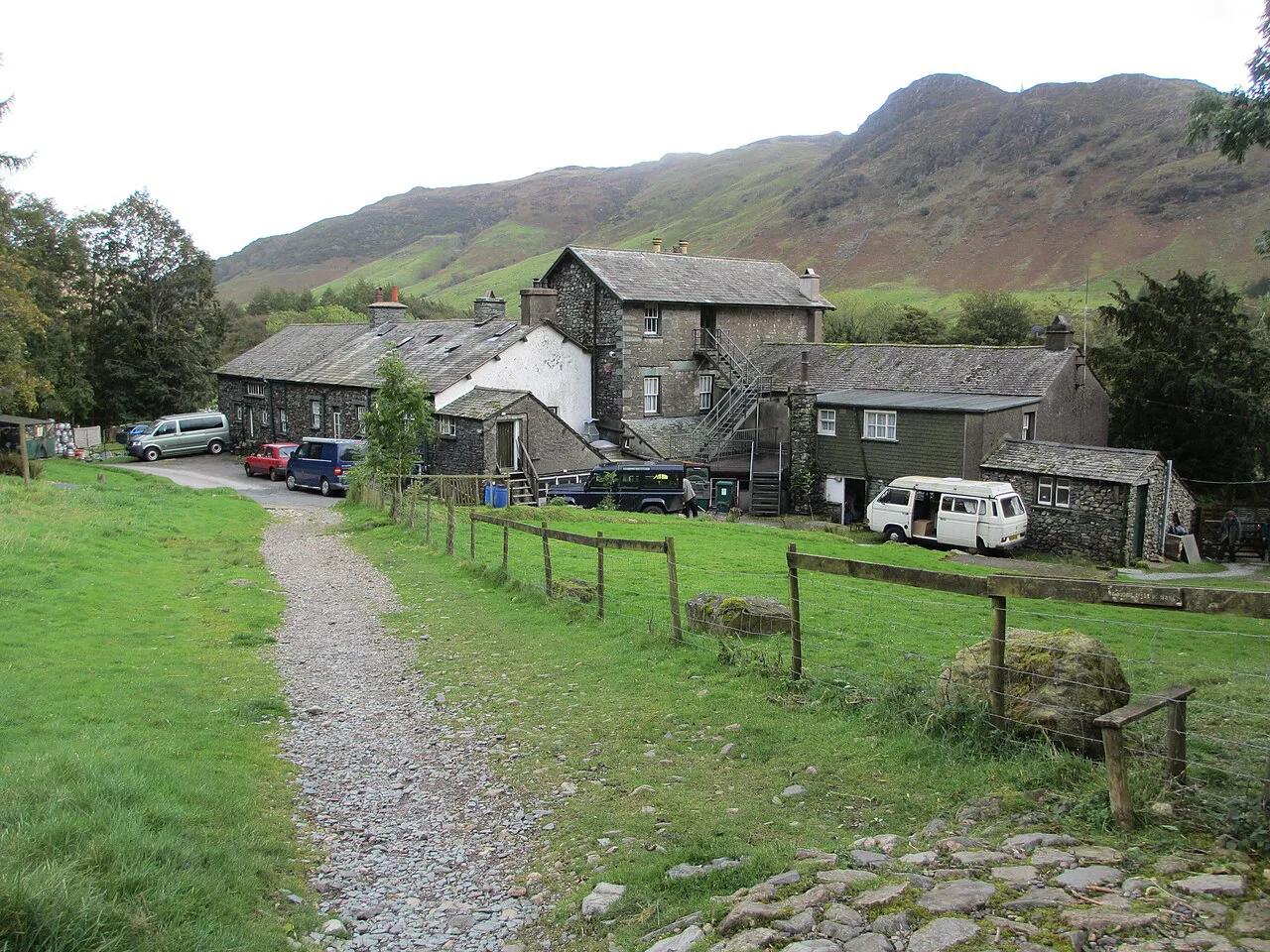
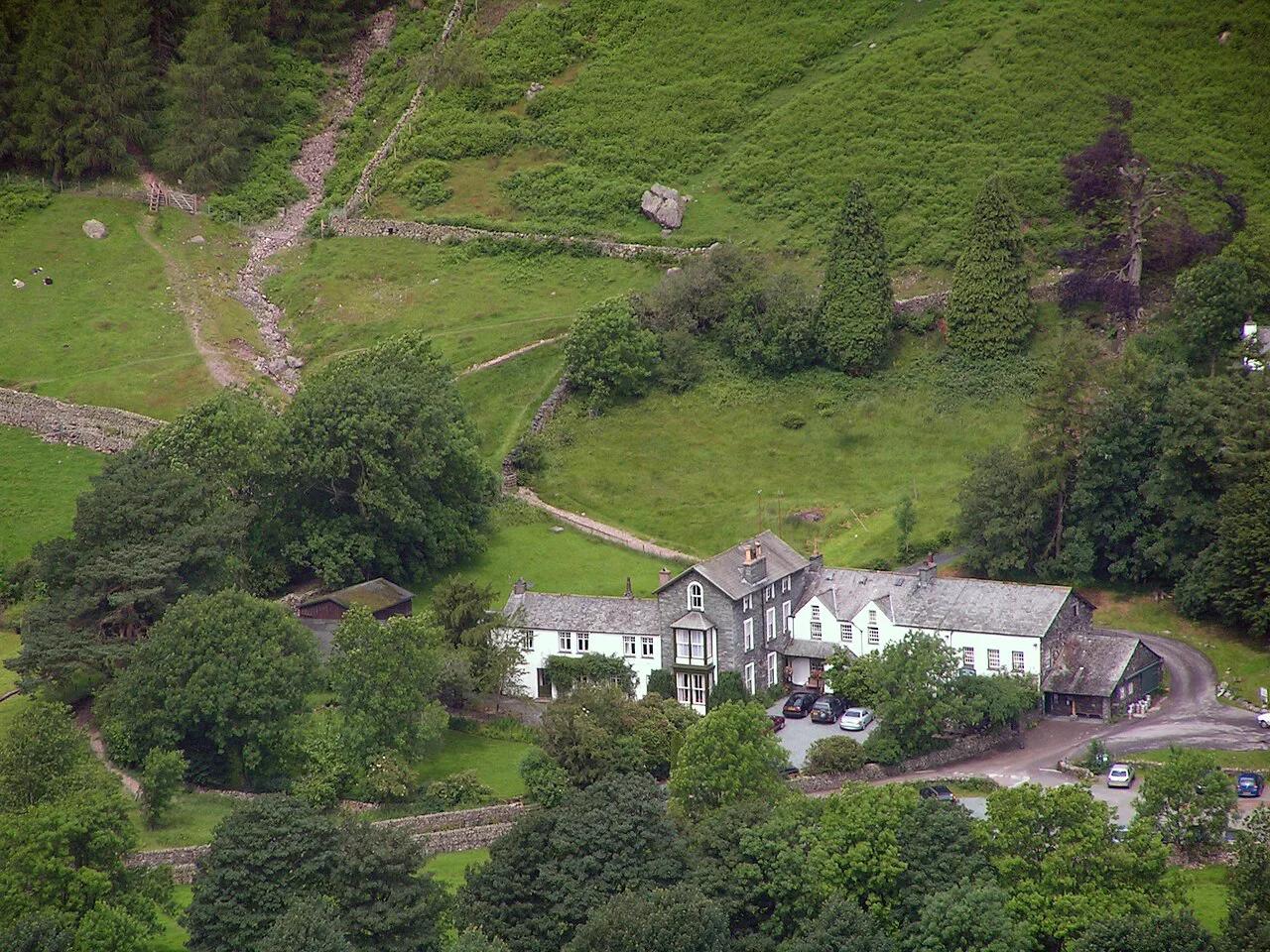
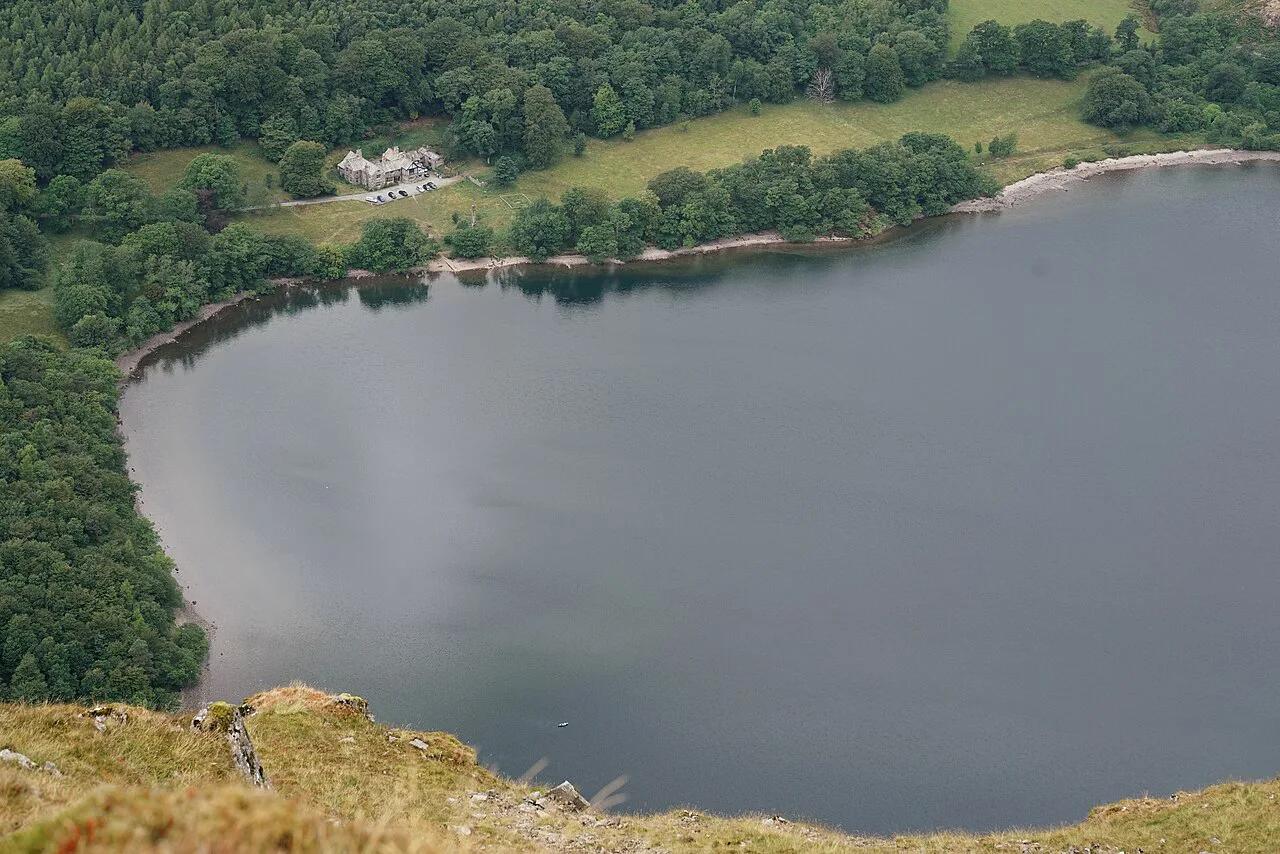
- Considering Old Dungeon Ghyll? Ask about your arrival route, meals and travel dates before committing.
Getting around by bus, boat, rail and on foot
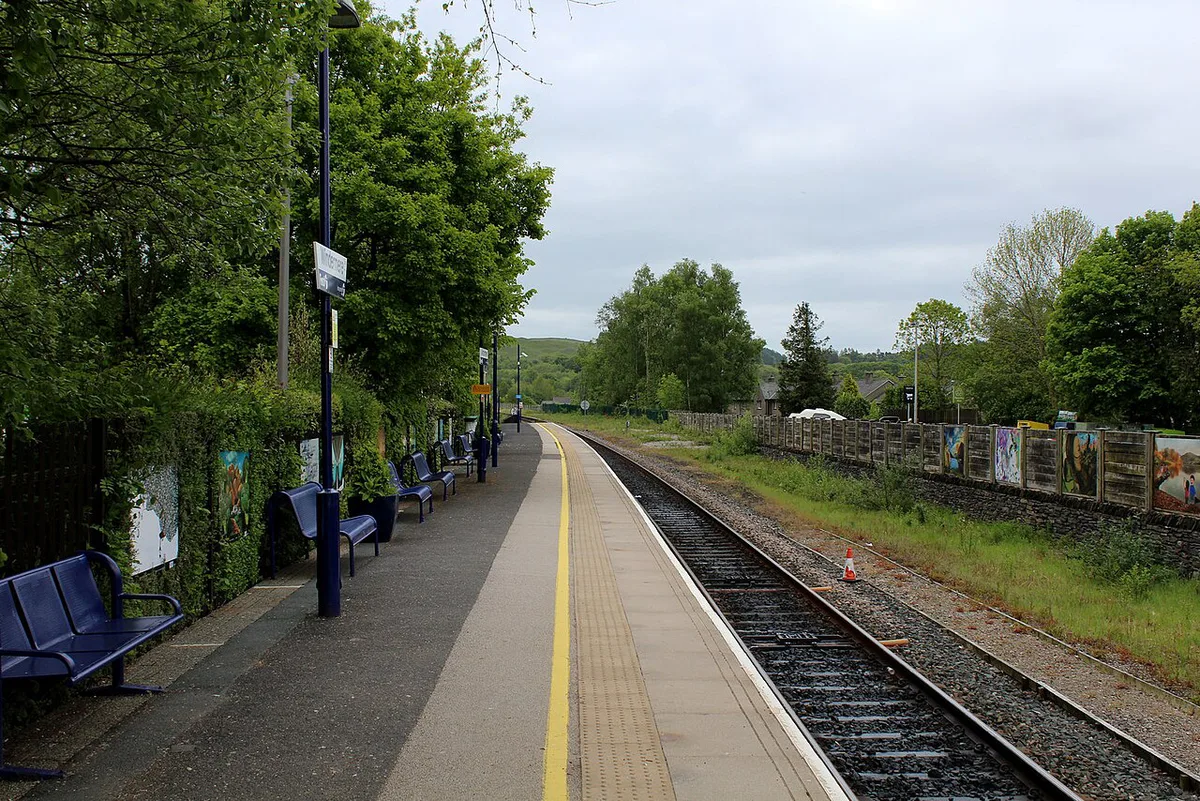
Build each outing from current operator timetables, because a place with transport may still lack a workable round trip. For every leg, note operating dates, departure times, booking rules, fare and fallback.
- Buses: compare weekday, weekend, holiday and winter timetables where they differ. Find the correct stop for each direction.
- Langdale: read about the Langdale Rambler Bus: 516 Route and Walker Planning Tips. Whether it is operating, and its route, dates and times, decide whether you can rely on it.
- Boats: look at both landing points, the walk at each end and the operator's cancellation notices.
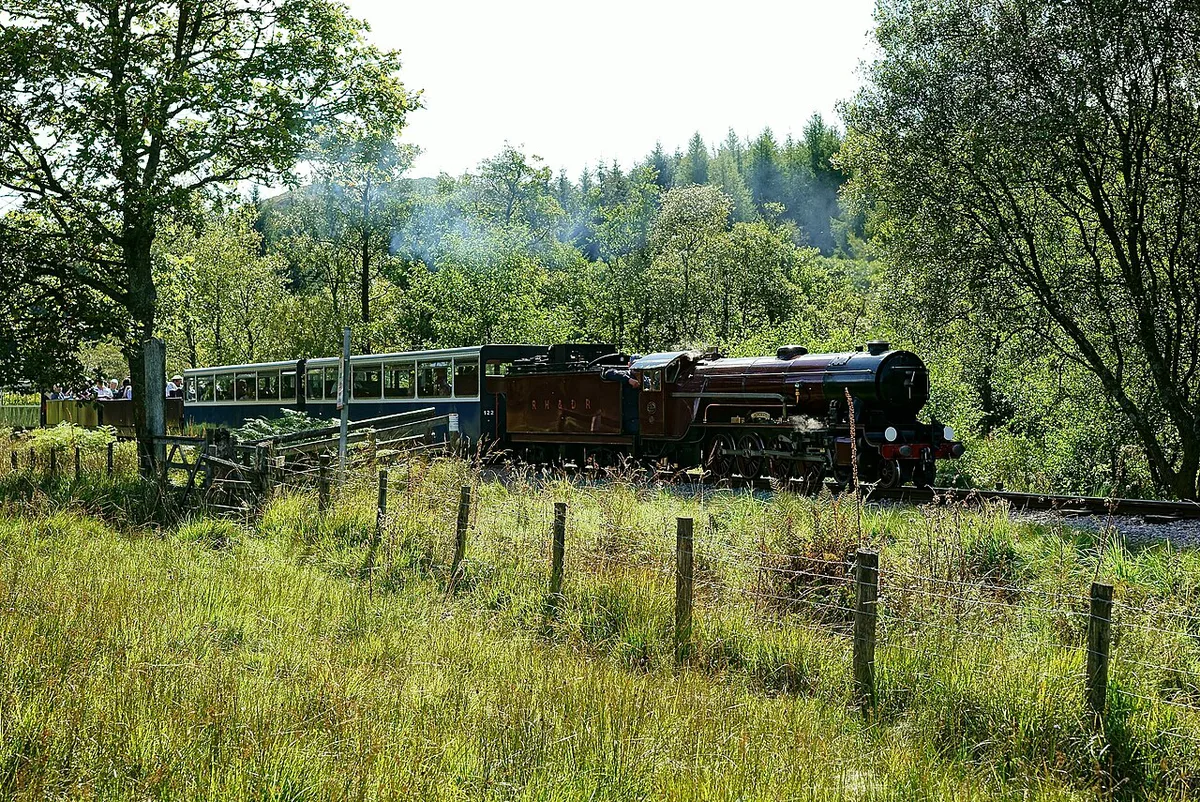
- Rail in Eskdale: consult the Ravenglass & Eskdale Railway timetable if its line fits your plan. Work out separately how you will reach it and get back.
- Taxis: arrange the pickup point, time and expected fare directly. Do not assume a car will be available on demand.
- Walking: add the time to and from stops to your route time.
- Cycling: if bikes are part of your plan, ask each carrier whether they are accepted and whether space can be reserved.
- Passes: work out which operators and services accept a ticket before buying it.
Planning car-free walks and days out
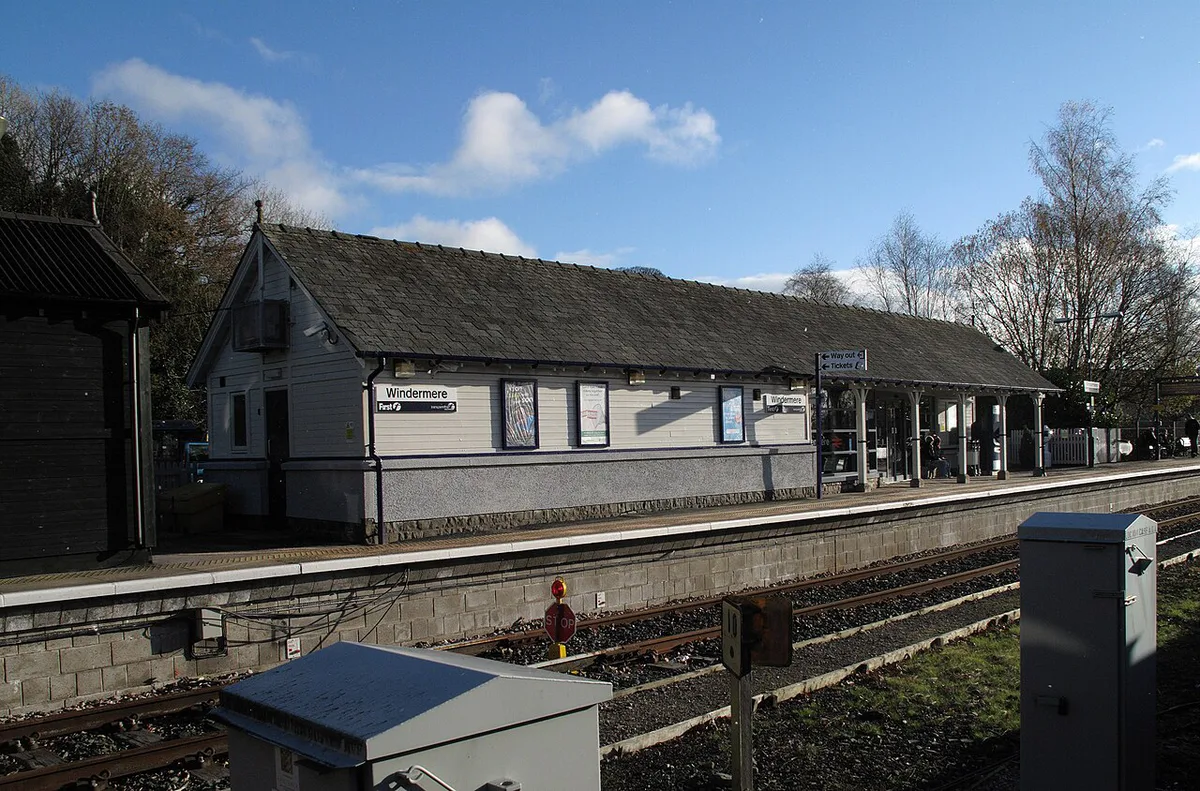
Start with the return, then decide how much walking fits before it. Walking time is only part of your day, which also includes travel, waiting, breaks and the approach to each stop.
- Walk from your base: choose a verified circular route that finishes at your accommodation. Keep a shorter option for poor conditions.
- Linear walk by bus: plan for service at both ends. Where times allow, ride out first and walk back towards your base.
- Eskdale rail outing: choose your return train before choosing a walk. Treat path access, distance and difficulty separately, and have another transport plan ready.
- Boat and walk: treat the sailing as one link in the route. Know how you would get back if it did not run.
- For every outing: write down the start, outward service, walking access, return stop, last practical departure, seasonal limits and backup.
Pub stops, dogs and countryside access
A meal stop works only if its serving hours fit your transport home. Our guide to pubs for walkers can help with ideas, but match current food service to your return time. With a dog, plan the journey as carefully as the path.
- Read our advice on walking with dogs before choosing a route.
- Follow The Countryside Code on your walk.
- Visiting a place cared for by the National Trust? Look up its visitor information and access notes.
Costs and trade-offs
Fares, pass terms and transfer costs depend on your route and travel date. Get current prices from each transport operator, taxi firm and any luggage service you plan to use.
- Pass comparison: price your actual rides as individual tickets, then compare that total with a pass valid on those services.
- Base comparison: add accommodation, transfers, evening taxis and luggage movement for each option.
- Time and effort: compare waiting, changes, walking with bags and how easily each plan can change.
- Driving comparison: use the same dates, travellers and places, with fuel, parking, vehicle hire and other relevant charges included.
- Booking terms: note traveller type, ticket restrictions, cancellation rules and the date you saw each price.
Before you go: protect your return
Make your fallback specific enough to use when phone signal or battery fails. Before a higher-level walk, read the Mountain Weather Information Service forecast and compare your route with the available daylight. Set a turnaround time that leaves room for slower walking.
- Look up outward and return services for the exact date, including diversions and cancellations.
- Identify your last connection and an earlier one to aim for.
- Plan for a full service, missed ride or walk that overruns. Line up a backup taxi or overnight room that is actually available.
- Recheck accommodation access, including how you will manage luggage after dark.
- Allow for the accessibility, dog, bicycle, booking and payment rules that apply to you.
- Save tickets, addresses, phone numbers, maps and timetables offline, with key details also on paper.
- Shorten or drop the walk if conditions or transport no longer support your plan.
Notes for your next walk
Optional updates to our Lake District walking guides.