Dog Friendly Walks in the Lake District: How to Choose
Last updated November 2026: for dog friendly walks Lake District visitors can try at lower level, shortlist Tarn Hows, Aira Force's woodland trails or Ridding Wood in Grizedale Forest. Your dog must be under control around livestock and wildlife, and each route still needs to suit its fitness, mobility and confidence.
Dog access alone doesn't make a path easy or suitable for off-lead exercise. If this outing is part of a longer break, start your wider walking trip plan alongside it.
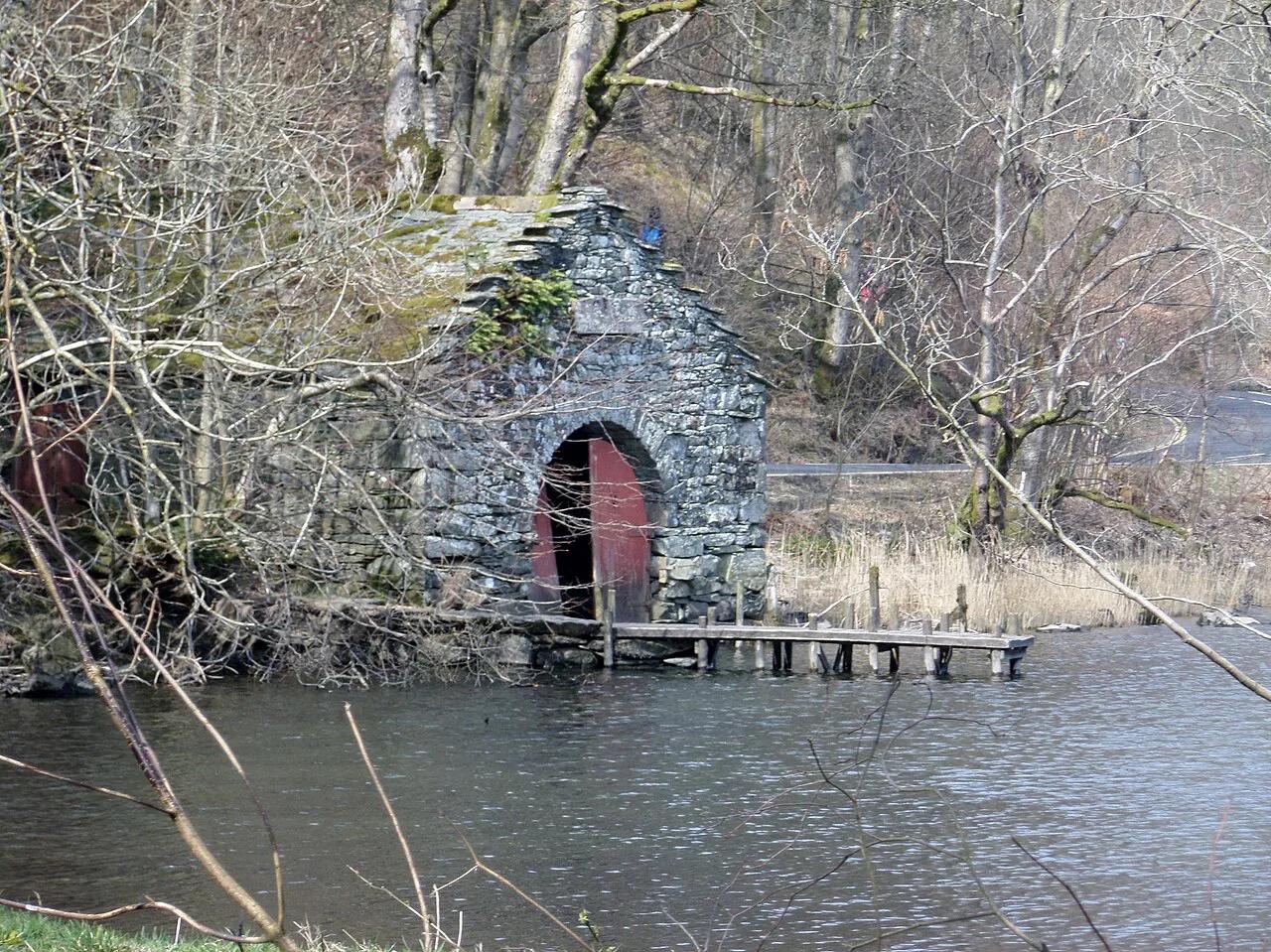
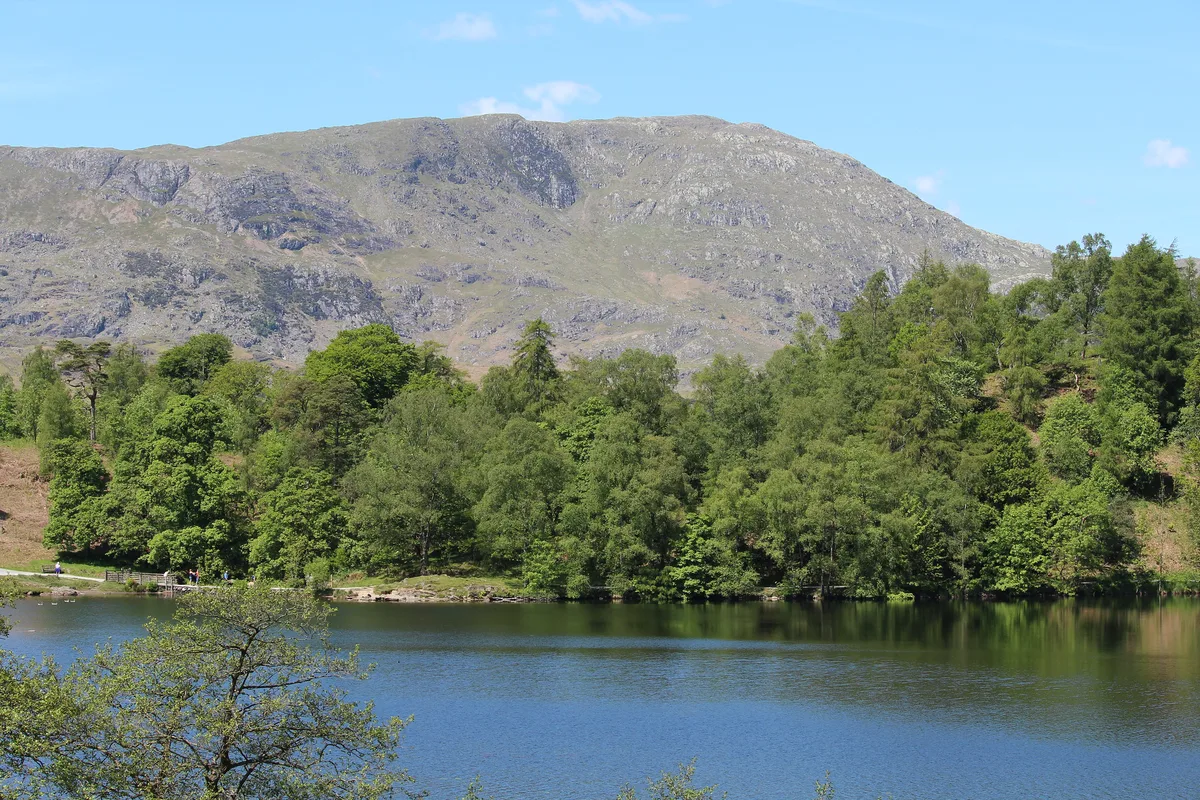
Featured image: ArticCynda, CC BY-SA 4.0, via Wikimedia Commons.
Which Dog Friendly Walks in the Lake District Should You Choose?
Match the walk to your dog first, then work out how you'll both get back. Use this shortlist to narrow your options, then map the exact line, distance and ascent before committing. For an older or less confident dog, rule out any route where you can't establish the footing or an early way back.
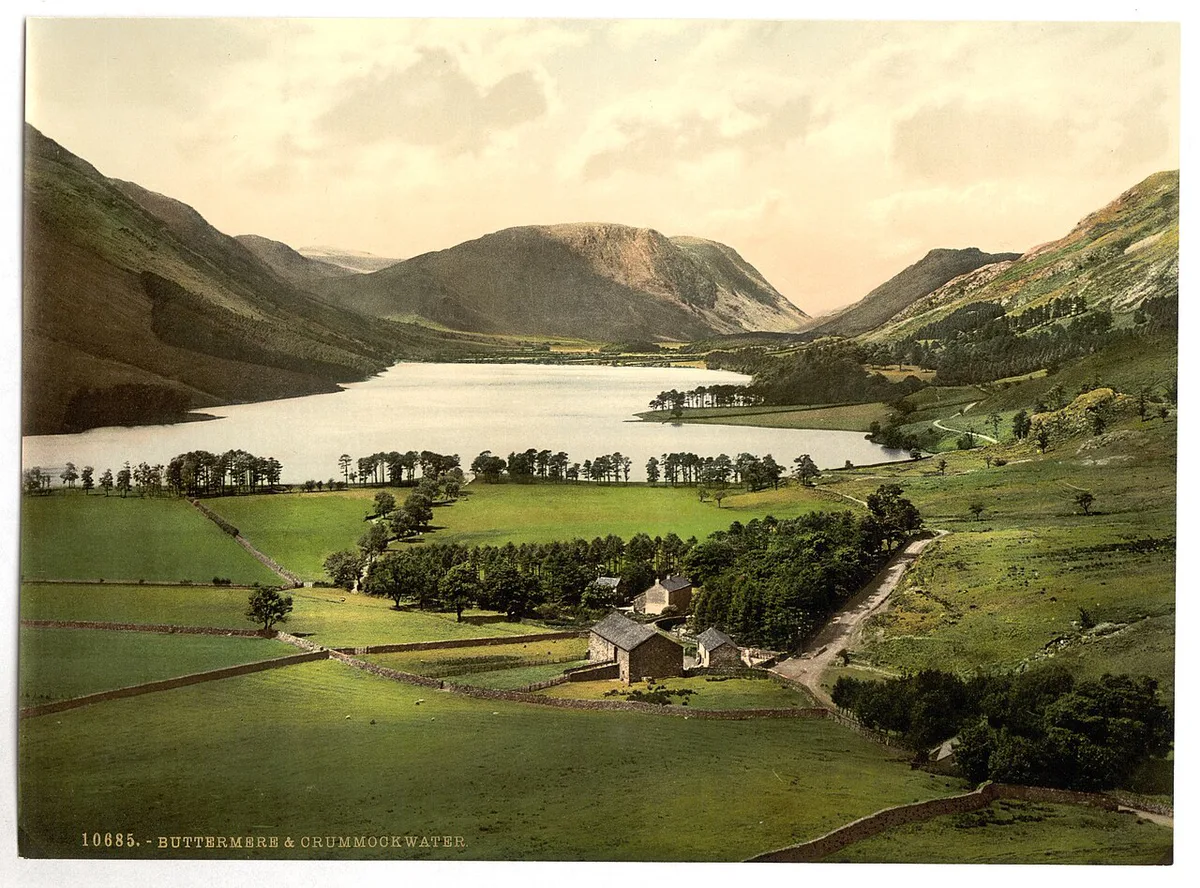
| Walk and area | Consider it for | Find out first | Skip if |
|---|---|---|---|
| Tarn Hows | A lower-level circular walk | Surface, livestock and parking | Your dog can't manage the full loop or pass stock calmly |
| Aira Force | Woodland and waterfall scenery | Steps, rough ground and drops | Steps or edges unsettle your dog |
| Ridding Wood, Grizedale Forest | A shorter woodland option | Current waymarking, distance and surface | You can't establish a suitable trail |
| Ullswater Way section | Walking with a possible boat return | Landing stages, sailings and dog carriage | You have no backup for a missed boat |
| Carron Crag, Grizedale Forest | A longer climb with fell views | Ascent, footing and trail status | Your dog struggles with climbs |
| Catbells, above Derwentwater | A fell walk for an assessed, capable dog | Steep or rocky ground and descent | Your dog lacks confidence on rough slopes |
Shorter Walks and Woodland Options
Treat short, easy and accessible as separate questions. A modest distance can still include awkward steps, while a smooth start tells you little about the rest of a trail. At Aira Force, choose a named woodland trail and look for drops, wet footing and access to fast water. In Grizedale, between Windermere and Coniston Water, compare Ridding Wood on the forest manager's current map.
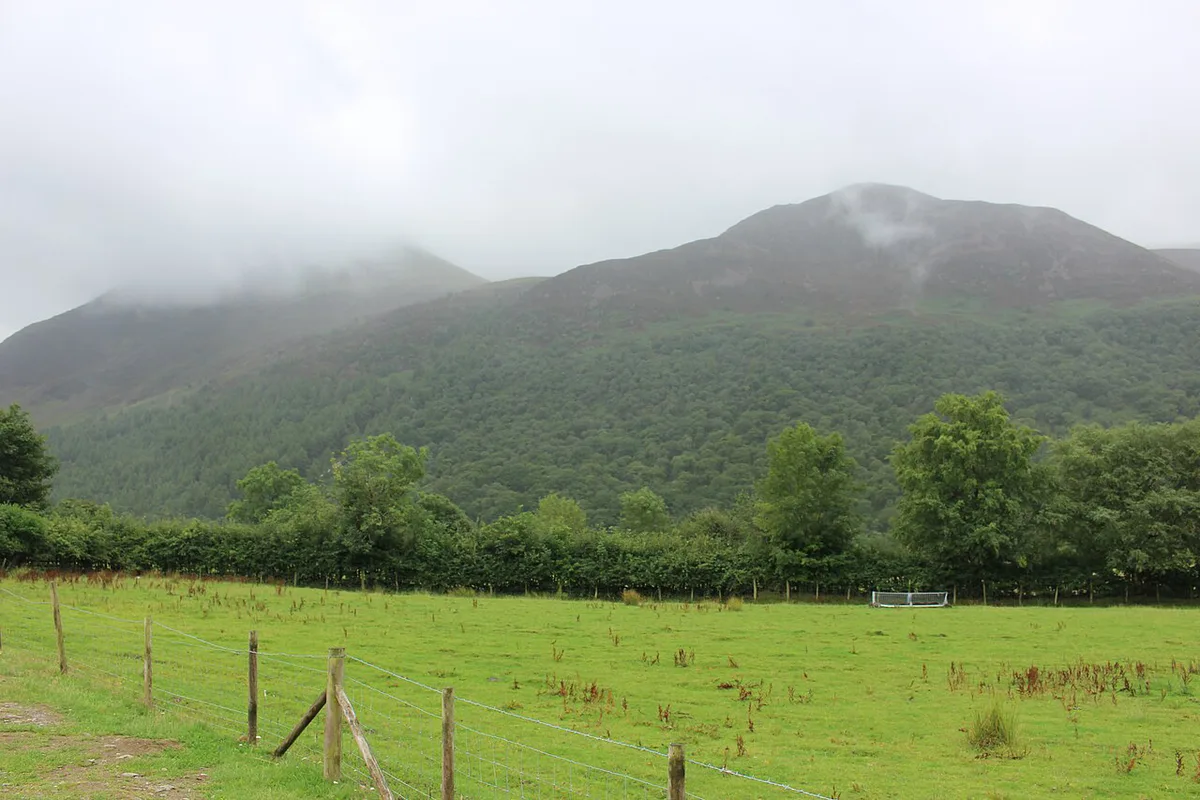
Allan Bank in Grasmere pairs a woodland path with a historic house. Its grounds have been described as home to sheep and red squirrels, with potentially rugged footing. Look up current opening and dog rules on the National Trust website.
- Tarn Hows: consider the circuit if your dog can complete it comfortably. Skip it if there's no suitable way to shorten or abandon your planned outing.
- Aira Force: consider it for woodland time. Choose another walk if your dog pulls near water or struggles on steps.
- Ridding Wood: consider it as a shorter forest candidate. Leave it out if the available route doesn't meet your dog's mobility needs.
Lakeside Walks, Including Boat-Assisted Options
On Ullswater, Steamers calling points include Glenridding, Pooley Bridge and Howtown. That creates scope to walk part of the Ullswater Way and sail another leg, but your chosen direction must match that day's service. Before starting, establish both landing stages, the last useful departure, the dog fare and onboard rules.
Derwentwater, within walking distance of Keswick, offers another option through Keswick Launch. A round trip has been listed at 50 minutes. That is boat time, not your walking or total outing time. Use the operator's current timetable to choose exact boarding and alighting points.
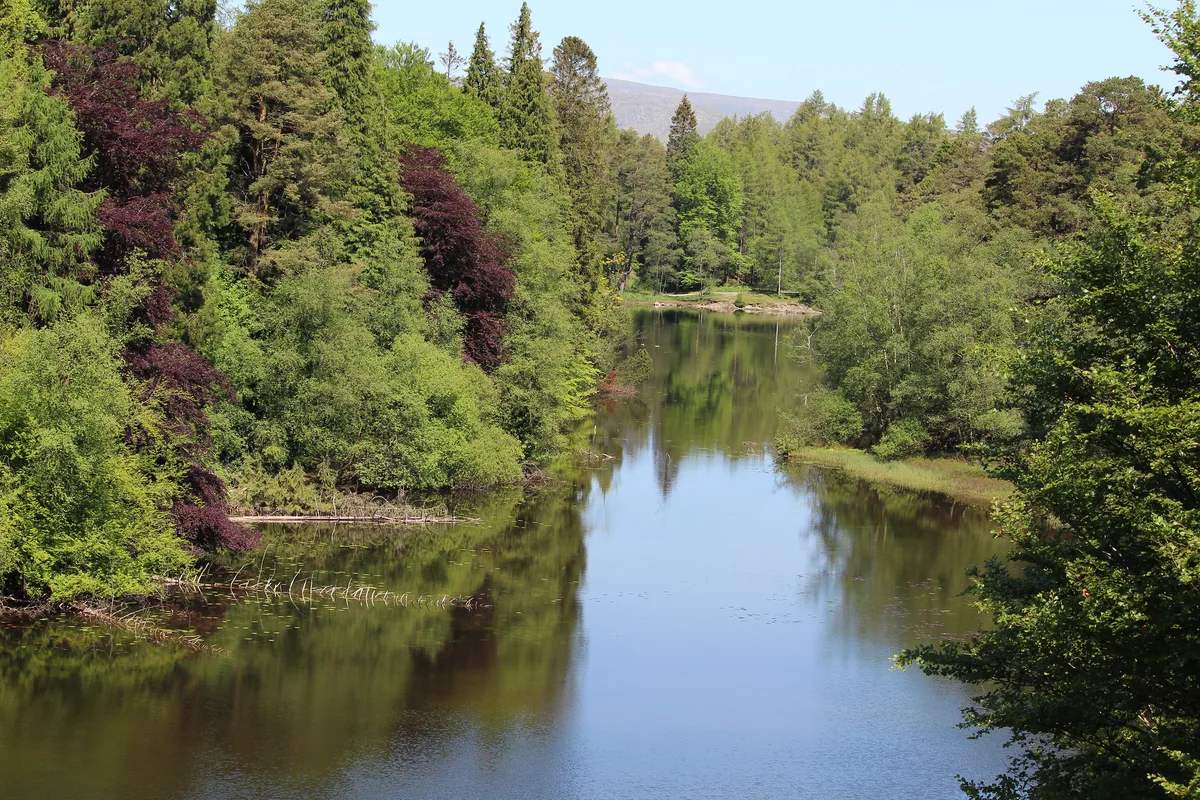
Boats can shorten the walking, but they add fares and dependence on a running service. Plan a land route back that your dog can manage, or arrange confirmed alternative transport. If neither works, postpone the one-way walk when sailings are cancelled. Bring drinking water, and don't assume a lakeshore provides a safe place to drink or swim.
Fell Walks: When to Choose an Easier Route
Latrigg, Carron Crag and Catbells shouldn't be treated as equally demanding. Compare the complete ascent and descent, rough ground, exposed edges, livestock and options for turning round. Carron Crag has been described as a roughly 3-mile trail with views across surrounding fells. Establish whether that figure covers your whole outing, including the return.
For Latrigg, choose and map a specific approach before judging its suitability. On Catbells, look closely for scrambling, steep rock and any section where you might need to lift or restrain your dog. Plan the descent and onward return as carefully as the climb.
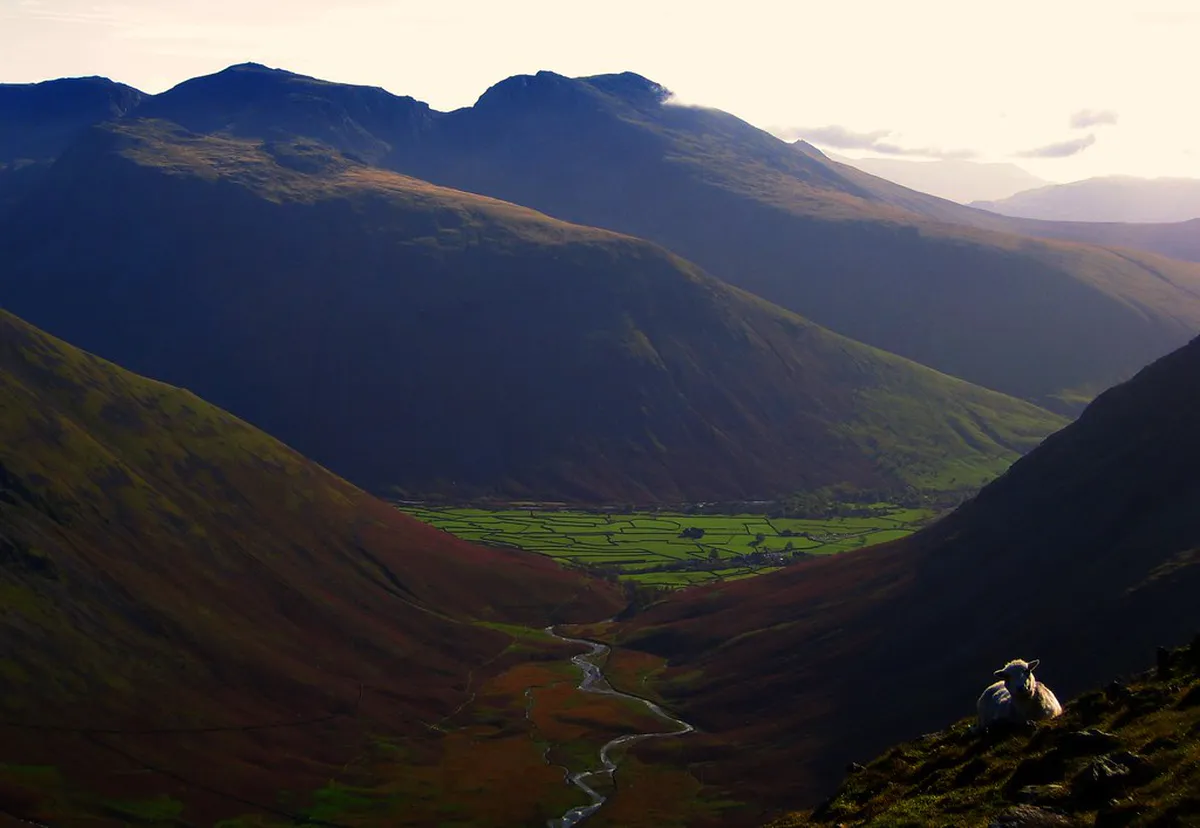
Scafell Pike, England's highest peak, is a serious hiking objective rather than a casual dog walk. A route from Wasdale Head has been described as crossing cattle fields and including kissing gates. Walking lower down still requires a mapped route and a planned turnaround.
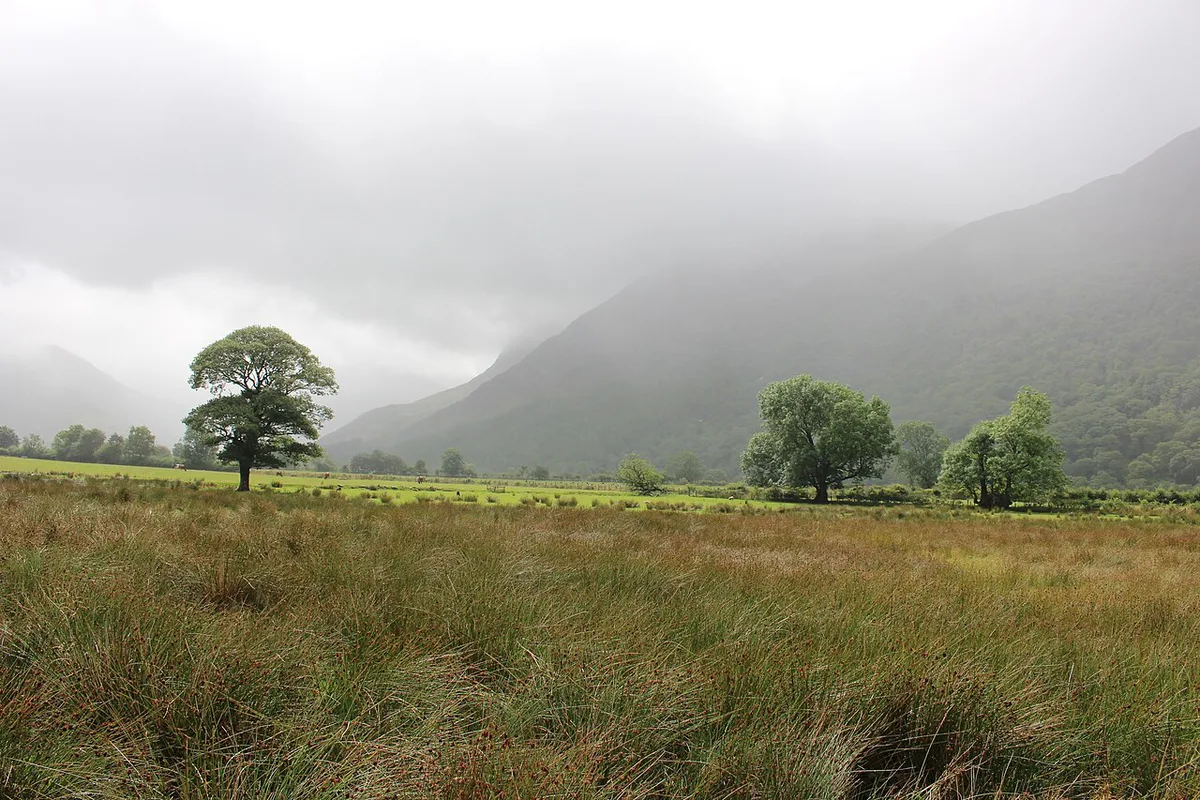
- Skip the climb if heat, poor visibility, strong wind or slippery ground makes handling your dog harder.
- Turn back if your dog hesitates, limps, tires or can't remain controlled.
- Choose a lower walk if the descent requires lifting your dog or managing it beside a drop.
Lead Rules, Livestock and Water Safety
Legal access doesn't remove your responsibility to control your dog. Under the Countryside Code, follow local signs and keep your dog under effective control. On open access land, dogs must be on leads from 1 March to 31 July, even when you can't see livestock. Keep yours leaded around livestock there throughout the year.
Public rights of way and open access land aren't interchangeable, and landowners or managers may post additional restrictions. As practical advice, use a lead near sheep, cattle, wildlife, roads and cyclists. If cattle threaten you, release the lead so you and your dog can get to safety separately. Bag and remove or properly bin your dog's waste.
Keep your dog away from fast water, steep banks and suspected algal blooms. Ask a vet how heat, exertion and swimming risks apply to your dog.
Getting There Without Surprises
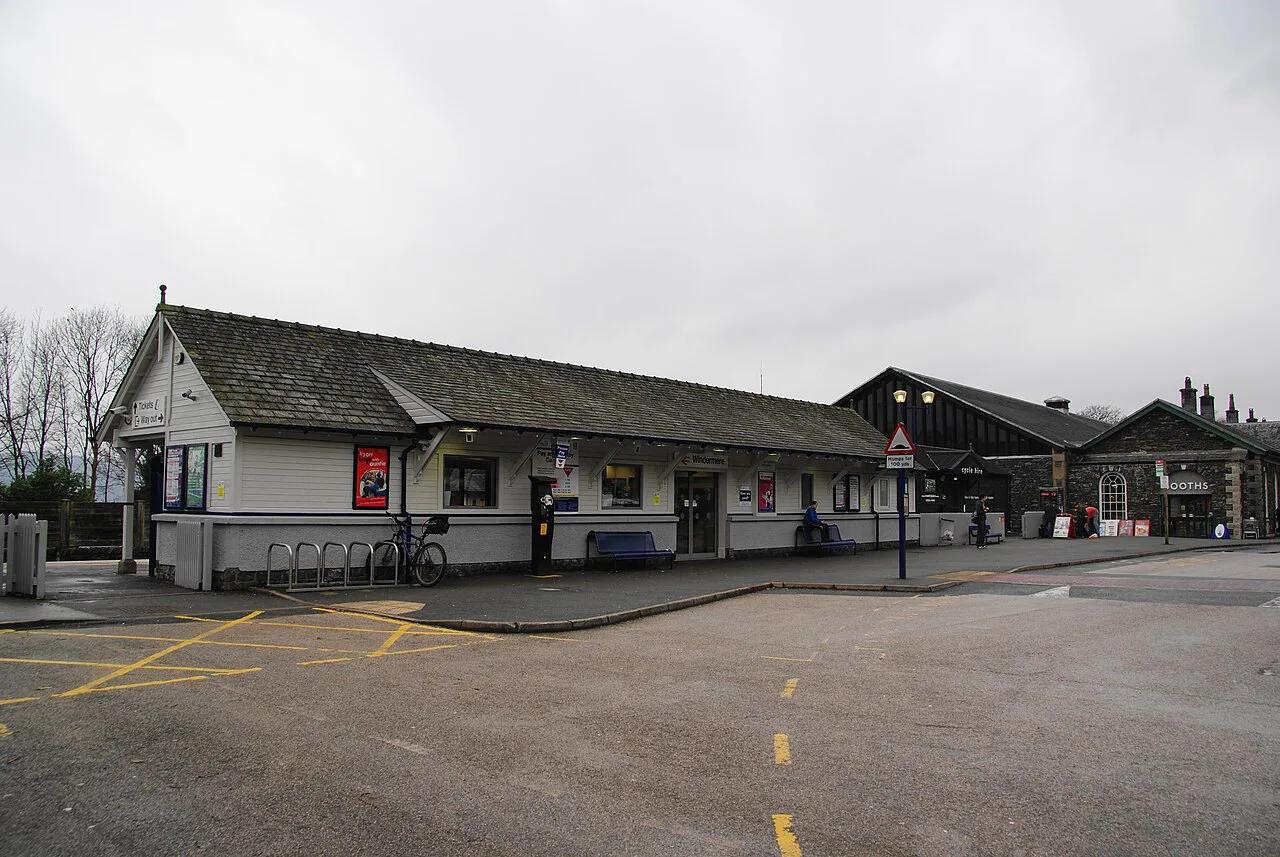
Driving still requires a parking plan at your actual trailhead, especially if you'll finish somewhere else. For bus, boat or rail outings, establish every leg separately because one operator's dog policy doesn't cover another. Our guide to travelling around without driving can help you frame the journey.
For a railway-assisted outing, La'al Ratty links Ravenglass and Dalegarth along about 7 miles of track. Its ride takes about 40 minutes, excluding walking and waiting. Use the Ravenglass & Eskdale Railway site for current services, dog charges and carriage rules. Map your walk and secure the return before using it for a one-way outing.
When choosing a walking base, compare access to your preferred routes. Confirm dog rules directly before booking any room, including when exploring YHA hostel options. For Langdale plans, check whether the Rambler bus service is running and accepts your dog. If you're considering post-walk pub stops, ask each venue where dogs are admitted.
Before You Leave
Compare conditions on your intended walking day with your dog's current ability. For higher ground, consult the Mountain Weather Information Service and keep a lower alternative ready. Don't choose by distance alone, treat dog-friendly as permission to unclip, or depend on an unverified return.
- Route map, planned turnaround and a shorter fallback.
- Weather, ground conditions, closures and local restrictions.
- Parking or both directions of public transport.
- Lead, identification, drinking water, bowl and waste bags.
- A dog that is well enough for the full outing, including the descent.
Frequently Asked Questions
What is the 5 second rule for walking dogs?
This rough heat check involves holding the back of your hand on the pavement for 5 seconds. If you can't do so comfortably, avoid walking your dog on it. A comfortable surface doesn't prove that conditions are cool enough for exercise.
Is 2 miles too far for a dog to walk?
It can be, depending on your dog's age, health, fitness, breed and mobility. Ascent, footing and heat also change the effort involved. Ask your vet if you're unsure, especially for puppies, older dogs or dogs with health conditions.
Are off-lead walks better for dogs?
Not automatically. Off-lead time can allow more freedom to explore, but only where it's permitted and your dog stays under effective control. A lead is the better choice around livestock, vulnerable wildlife, traffic or dangerous ground.
Notes for your next walk
Optional updates to our Lake District walking guides.