Langdale Rambler Bus: 516 Route and Walker Planning Tips
Last updated November 2026: for the Langdale Rambler bus, look for the 516 from Ambleside into Great Langdale in current Stagecoach Cumbria information. As your bus to Langdale, that route is only safe to plan around once Stagecoach shows it for your travel date, so check live status first. Settle your journey back before choosing a walk.
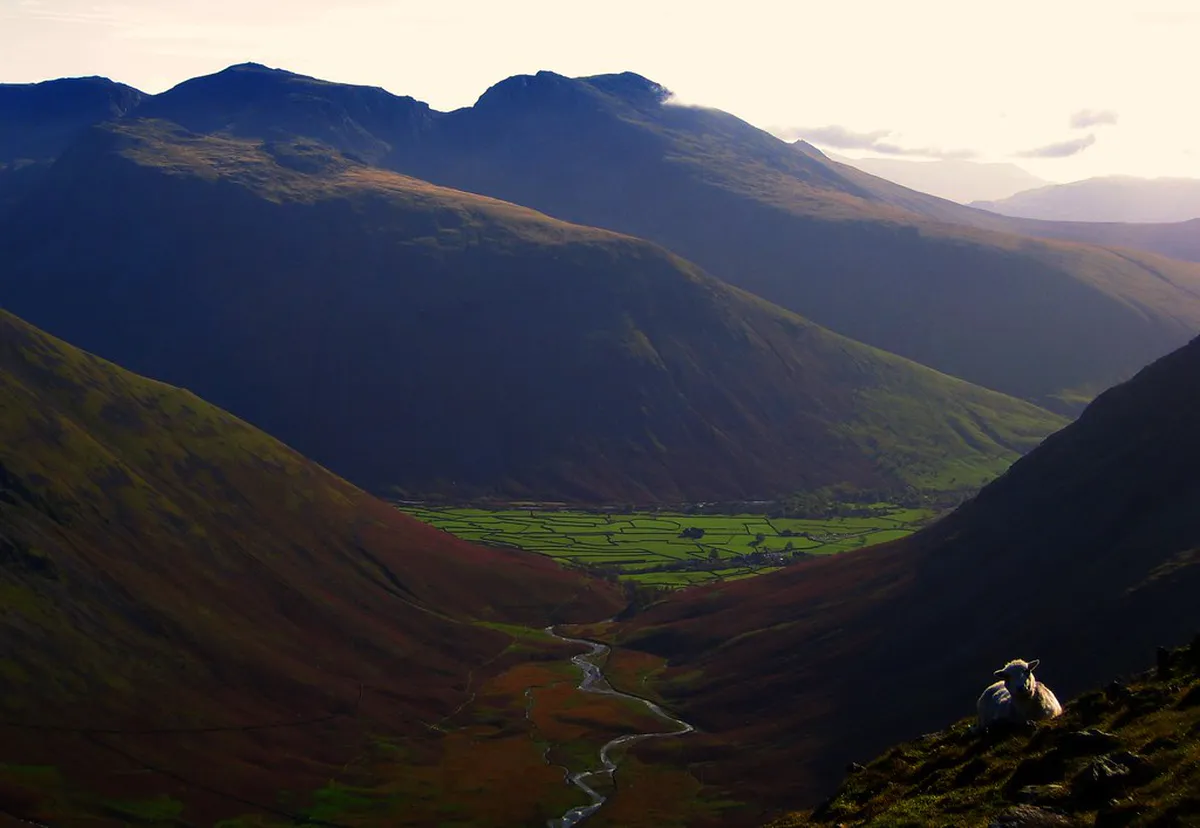
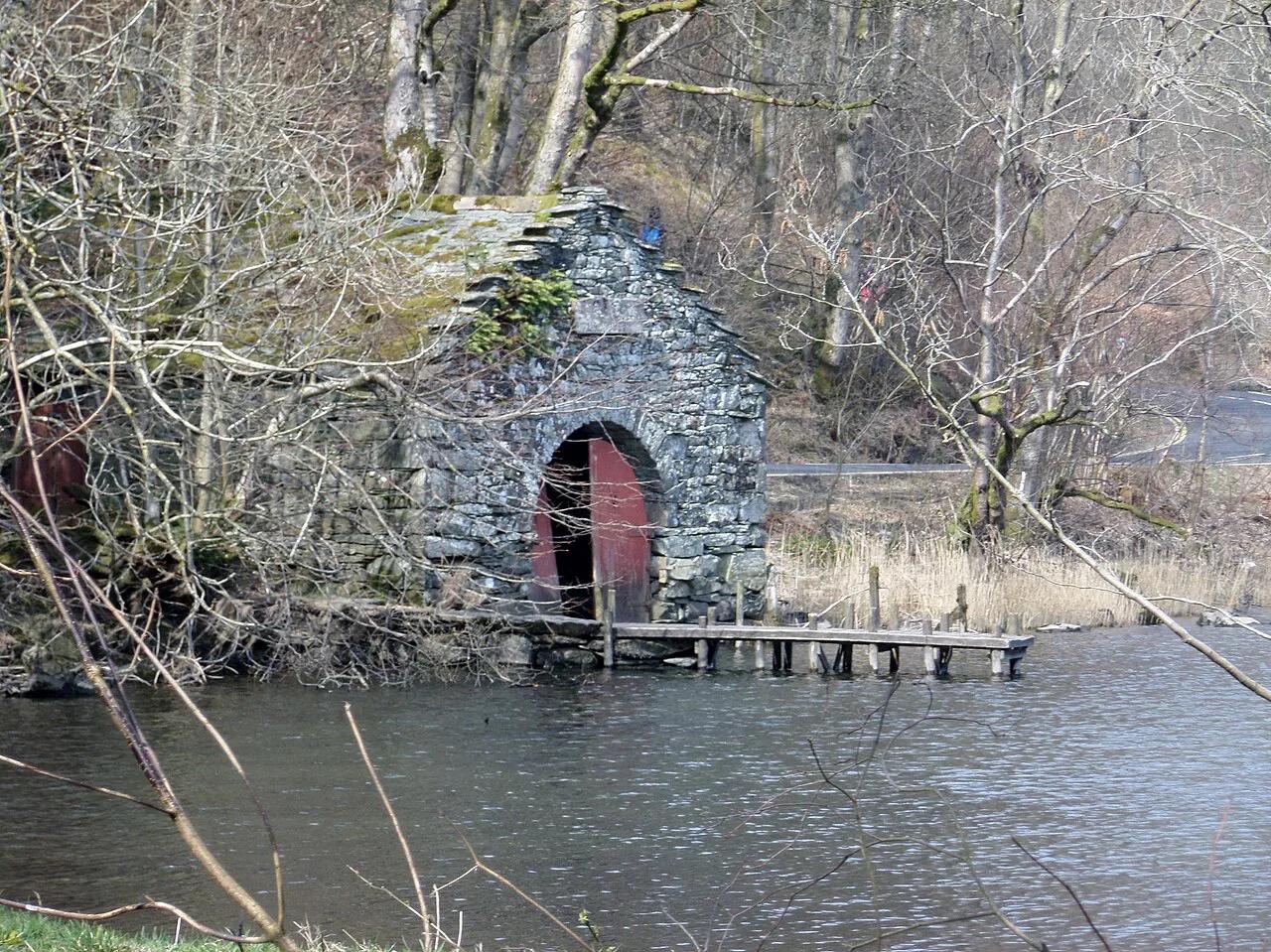
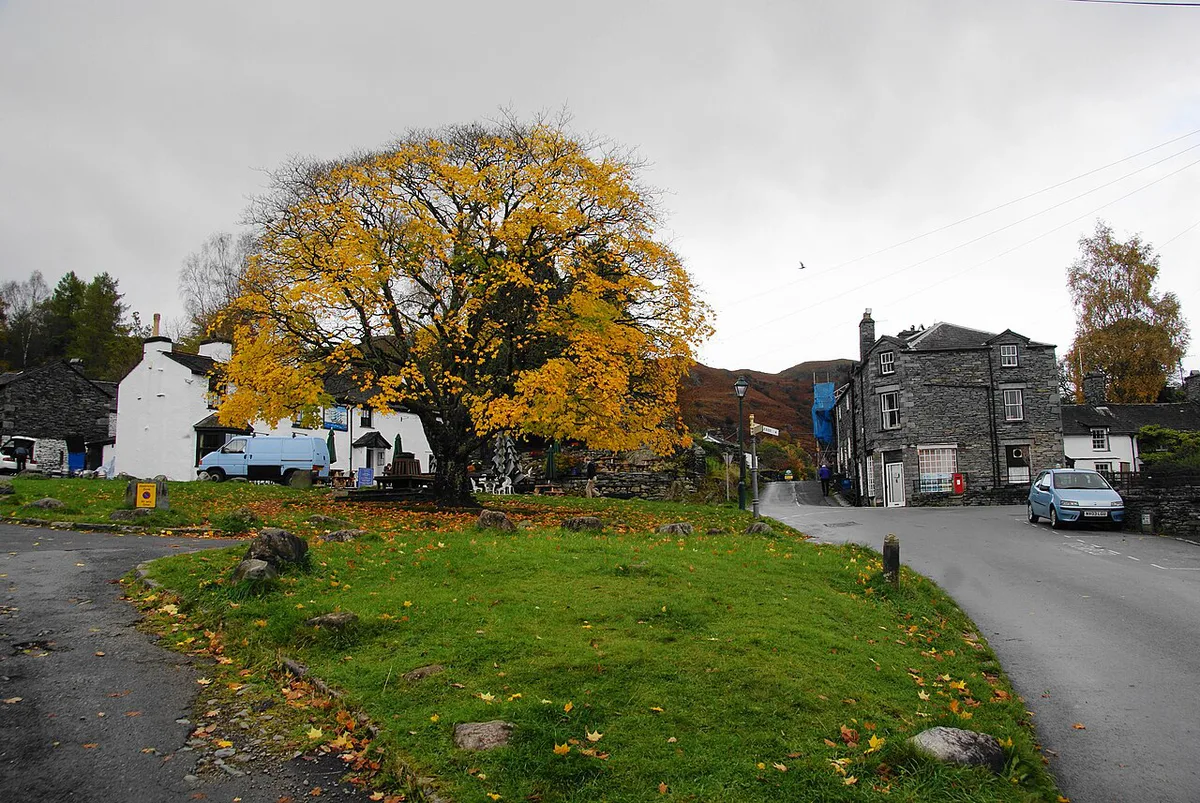
Featured image: Graeme Kerr, CC BY 2.5, via Wikimedia Commons.
Is the Langdale Rambler Bus Running on Your Date?
Treat a saved timetable, old leaflet or third-party listing as background only. Search Stagecoach Cumbria's own information for your exact day, then read any notices about cancellations or diversions. Weekends, school holidays, bank holidays and seasonal changes deserve a separate look, because an ordinary weekday result may not apply to them. A blank journey-planner result alone doesn't prove that a service has been withdrawn.
- Service: match the route number, name and operator shown for your journey.
- Date: select the day you'll travel, including its seasonal timetable period.
- Direction: view both the outward and return journeys.
- Disruption: look at service updates again on the morning you leave.
Route From Ambleside Into Great Langdale: Stops to Pin Down
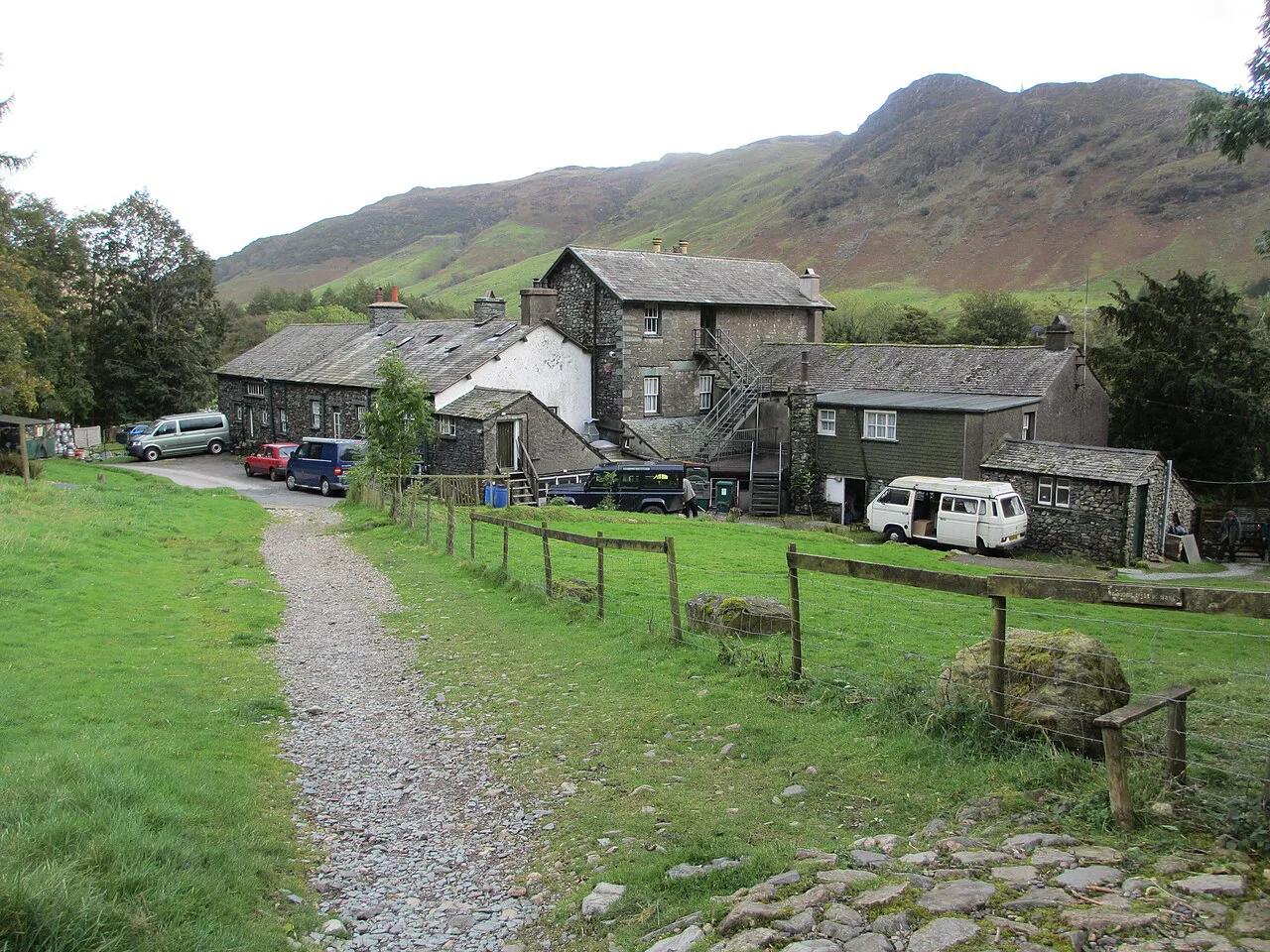
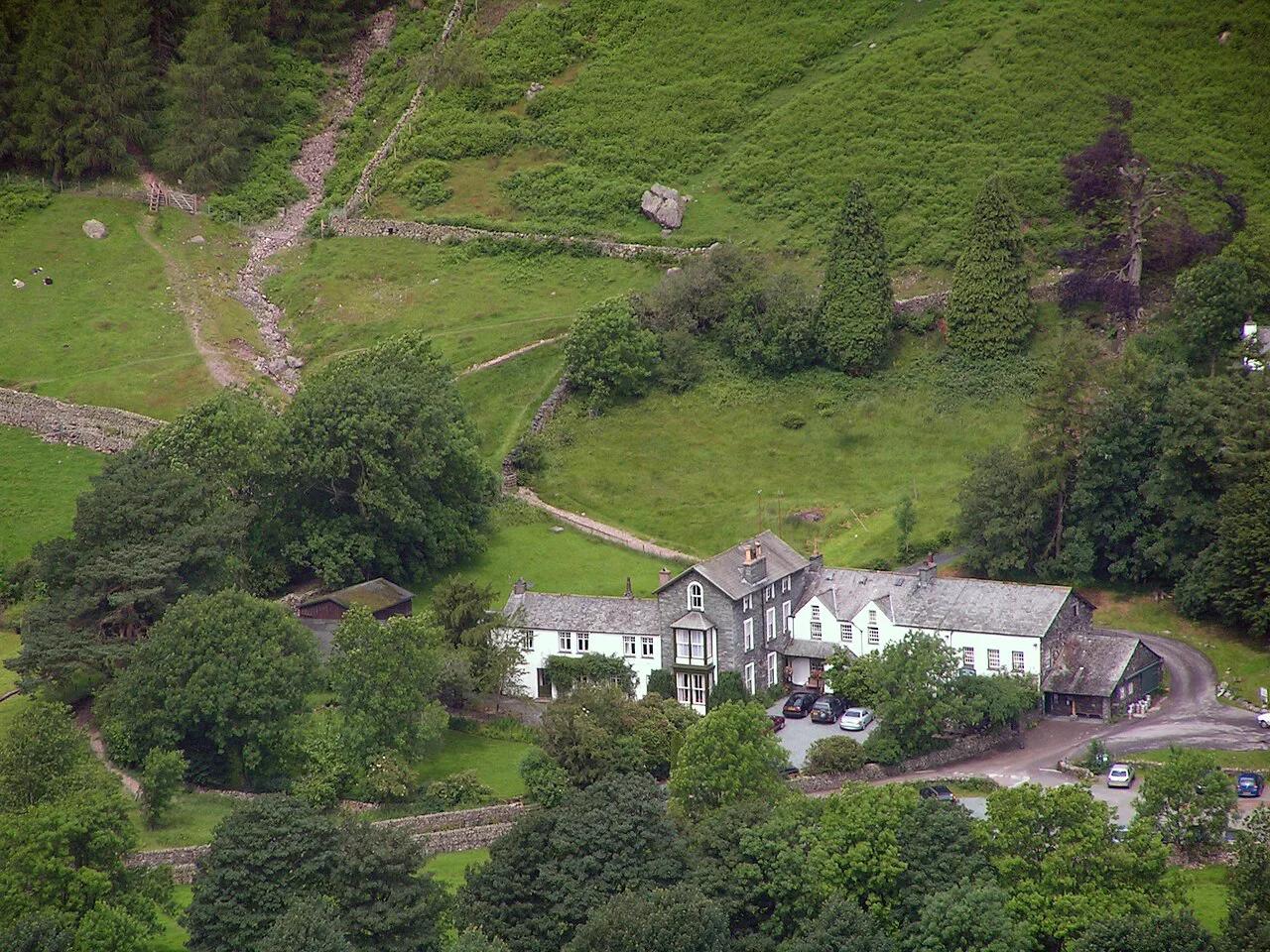
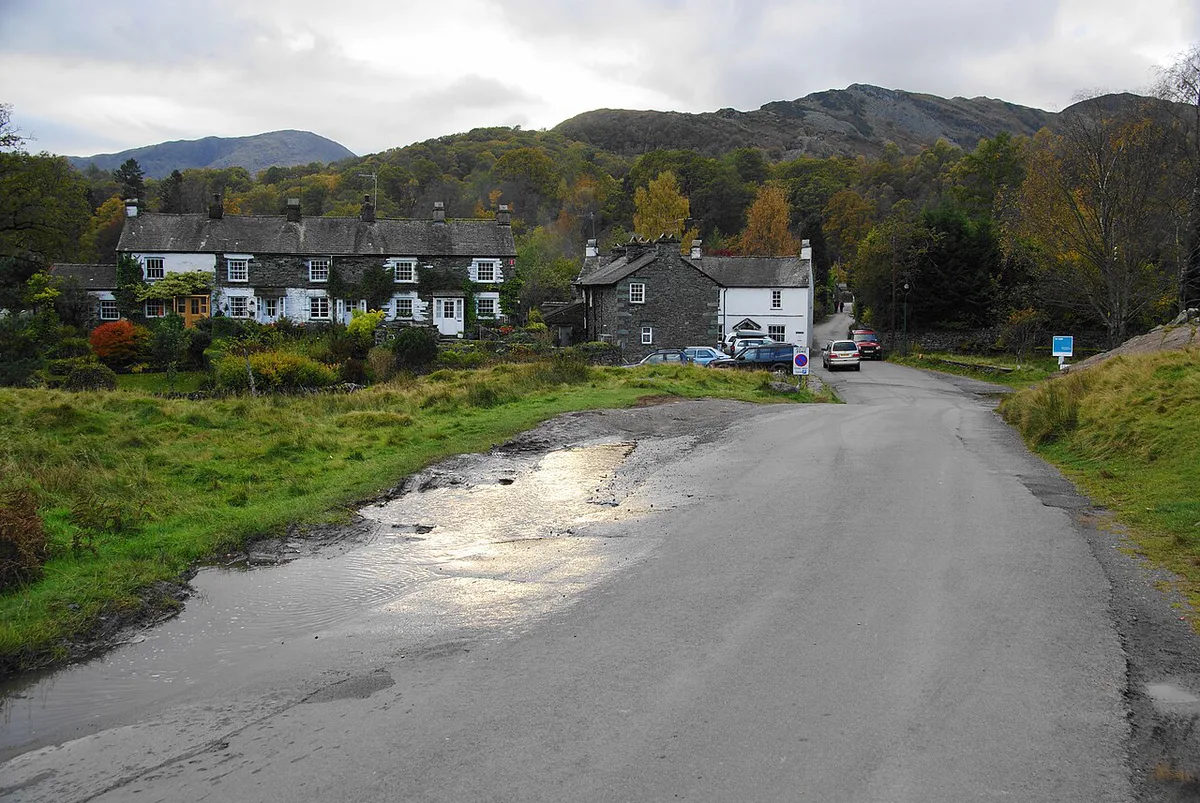
Ambleside is your starting point for this journey, and Great Langdale is where you're heading. Pick your boarding and alighting stops from the operator's route information rather than from a walking map alone. A village, car park or pub beside a road doesn't necessarily have a stop outside it. If your plans include the Old Dungeon Ghyll, use the hotel's own website for venue details. Match that location to a listed bus stop separately.
| Detail to settle | Why it matters to a walker | Where to look |
|---|---|---|
| Ambleside boarding point | You need to wait in the right place for your direction | Operator stop information and signs at the stop |
| Outward alighting stop | It sets where your walk really begins | Current route information and a detailed map |
| Return boarding point | It may differ from where you got off | Return-direction stop information |
| Fixed or request stop | It affects how you board and alight | Operator guidance or the driver |
| Path from stop to trail | Nearby on a map may not mean a safe or direct walk | Detailed map and official access information |
Timetable Planning: Choose the Return First
Take departure times, frequency and journey length from the dated Stagecoach timetable for your travel day. Work backward from your journey home before picking an outward bus.
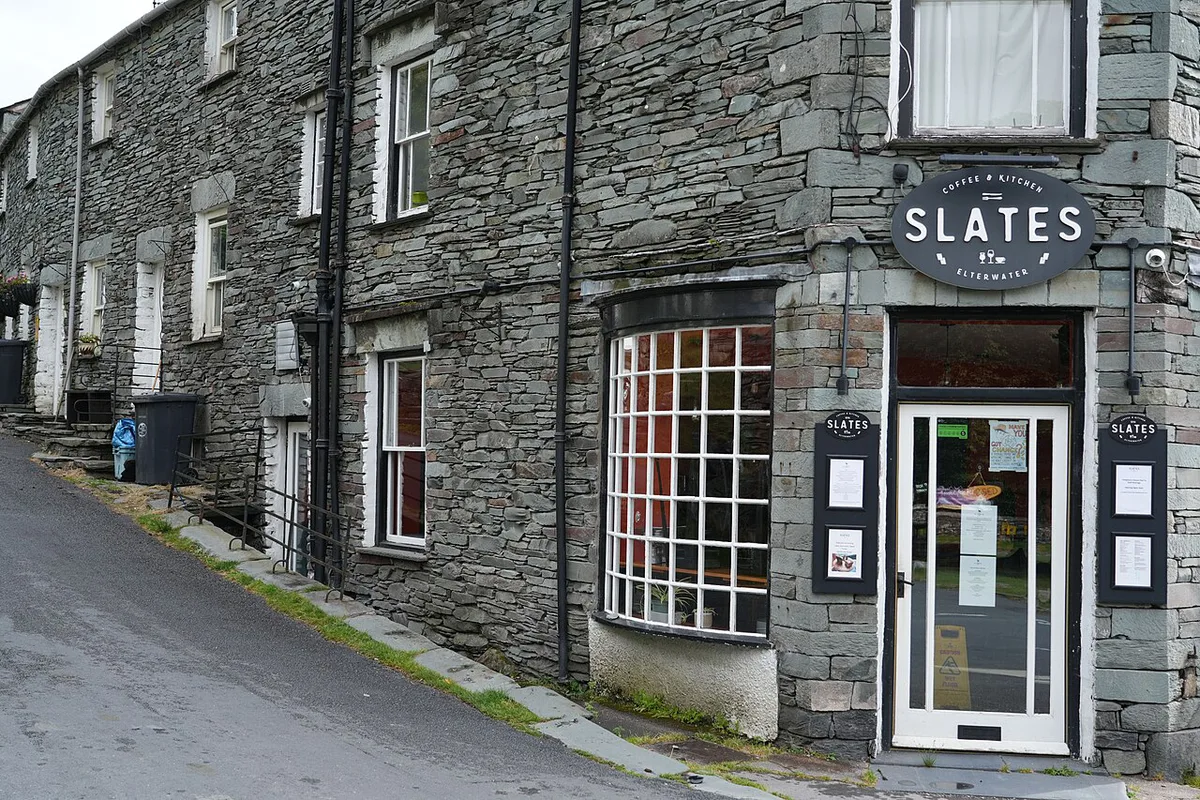
Confirm the 516 runs on your exact date before working backward, since every return time depends on that one service.
- Find the last return that gets you where you need to be, including any onward connection.
- Make an earlier departure your target, so you have a fallback.
- Allow time to walk from the end of your route to the correct stop, with a margin for delays.
- Choose your outward bus, then a walk that fits the time between the two journeys.
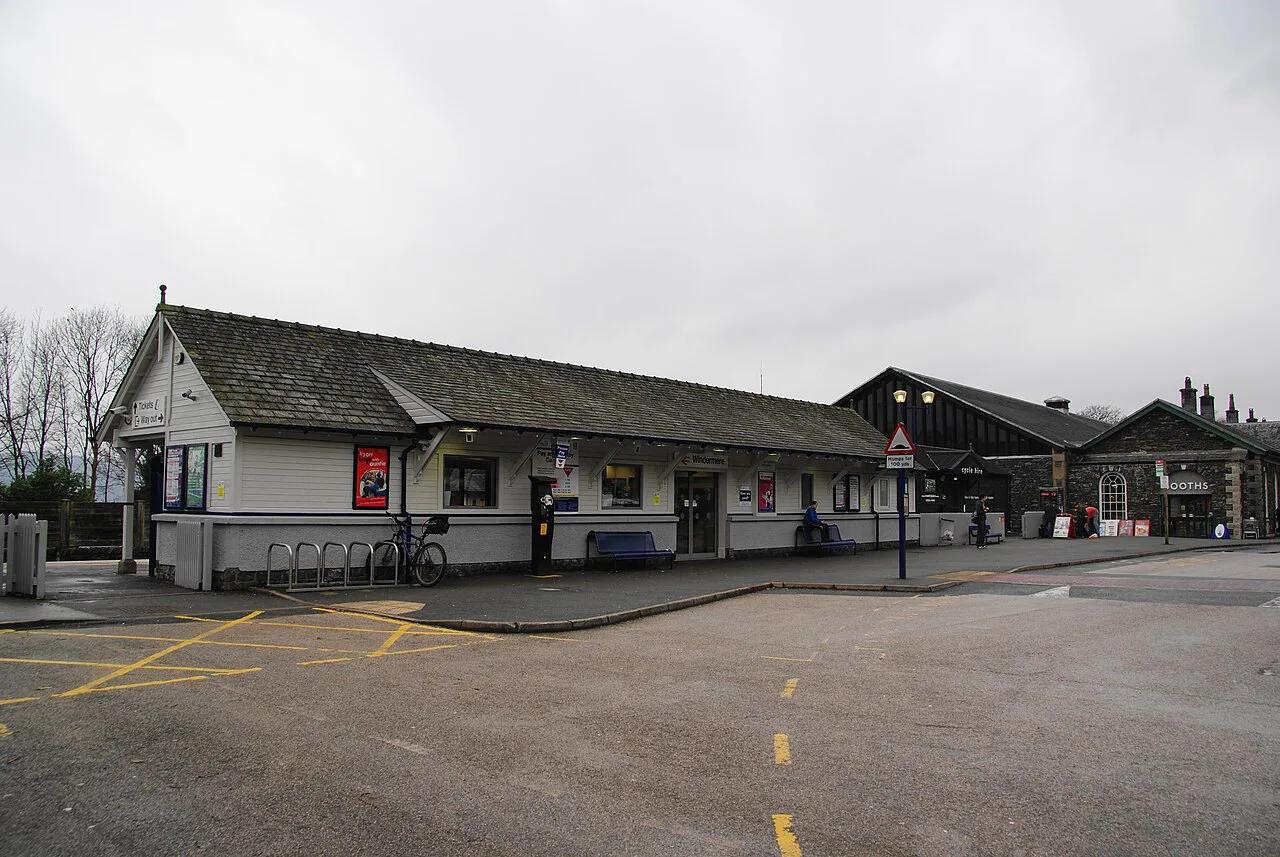
- If you're connecting from a train, look up rail times and your onward link to Ambleside for the same date.
Tickets and Fares
Use Stagecoach's official ticket information for fares and passes, including any option to buy online. Compare the total for everyone travelling with what one car would cost in fuel and parking.
- Ticket type: see which single, return, day, group or family options apply to your journey.
- Concessions and passes: read the eligibility and time restrictions.
- Payment: find out which methods you can use before you board.
- Connections: see whether your ticket covers other services or operators on the way.
Using the Bus to Langdale for a Walk
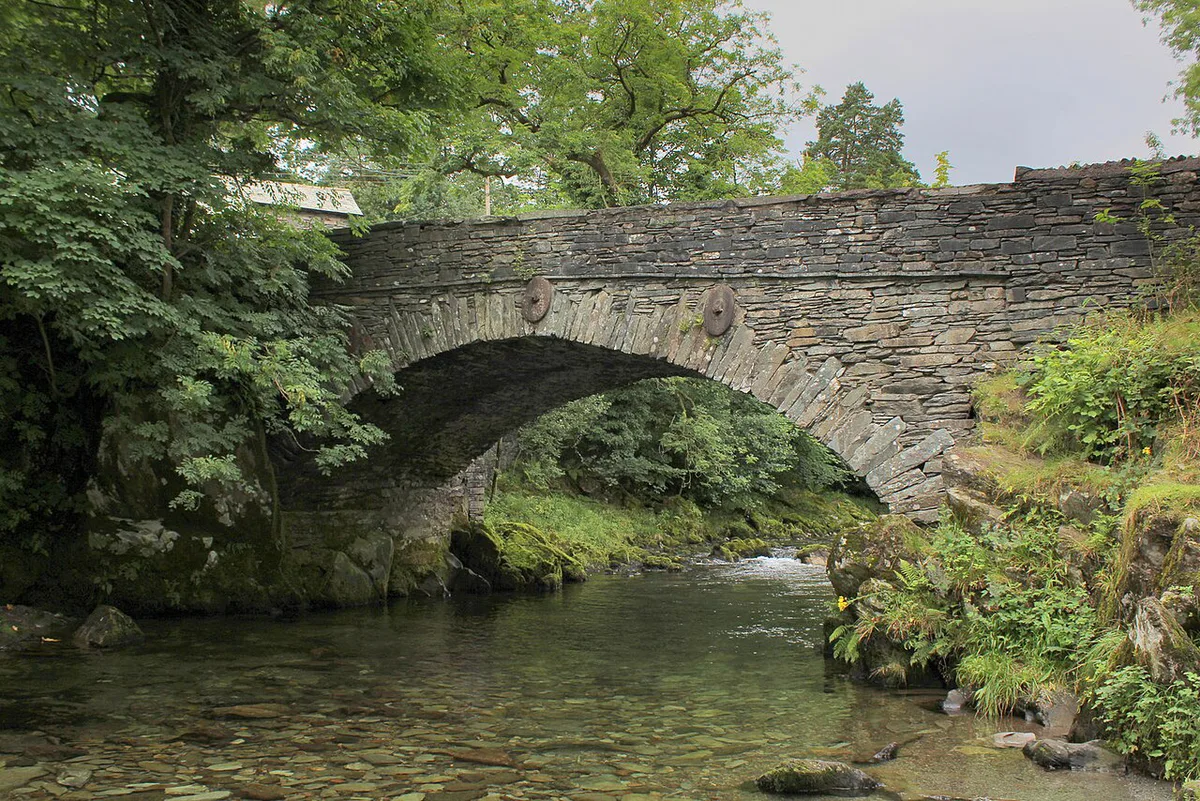
Your return stop should shape the walk as much as your chosen summit or valley path does. A loop from one stop keeps the logistics simple, while a linear route lets you finish elsewhere but depends on your finishing stop being served. Set a turnaround time and shorten the route early if your pace slips. Carry a backup plan that works without phone signal, and don't count on getting a taxi at short notice. Before leaving, read a mountain weather forecast if you're heading onto the fells. Late November brings short days, so leave room for slower ground, poor visibility and an early finish. On farmland and in the wider countryside, follow the Countryside Code.
| Walk plan | Main advantage | Main risk | Settle before leaving |
|---|---|---|---|
| Out-and-back or loop from one stop | You learn one area for arrival and departure | A late finish can still miss the bus | Return stop, turnaround time and shorter option |
| Linear walk between stops | No need to get back to your starting point | Turning back may take you away from your planned pickup | Both stops, escape options and service in the right direction |
| Short visit between buses | A clear time limit for your outing | Little slack for delays or slow walking | Actual walking time available and a later fallback, if one runs |
Bus, Car or a Walking Base Nearby?
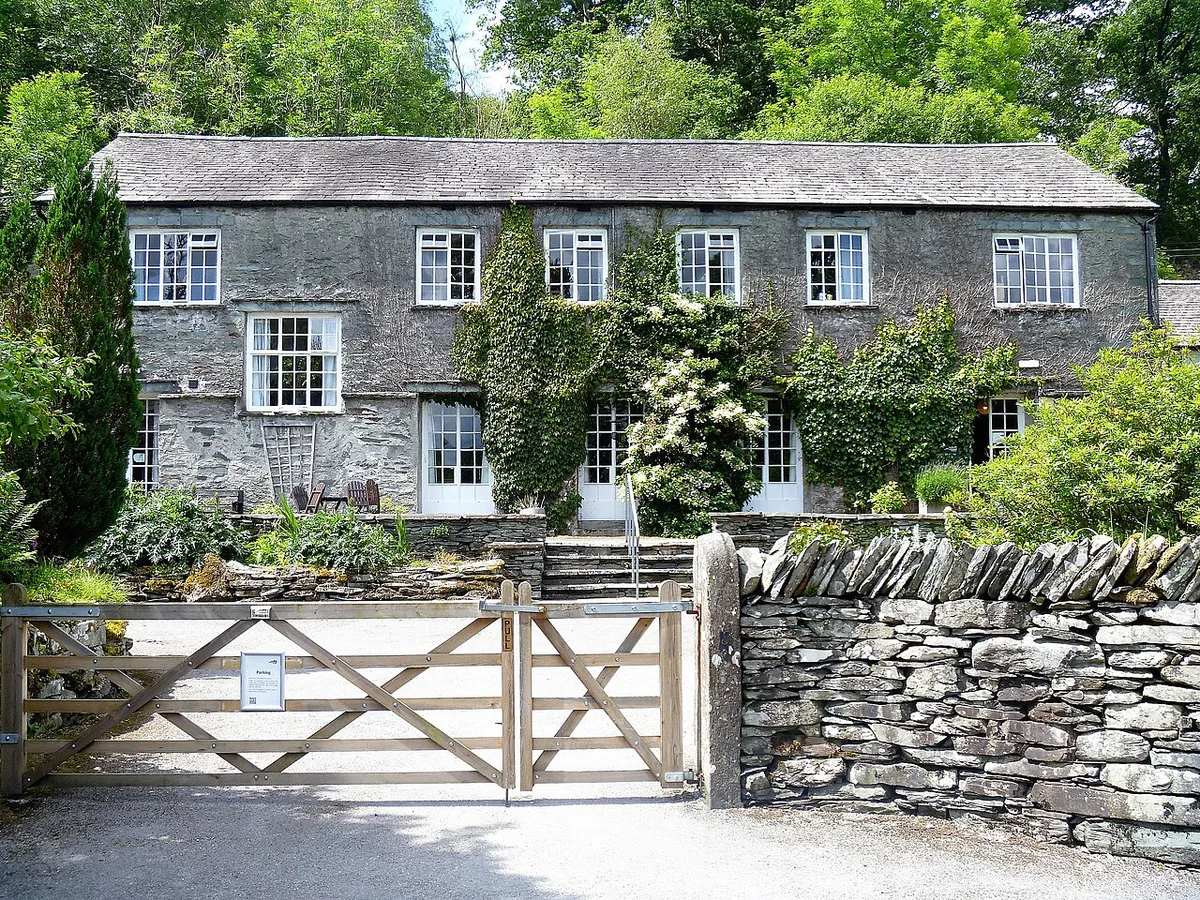
Bus travel suits walks that fit comfortably within service times, including linear routes with a served stop at the finish. Driving may work better when your plans fall outside those hours, but you'll need parking and a way back to the car. For any National Trust parking you're considering, look for details on the Trust's website. Staying within walking reach can remove the ride altogether, provided you're comfortable with the route from your door. Compare walking bases across the Lakes before booking. Hostel travellers can browse Lake District YHA options, then map each property against your intended walk or stop. For wider connections, read about visiting the Lakes car-free. Longer breaks need broader walking holiday planning.
| What to compare | Bus | Car | Staying within reach |
|---|---|---|---|
| Total party cost | Add everyone's fares or a suitable group ticket | Add fuel, parking and any hire cost | Add any extra accommodation cost |
| Door-to-start time | Include connections, waiting and walking from the stop | Include traffic, parking and walking to the path | Measure the walk from your room to the route |
| Flexibility | Limited by departures | Fewer timing limits, subject to parking | No ride needed for walks from the door |
| Parking | None needed if you reach the bus without driving | Needed near your walk | None needed for the walk if you arrive without a car |
| Linear walks | Possible with a served finishing stop | Needs a way back to the car | Needs a route or transport back to your base |
| Return risk | Missed or cancelled bus | Delay getting back to the car or traffic | Delay or difficult conditions on the walk back |
Access, Dogs, Bikes and Luggage
Access depends on both the vehicle and the stop, so a general operator policy may not answer every question. Ask Stagecoach about step-free boarding, wheelchair space and kerb conditions at your chosen stops before relying on the journey. Dog owners can plan the outing with our advice on Lakes walks with dogs. Bus rules for animals come from the operator. Planning a drink or meal afterward? Browse pubs suited to walkers, then work out whether your choice leaves enough time to reach the return stop.
- Travel date: have the correct timetable and the latest disruption notices.
- Boarding: know both stops, including the point for your return direction.
- Return: note your target bus, any fallback and what you'll do if neither runs.
- Ticket: know which option and payment method you'll use.
- Personal needs: settle access, dog, pushchair, bike and bulky-bag questions, including space limits.
- Walk: match your route to the weather, daylight and your group's pace.
Notes for your next walk
Optional updates to our Lake District walking guides.