Lake District Weather for Walkers: What to Check
Last updated November 2026: Lake District weather can differ sharply between valley and summit, so a town forecast won't describe conditions on the fells. Read the current Met Office mountain forecast before choosing a route, then look again before setting off. Use the guidance below to decide whether to keep, change or drop your walk, but get live conditions from the forecast itself.
Featured image: SteveMi, CC BY 3.0, via Wikimedia Commons.
Which Lake District weather forecast should walkers use?
For high ground, start with a mountain forecast. Met Office mountain coverage includes conditions by altitude, summit forecasts, hazard information and a written outlook. You can also consult MWIS mountain forecasts. Its Windermere forecast serves a different purpose, describing that location rather than distant valleys or high ground.
A lower walk that may climb past 300m needs the mountain forecast as well, because hazard guidance starts at that height.
| Your plans | Forecast to check | What it helps you decide | What it can't tell you |
|---|---|---|---|
| High fell or summit walk | Lake District mountain forecast | Whether conditions at height suit your route | Whether your group can manage the route safely |
| Lower walk | Local forecast for the area, plus the mountain forecast if you may gain height | Timing, clothing and possible changes | Ground conditions along every section |
| Time around Windermere | Windermere location forecast | Plans in and around that location | Conditions on distant fells |
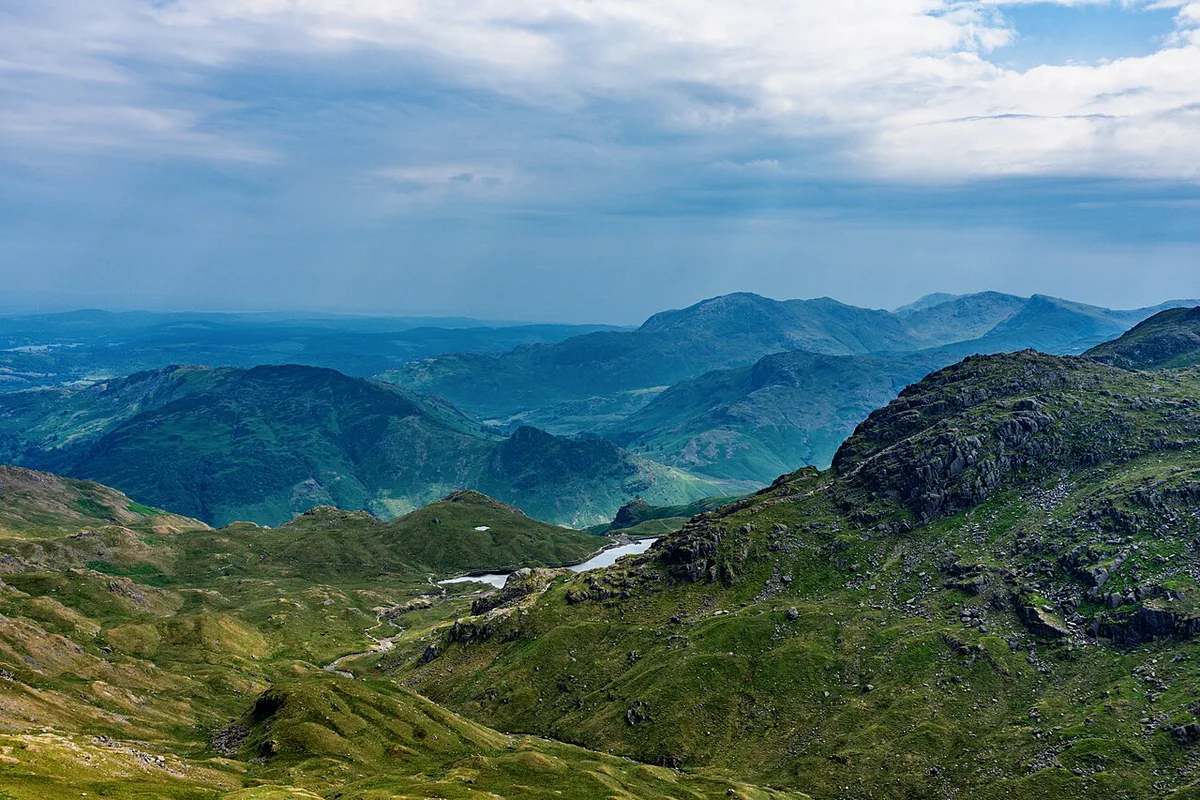
How to read the mountain forecast before a walk
Read for your route, heights and walking hours. This order is our editorial suggestion. Met Office hazard guidance applies at or above 300m, where conditions can be more severe. Lower ground can still have hazards.
- Warnings and hazards: note their timing, likelihood and any official advice.
- Wind and gusts: compare the heights you'll reach, including exposed sections.
- Rain or snow: check timing and chance. A percentage chance doesn't tell you how heavy it will be.
- Cold: compare air temperature, feels-like temperature and freezing level. Freezing level is the height where air temperature reaches 0°C (32°F).
- Cloud and visibility: read cloud base, visibility and the chance of cloud-free hill tops. A clear summit doesn't mean a dry or safe walk.
- Written details: read the meteorologist's comments and any ground conditions report.
- Timing: note the update time, forecast date and available daylight.
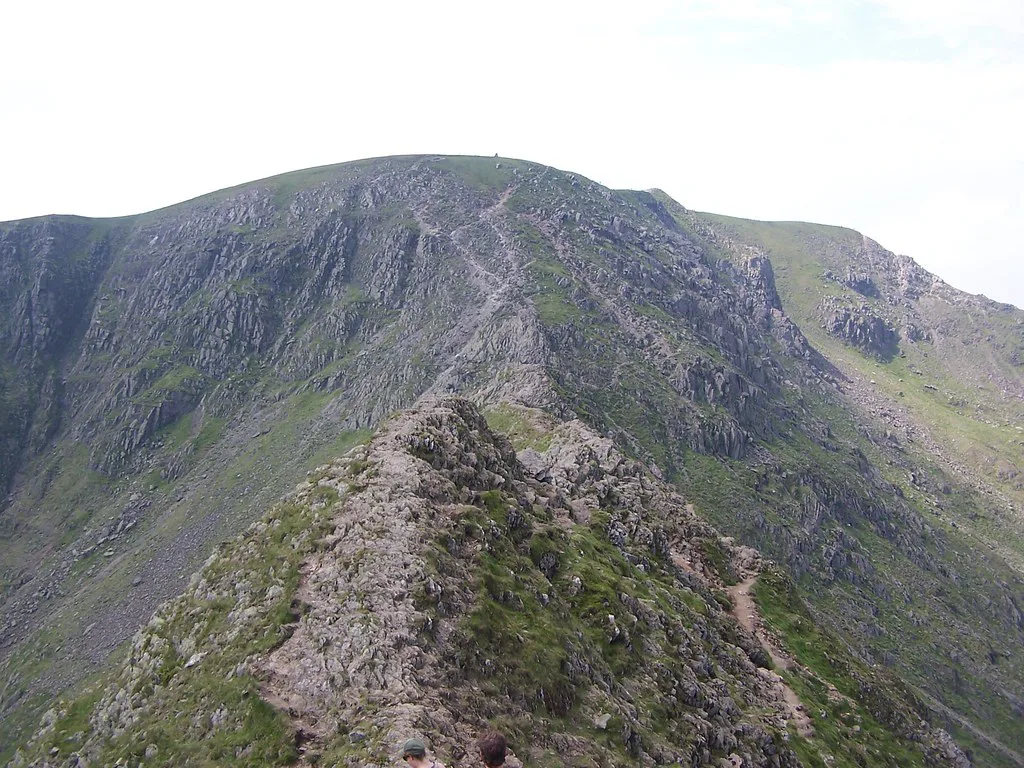
Why valley and fell-top conditions need separate checks
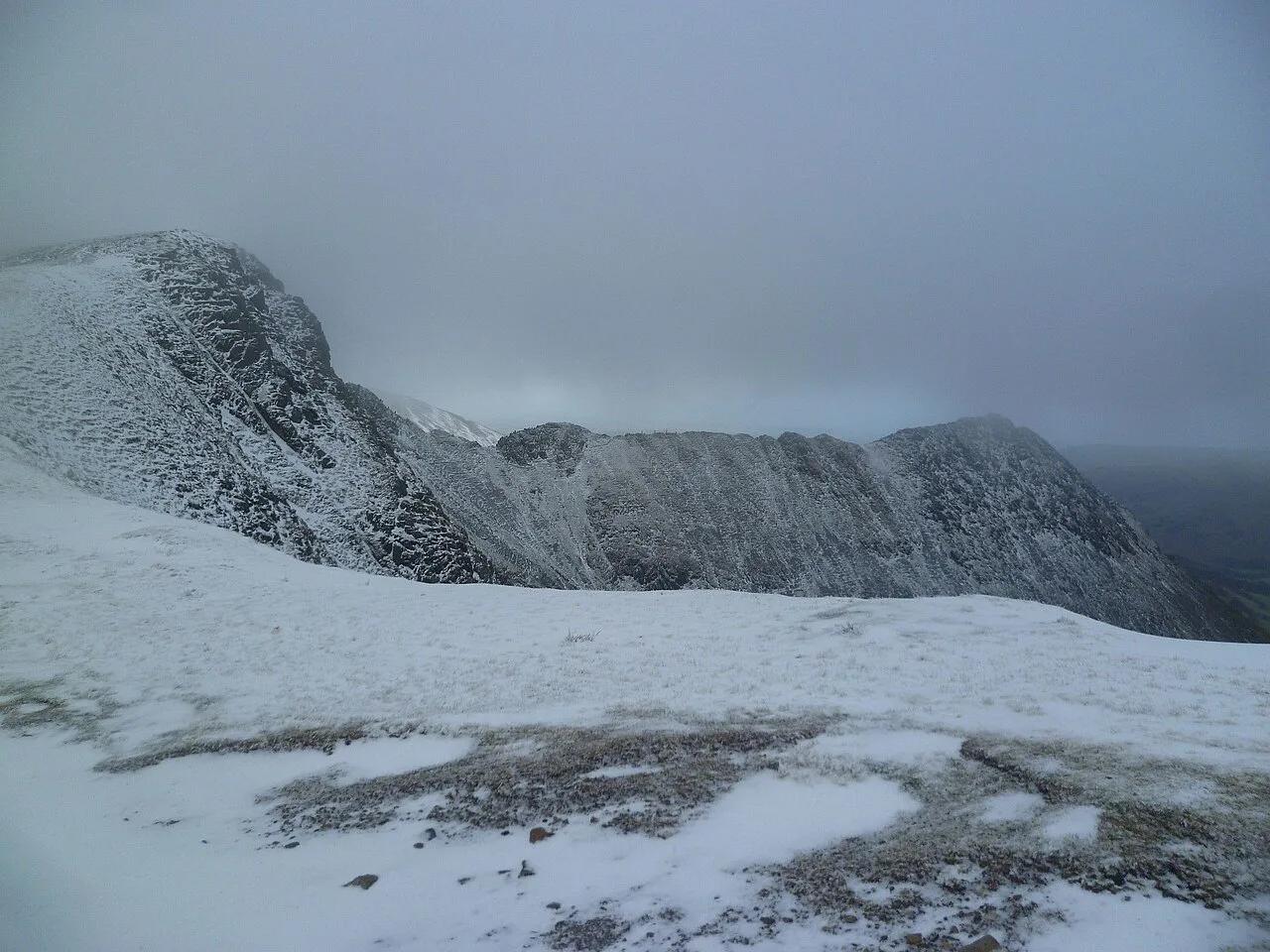
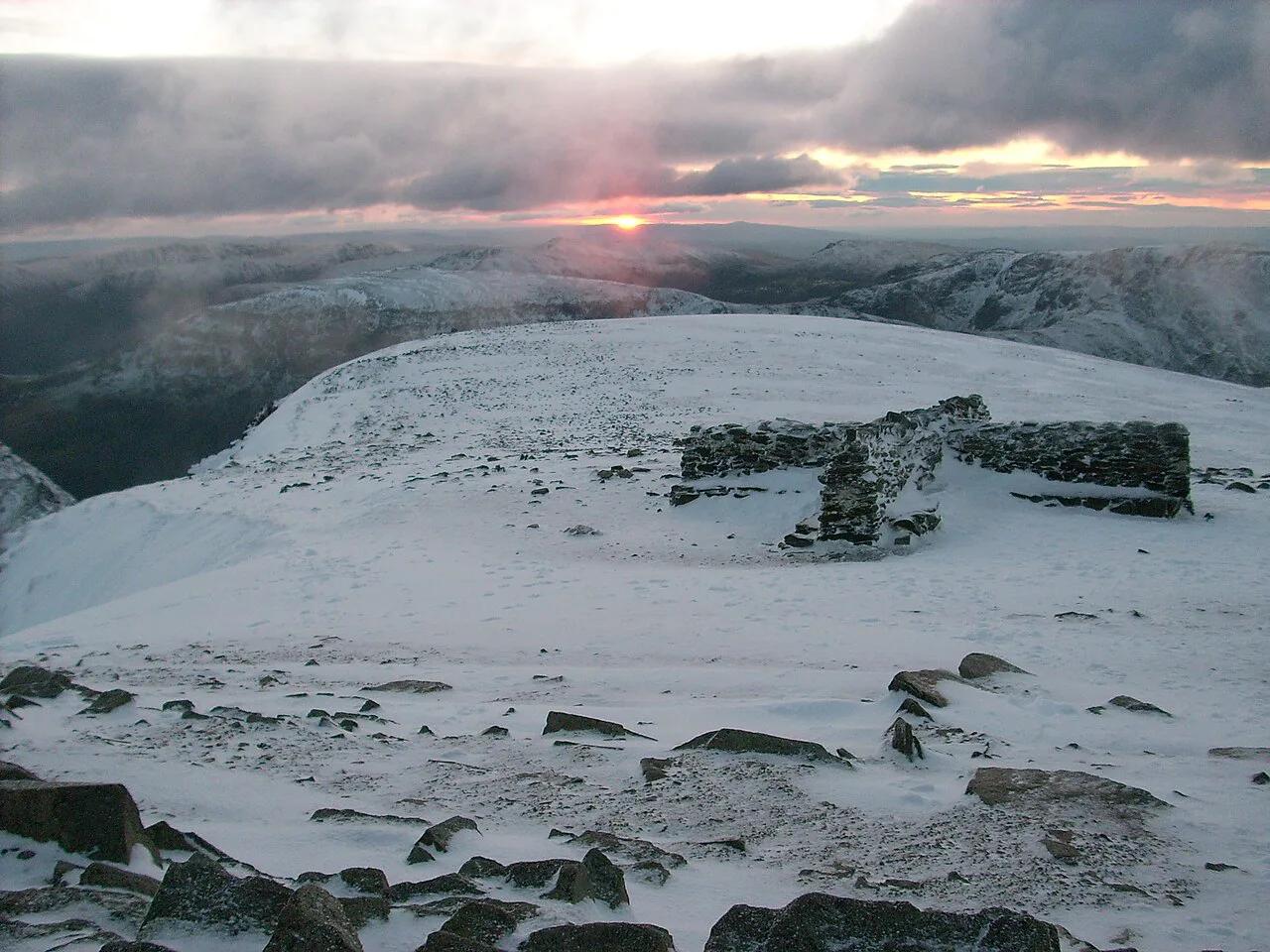
Compare each height shown for your date instead of applying a fixed adjustment to a valley reading. Wind, cloud and temperature can differ, while ridges and summits may leave you more exposed. Scafell Pike, the highest point, stands at 978m. Wind often increases markedly through cols and across exposed ridges and summits. Wind chill can make it feel much colder, especially with rain or wet snow. Without protection, long exposure can lead to cold injury.
Scafell Pike's 978m summit is far above valley readings, so a Windermere location forecast says little about it.
Should you keep, change or abandon your walking plan?
Weigh conditions together, because wind, wet weather, poor visibility and difficult ground can compound one another. Met Office guidance says gusts over 50mph can make walking difficult and may blow you over. Don't treat that figure as a safe-or-unsafe cut-off. In poor visibility, you may see significantly less than 50m, making navigation and cliff edges harder to judge. Fog combined with extensive snow cover can also bring white-out conditions.
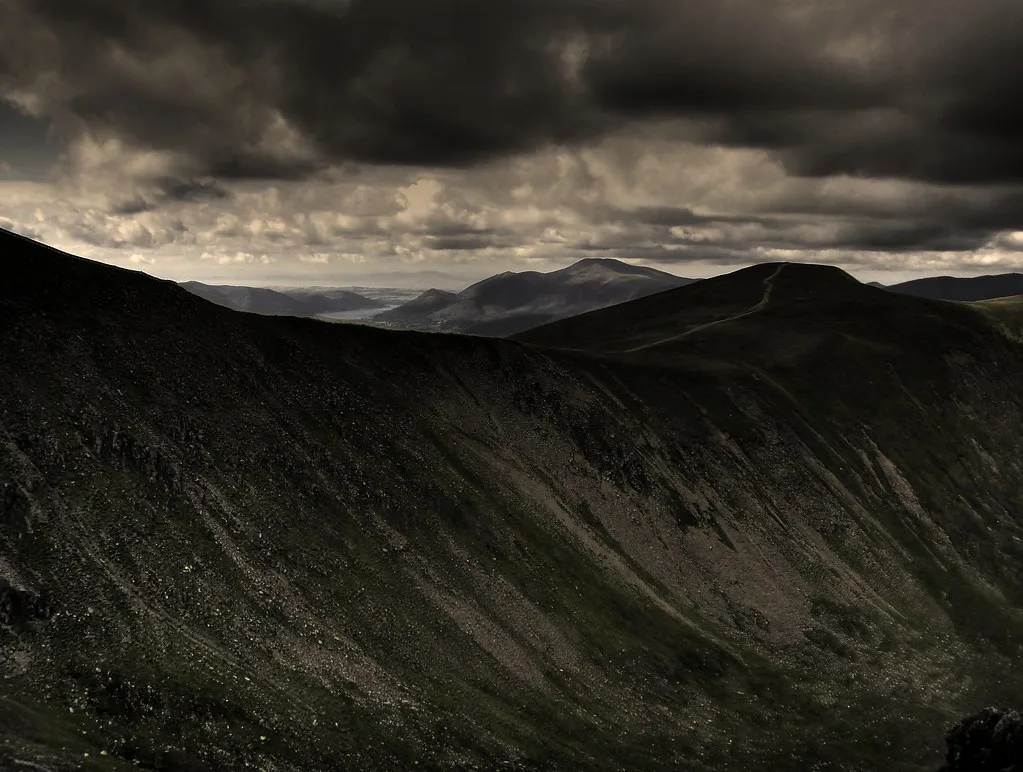
Compare your high route with a less exposed option and with not walking. Consider navigation skill, the least experienced walker, clothing, equipment, daylight, escape options and access to and from the start. Lower routes need their own checks too.
| Condition | Affected part of route | Question to ask | Possible change |
|---|---|---|---|
| Strong gusts | Cols, ridges and summits | Can everyone cope with exposed sections? | Choose less exposed ground or don't walk |
| Poor visibility | Complex or featureless ground | Can you navigate without clear landmarks? | Simplify the route or postpone |
| Wet and wind chill | Exposed stretches and stops | Can everyone stay protected for the whole outing? | Shorten, lower or cancel the walk |
| Snow or freezing conditions | Sections near or above freezing level, plus any reported ice or snow | Do you have the skills and equipment required? | Change route or don't go |
| Thunderstorm risk | Exposed high ground | Could your timing leave you exposed? | Postpone or choose a non-walking day; follow official safety advice |
| Heavy rain or flood warning | Walking route and journey to the start | Could access or crossings be affected? | Change plans or stay away |
| No ground report | Any unconfirmed section | What do you still not know? | Seek current information or choose another plan |
When should you check the forecast?
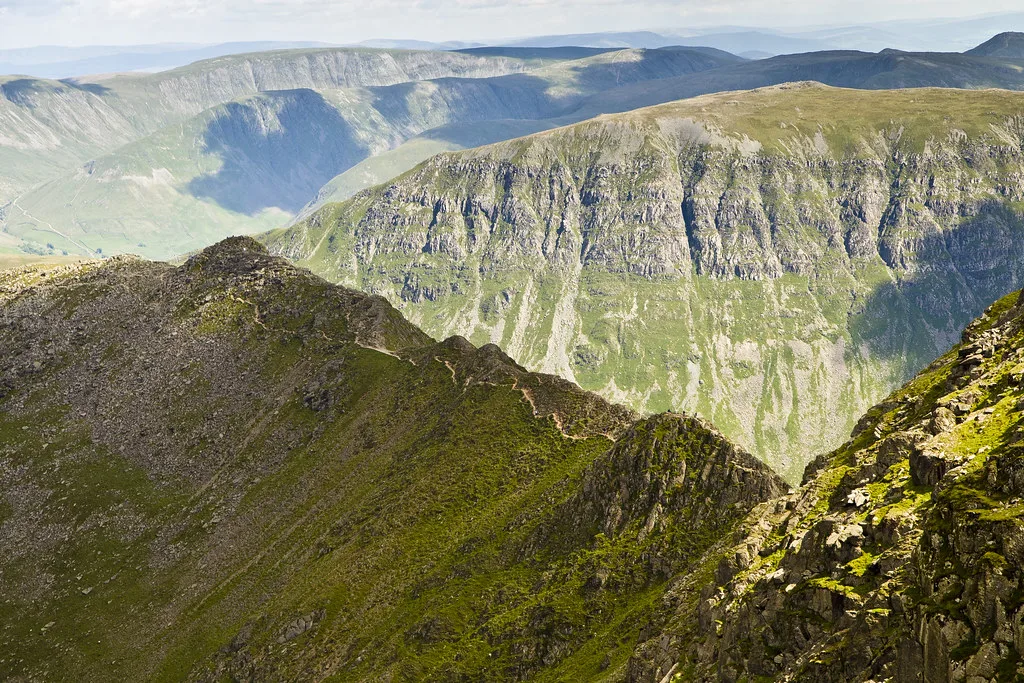
Treat early outlooks as uncertain and keep your walking day flexible where possible. Fixed accommodation or travel plans may leave fewer choices, so avoid tying your whole trip to one high route. For an early start, such as one of these Lake District Sunrise Walks: Routes and Planning Tips, apply the same route-specific weather and daylight checks.
- Early planning: use longer-range information only as a loose signal.
- A few days ahead: shortlist your preferred route, alternatives and a non-walking option.
- Night before: read warnings, the mountain forecast and daylight information.
- Before departure: look for updates, then keep or change your plan.
- During the walk: compare what you see with the forecast and use turnaround points agreed beforehand. Don't depend on phone signal.
Weather mistakes that can spoil a walking plan
Many planning errors come from relying on too little information. Recheck your choice whenever the forecast or conditions change, even if you've already booked travel.
- Using a Windermere or valley forecast for a high route.
- Reading only the weather symbol or air temperature.
- Checking average wind while missing gusts.
- Assuming cloud-free tops mean safe conditions.
- Relying on an old forecast or screenshot.
- Treating a missing ground report as good news. It doesn't show that paths are clear or safe.
- Keeping a route just because you've reserved the day.
How does Lake District weather change your checks by season?
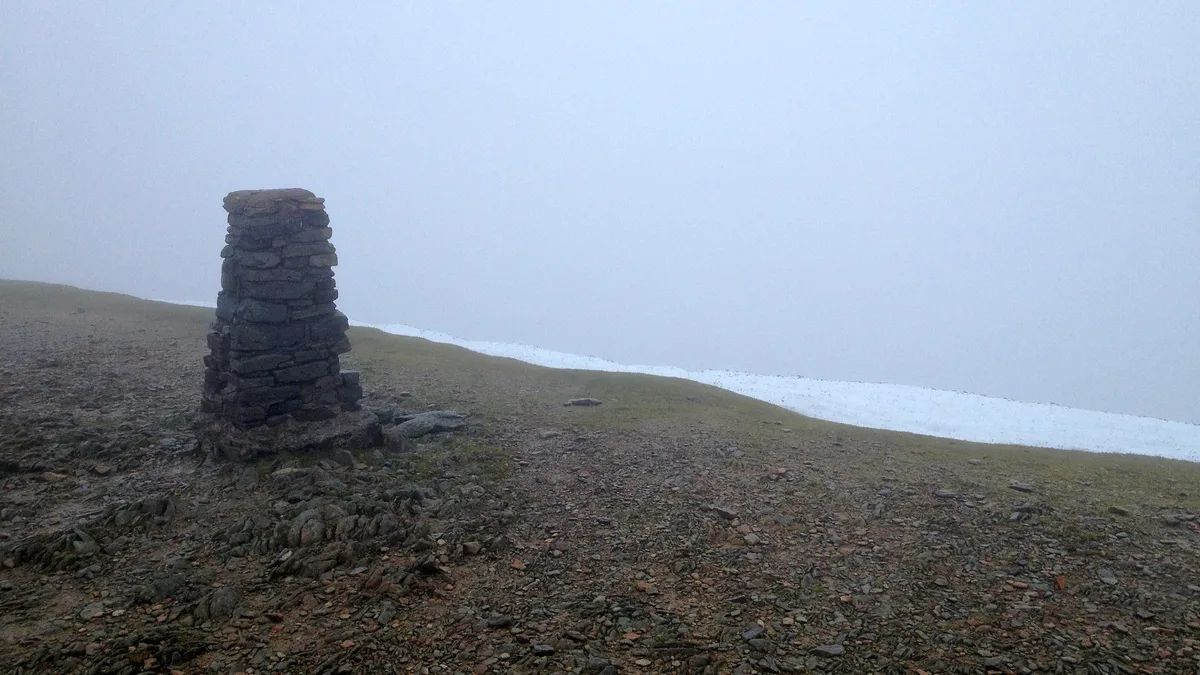
Use the season to prompt questions, then let the dated forecast shape your decision. If you're still choosing dates, compare the best times for a Lake District visit. For trip ideas by season, explore spring in the Lakes. You can also plan around a summer Lakes visit. Later in the year, see autumn trip planning advice. Cold-season visitors can read about winter in the Lake District. Summer calls for attention to storm hazards: Met Office guidance links possible torrential rain and localised flash flooding mainly with those months.
| Season Comparison | Check for your walking date | Planning question |
|---|---|---|
| Spring | Cold at height, ground conditions and daylight | Could higher sections need a different plan? |
| Summer | Thunderstorms, heavy rain, heat and sun | Can you avoid exposure and change timing or route? |
| Autumn | Wind, rain, visibility and daylight | Can you finish or shorten the walk in good time? |
| Winter | Freezing level at 0°C (32°F), snow, ice, wind chill and daylight | Does everyone have suitable skills and equipment? |
Frequently Asked Questions
Is it snowing in Windermere now?
Live snowfall can't be confirmed by this guide, so check a current Windermere location forecast and any warnings. For a fell walk, also read mountain conditions because snow and freezing temperatures near 0°C (32°F) may affect higher ground differently.
What is the weather like in Windermere, UK today?
Open today's Met Office Windermere forecast and note its update time. Don't use it as your only forecast for a high-level walk.
Notes for your next walk
Optional updates to our Lake District walking guides.