Scafell Pike Weather: What to Check Before You Climb
Last updated November 2026: for Scafell Pike weather, check a current mountain forecast from MWIS or the Met Office. Make sure your Scafell Pike forecast covers high ground and your descent, because valley or town weather may not match the summit. Before leaving, note the update time and use the checks below to decide whether to go.
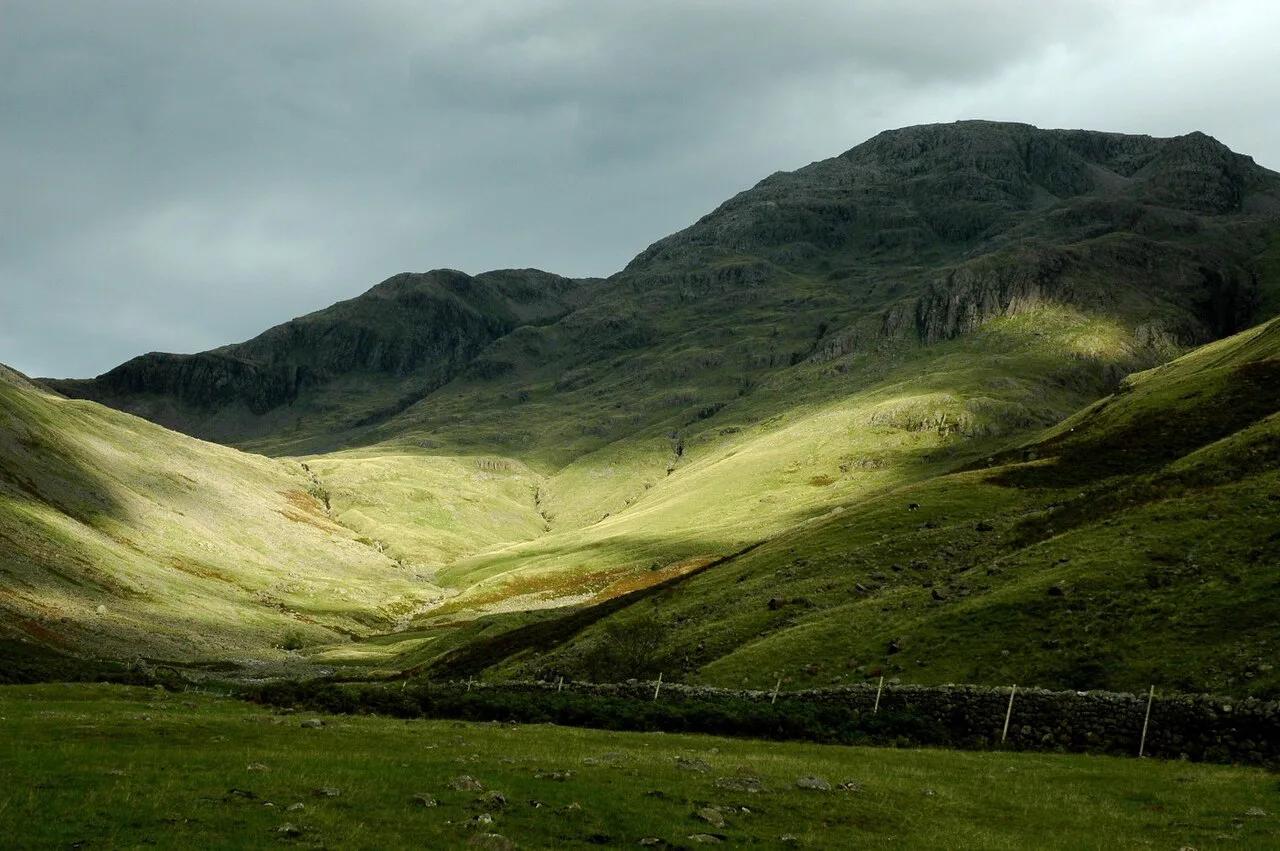
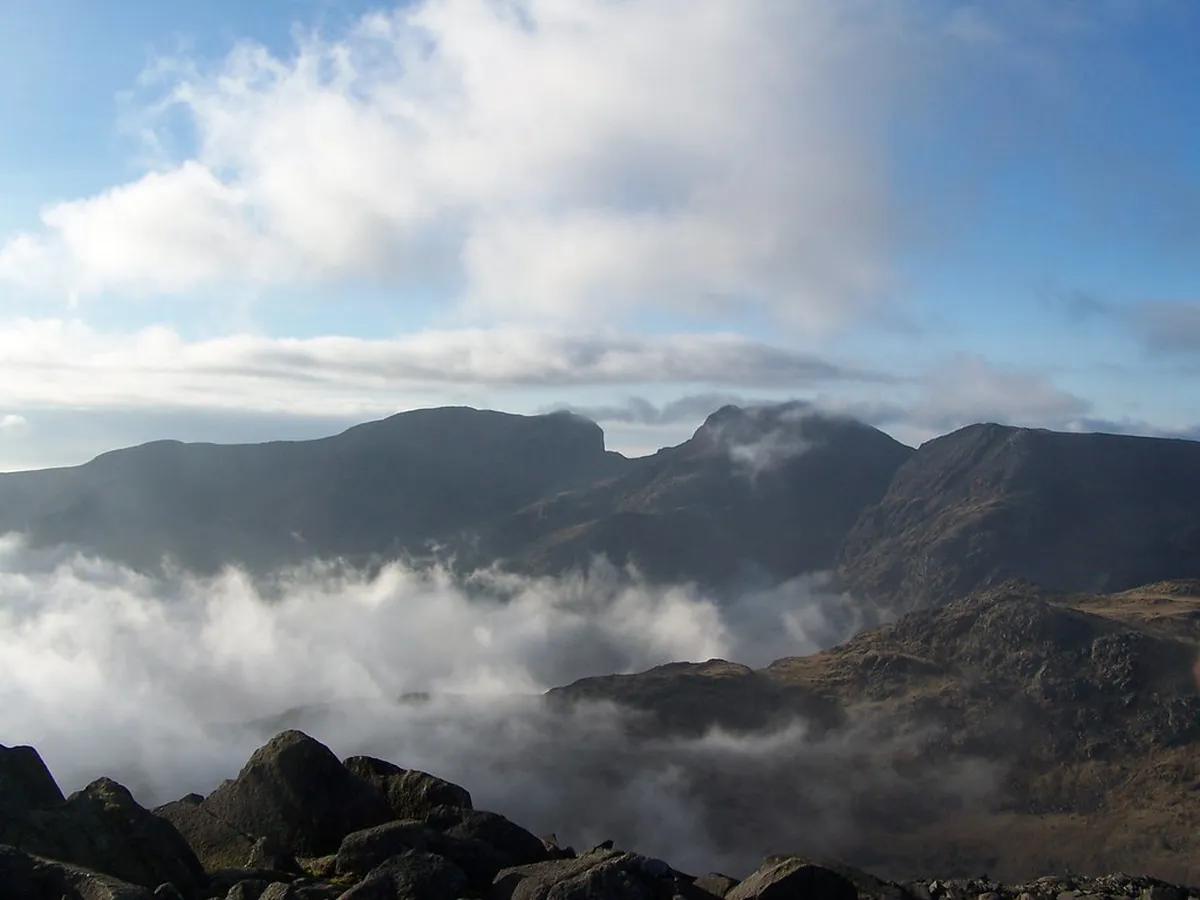
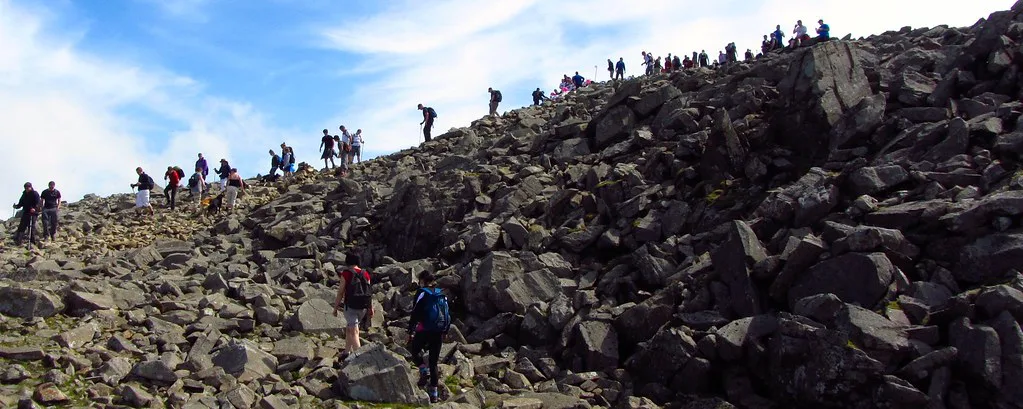
Featured image: markc123, CC BY 2.0, via Flickr.
Where to check Scafell Pike weather and forecasts
Start with the MWIS Lake District mountain forecast, or use a Met Office mountain forecast. For each one, confirm the area, height, forecast period and issue time. This guide is not a live forecast. A forecast describes what is expected, while an observation or walker's report describes an earlier moment.
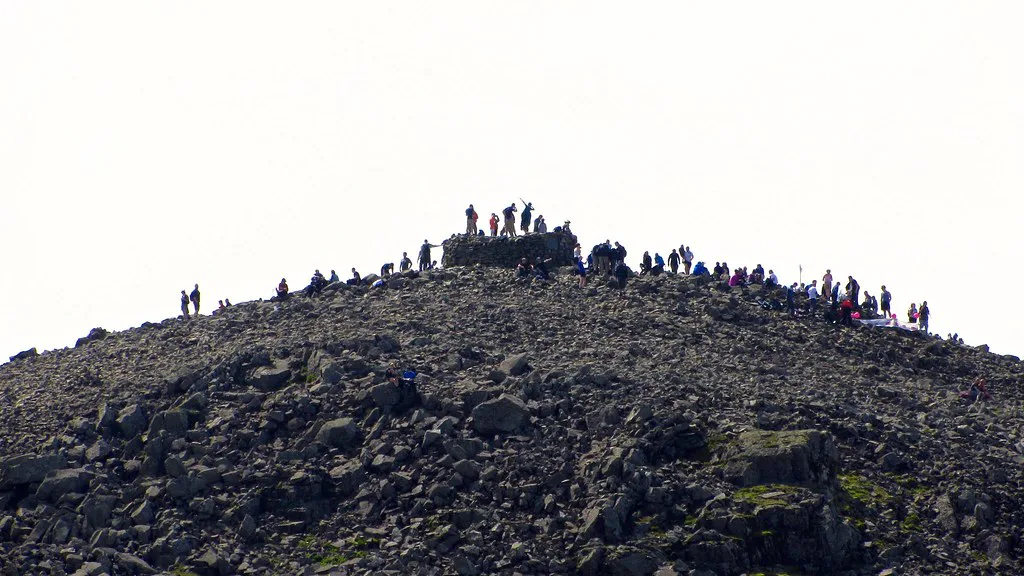
Yr also has Scafell Pike pages from a collaboration between NRK and the Norwegian Meteorological Institute. It lists the summit at 978 metres (about 3,209 ft) above sea level. If your page opens in Norwegian, make sure you understand its labels before relying on it. Also check which summit you have selected; our Scafell and Scafell Pike comparison separates the names.
| Source | How to use it | Check before relying on it |
|---|---|---|
| MWIS | Lake District mountain forecast | Area, heights, date and issue time |
| Met Office | Mountain forecast | Location, height, date and update time |
| Yr | Scafell Pike location forecast | Language, units, date and update time |
How to read a summit forecast
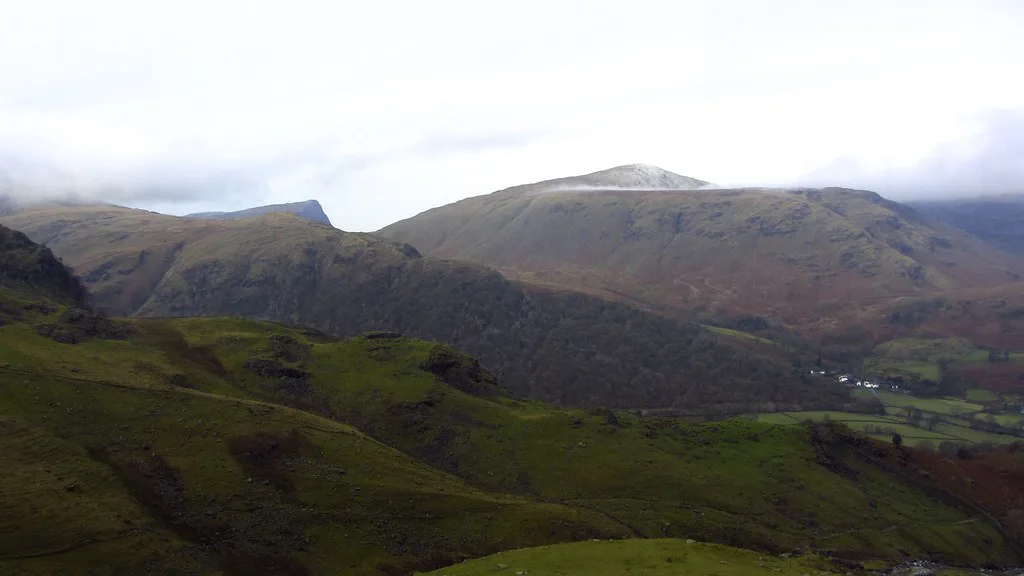
Read across your whole walking day rather than relying on one weather icon. Conditions during the climb down matter as much as those at your expected summit time. If gusts or visibility are missing from one forecast, find them in another suitable source.
Check temperature units carefully. Water's freezing point is 0°C (32°F), but that figure alone cannot tell you where ice lies on your route. For unit reference, 10°C (50°F), 5°C (41°F) and -5°C (23°F) are straight conversions. They are neither seasonal averages nor safety limits. Look at feels-like temperature too, especially when wind and wet weather arrive together.
Wind may appear in metres per second. Multiply by about 2.2 for miles per hour, so 10 m/s is about 22 mph. That example is not a go or no-go threshold.
- Wind speed, direction and gusts: consider balance, exposed ground and which parts of the walk could become harder.
- Rain, sleet or snow: check timing and duration, then consider wet clothing, footing and water crossings.
- Cloud, fog and visibility: decide whether your group can navigate without distant landmarks.
- Temperature and feels-like temperature: plan layers and allow for slower movement or stops.
- Issue time and daily trend: check for changes before you finish the descent.
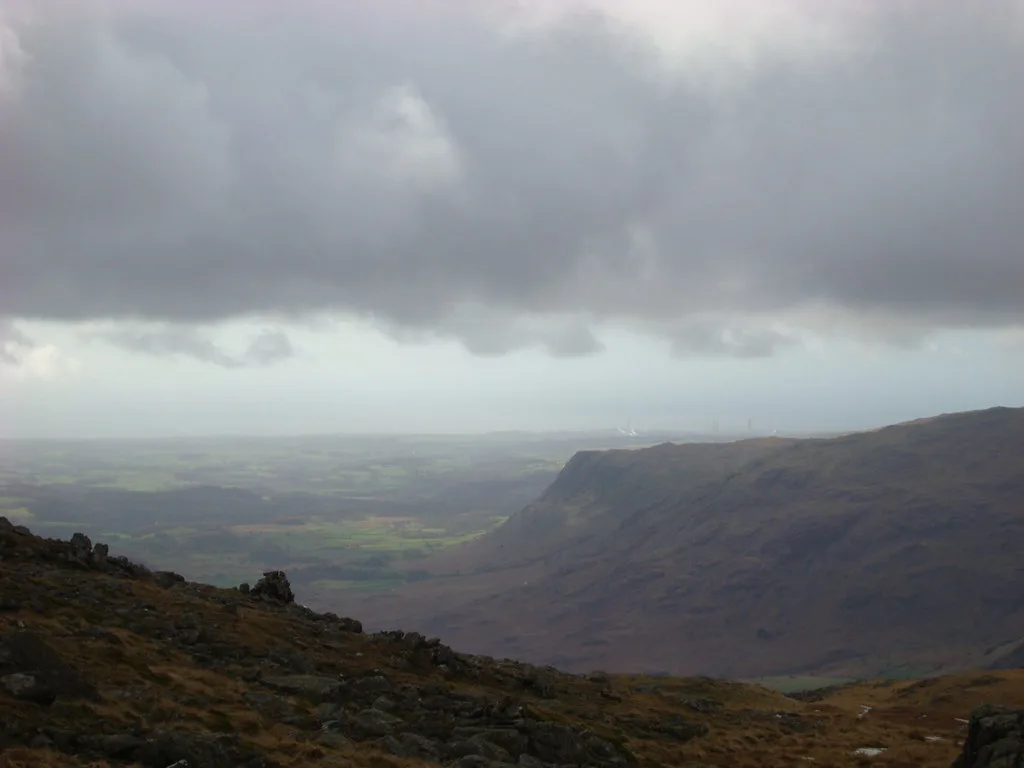
Go, change the plan or postpone?
Judge the forecast alongside your navigation, experience, equipment and least experienced companion. Include daylight and realistic ways to retreat. A favourable outlook does not guarantee a safe walk. If this would be a stretch for your group, review preparation for first-time walkers.
| Condition | What to check | Why it matters | Possible response |
|---|---|---|---|
| Strong wind or gusts | Timing, direction and exposed sections | Balance and progress may suffer | Reassess the route or postpone |
| Heavy or persistent rain | Duration, water crossings and clothing | Crossings, footing and warmth may be affected | Change plans or postpone |
| Poor visibility | Navigation skills and retreat options | Route finding may become difficult | Postpone if you cannot navigate confidently |
| Cold with wind and wet | Feels-like temperature, layers and group condition | Stops and delays become harder to manage | Shorten the plan, turn back or postpone |
| Snow or ice | Current ground reports, skills and equipment | A summer walking plan may no longer be suitable | Postpone unless properly prepared |
| Worsening or conflicting forecasts | Issue times, heights and affected hours | Your margin may be less certain than expected | Plan cautiously or postpone |
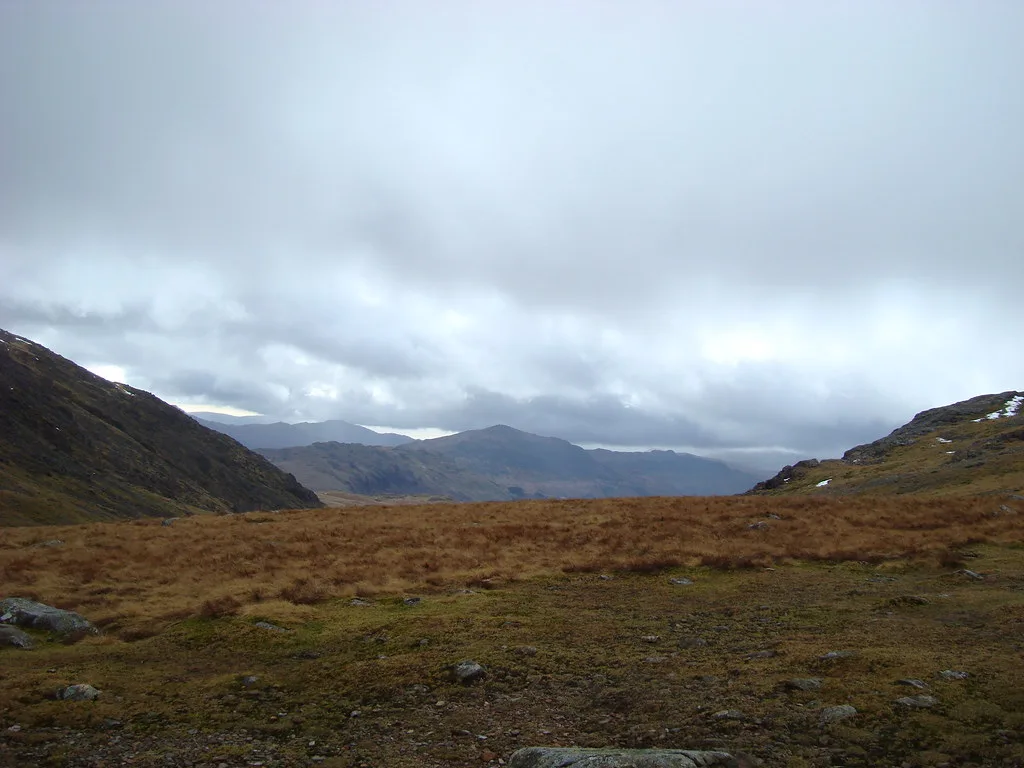
When to check, and when to turn back
Treat an early outlook as provisional. Agree turnaround conditions and a backup plan before travelling, when summit pressure is easier to resist. Possible triggers include losing confidence in navigation, worsening weather, slow progress or a cold companion. Phone signal should not be your only route to an update, so record the key forecast details before setting off. For wider preparation advice, use AdventureSmart UK safety guidance.
- Early planning: watch the broad trend and keep your date flexible where possible.
- Day before: check the latest mountain forecast, daylight and transport.
- Before setting out: look for changes and confirm that your group still has a workable plan.
- On the hill: compare what you see with the forecast and turn back when your agreed conditions are met.
How weather affects your route and timing
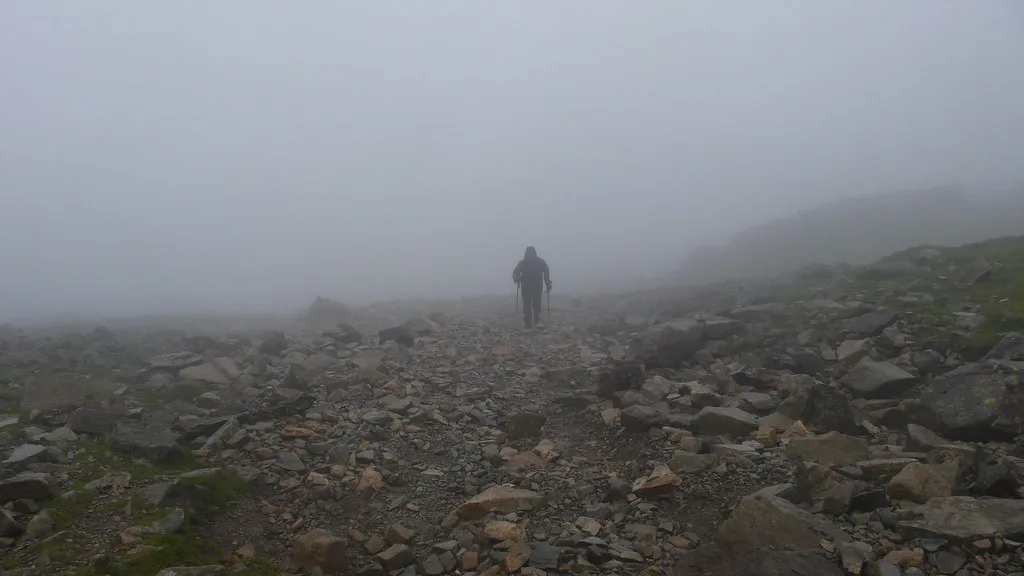
Compare your options through our Scafell Pike route hub. For Wasdale, Seathwaite or Langdale, examine exposure, navigation, water crossings, total duration and retreat options. A change of starting valley does not by itself solve a poor forecast.
Use a full-day timing estimate that includes the return. A later start may avoid an unsettled spell but leave less daylight. A shorter walk needs its own weather check. Our other Wasdale walk ideas are not automatically suitable bad-weather alternatives.
Walking up the mountain needs no summit ticket: that charge is £0 in both July and January. Travel, parking and accommodation are separate costs, and changing bookings may cost money. Do not let money already committed push you uphill. Check parking arrangements before arrival. If you are starting in Wasdale, also review the National Trust's Wasdale visitor information.
- Route from Wasdale Head and Wasdale
- Route from Seathwaite in Borrowdale
- Route from the Langdale valley
Season Comparison: summer and winter conditions
Calendar season cannot tell you what conditions will be on your chosen day. Use the comparison to focus your checks, not to predict snow, temperature or a good date. During late autumn and winter, verify daylight and current ground conditions. Snow or ice can call for different skills and equipment, including knowing how to use specialist kit. Read our winter ascent planning guide before committing.
| Season | Check for your date | Planning response |
|---|---|---|
| Spring | Cold, wind, visibility and any remaining snow or ice | Match skills and kit to current conditions |
| Summer | Wind, rain, visibility, heat and storm warnings | Review exposure, water, layers and retreat plans |
| Autumn | Wind, rain, daylight and any wintry conditions | Allow for the full return and keep a backup |
| Winter | Daylight, cold, snow, ice and visibility | Postpone if the group lacks suitable skills or equipment |
Before-you-leave weather check
Run through this list with your whole group on the morning of the walk. Mistake to avoid: do not rely on a valley forecast, weather symbol or old screenshot. Looking only at your summit hour also misses changes on the way down. If an essential answer is missing, resolve it or change the plan.
- Forecast location, height, date and latest issue time
- Trend from departure through descent
- Wind, gusts, precipitation, visibility and feels-like temperature
- Daylight, expected duration and turnaround conditions
- Current ground conditions, clothing, equipment and navigation
- Group ability, retreat options and backup plan
Frequently Asked Questions
Is it safe to climb Scafell Pike?
No mountain walk is guaranteed to be safe. Your risk depends on conditions, route choice, preparation and your group's abilities. In a UK mountain emergency, call 999, ask for Police and then Mountain Rescue; the Lake District rescue association represents local rescue teams.
How long will it take to walk up Scafell Pike?
Timing depends on your starting point, pace, breaks and conditions. Plan the descent as well as the climb, with extra daylight available for delays.
Can you do Scafell Pike in the rain?
Rain alone does not settle the decision. Consider its intensity and duration alongside wind, cold, visibility, water crossings and your group's preparation. Postpone if you cannot manage the combined conditions or retreat confidently.
Notes for your next walk
Optional updates to our Lake District walking guides.