Scafell Pike for Beginners: Is It Hard and Are You Ready?
Last updated November 2026: Scafell Pike for beginners is a strenuous mountain day, so yes, it is hard. If you are new to hill walking, you need honest preparation, suitable conditions and the willingness to postpone or turn back. Your own verdict depends on fitness, hill experience, navigation, daylight and the weather on your chosen date.
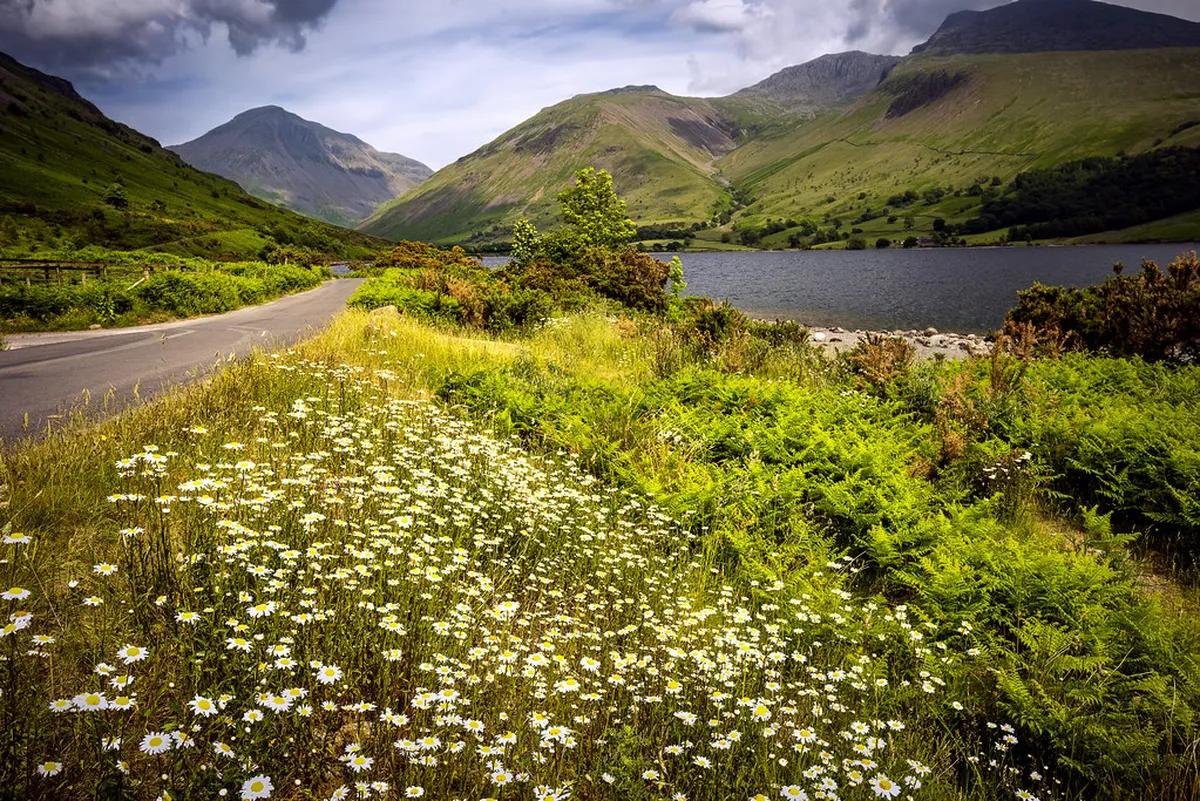
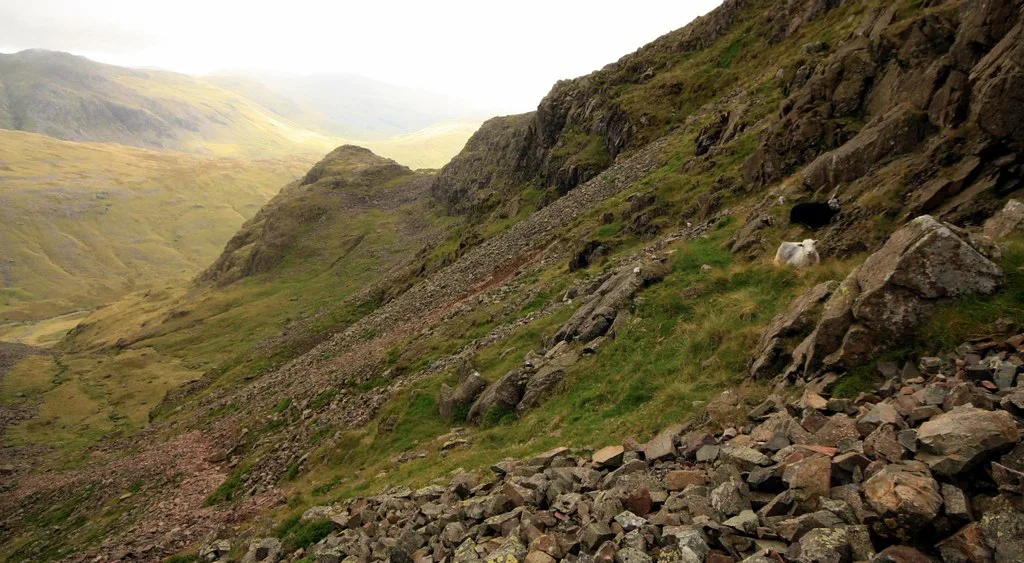
Featured image: TrotterFechan, CC BY 2.0, via Flickr.
Are You Ready for Scafell Pike?
Start by deciding what “beginner” means for you. Regular running or gym work may help your fitness, but it doesn't teach route finding on a mountain. Lowland walkers may be used to long outings without having tackled sustained climbs, rough ground or a tiring descent. After little recent exercise, build up gradually before choosing a summit date. Practise on shorter hill walks and notice how your legs, feet and concentration cope on the way down. Use those outings to make an honest call.
| Area to assess | Signs you can move towards a date | Signs to prepare or postpone |
|---|---|---|
| Ascent and descent | You have handled sustained climbing and coming down on hill walks | Long descents are untested or leave you struggling |
| Rough ground | You stay steady on rocky, uneven paths | Loose or awkward footing is unfamiliar to you |
| Long days | You can keep eating, drinking and making clear decisions while tired | Your longest outings have been short and simple |
| Navigation | You can find your position with map and compass without relying on others | You would depend on followers, cairns or a phone signal |
| Judgement | You will turn back even when the summit feels close | Reaching the top is non-negotiable |
Which Starting Point Suits Scafell Pike for Beginners?
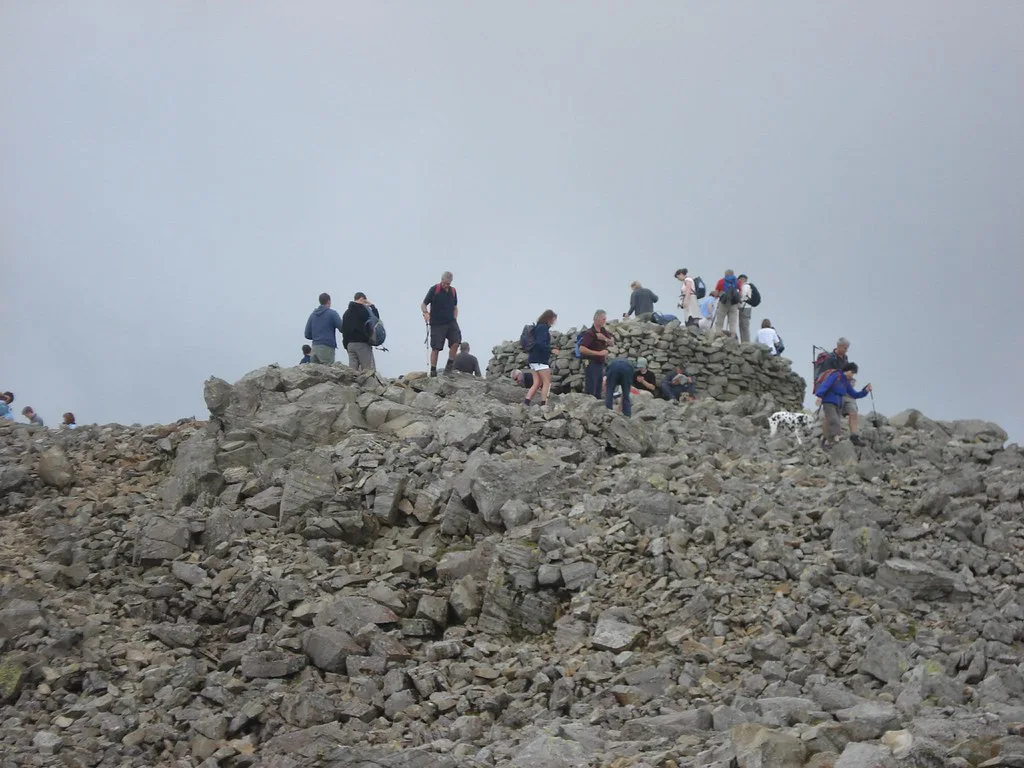
Wasdale, Seathwaite and Langdale are three starting points to research. A start name alone doesn't tell you which line you'll follow, so choose a named route for both ascent and descent. Our Scafell Pike route overview is the place to begin comparing options. None should be treated as easy simply because the drive is convenient or the walk looks shorter on a map. For a first attempt, favour a route you can explain from start to finish, including how you would retreat. Also make sure its description is for your intended summit, since Scafell and Scafell Pike are different names.
- Wasdale: read about the approach from Wasdale, then trace your exact line on a walking map.
- Seathwaite: study the route options from Seathwaite and identify where your chosen paths divide.
- Langdale: assess the walk starting in Langdale against your experience of long mountain days.
- Effort: compare distance, total ascent and estimated duration using the same source or method where possible.
- Ground: look for scrambling, exposed sections and steep or loose terrain.
- Navigation: find the places where poor visibility could make the ascent or descent confusing.
- Retreat: know where you can turn around and where a wrong line could take you.
- Access: match the start to your accommodation, transport and return plan.
How Much Time Should You Allow?
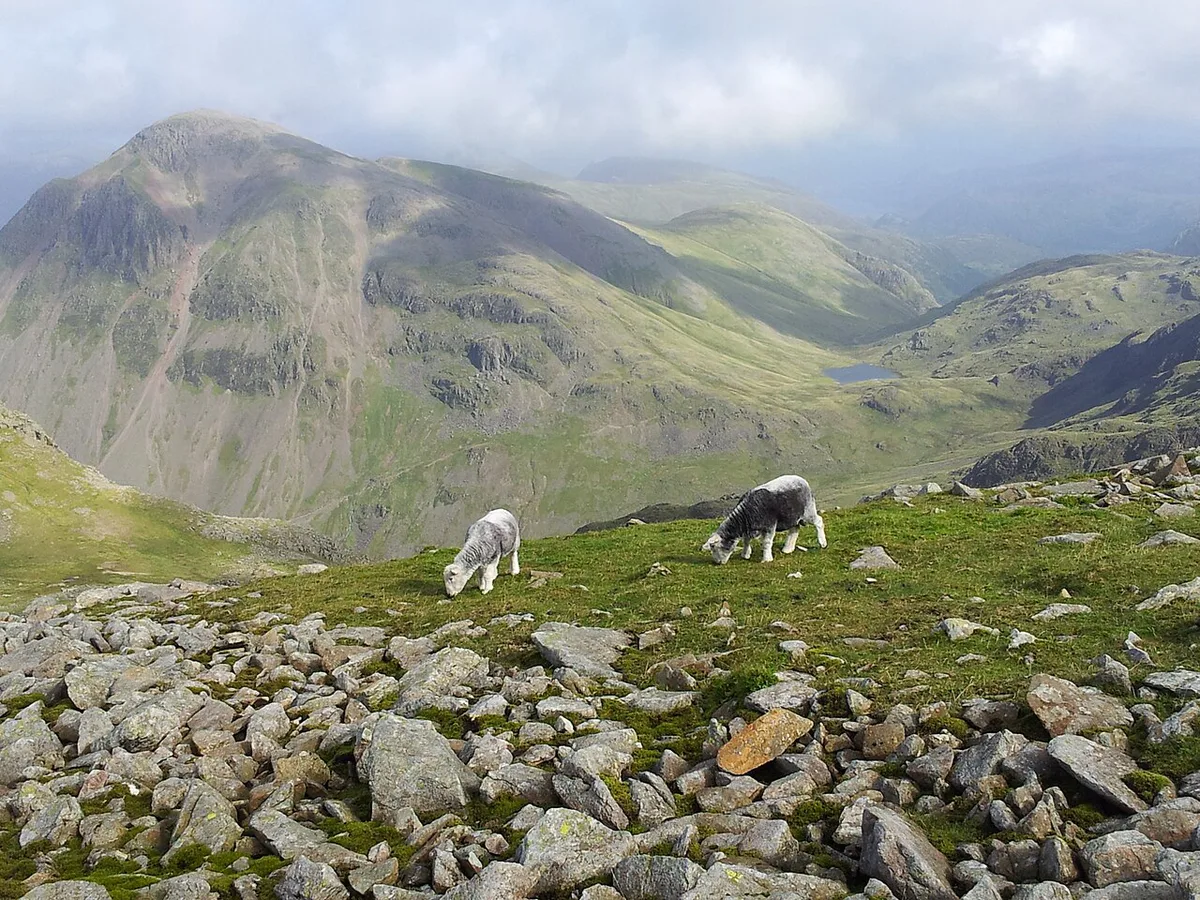
Plan around your whole day, rather than a headline walking time. Moving estimates may leave out food stops, map checks, slower walkers and cautious downhill progress. Add those separately, then keep spare time for delays. Compare your finish estimate with sunset on the actual date, especially during the shorter days of late autumn and winter. Before leaving, set a latest turnaround time that protects your descent. When that time arrives, head down even if you haven't reached the summit. Turn sooner if your pace is falling behind or tiredness is building. A nearby base can reduce travel before and after the walk, but it doesn't make the mountain route any easier.
- Ascent: base your estimate on your own hill-walking pace.
- Descent: allow for tired legs and careful foot placement.
- Breaks: include eating, drinking, changing layers and checking your position.
- Contingency: reserve time for a slow section or a navigation correction.
- Deadline: write down your turnaround time and share it with your group.
Which Navigation and Weather Checks Matter?
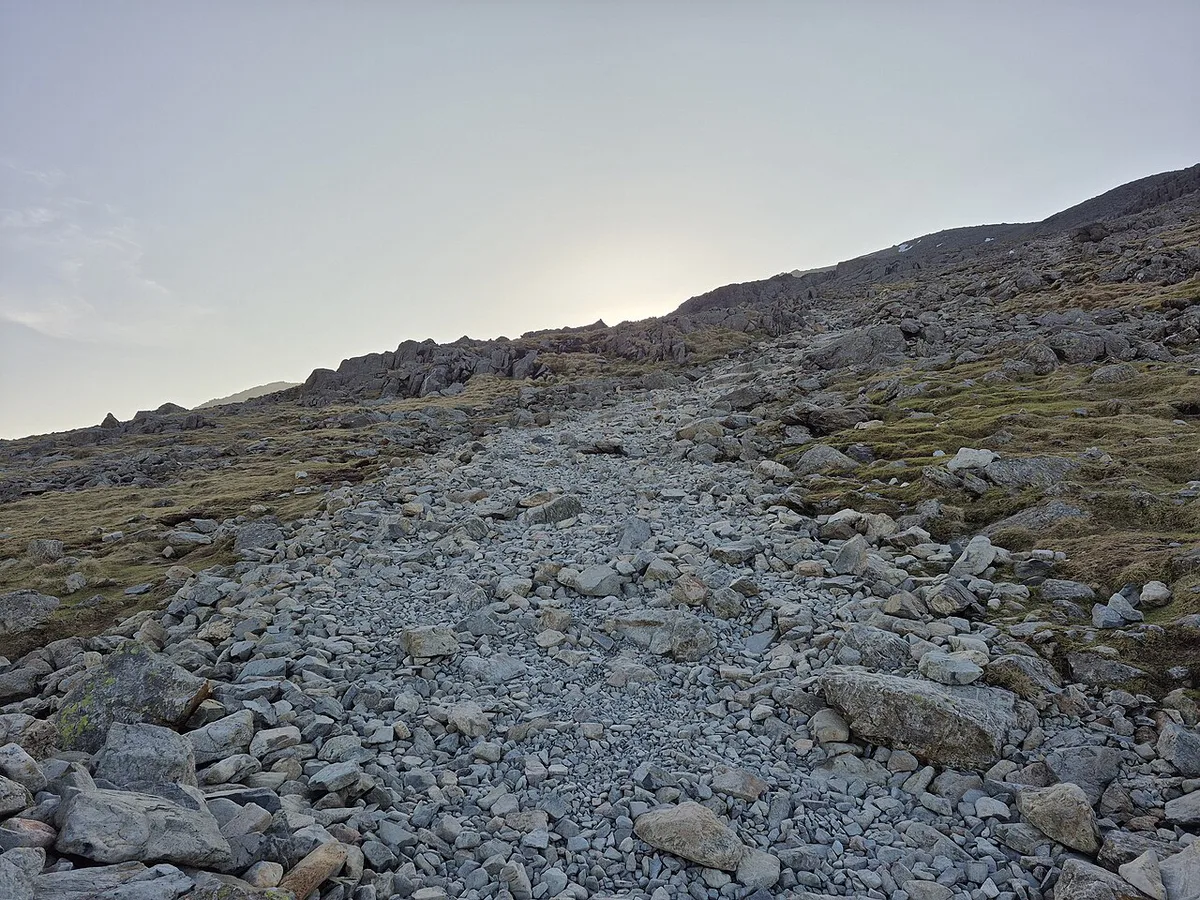
Carry a suitable paper map and compass, and learn to use them before your mountain day. A phone app can support navigation, but batteries, signal-dependent features and screens can let you down. Download mapping in advance without treating it as your only option. In cloud, you should still be able to work out your position and plan the way down. Following another group is risky because they may be heading somewhere else. Descending into the wrong valley could also leave you far from your car, bed or lift. For summit conditions, read the MWIS Lake District forecast. Look again on the morning of your walk, paying attention to wind, rain, visibility and temperature. Our mountain weather planning guide can help you frame that decision. Snow or ice changes the skills required. Winter conditions can call for an ice axe, crampons and practical training in using both, alongside avalanche awareness. Ordinary beginner preparation isn't enough for that terrain, so read about winter ascents of Scafell Pike and seek specialist ground-condition advice. A valley that looks clear doesn't show what you'll meet higher up.
What Should You Take?
Pack for exposure, delays and a slower return, even if your start feels mild. Test footwear and your loaded rucksack on practice walks. Use AdventureSmart UK safety advice as part of your preparation. Adjust clothing and equipment to the forecast and season.
- Feet: supportive walking footwear with good grip, already tested on hills, plus suitable socks.
- Weather protection: waterproof jacket and trousers, warm spare layers, hat and gloves.
- Navigation: paper map in a usable waterproof format or case, compass and the skill to use them.
- Light: a head torch with reliable power, even when you expect to finish in daylight.
- Fuel: enough food and water for your planned day, with extra food for delays.
- Emergencies: first aid supplies, personal medication, a whistle and an emergency shelter.
- Phone: fully charged and protected from wet weather, with spare power if needed.
- Cold-season additions: extra insulation and spare gloves; snow and ice need separate winter equipment and skills.
How Should You Plan Transport, Parking and Costs?
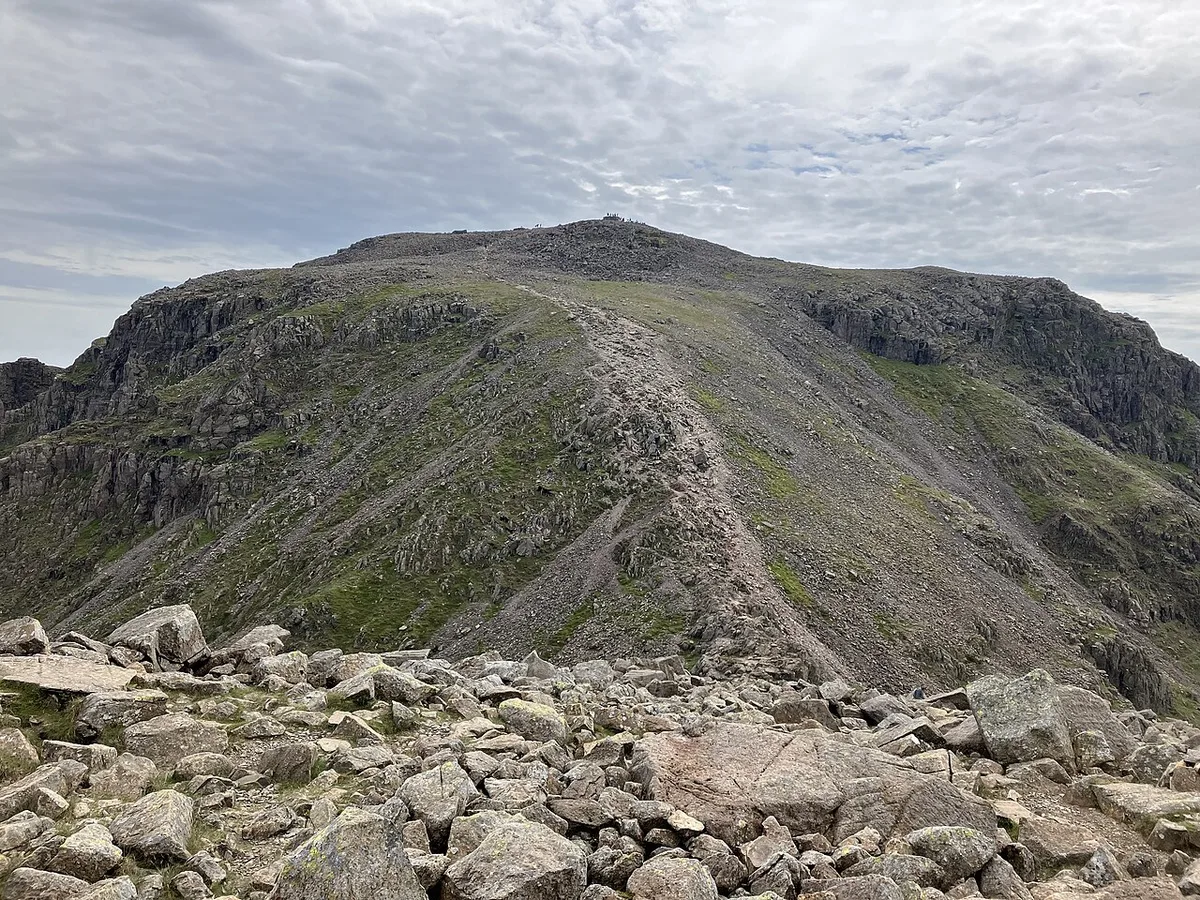
Current parking charges, capacity and no-car connections need their own research for your exact start and date. Use the car park operator's notices for fees and payment, and transport operators' timetables for both journeys.
- Drivers: read the parking guide for Scafell Pike and have a lawful fallback if your intended car park is full.
- Wasdale visitors: see the National Trust's Wasdale information while planning your visit.
- Public transport: confirm that a service runs on your date, then account for any walk to the trailhead and your latest return.
- Rail planning: the Ravenglass & Eskdale Railway publishes visitor information, but don't assume it connects with your chosen start.
- Facilities: establish where toilets, water and food are available before relying on them.
- Budget: list parking, transport and any guiding as separate costs.
When Should You Turn Back or Book Help?
Postpone before setting out if the forecast, daylight or ground conditions exceed your group's ability. During the walk, make turning back a normal decision rather than a last resort. Don't wait for several warning signs to combine. If you're unsure of your location, stop and work it out before continuing; don't press downhill on guesswork. A qualified mountain guide can help if you want support on the day. Navigation or hill-skills training is another option if your goal is to become more independent. An experienced companion may help too, but each walker still needs suitable fitness, clothing and judgement. In a UK mountain emergency, call 999 or 112, ask for the police, then ask for mountain rescue. Give your location as precisely as you can and follow the instructions you receive. For local background, visit the Lake District mountain rescue association.
Phone apps can let you down, so commit 999 or 112 to memory before the walk and carry a paper map.
- Weather: conditions are worsening or arriving earlier than expected.
- Visibility: you can't navigate confidently in the cloud, rain or fading light around you.
- Progress: you're behind schedule or have reached your turnaround time.
- People: someone is exhausted, cold, injured, unwell or no longer comfortable continuing.
- Terrain: the ground ahead is beyond your skills, including unexpected snow or ice.
- Location: nobody can establish where the group is or confirm the intended line.
What Belongs on Your Pre-Walk Checklist?
Run through this list while there is still time to change your plan. A missing route, unsuitable forecast or uncertain return is a good reason to choose another day. Keep your group together and agree that anyone can raise a concern. Give a trusted contact enough detail to act if you're overdue.
- Route: named ascent and descent, marked on your map, with retreat decisions considered.
- Readiness: every walker has prepared for sustained climbing, descending and rough ground.
- Forecast: summit conditions reviewed for your date, with winter hazards assessed separately.
- Daylight: finish estimate includes breaks and contingency, with sunset noted.
- Navigation: map, compass and the ability to use them without relying on a phone signal.
- Equipment: clothing, light, food, water and emergency items packed.
- Transport: start location, parking or connections and return journey arranged.
- Contact: someone knows your route, group, expected return and what to do if you're overdue.
- Turnaround: latest time agreed, with permission to leave the summit for another day.
Frequently Asked Questions
How long does it take to climb Scafell Pike?
No single duration suits every route and walker, so time your chosen ascent and descent, then add breaks and spare time. For more planning help, see how long the climb takes.
Which is harder, Snowdon or Scafell?
A fair comparison needs a named route on each mountain and similar conditions. Make sure you also know if “Scafell” means Scafell itself or Scafell Pike. Compare ascent, distance, terrain and navigation, and don't treat experience on one route as proof that you're ready for another.
Notes for your next walk
Optional updates to our Lake District walking guides.