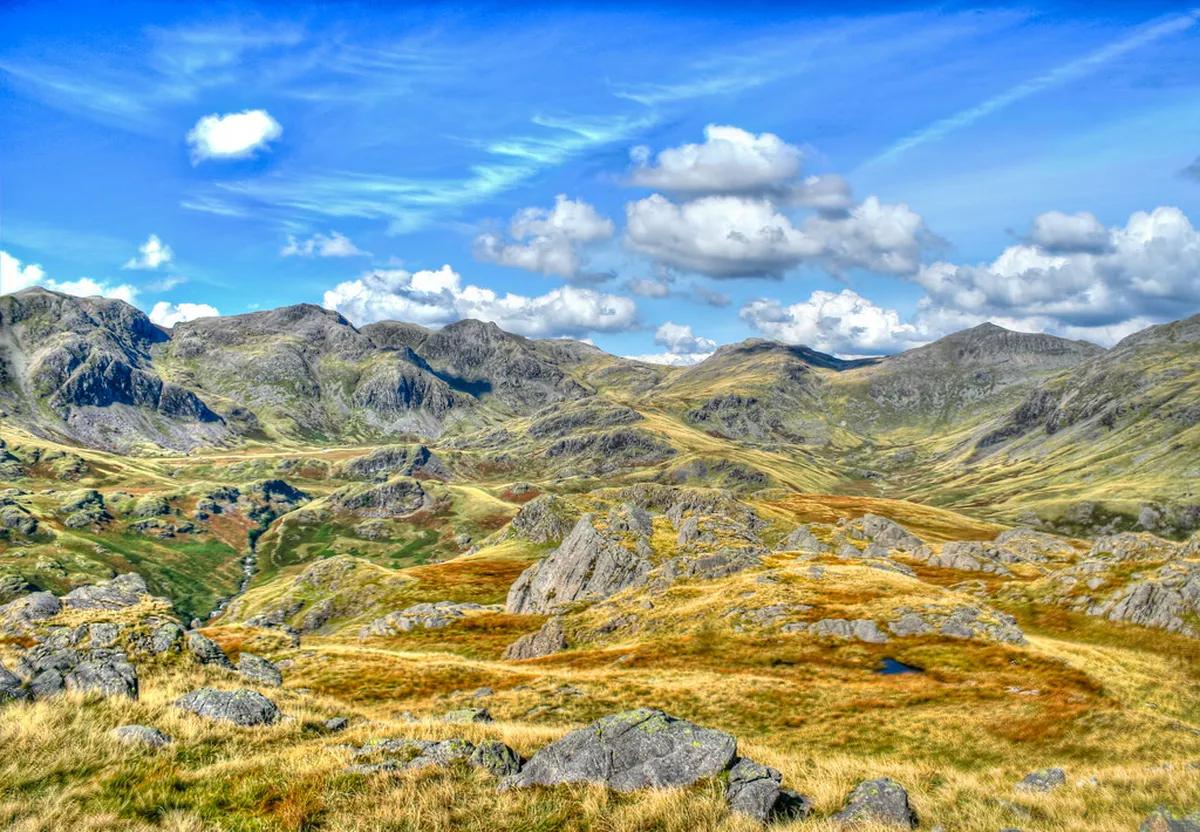
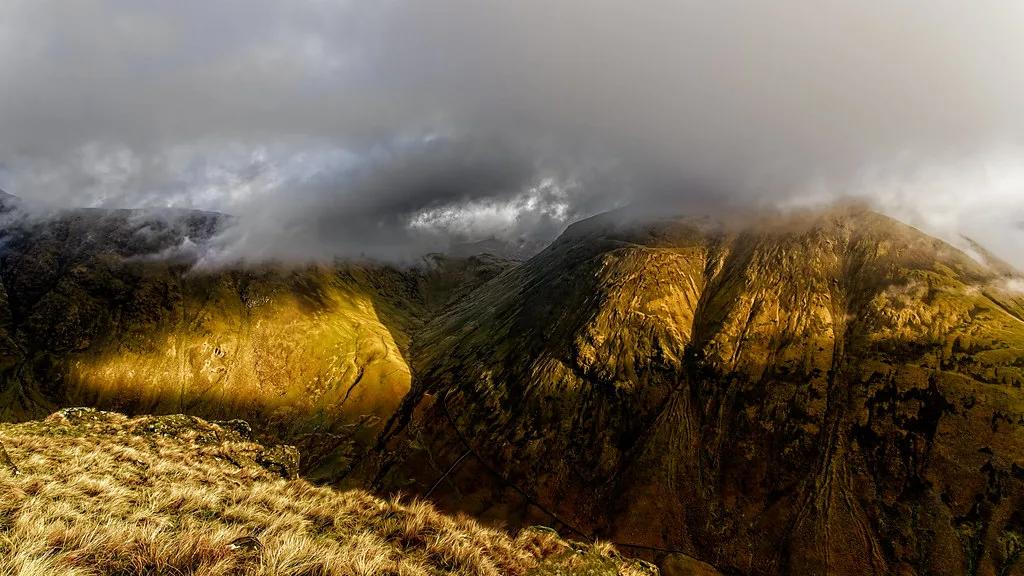
Scafell Pike From Seathwaite: Route & Planning Guide
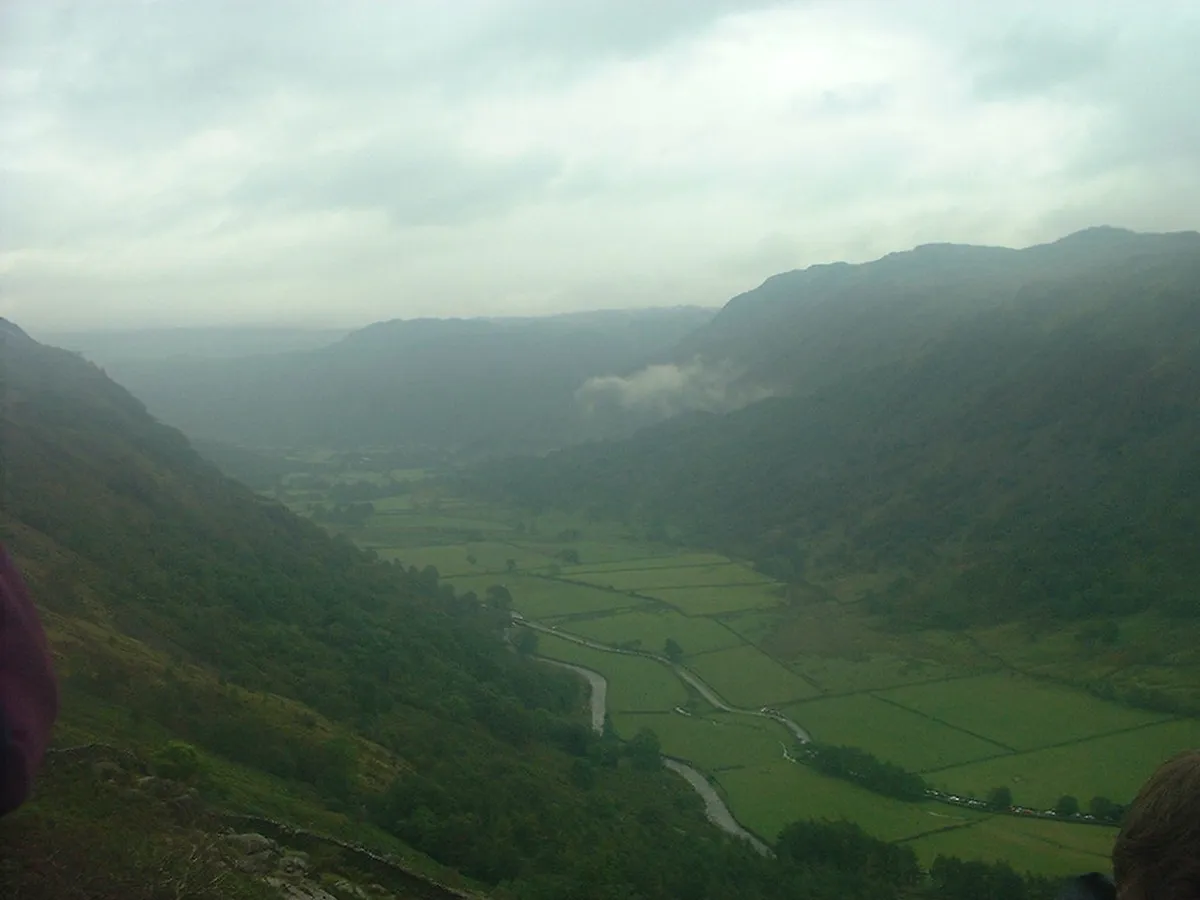
Last updated November 2026: for Scafell Pike from Seathwaite, or Scafell Pike from Borrowdale, start at Seathwaite in Borrowdale and choose an out-and-back or a fully mapped loop. Your main alternative starting points are Wasdale and Langdale, which need their own route plans and transport arrangements. Compare the wider options in our guide to Scafell Pike walks.
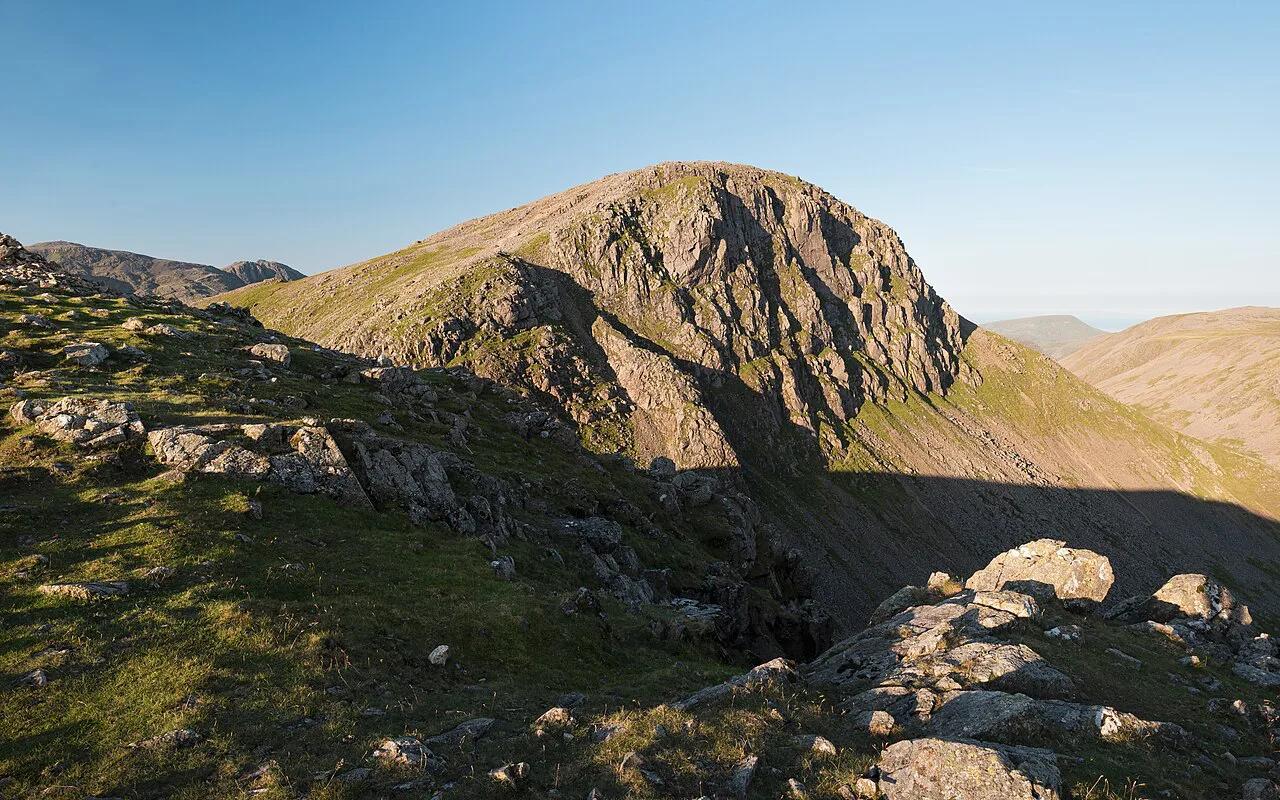
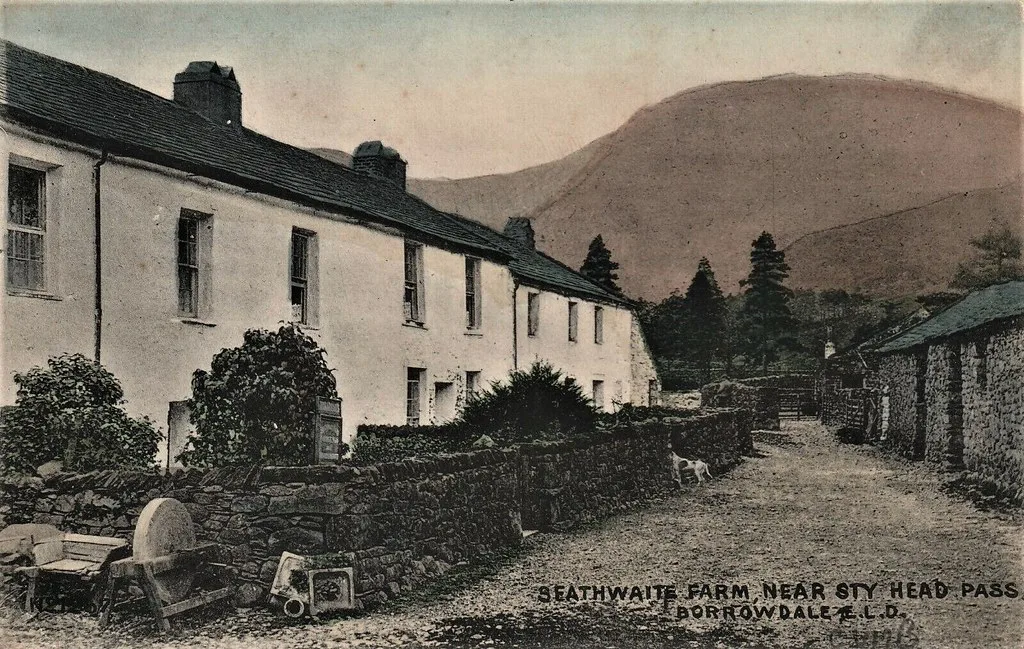
Featured image: Matthew Black, CC BY-SA 2.0, via Flickr.
Scafell Pike From Seathwaite at a Glance
Consider this start if Borrowdale suits your base and you can plan a full mountain day with map-and-compass navigation. Choose a guided outing or a smaller objective if you can't yet follow your position without a phone. No distance, ascent or time estimate is quoted here, so take all three from your exact mapped line and don't borrow totals from another start.
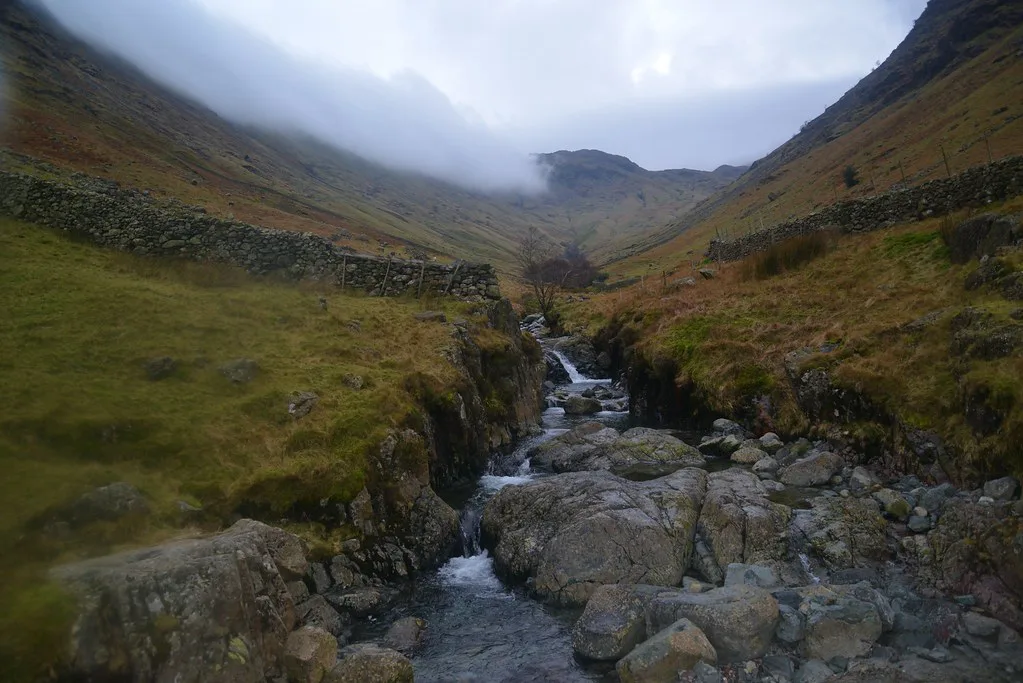
- Start: Seathwaite in Borrowdale. Check the map location, rather than relying on a place-name search.
- Route shape: an out-and-back, or a loop only if you can trace every link back to your start.
- Difficulty: treat it as a serious mountain walk and assess the terrain on both ascent and descent.
- Access: settle parking or public transport, including your return, before travelling.
Which Route From Seathwaite Should You Take?
An out-and-back lets you see much of your return ground on the way up, although it offers less variety. A loop changes the scenery but can add unfamiliar junctions and terrain late in the day. Seathwaite Fell is a separate map name, so don't set it as your starting point or assume a route to its name reaches Scafell Pike.
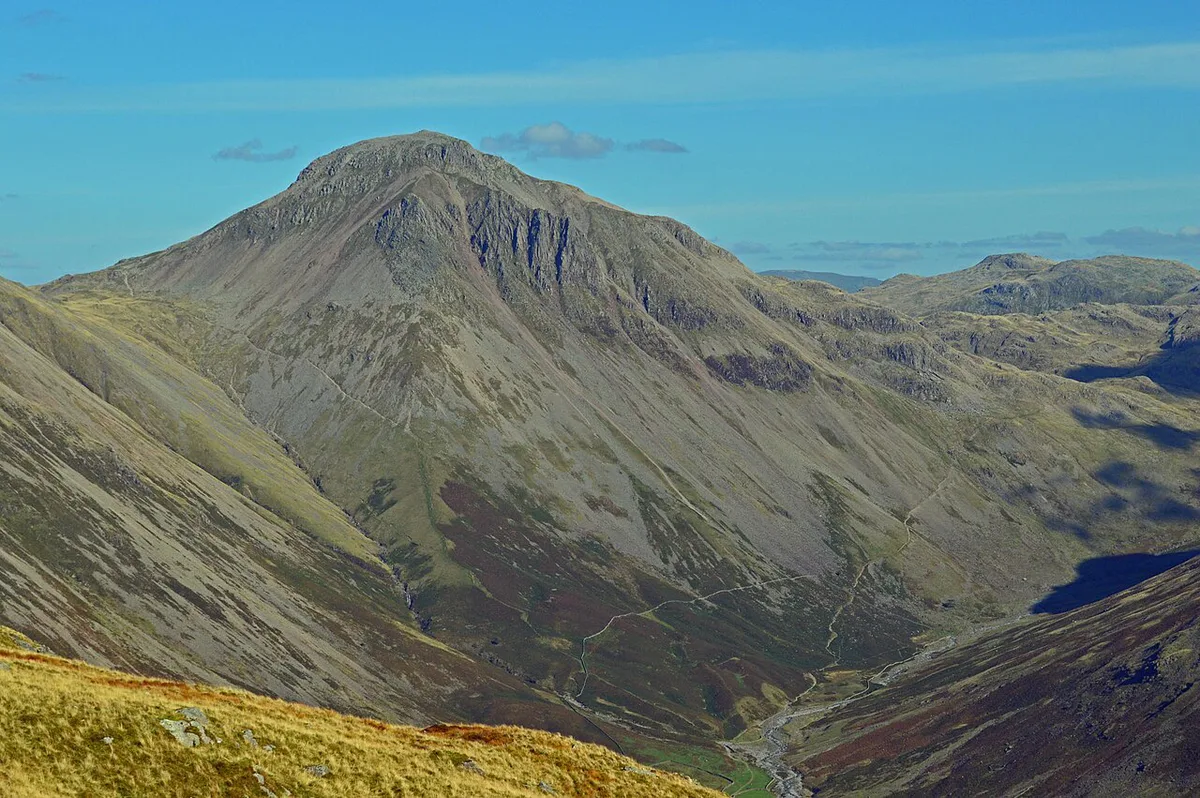
Before choosing either shape, trace the full line with a detailed route description beside your map. Look for steep or rocky ground, scrambling, exposed sections and water crossings. Mark where you could retreat, and don't treat an unfamiliar side path as a shortcut. A line on a digital map doesn't show whether a route suits your group or current conditions.
Scafell and Scafell Pike are different summits. Our explanation of the two summits can help you set the right destination. Don't add Scafell as a casual extension; it needs separate route planning.
Route Stages and Key Decision Points
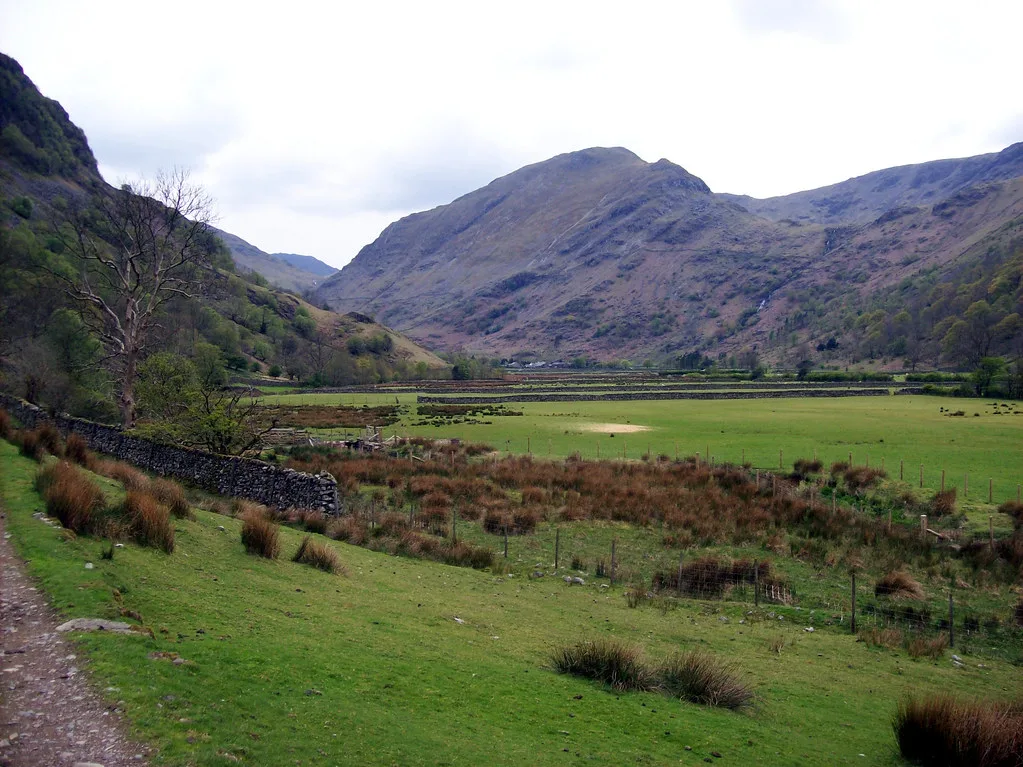
Divide your chosen line into stages before leaving home. Write down each major junction, the direction you expect to take and the feature that will confirm it. Plan the descent separately, because a wrong turn from high ground could take you towards a different valley. Carry a paper map and compass, and know how to use both.
| Stage | What to establish | Decision to make |
|---|---|---|
| Before leaving Seathwaite | Forecast, daylight, route and return arrangements | Start, change objective or postpone |
| Lower ascent | Correct path, group pace and any water crossings | Continue, or retreat if a crossing or your progress causes concern |
| Before steeper or higher ground | Visibility, energy, navigation and the terrain ahead | Continue only if the whole group can manage the return |
| Summit approach | Your position and remaining time | Turn back at your deadline, even if the summit is still ahead |
| Leaving the summit | Correct bearing and intended descent line | Confirm your direction before following other walkers |
| Lower descent | Remaining junctions, daylight and fatigue | Stop and relocate if the ground doesn't match your map |
How Long to Allow and When to Turn Back
Build your estimate from the mapped distance and ascent, then allow extra time for descent, breaks and group pace. Poor visibility, wet or icy ground and careful navigation can slow progress. Our guide to Scafell Pike climbing times can support your planning, but match any estimate to your own line.
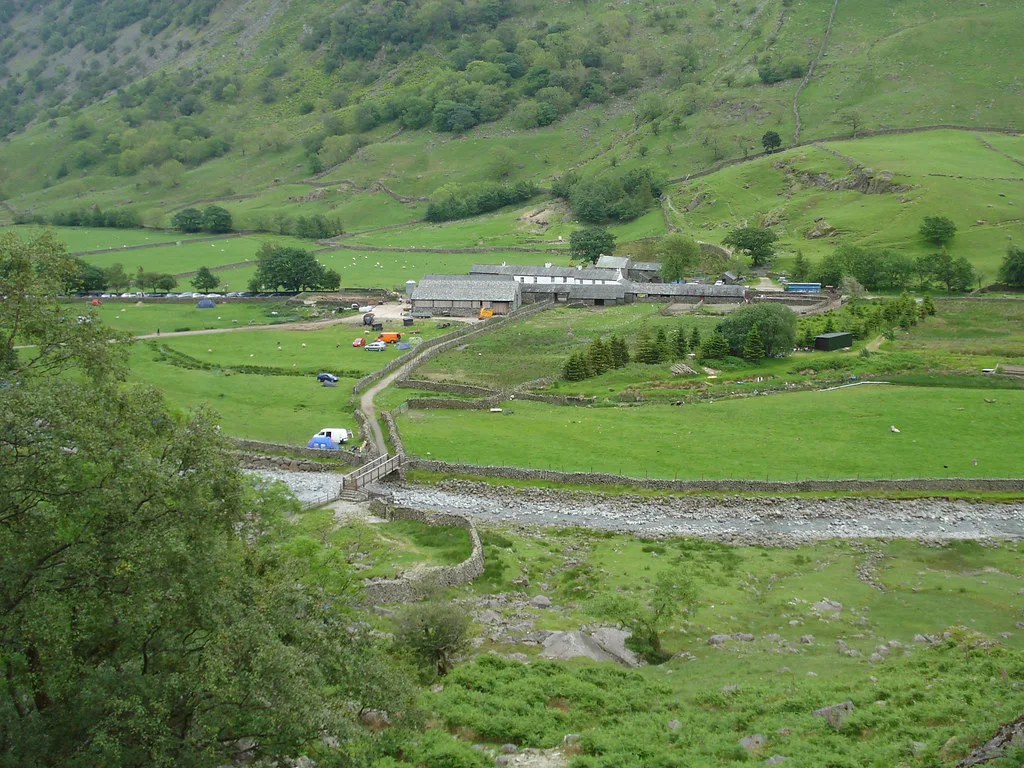
Set your latest turnaround before fatigue sets in, since a late retreat leaves little margin. If you're still out past that point, call 999 and ask for the police.
Work backwards from the time you need to be down. Leave a daylight margin, especially during the short days of late November, then subtract your realistic return time. That gives you a latest turnaround point on the clock. Reassess it at each decision stage, and bring it forward if your pace or conditions deteriorate.
- Turn back when you reach your latest turnaround time.
- Retreat if the forecast worsens or visibility makes your route unmanageable.
- Stop to establish your position if navigation becomes uncertain; don't press on by guesswork.
- Change plan early for injury, cold, fatigue or progress well behind schedule.
- Keep the group together when deciding how to get down.
Getting to Seathwaite: Parking and Public Transport
Current Seathwaite parking terms and bus connections aren't established here. Check local parking signs, the relevant landowner or highway authority, and the transport operator's dated timetable before travelling.
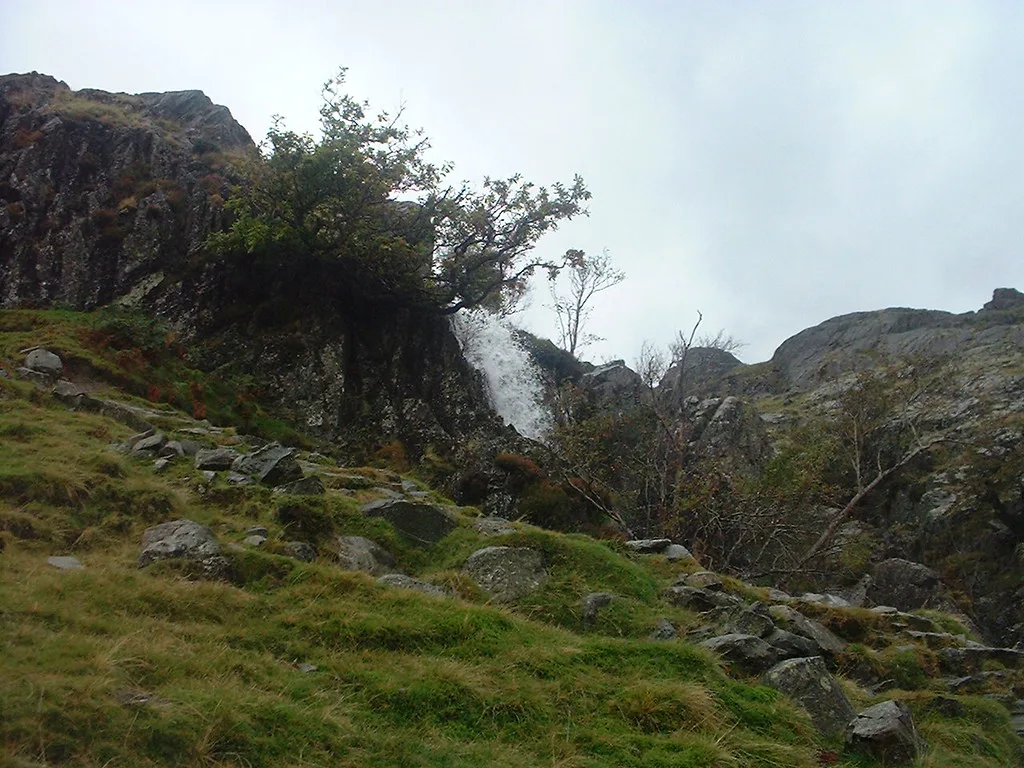
- Driving offers flexibility, but you need a lawful parking place and a backup if it is full. Our Scafell Pike parking guide can help with planning.
- Using a bus can avoid parking at the start. Establish the nearest stop, onward walk, seasonal service and last practical return.
- Finishing in Wasdale or Langdale creates a different transport problem from returning to Seathwaite. Arrange that journey before setting off.
- Don't rely on finding toilets, drinking water or phone reception without current information.
Seathwaite, Wasdale or Langdale?
Choose between these starts using your base, return transport and experience, then compare mapped routes to the same summit. For the western alternative, read our Wasdale ascent guide. You can also use the National Trust's Wasdale visitor guide when planning that valley. If Langdale is more convenient, see our route guide from Langdale. None should be assumed easiest, shortest or quietest without a like-for-like comparison.
| Starting point | Consider it when | Compare before choosing |
|---|---|---|
| Seathwaite | Borrowdale fits your base | Mapped totals, terrain, navigation and return access |
| Wasdale | You can reach and leave Wasdale reliably | The same factors for your exact Wasdale line |
| Langdale | Langdale fits your travel plan | The same factors for your exact Langdale line |
Weather, Kit and Mistakes to Avoid
Use the MWIS Lake District mountain forecast for conditions on the tops, rather than relying on a valley forecast. Our Scafell Pike weather guide adds planning context. Check current path and access notices too.
Pack waterproof layers, warm clothing, suitable footwear, food, water and a head torch. Take a charged phone with spare power, alongside your paper map and compass. AdventureSmart UK's safety resources can help you prepare. In a mountain emergency, call 999, ask for the police and then mountain rescue. You can learn about local rescue teams through the Lake District rescue association.
Snow and ice change the skills and equipment required. An ice axe and crampons may be necessary, with the experience to use them. Read about winter ascents of Scafell Pike, and postpone if conditions exceed your ability. New walkers can also use our beginner planning advice; Seathwaite shouldn't be assumed beginner-friendly.
- Don't use distance, ascent or time figures from another starting point.
- Don't confuse Scafell with Scafell Pike when loading a route.
- Don't rely only on a phone for navigation.
- Plan your descent as carefully as your ascent.
- Postpone if the forecast, daylight or your group's experience doesn't support the day.
Notes for your next walk
Optional updates to our Lake District walking guides.