Lake District in Summer: Weather, Crowds & Where to Go
Last updated November 2026: the Lake District in summer is worth it if you want long daylight for lake and fell days and can accept rain and changeable mountain weather. Expect pressure at popular spots, especially in July and August, so think twice if you need guaranteed sunshine, easy last-minute parking or quiet honeypots. To weigh other months, compare the Lakes across seasons.
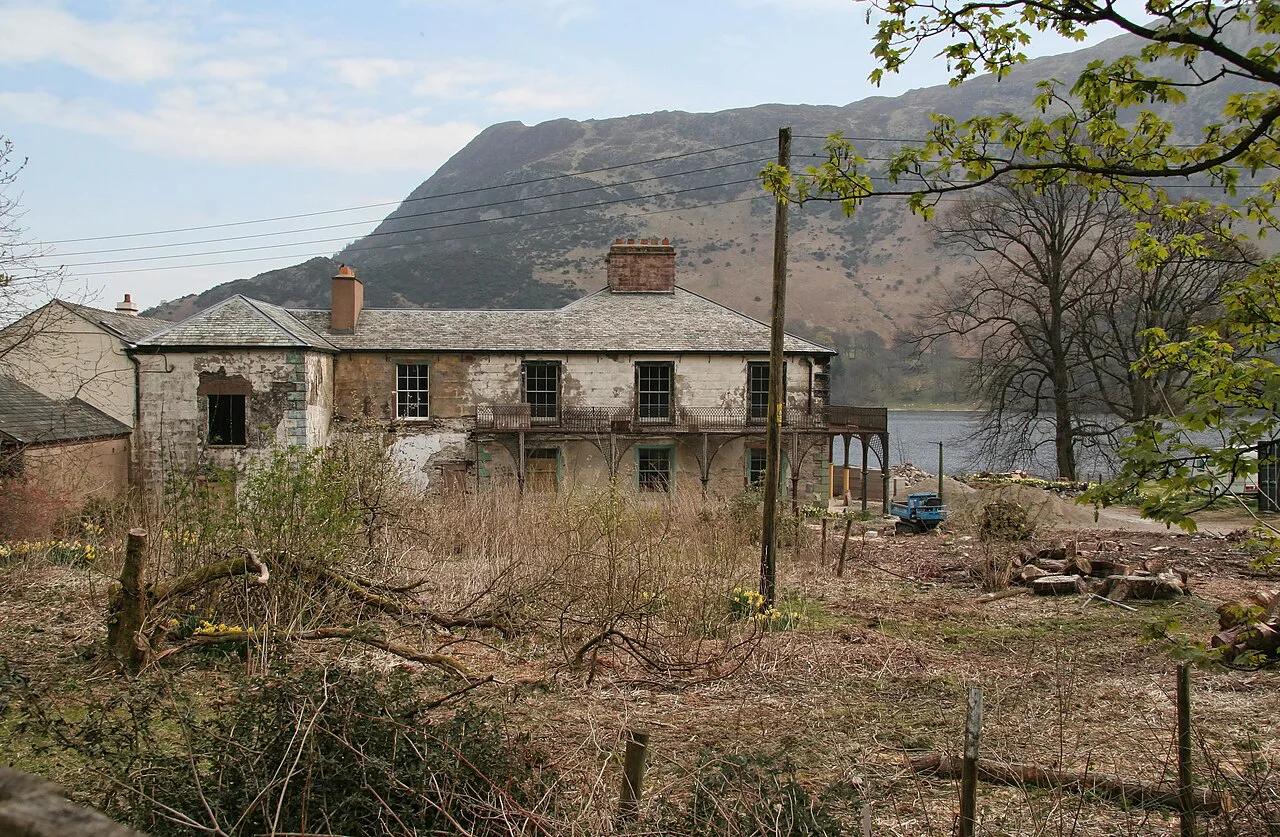
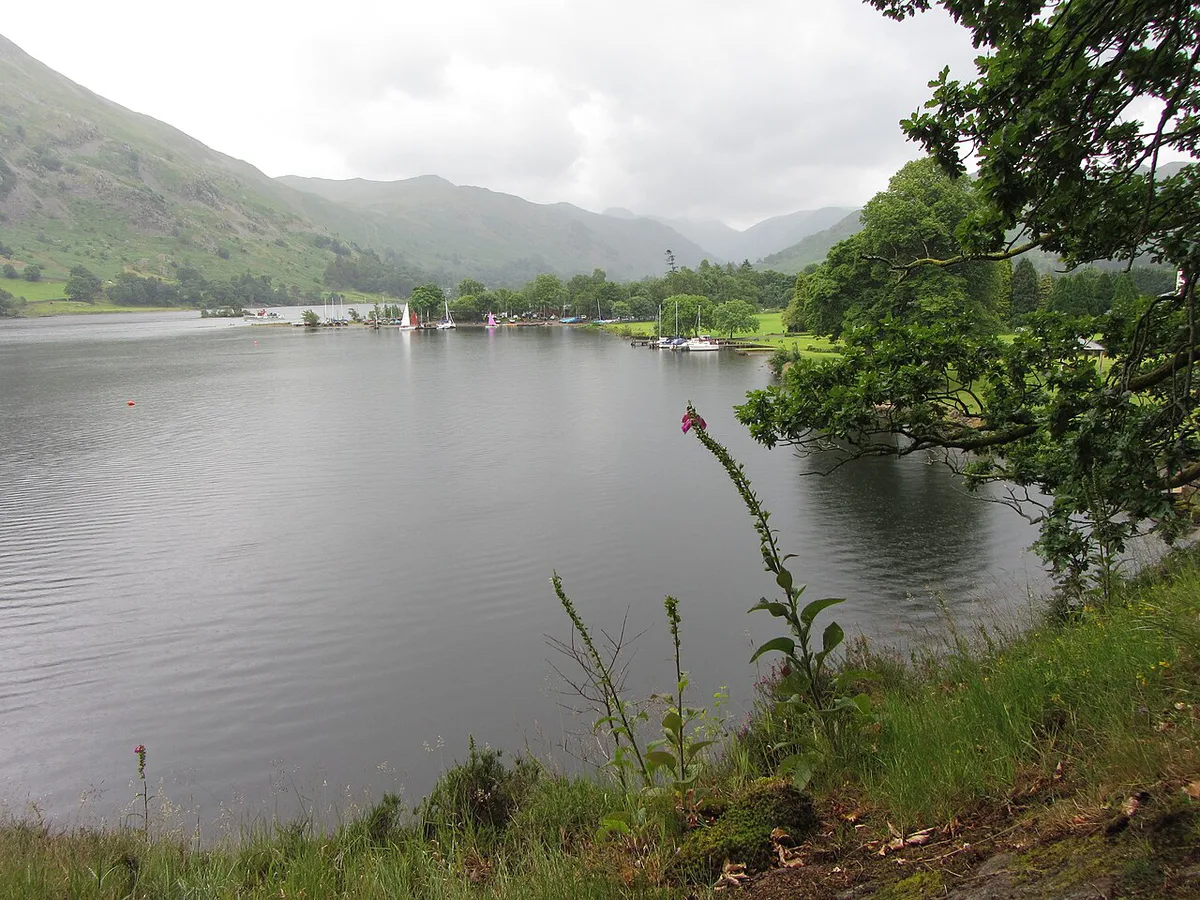
Featured image: Peter McDermott, CC BY-SA 2.0, via Wikimedia Commons.
Season Comparison: June, July or August for the Lake District in Summer
June is the one to consider first if your dates are flexible and you want to travel before school summer breaks. Those break dates differ across the UK, so match your week against the relevant official calendars. July and August are peak tourist season, which makes early booking sensible. In August, Grasmere Sports and Show brings fell running, Cumberland wrestling and sheepdog trials to a tradition dating from 1852. Check this year's date before building a trip around it.
| Month | Typical high / low* | Rainfall* | Crowd and booking approach | Best fit |
|---|---|---|---|---|
| June | 19°C (66°F) / 12°C (54°F) | 100 mm | Check school breaks; reserve key stays | Flexible walkers and couples |
| July | 21°C (70°F) / 13°C (55°F) | 110 mm | Peak season; book early | School-holiday trips |
| August | 21°C (70°F) / 13°C (55°F) | 120 mm | Peak season; have parking and activity backups | Families and event visitors |
- *Approximate monthly figures from Tripbase's 2026 guide, which names no weather station or averaging period.
- All three months have long daylight compared with winter, but none promises dry or clear weather.
- If summer pressure puts you off, compare a spring Lakes visit.
- For a later trip, see autumn in the Lakes.
Summer Weather and What to Pack
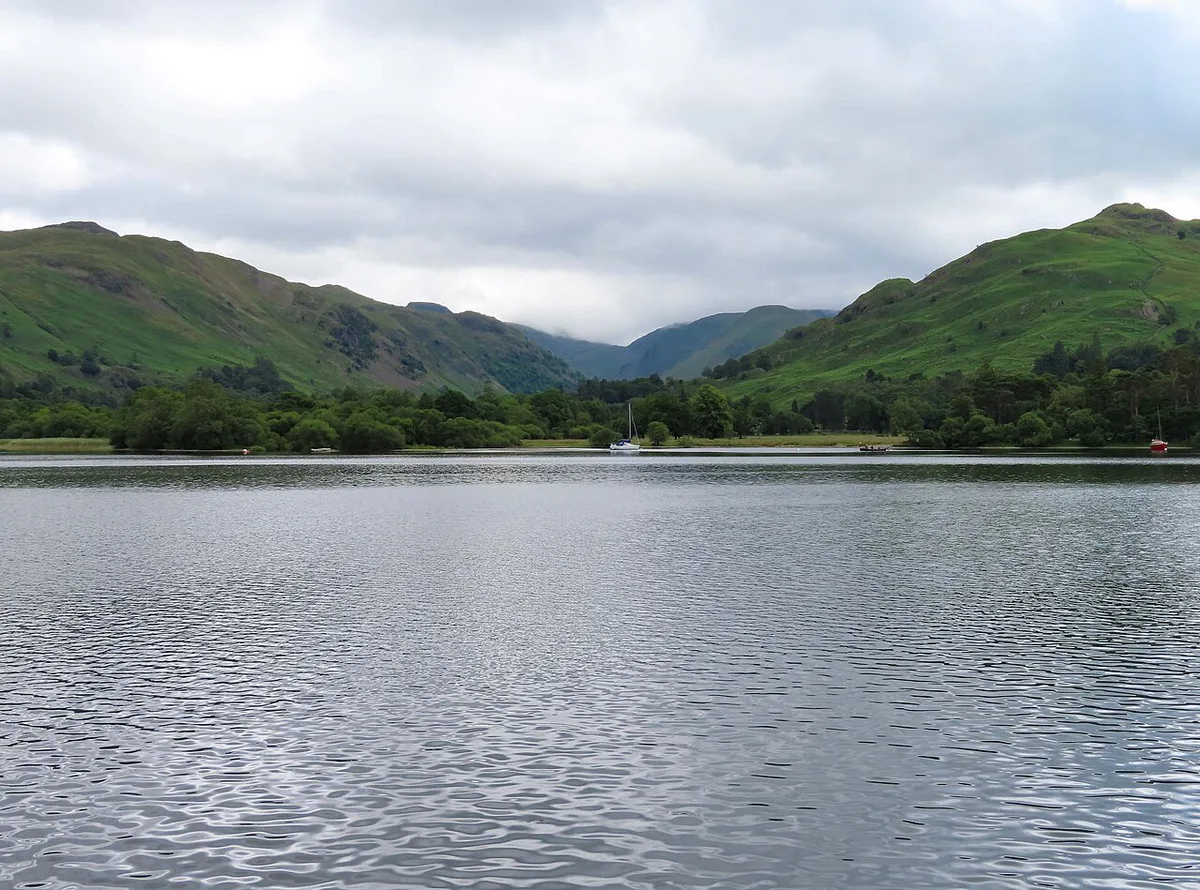
Plan for mild days and regular rain rather than a settled heatwave. Tripbase's approximate figures put June highs at 19°C (66°F), with July and August at 21°C (70°F). Its monthly rainfall rises from 100 mm in June to 110 mm in July and 120 mm in August. Treat these as broad guidance, not a forecast for your valley or summit. Before a fell day, read the Mountain Weather Information Service forecast. High ground can be severe even when conditions below seem manageable, and they can change within hours. For route decisions, use our guide to hill weather for walkers.
- Waterproof jacket and overtrousers
- Warm spare layer, even on a mild valley morning
- Footwear with grip suited to your route
- Map, navigation skills and a charged phone
- A turnaround point and a lower-effort alternative
Where to Base Yourself
Choose your base around the days you actually want to have. Before booking any room, look at its parking, evening food options and public transport stop. Ask about summer minimum stays and cancellation terms too. A cheaper room can lose its appeal if every outing needs a difficult drive.
Ambleside has no Windermere rail station in town, so for a car-free stay there, Route 555 becomes your main link, so plan your days around its summer timetable.
| Base | Suits | Without a car | Summer drawback and trade-off |
|---|---|---|---|
| Windermere | Rail arrivals and lake days | Branch-line rail access via Oxenholme | Peak-season pressure; easy arrival, but fell days may need onward transport |
| Ambleside | Visitors wanting restaurants and shops | No Windermere rail station in town; check buses | Gets crowded; services come with a busier setting |
| Keswick | Northern fells, Derwentwater and outdoor shops | Check bus links for arrival and each outing | Book ahead in peak weeks; southern sights mean longer travel |
| Coniston or Hawkshead | Coniston Water, Brantwood or Tarn Hows trips | Check each village separately | Transport may limit spontaneity |
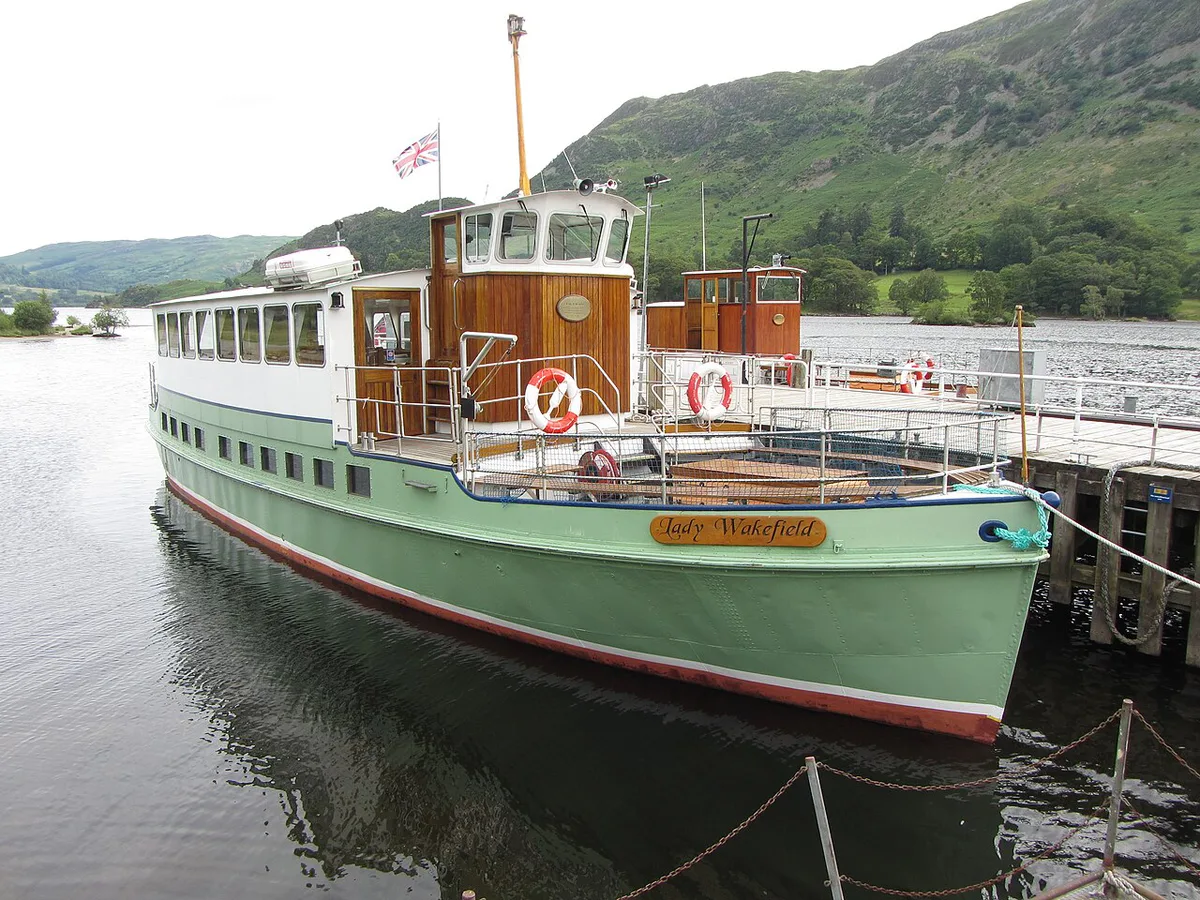
| Ullswater | Steamer days, Aira Force and Helvellyn plans | Check your exact village, bus and boat | Plan parking and returns; strong lake access, but location matters |
Do You Need a Car?
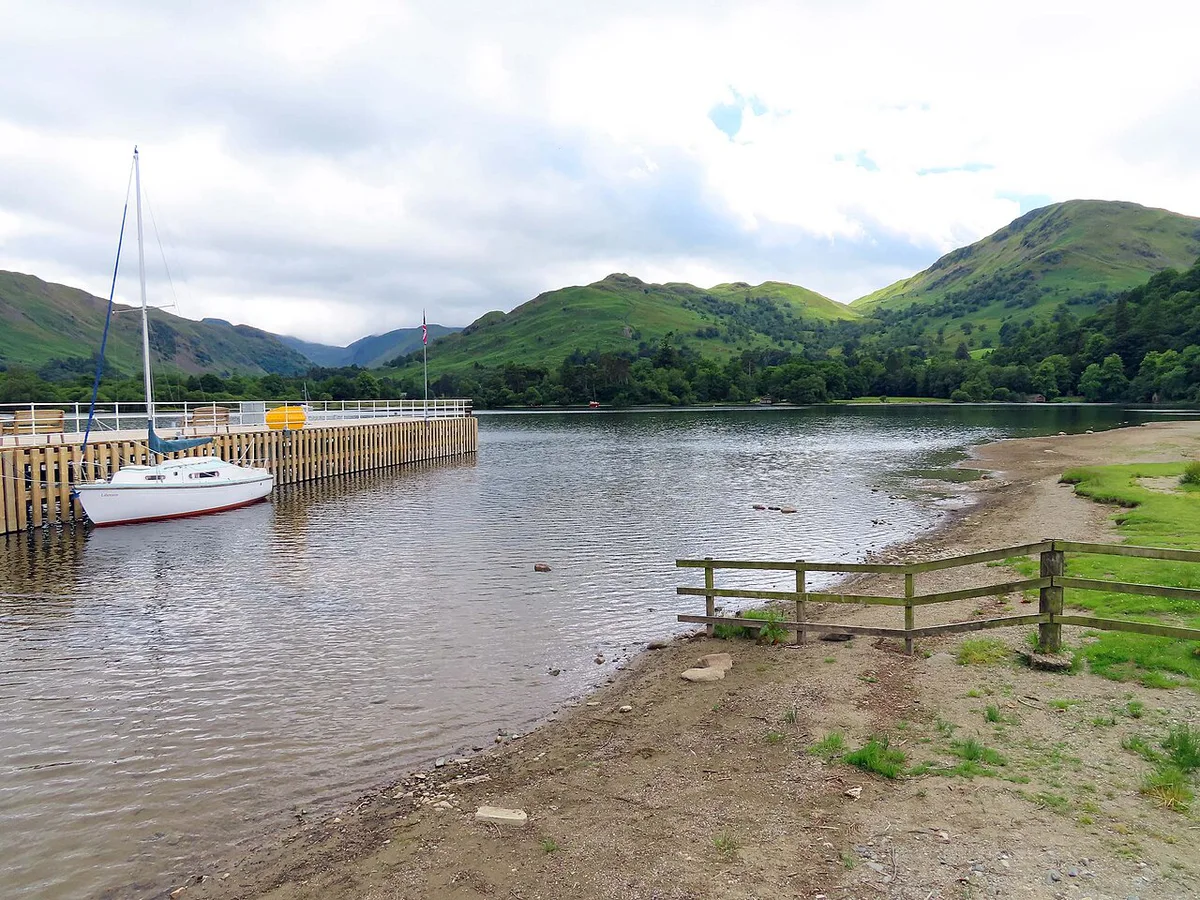
A car adds flexibility, particularly for scattered villages and early walk starts, but it also leaves you managing traffic and parking. You can plan a car-free break if you choose fewer places and match your base to them. Rail via Oxenholme reaches Windermere. Route 555 has linked Windermere, Ambleside and Keswick, so plan around its current summer status and timetable. Boats can form part of a day out, but plan both landing points and the return connection.
- Car: flexible timing, with fuel, parking and any hire costs to budget.
- Rail plus bus: no parking search, but missed connections can reshape the day.
- Boat plus walk: scenic travel, subject to operating conditions and timetables.
- Walking from your door: least transport planning, with fewer route choices.
- Night before: check forecasts, road restrictions, parking and the last return service.
- Full car park: switch to your planned alternative; never improvise on a verge or block a gate.
Summer Things to Do, Chosen by Conditions
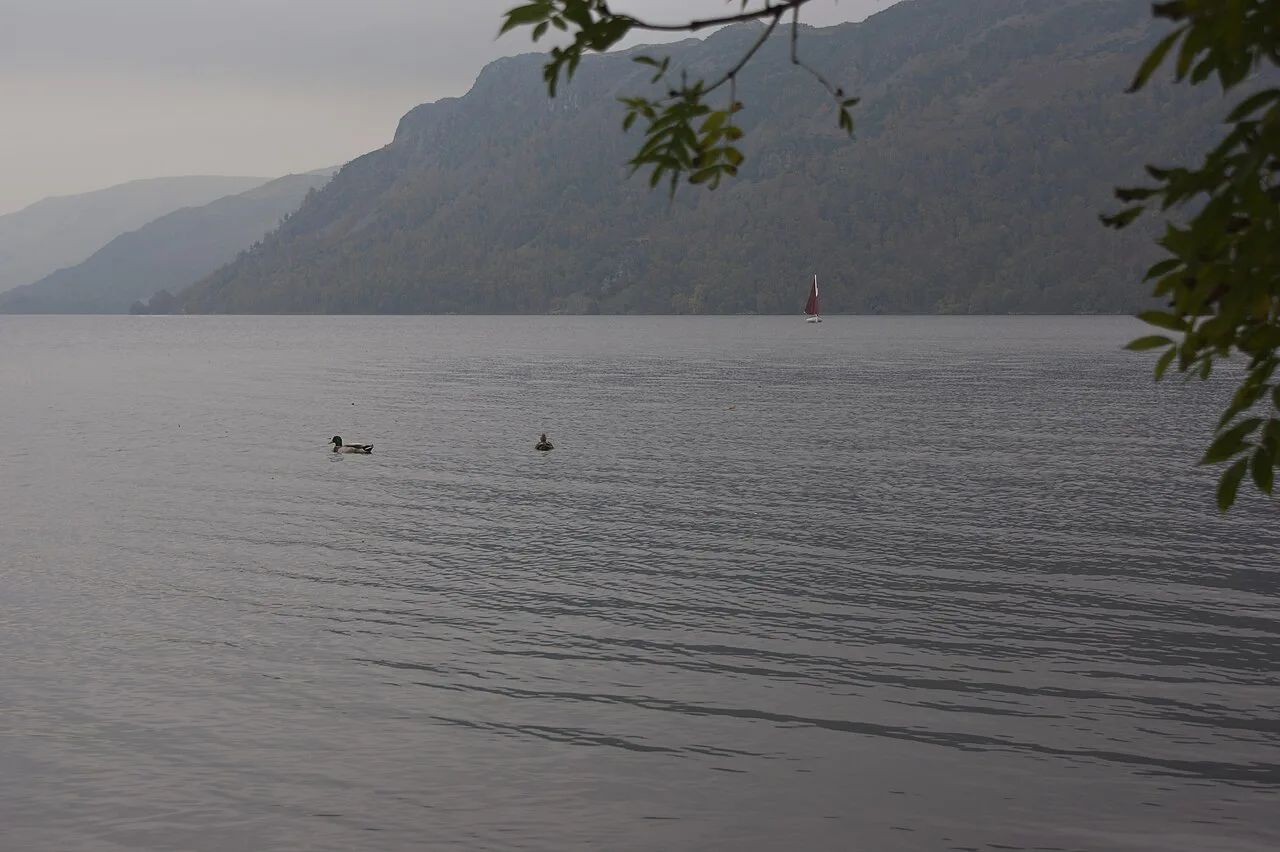
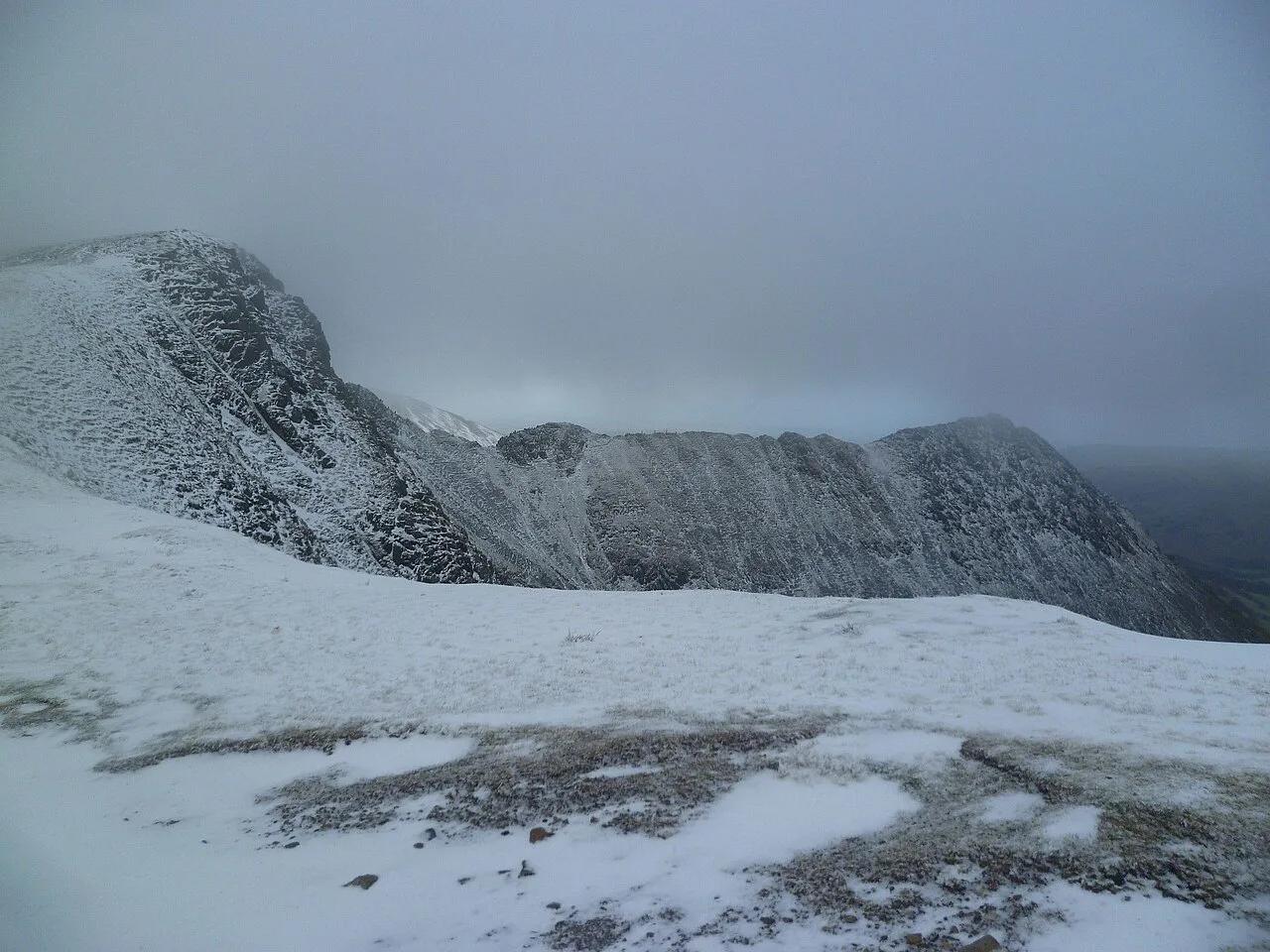
Match each outing to the weather, your group's ability and the journey back. Striding Edge on Helvellyn is an exposed scramble with steep drops, not a casual summer walk. Avoid it in wet or icy conditions without scrambling experience; summer does not remove its risks. For water activities, use current operator and safety advice. Check for cold water, blue-green algae, boat traffic and access rules. Clean and dry equipment to avoid carrying invasive species between waters. Early starts need their own daylight and transport plan, covered in our Lakes sunrise walk ideas.
August's 120 mm rainfall figure is approximate, so pick outings with a wet-weather alternative rather than one fixed plan.
| Option | Best for and effort | Access without a car | Booking, cost and weather check |
|---|---|---|---|
| Windermere or Ullswater cruise | Lower-effort lake day; allow for boarding and return | Check transport to the pier | Check sailings, fare and wind disruption |
| Cat Bells | Settled-weather hill walk; includes ascent | Check transport from Keswick | Assess terrain and children's ability |
| Paddling, sailing or swimming | Water-confident visitors; variable effort | Check access to the launch or entry point | Check hire fees, age limits and water conditions |
| Grizedale forest day | Families or walkers; choose route by effort | Check transport before booking | Check trail notices, charges and weather |
| Hill Top or Brantwood | House visit for a showery day | Check the final connection | Check opening, admission and booking; outdoor areas stay weather-exposed |
- Find current site details from Forestry England at Grizedale.
- Plan Trust property visits through National Trust Lake District.
- In heavy rain, do not assume waterfalls or low-level paths are safe.
How to Avoid the Worst Summer Friction
Mistake to avoid: arriving late with one fixed plan and no way to change it. Keep each day in one area and choose a second activity before leaving. Earlier starts may give you more options, but they cannot guarantee parking or space. For mountain preparation and rescue information, consult Lake District mountain rescue teams.
- Do not use a valley forecast to judge a summit.
- Check the final bus or boat instead of assuming it runs late.
- Reserve accommodation and any time-specific visit that your trip depends on.
- Take litter home and keep dogs under close control near livestock.
- Use fires or barbecues only where clearly permitted, and follow fire-risk notices.
- Check land access and camping permission; local custom is not blanket legal permission.
- Park only in suitable, permitted spaces and leave emergency and farm access clear.
Sample Summer Day Plans
Use these as frameworks, then fit them to current services and conditions. Leave enough margin for a slow return, particularly if your last connection has no practical substitute.
- Car-free: base in Windermere, make a lake cruise the main activity, and check piers and returns. Fall back to a walk near your base if conditions allow.
- Settled and active: base in Keswick and consider Cat Bells. Check the hill forecast and transport; switch to an easier outing if the route is unsuitable.
- Wet or busy: base in Coniston or Hawkshead and consider Brantwood or Hill Top. Check entry and the full journey; keep a food stop or accommodation-based break as backup.
What Affects the Cost?
Accommodation dates, location and booking flexibility can shape your budget, alongside car hire, fuel, parking and public transport. Add boat trips, attraction admission, equipment hire and food to compare a paid activity break with mostly self-guided walking. Free walking can still involve paid access. As one price marker, Tripbase's 2026 guide lists an Ullswater Steamer return at £13. It gives no sailing route or seasonal fare comparison, so this is not evidence of a summer price rise or a current quote. Compare the operator's fare for your date. For lodging, price the same room and cancellation terms in your preferred summer week and an alternative week. If winter is another option, compare its different planning demands in our winter Lakes guide.
Frequently Asked Questions
Which is nicer, Keswick or Windermere?
Neither is nicer for every trip. Pick Keswick for northern fells and Derwentwater, or Windermere for direct branch-line access and southern lake days.
Notes for your next walk
Optional updates to our Lake District walking guides.