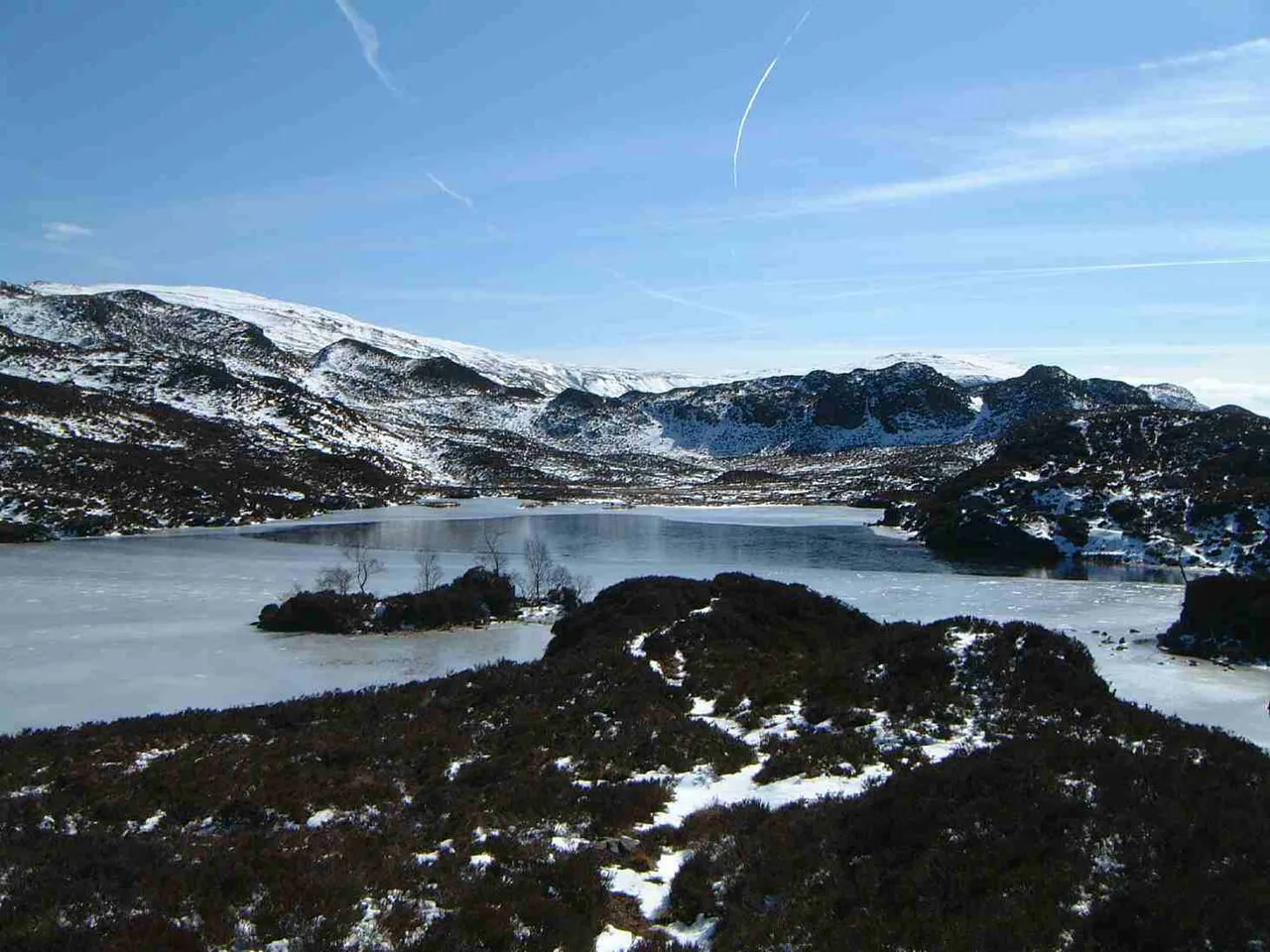
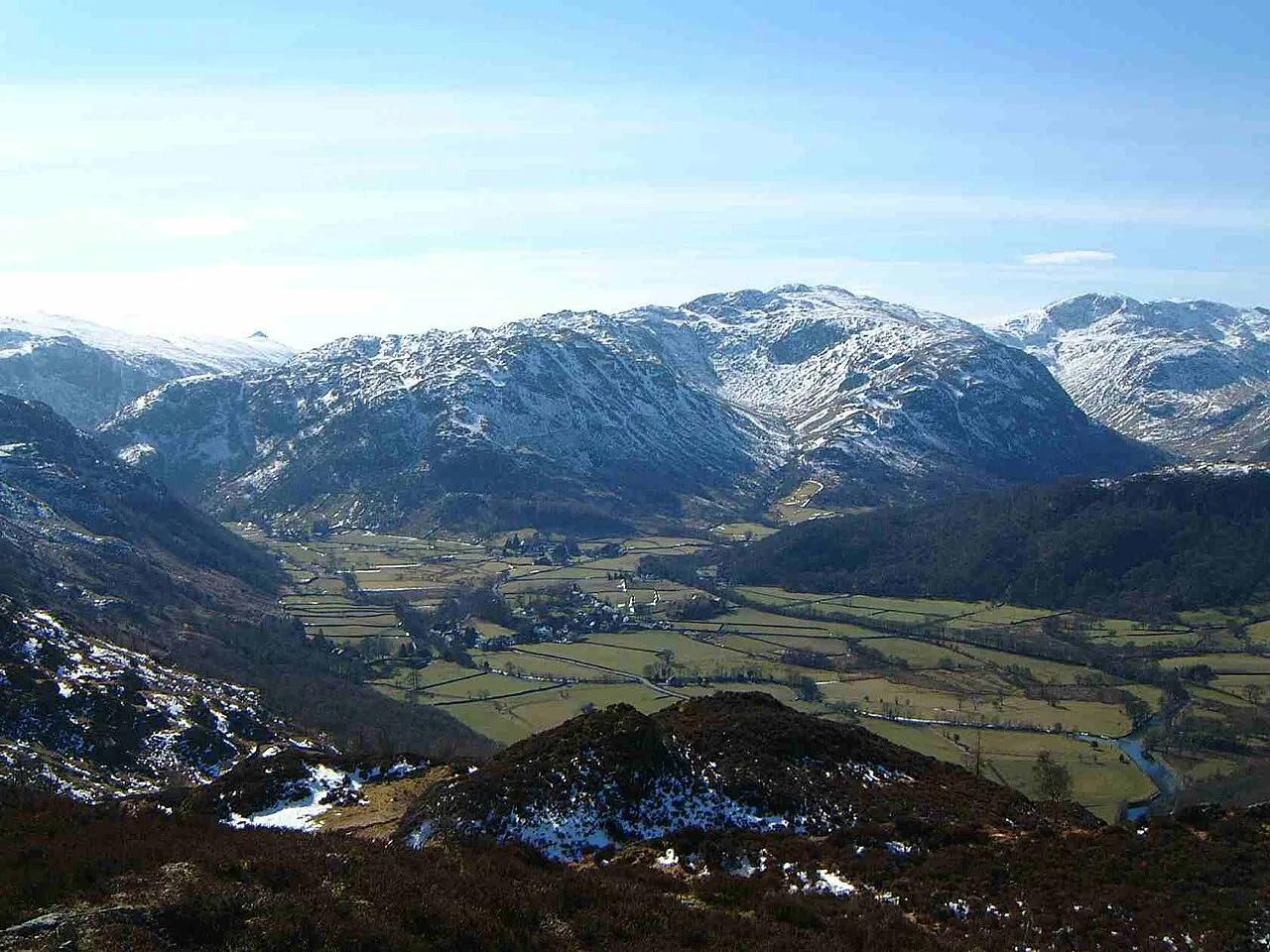
Grange in Borrowdale Walks: Which Route to Choose
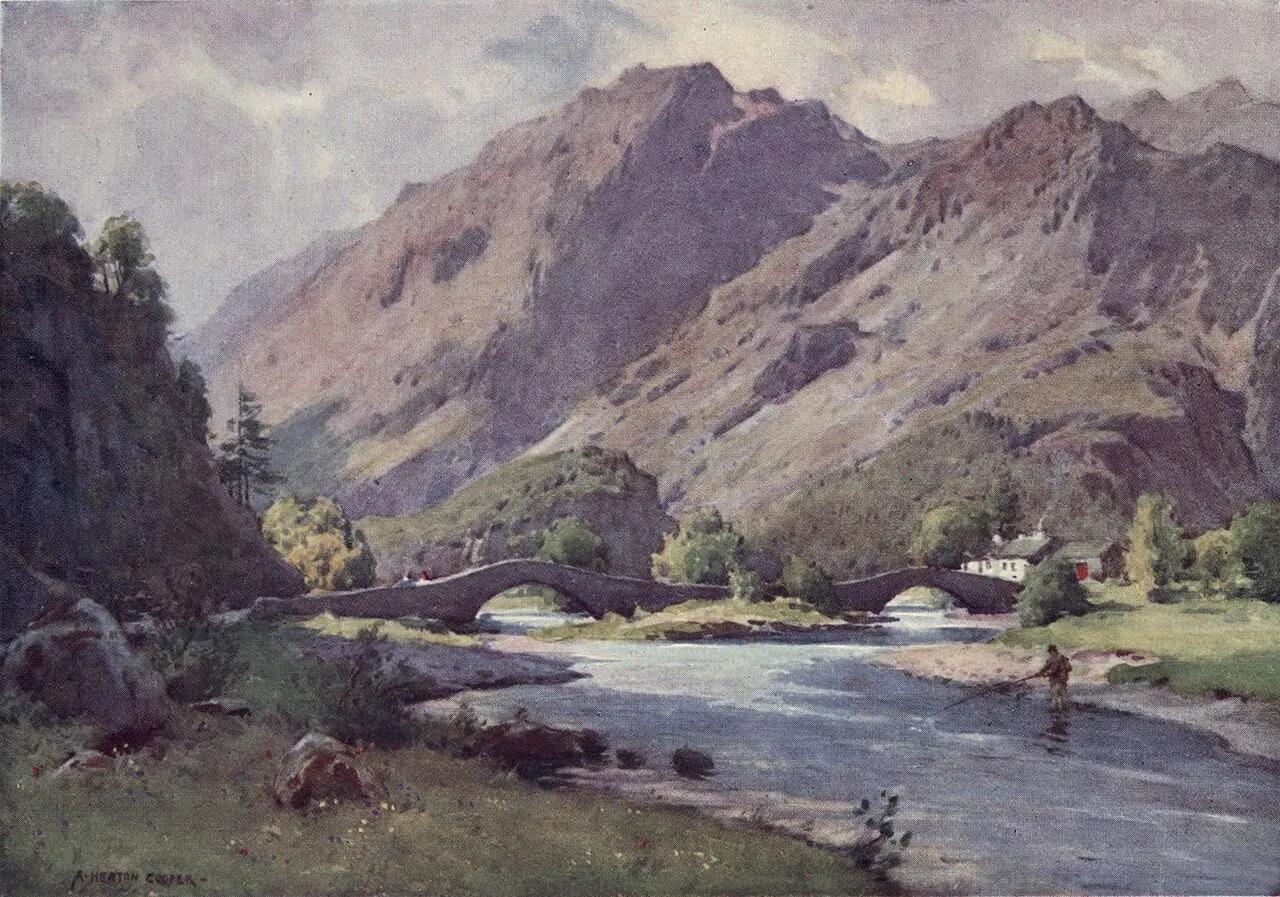
Last updated November 2026: among Grange in Borrowdale walks, our pick for a modest summit goal is Castle Crag, while Derwentwater suits walkers who prefer lower ground. Choose High Spy if you're an experienced hill walker wanting a bigger day, or Bowder Stone if one landmark is enough.
Featured image: Alfred Heaton Cooper, Public domain, via Wikimedia Commons.
Walks from Grange Borrowdale: which should you choose?
Start with the kind of day you want, then settle on an exact route. For options across the whole valley, use our guide to Borrowdale walking routes. Here, the shortlist focuses on planning from Grange village.
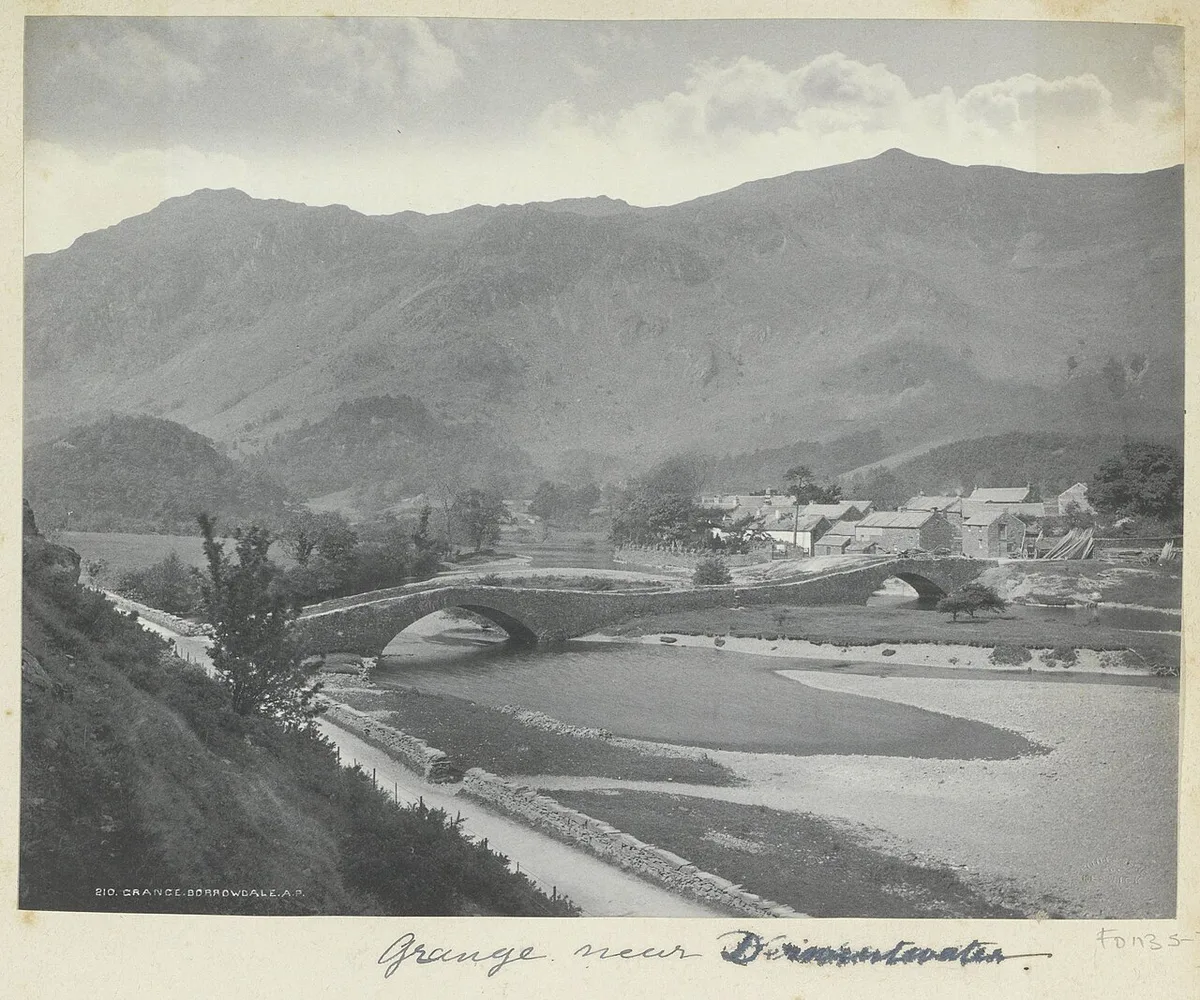
These are route ideas built around a destination, and each can have more than one line on the ground. Before committing, trace your whole outing from Grange and back on a current Ordnance Survey map. Distance, climbing and walking time all depend on that line, so take all three from the same route description.
| Walk idea | Best for | Type of outing | What to settle before leaving | Main reason to skip |
|---|---|---|---|---|
| Bowder Stone | Walkers with one landmark in mind | Landmark visit | Outward path, return path and any road walking | You want a summit |
| Derwentwater | Walkers who prefer lower ground | Lake-based walk | Turnaround point or full return | You want a hill climb |
| Castle Crag | Walkers wanting a modest summit goal | Smaller hill objective | Ascent, descent and turnaround point | You want to avoid climbing |
| High Spy | Experienced hill walkers | Bigger fell day | Full ridge or return line and escape options | Poor weather, limited daylight or weak navigation skills |
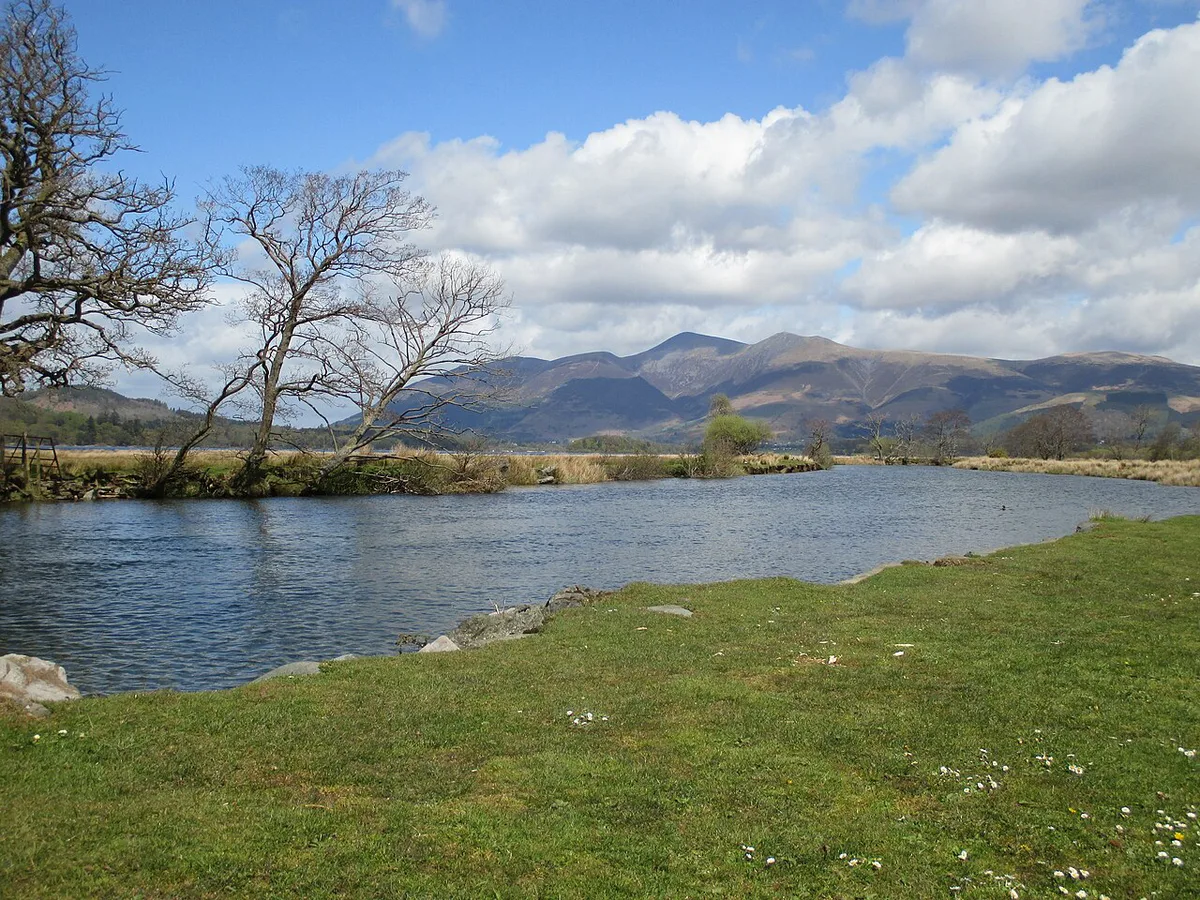
Best walking routes from Grange in Borrowdale
Lower objectives come first below, followed by the two hill choices. This order is a broad guide rather than a grading of every path. A longer low-level circuit can take more time and energy than you expect.
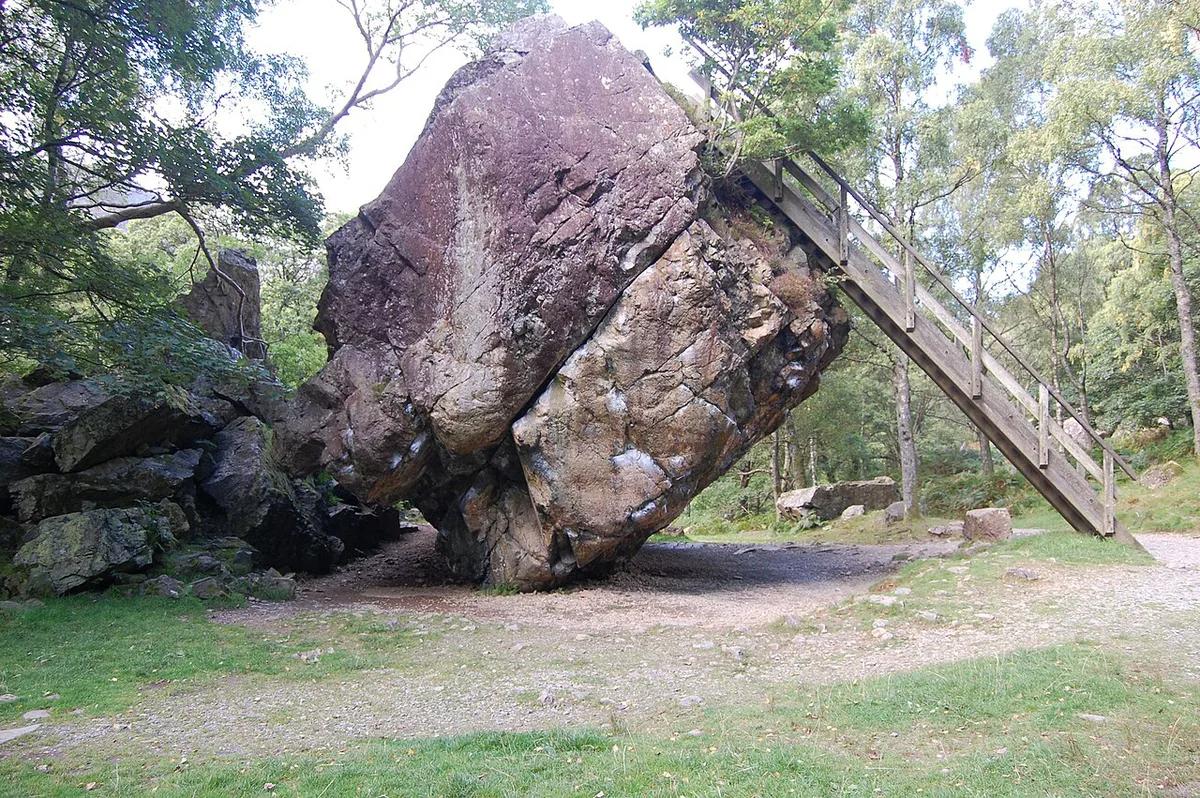
- Bowder Stone visit: Pick this when you want a clear landmark and a simple decision about turning back. An out-and-back plan is easier to judge than an extended loop. Skip it if your priority is open hill walking. Map any road sections before taking children or a dog.
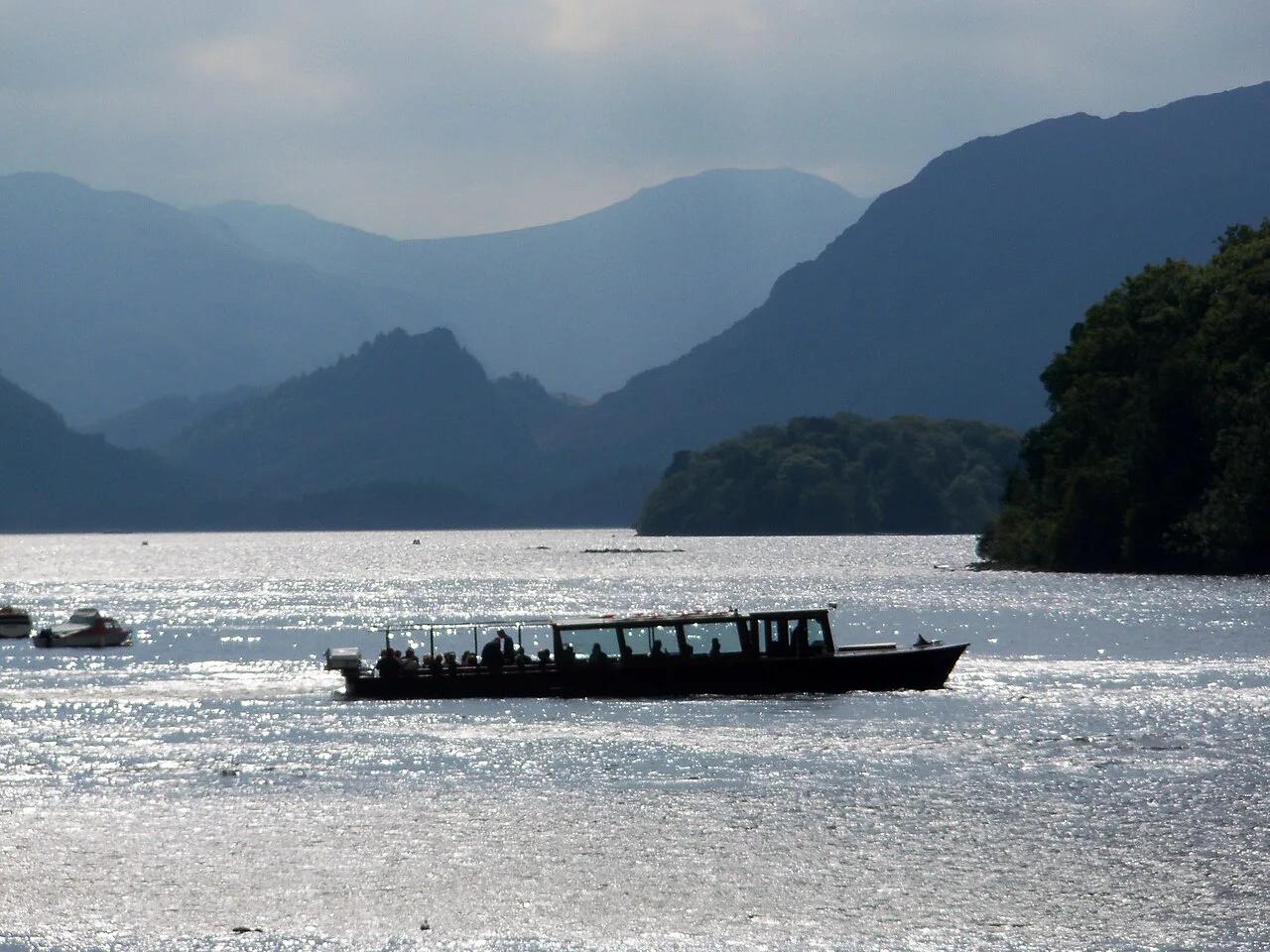
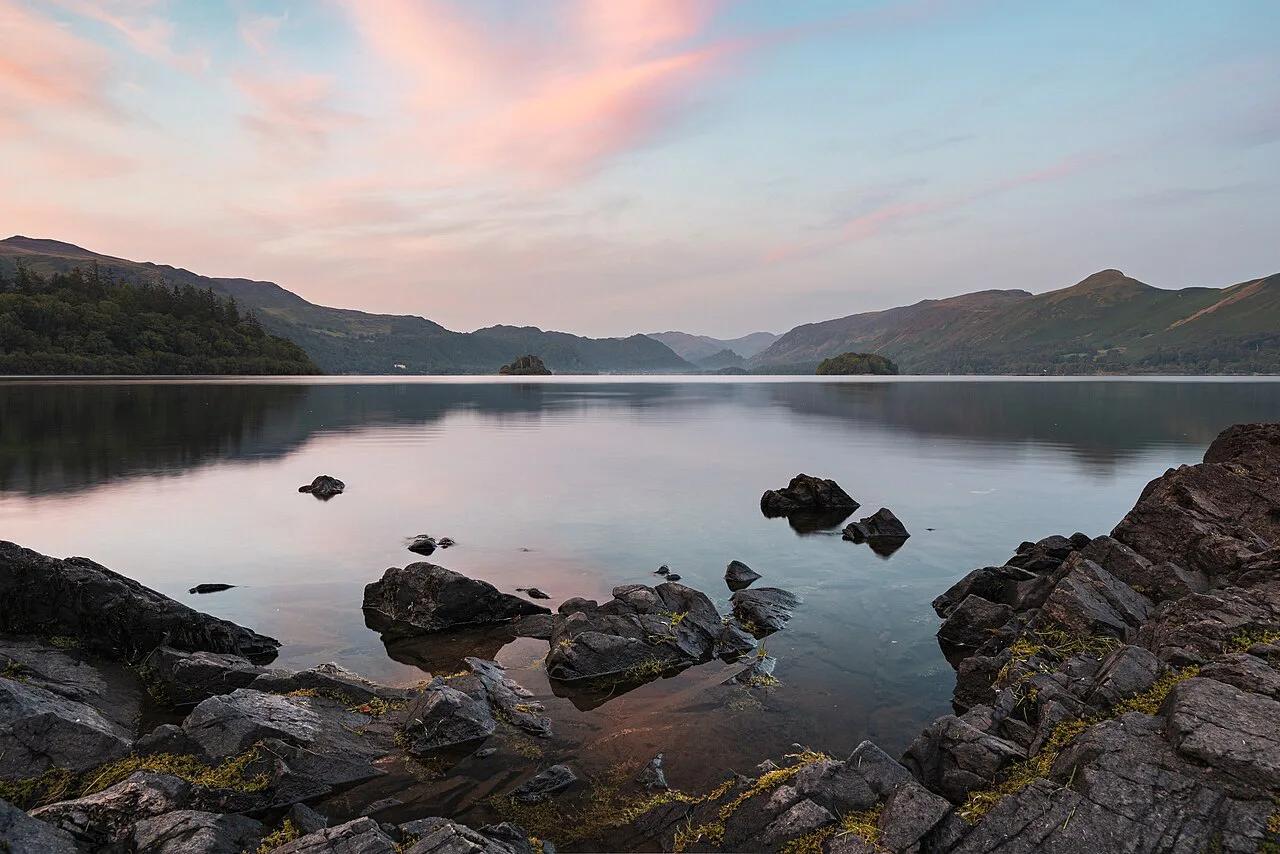
- Derwentwater walking options: Consider these for a day centred on the lake instead of a summit. Decide whether you are walking out and back, making a loop or finishing elsewhere. A full lake circuit is a different commitment from a short outing. Lakeside ground can flood, so keep a dry return option.
- Castle Crag climb: This is our choice for a summit objective smaller than High Spy. Do not treat its size as a promise of easy walking. Study the final ascent and descent before you go, especially for anyone unsure on steep or loose ground. Turn back if the footing is beyond your group's ability.
- High Spy fell walk: Save this for a day when you have hill experience, suitable conditions and plenty of daylight. Its extra effort buys a higher mountain objective. You also take on more weather exposure and navigation responsibility. Plan the descent and a turnaround time before setting off.
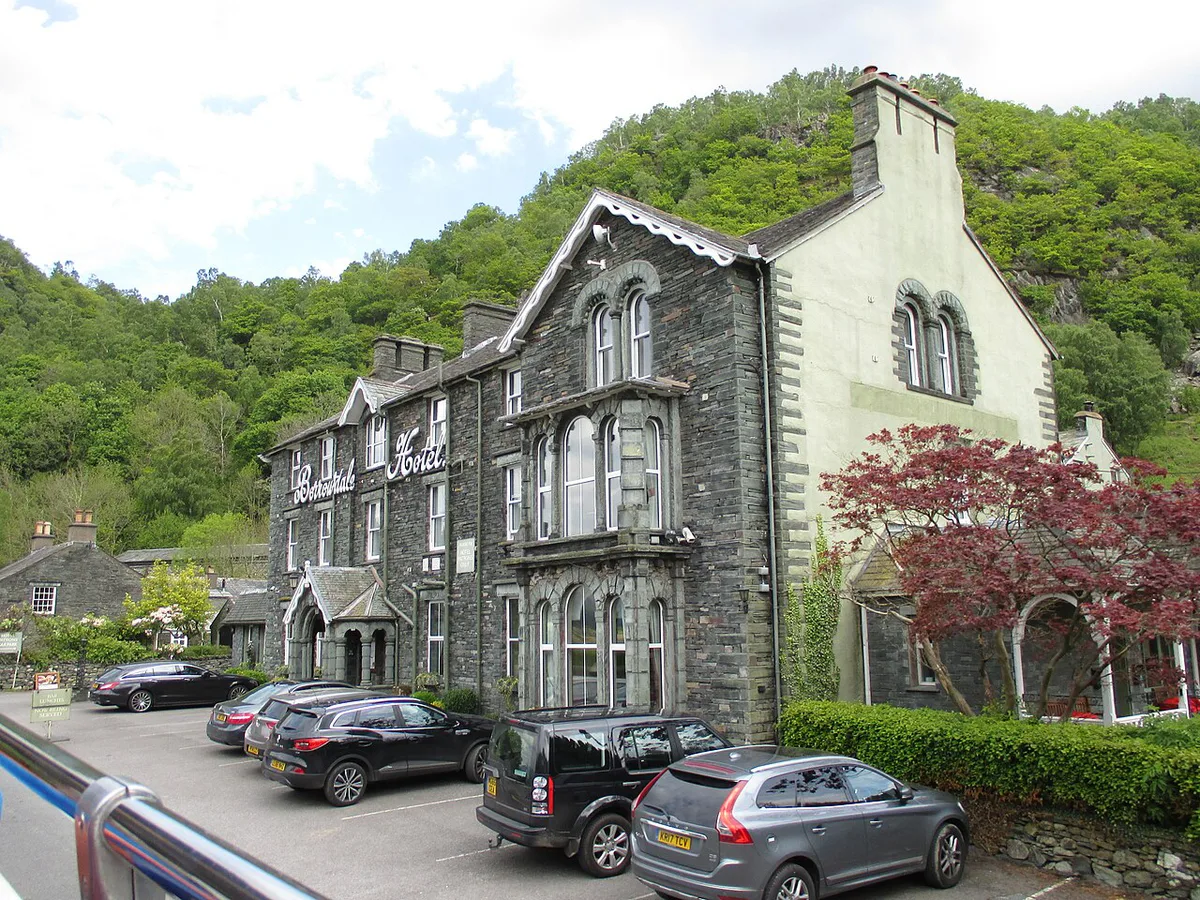
Loop, out-and-back or linear walk?
An out-and-back gives you familiar ground for the return and a straightforward point to turn around. Remember that conditions and daylight can change before you pass the same places again.
A loop adds variety, but its later half may contain the awkward descent, wet section or road stretch. Study that half as carefully as the start. If you shorten a loop, use a path you have already identified on the map.
Linear walks need a dependable way back. Arrange that return before leaving Grange, and know what you will do if you miss a connection. For limited time, a single objective with an early turnaround is usually easier to manage than a route relying on transport.
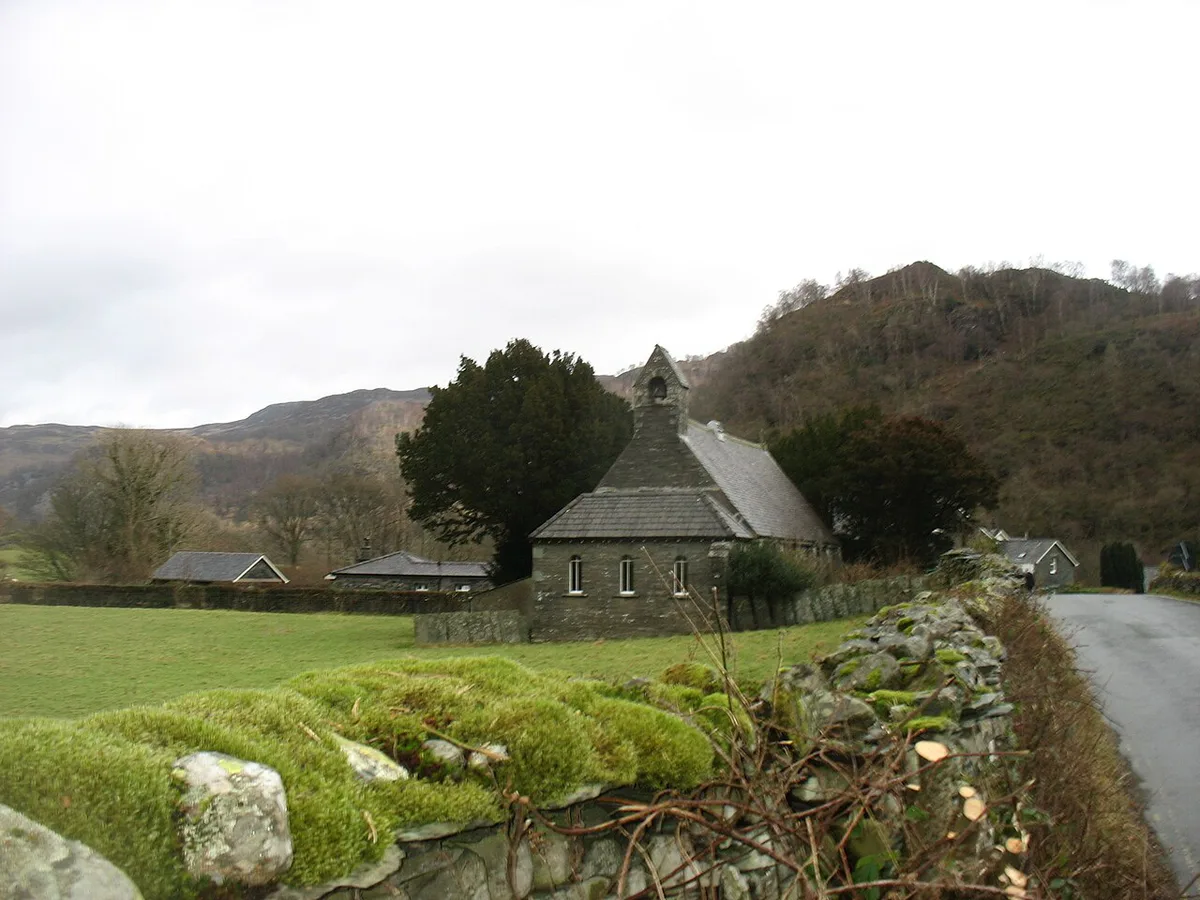
Related Borrowdale walks with a separate start to consider
Some nearby ideas may work better with a different starting point. Do not assume that any of the options below is a practical walk from your parking place in Grange. Compare the full approach and return, or plan a transfer.
- Lodore Falls outing: Consider it when a waterfall is your main interest. Water flow varies with recent weather.
- Walking to Watendlath: Research this as its own outing, with a clear start, finish and return.
- Dock Tarn route ideas: Look at the climb and ground conditions before adding the tarn to your day.
- Walks around Seathwaite: Treat Seathwaite as a separate base unless your chosen line and transport plan connect it with Grange.
- Glaramara mountain walk: Plan this as a substantial fell objective, separate from a casual village stroll.
Getting to Grange and starting your walk
Before travelling by bus, check the operator's current timetable for your actual date. Find your arrival stop, return stop and last practical service. Then add the walk between each stop and your route, including any road crossing.
Drivers should settle on authorised parking before setting out and have an alternative if it is full. Read the posted charges, payment methods and time limits. Avoid informal verge or residential parking, and look up any approach-road or bridge restrictions, particularly for a larger vehicle.
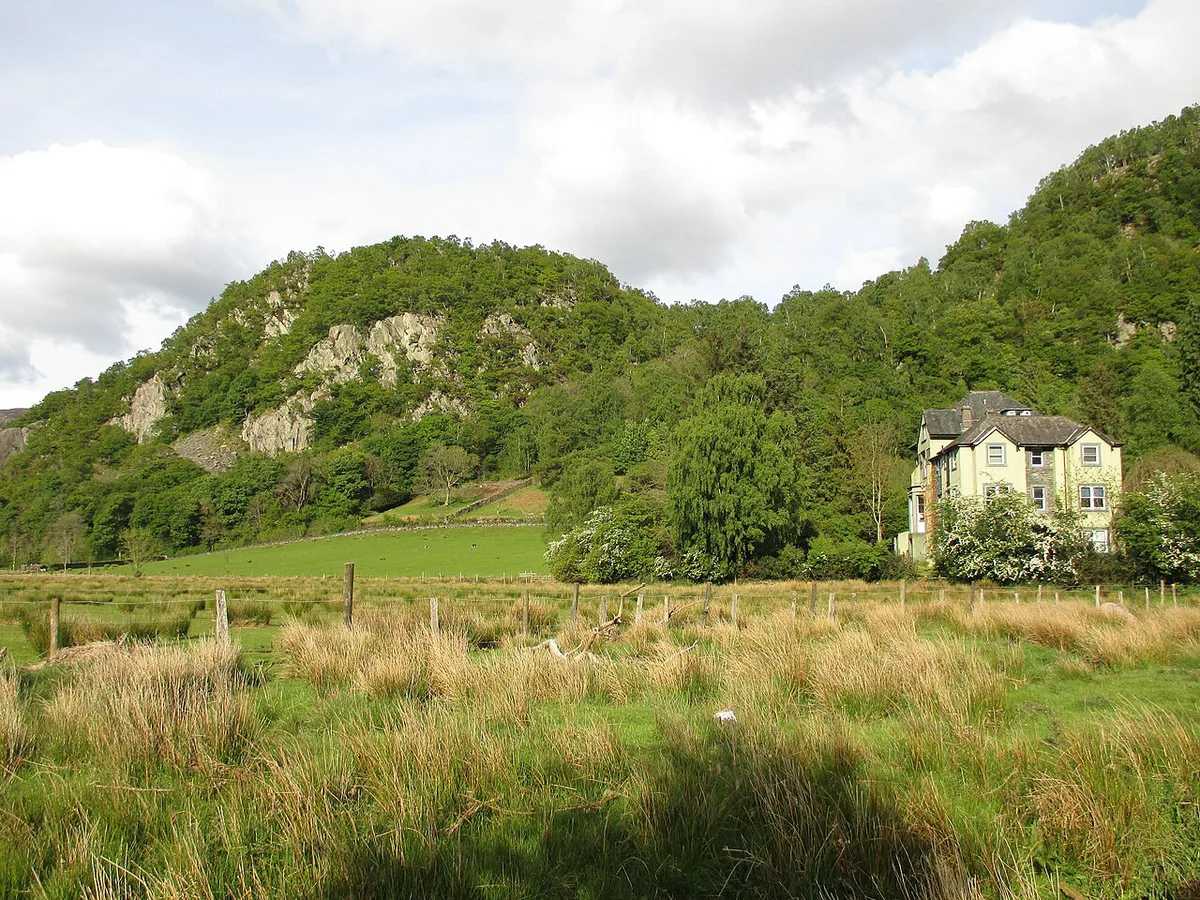
Measure your walk from the place where you will really begin. A parking space or bus stop outside the village can add distance at both ends. Keep travel charges separate from the walk when budgeting. The National Trust's Borrowdale guide is a useful starting point for visitor planning.
When to go and when to change plans
In November, short days leave less room for late starts, slow descents or wrong turns. Look up sunset for your walking date and plan to finish well before dark. Carry a torch even when you expect to be back in daylight.
For High Spy or another fell route, read the Lake District mountain forecast. Pay attention to wind, visibility, rain and temperature at height. A comfortable morning in the village does not tell you what conditions will be like on higher ground.
After heavy rain, reconsider stream crossings and low paths beside water. Never enter floodwater or force a crossing to complete a loop. Ice, snow or poor visibility are strong reasons to postpone a hill walk if your skills and equipment do not match them. A low-level alternative also needs checking for flooding and slippery ground.
Year-round, look for path closures and diversions before leaving. Set a latest turnaround time and keep to it, even if your objective is close.
Access, facilities and what to bring
No route here should be assumed suitable for pushchairs, wheelchairs or anyone with limited mobility. Look for evidence covering the entire path, including gates, stiles, steps, surfaces and the return. Families should judge steep ground, water edges and road sections against the least confident walker. Dog owners also need to plan for livestock, barriers and any posted restrictions.
Do not leave toilets, drinking water or food to chance. Check seasonal opening arrangements with each facility's operator, and carry enough supplies for delays.
- Footwear with grip suited to wet and uneven ground
- Waterproofs and warm layers
- Food, drinking water and a torch
- A suitable map, a compass and the skills to use them
- A charged phone, without assuming it will have signal or reliable app navigation
Final route choice and pre-walk checks
Match your route to the least experienced person and the daylight available. Choose a landmark or lake outing when you want to stay lower. Keep Castle Crag for a group ready to climb, and High Spy for a properly planned hill day. For more alternatives, return to the wider Borrowdale route guide.
Tell someone your route and expected return time. In an emergency on the fells, call 999, ask for police, then ask for mountain rescue. You can learn more about local rescue teams from the Lake District mountain rescue association.
- Route: mapped from your actual start to your finish
- Commitment: approach, climb, descent, breaks and return included
- Conditions: forecast, daylight, water levels and closures reviewed
- Travel: parking or return transport settled
- Fallback: turnaround time and shorter option agreed
Notes for your next walk
Optional updates to our Lake District walking guides.