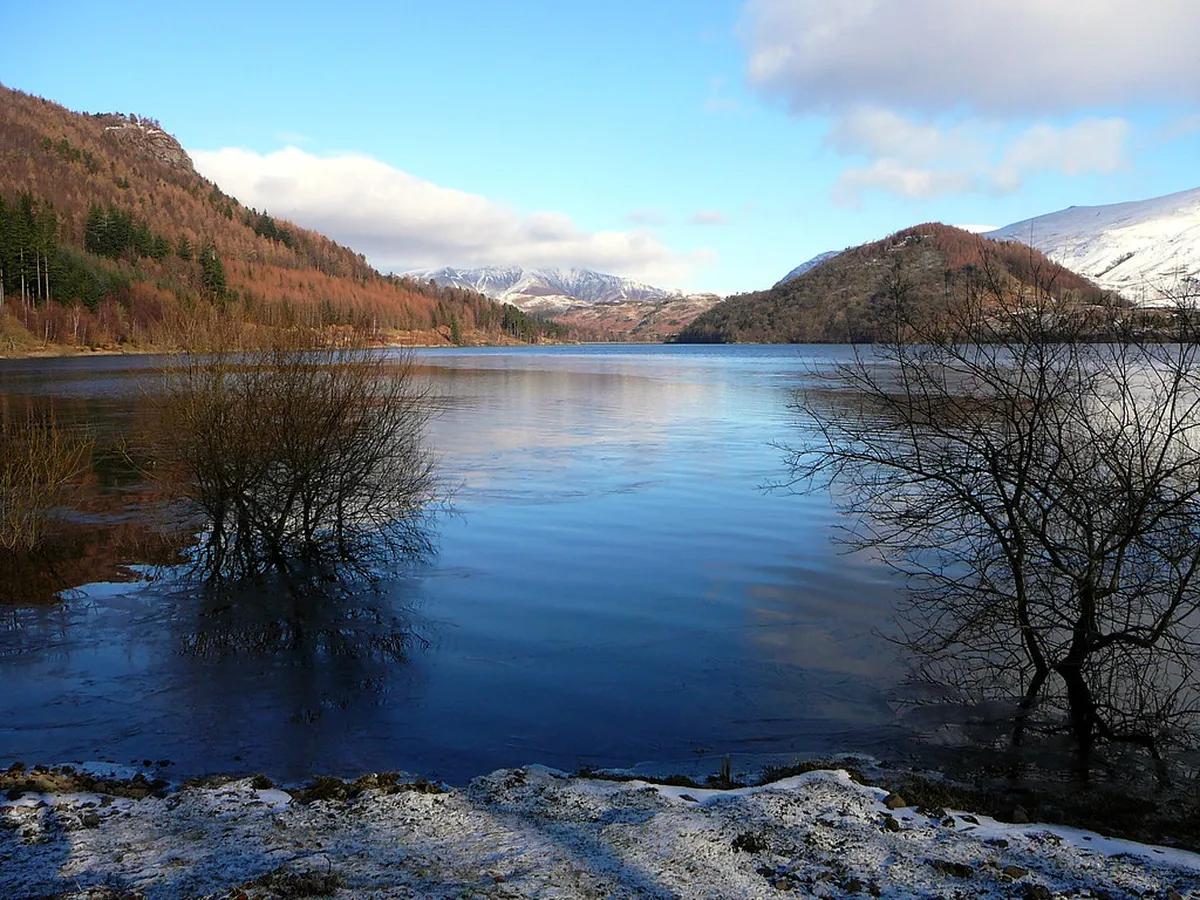
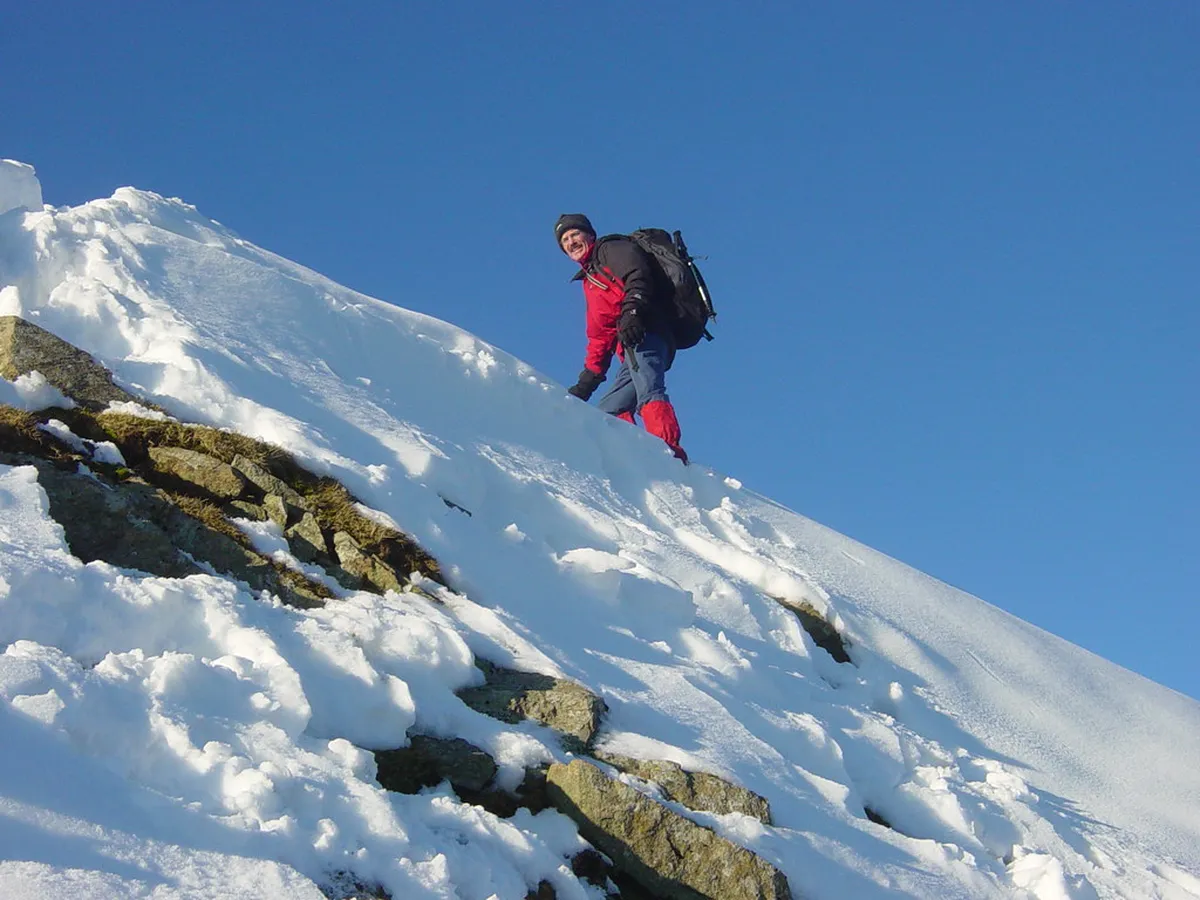
Helvellyn Without Striding Edge: Route Options
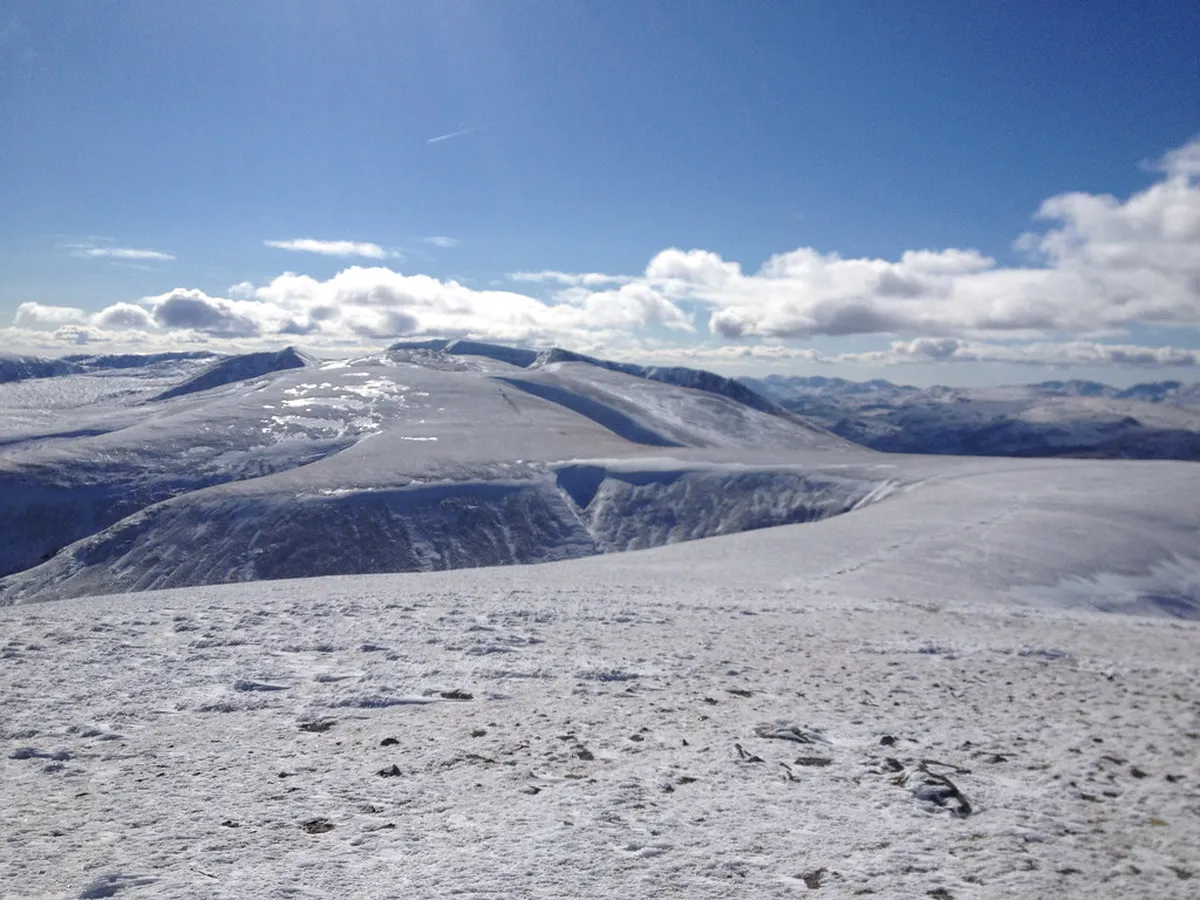
Last updated November 2026: you can climb Helvellyn without Striding Edge and still reach the summit. Start from Swirls or Wythburn above Thirlmere, or go by the Greenside side from Glenridding, and keep Swirral Edge out of both ascent and descent if you want to miss both edges.
Missing the edges doesn't remove steep ground, navigation problems or mountain weather. Choose your way down as carefully as your way up.
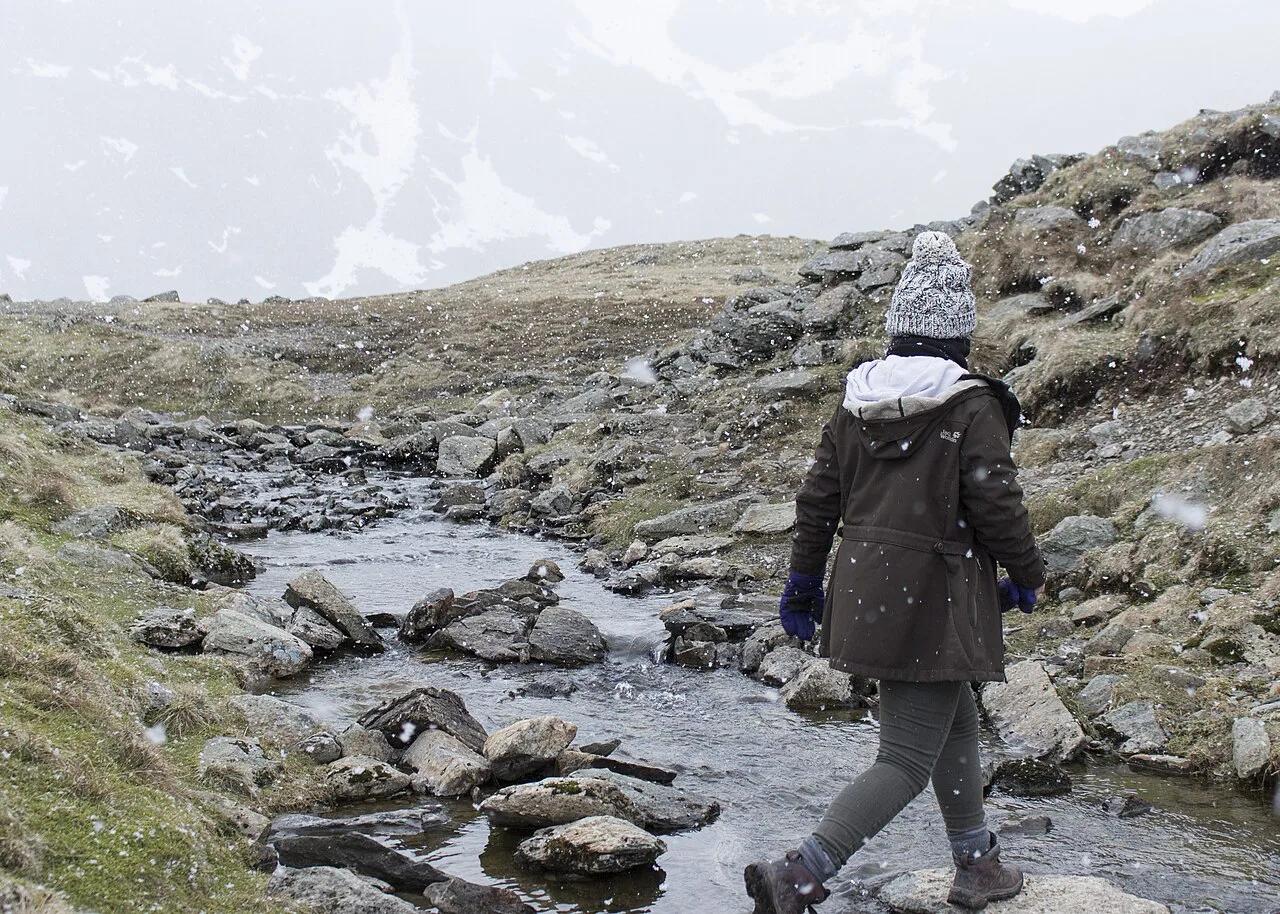
Featured image: simpleimages_mike, CC BY 2.0, via Flickr.
Can You Climb Helvellyn Without Striding Edge?
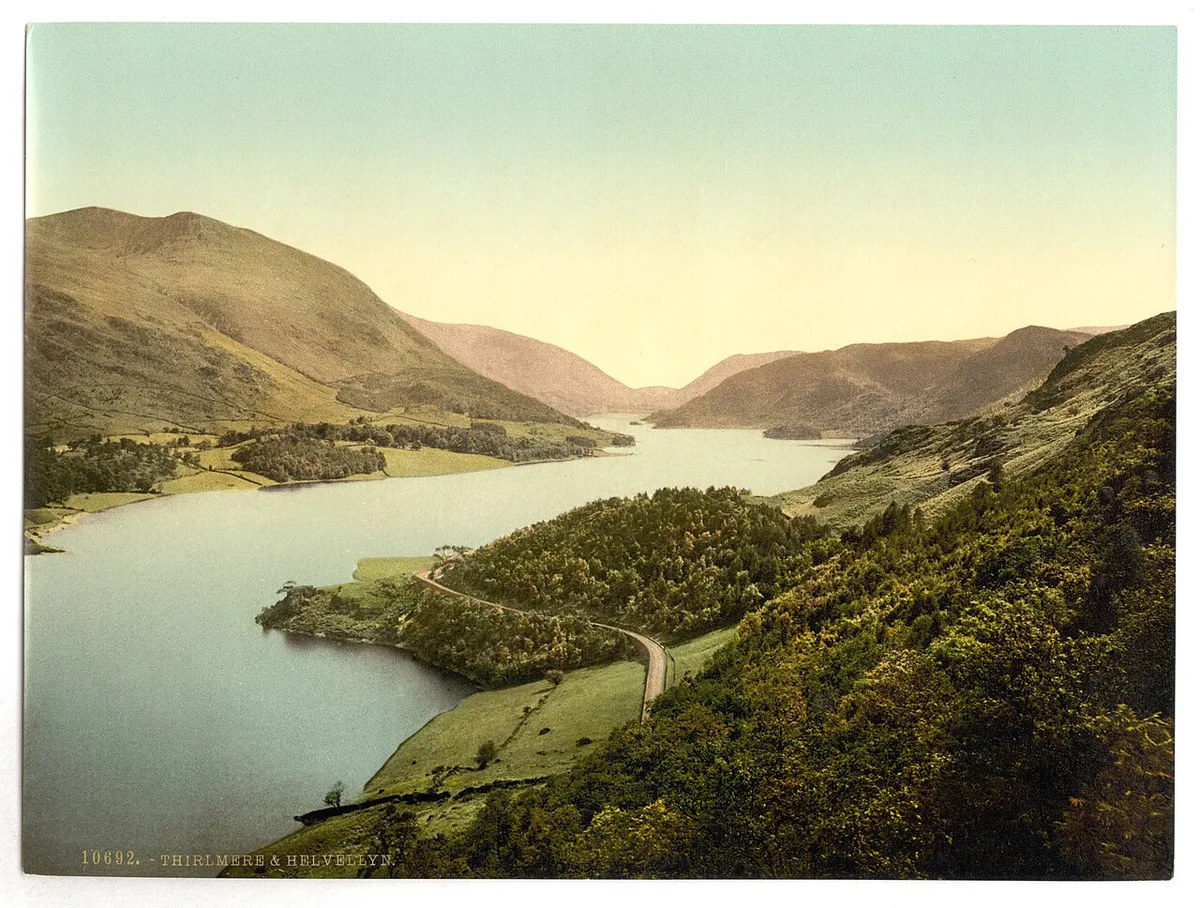
Yes, and your main choice is which side to start from. Swirls and Wythburn give you two Thirlmere starting points. Greenside is the option to examine if you want to set out from Glenridding.
Decide first what you're trying to avoid. Some walkers only want to miss the Striding Edge crest. Others also want no hands-on scrambling, or feel uneasy near any steep drop. Those are different requirements, and a route that meets the first may not meet the others.
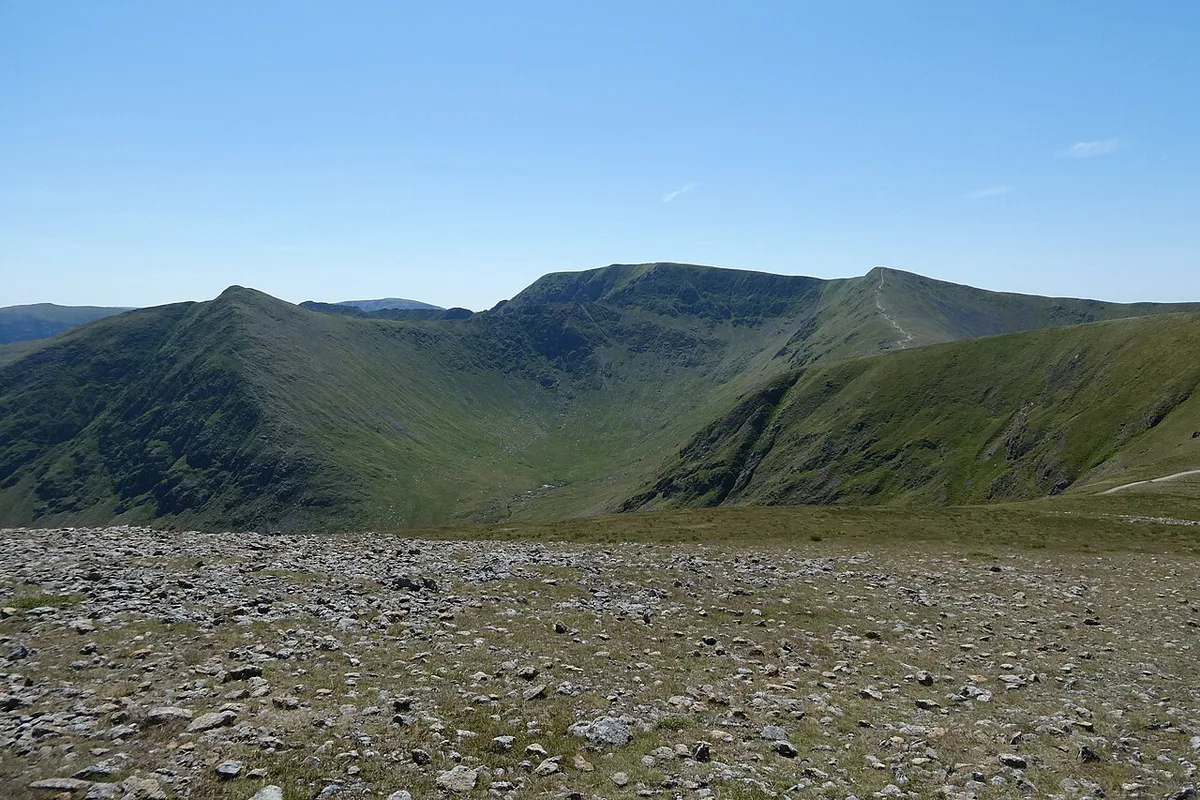
For wider route planning, compare the other Helvellyn walking routes. Trace your whole outing on a detailed hill map before committing. None of these three options should be assumed suitable for a beginner just because it misses an edge.
Helvellyn Without Striding Edge: Routes Compared
This comparison applies only when you use the same side's non-edge line to come down. A loop that returns over either edge changes the answer. When comparing distance, total ascent and walking time, use one mapping tool for every complete route. Figures calculated in different ways can mislead you.
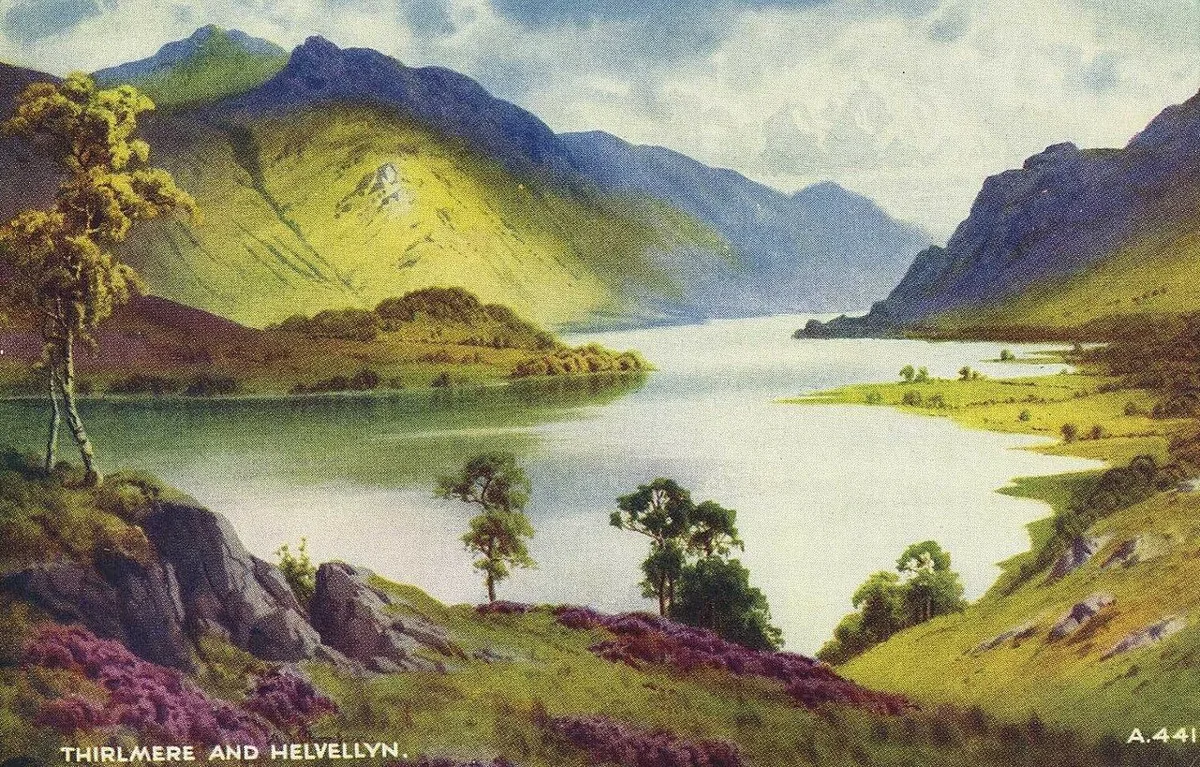
| Option | Striding Edge | Swirral Edge | What to examine | Main compromise |
|---|---|---|---|---|
| From Swirls, above Thirlmere, returning the same side | Not needed | Leave it out both ways | Steepness, junctions, drops near your line and parking | You need to get to the Thirlmere side |
| From Wythburn, above Thirlmere, returning the same side | Not needed | Leave it out both ways | Steepness, junctions, drops near your line and parking | You need to get to the Thirlmere side |
| Greenside side from Glenridding, returning the same side | Not needed | Leave it out both ways | Every junction on the full line, especially high up | A Glenridding start alone does not keep you off either edge |
Thirlmere Routes From Swirls or Wythburn
Consider Thirlmere if your priority is a summit plan that needs neither edge. Swirls and Wythburn are separate starting points, so don't treat their directions as interchangeable. Pick one and learn its line in both directions. Our Thirlmere approach to Helvellyn is the next page to read.
Expect a mountain climb. Avoiding a named ridge tells you nothing certain about gradient, loose or rough footing, or how a nervous companion will cope. Study the contours and read a detailed route description alongside the map. A line on a map cannot show how exposed a section will feel.
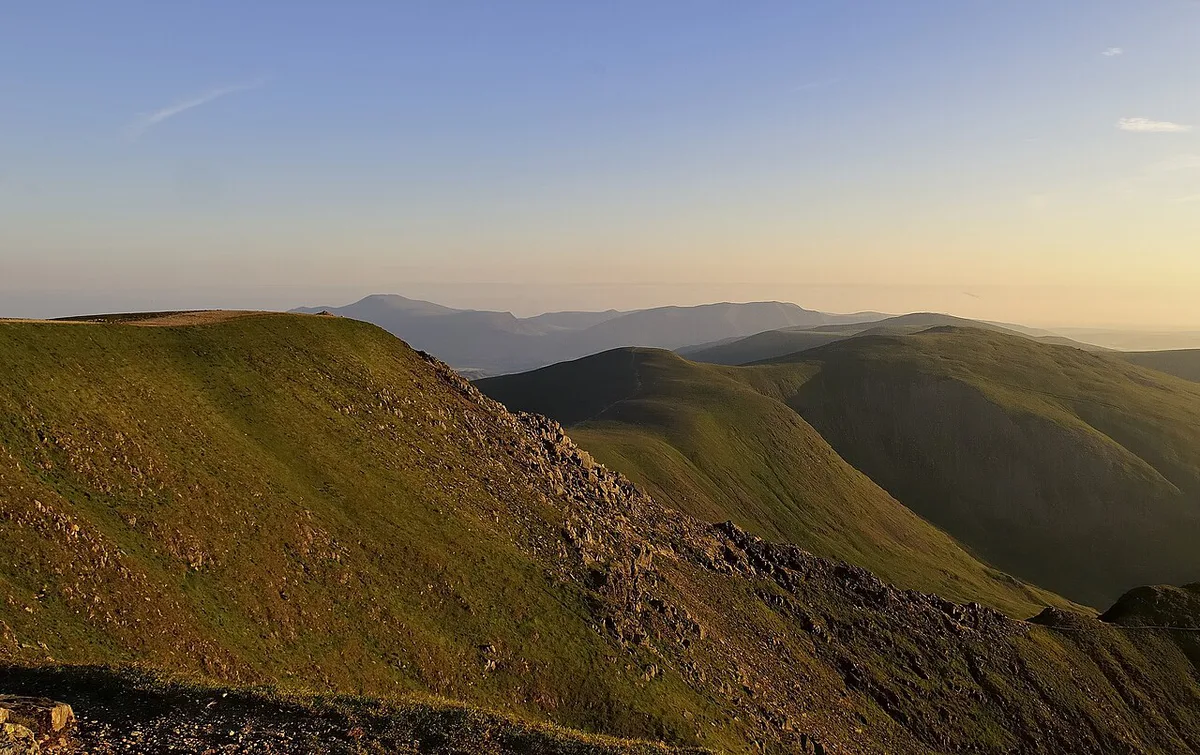
Skip either option if your group cannot manage a steep descent or follow its position in poor visibility. If you decide against the summit, browse walks around Thirlmere and assess each one on its own terrain.
The Greenside Route From Glenridding
Greenside suits the reader who wants a Glenridding base without Striding Edge. Name that side clearly in your plan. Several ideas can sit behind “Helvellyn from Glenridding”, including walks that use the edges. Read our guide to Glenridding approaches with that distinction in mind.
Before leaving, mark your complete Greenside line up and down. Don't improvise a circuit on the summit or follow other walkers onto a different descent. Their destination and experience may differ from yours.
This option is a poor choice if nobody in your group can identify junctions on the map. It also needs a rethink if you intend to rely on a shortcut that you haven't researched. A route that looks more direct on screen is not automatically a usable escape.
Is Swirral Edge a Suitable Alternative?
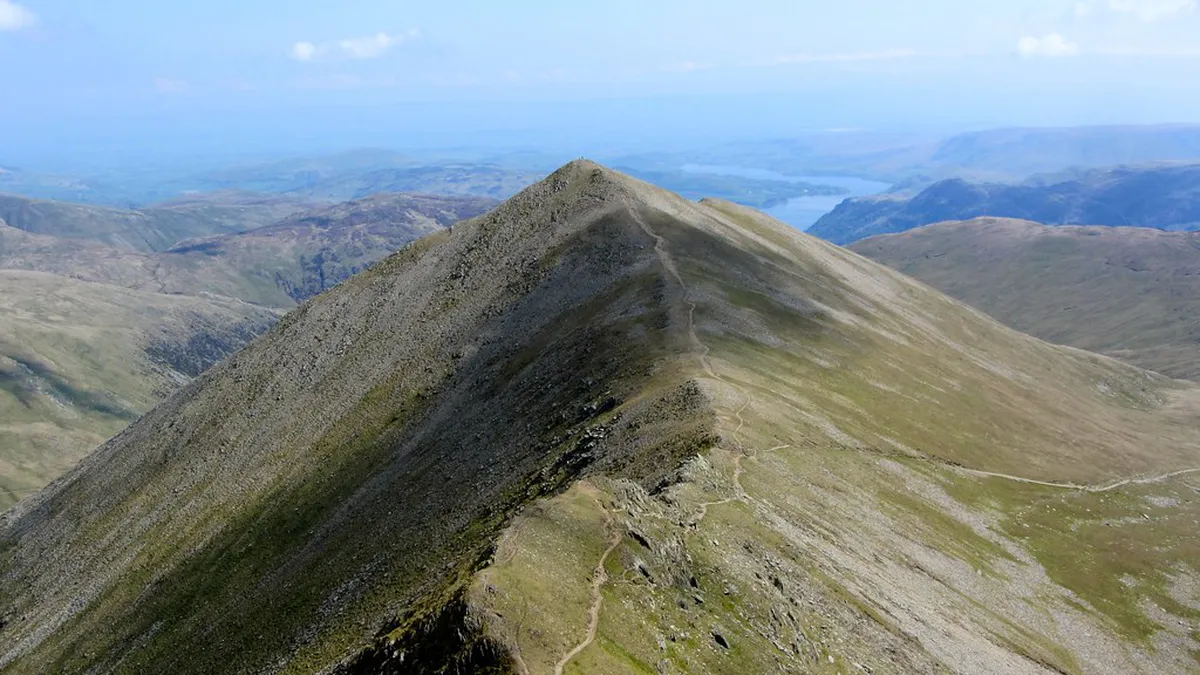
Swirral Edge avoids Striding Edge, but don't make it your default substitute. It is a separate edge with its own steep, rocky ground. Plan for exposure and using your hands. Its shorter reputation is no measure of how comfortable you'll feel on it.
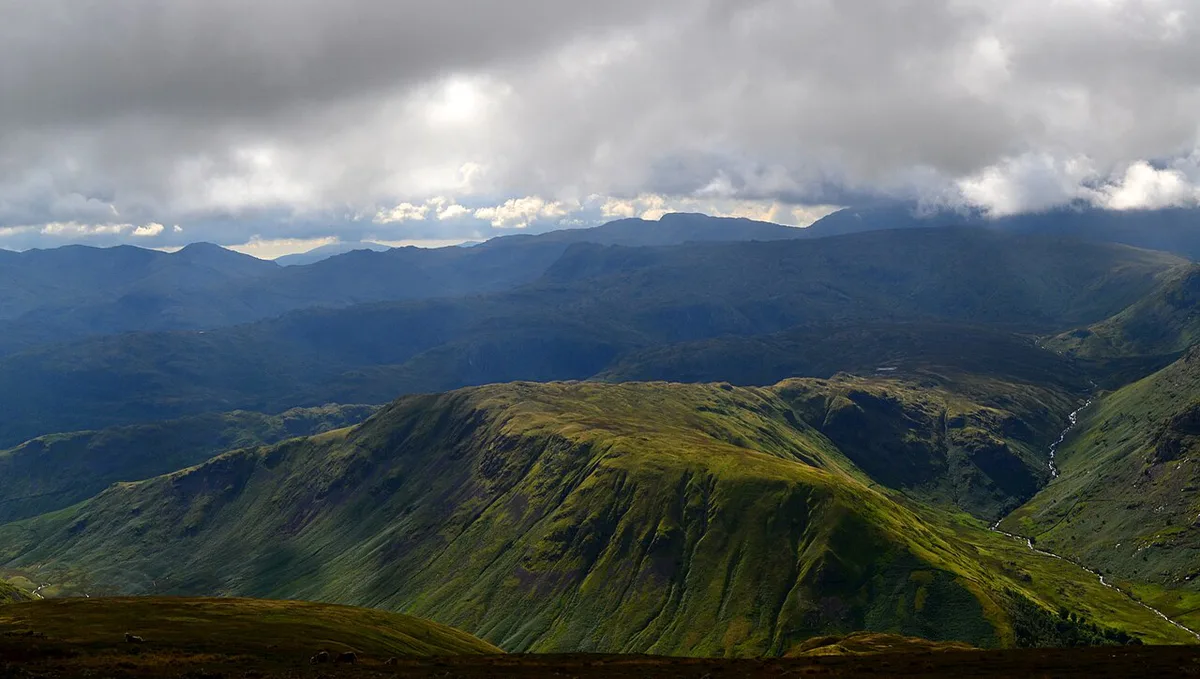
Assess the Swirral Edge terrain separately for climbing and descending. Going down may feel quite different, particularly when you're tired or looking over steep ground. Anyone who wants to avoid scrambling should choose a line without it.
Watch circular route suggestions closely. Walking up from the Thirlmere side does not keep your day edge-free if you then descend by Swirral Edge.
Which Option Fits Your Concerns?
Use your least confident walker to set the limit. Agree that limit before anyone starts climbing, and treat turning round as a normal part of the plan.
- Avoiding Striding Edge only: consider all three starting options, and assess Swirral Edge separately if a proposed loop includes it.
- Avoiding both edges: use Swirls, Wythburn or the Greenside side, with a return that also leaves both edges out.
- Avoiding any hands-on scrambling: leave out both edges, then research every other section of your chosen line.
- Discomfort with drops: don't equate walking with an absence of exposure. If you cannot establish what the full route is like, choose a different outing.
- Limited navigation experience: consider going with a qualified mountain leader, or postpone the summit.
- Wanting a Glenridding base: examine the Greenside side rather than assuming any local path meets your requirement.
- Looking for the easiest option: compare terrain, total ascent and navigation separately. A shorter line is not necessarily easier.
How to Avoid a Wrong Turn Onto an Edge
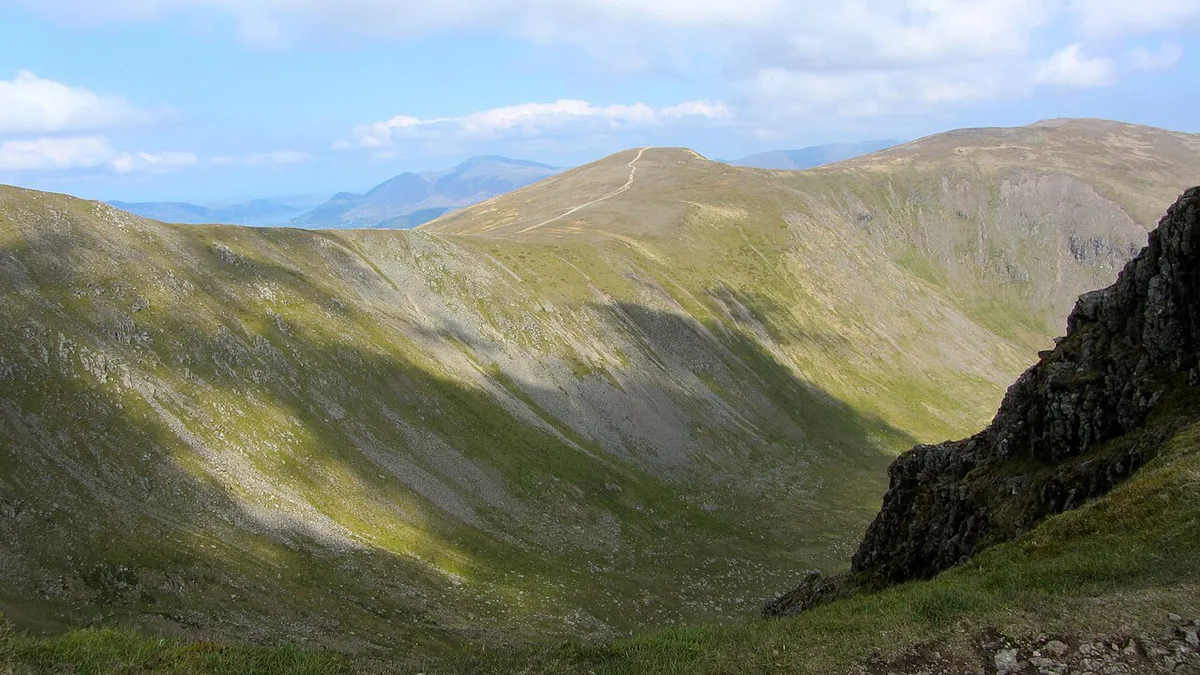
Pay particular attention around the summit, where choosing the wrong way down can change your whole day. Before the climb, identify the exact path by which you'll leave the top. Save that line for offline use and carry a paper map and compass that you know how to use.
Once a wrong turn has left you unable to re-establish position, call 999 and ask for police, then mountain rescue.
Stop whenever the ground or direction stops matching your plan. Don't continue downhill in the hope that paths will reconnect. Re-establish your position first. If you can do so confidently, retrace your steps to the last point you recognised.
- At the start: agree the complete outward and return route, not just the summit target.
- During the climb: note recognisable junctions that will help on the return.
- Before leaving the summit: match your intended exit to the map and compass instead of following another group.
- On the descent: reject unplanned shortcuts and detours towards either edge.
- Turn back: do so before visibility, wind, ground conditions, daylight, tiredness or group confidence makes continuing doubtful.
Parking, Transport and Time Planning
Match your parking to the route you've chosen, because Swirls, Wythburn and Glenridding are different starting choices. Use Helvellyn parking options for initial planning. Before travelling, read the car park operator's current charges, hours and restrictions.
Without a car, work out your return journey before choosing the walk. For a Glenridding trip involving a boat, consult the live Ullswater Steamers timetables. Check road transport with its operator too, including seasonal changes. Don't assume you can finish on another side of the mountain and get straight back.
No single walking time covers these options. Use Helvellyn time-planning advice, then allow for your actual ascent, descent, group pace and breaks. Leave a daylight margin, especially in late November. Set a latest turn-round time that still protects your descent, even if the summit remains ahead.
Weather and Winter Conditions
A summer route description does not establish that the same line is suitable in snow or ice. Avoiding Striding Edge in winter still leaves slips, steep slopes, poor visibility and difficult navigation to consider. Snow can hide paths, while cornices may overhang steep ground. Don't approach a snowy rim to look over it.
Read the Lake District mountain forecast before setting off. Look at wind, visibility, precipitation and freezing conditions rather than relying on a valley forecast. Seek current local ground-condition reports as well. Our winter Helvellyn planning guide covers the seasonal decision in more detail.
Winter conditions can call for an ice axe, crampons and the training to use them. Carrying equipment alone does not supply that skill. Also pack warm layers, waterproofs, a head torch and spare power for navigation. Postpone the summit if your skills don't match the conditions.
In an emergency, call 999, ask for police and then mountain rescue. The Lake District mountain rescue association is a useful place to read about local rescue teams. Rescue availability should never be your reason to continue when the route feels beyond you.
Notes for your next walk
Optional updates to our Lake District walking guides.