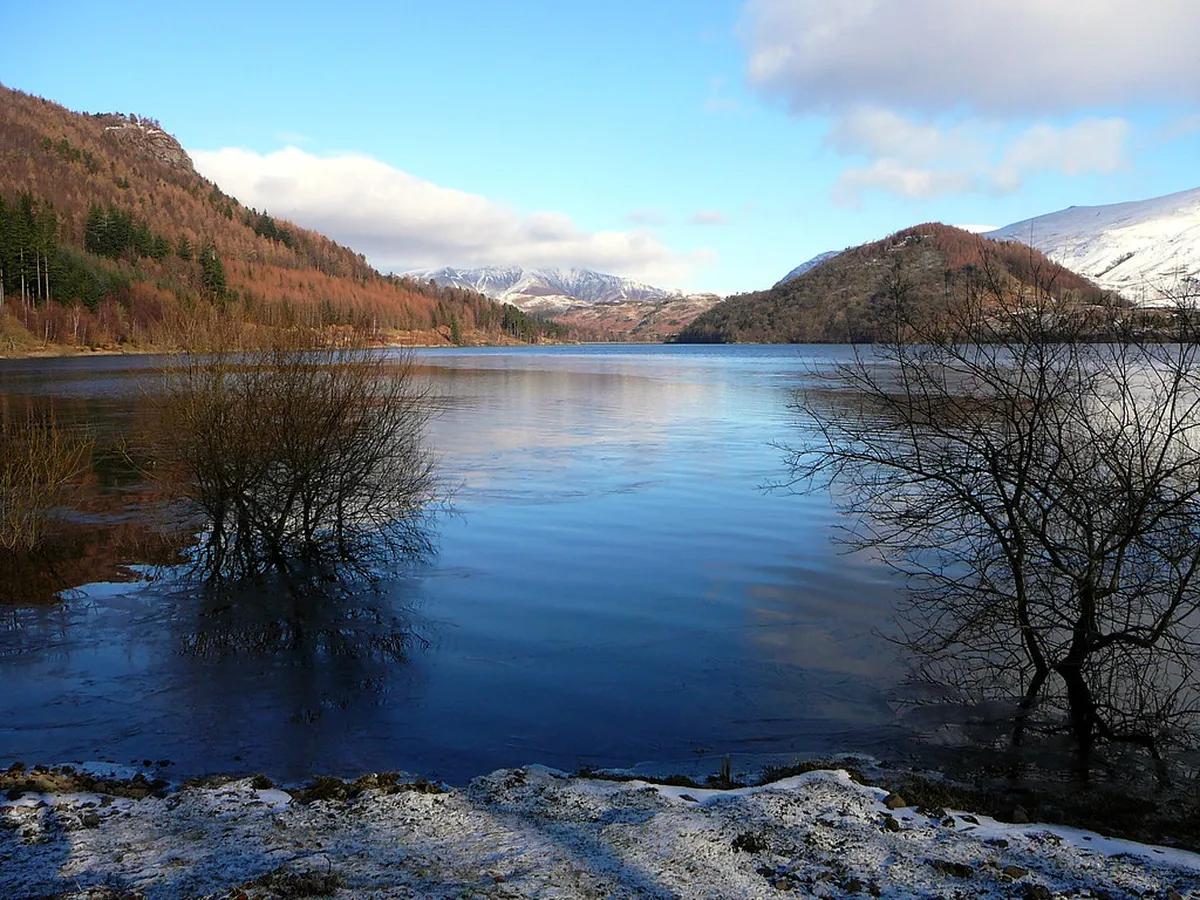
Helvellyn in Winter: Routes, Kit and Safety Checks
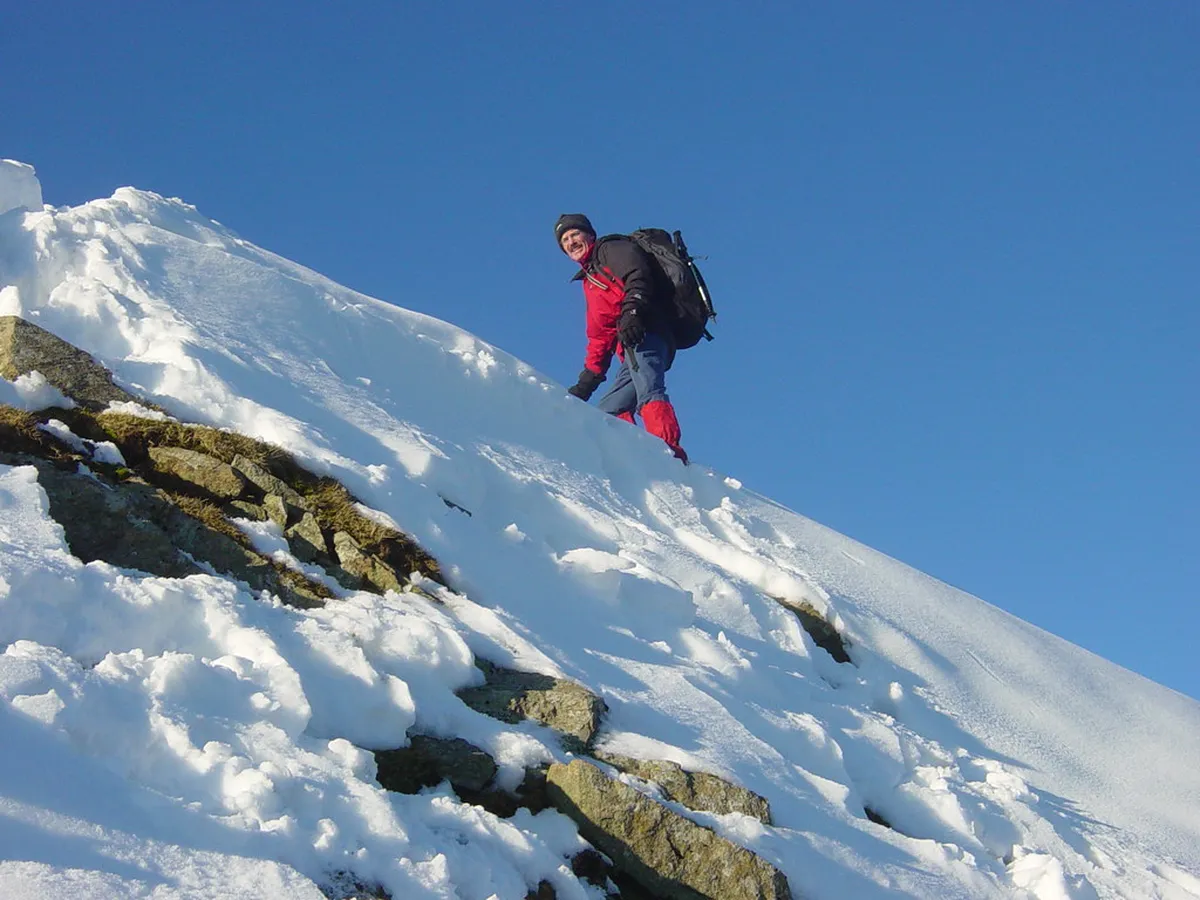
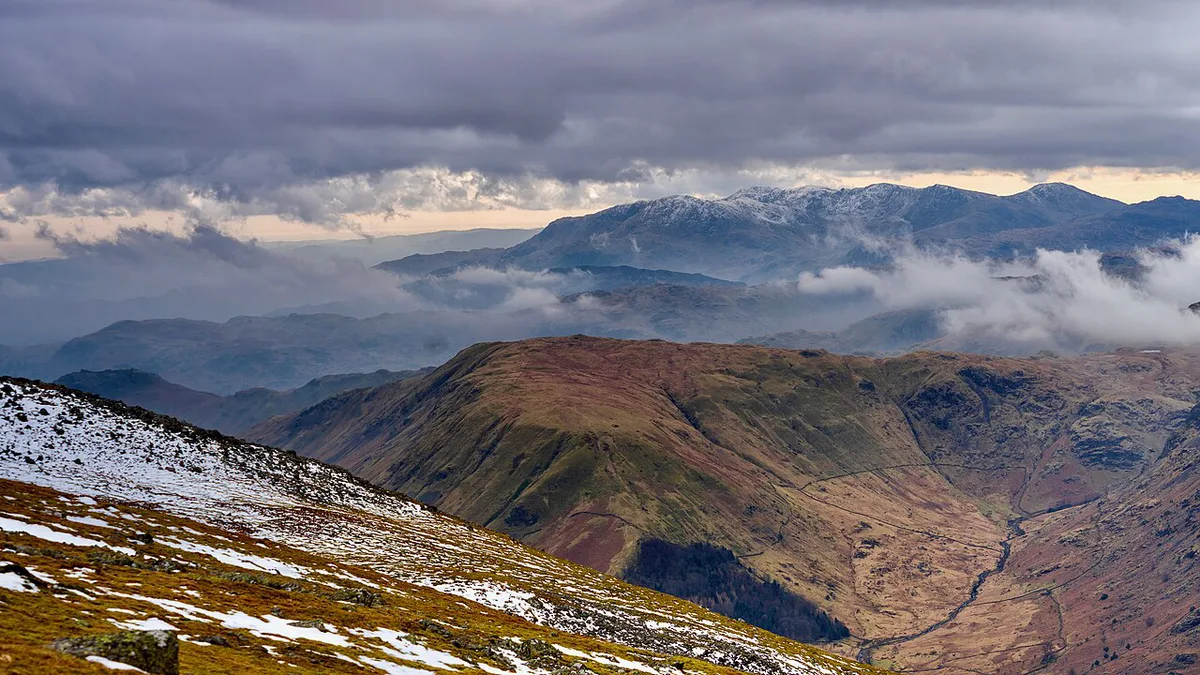
Last updated November 2026: Helvellyn in winter can become a mountaineering undertaking, because snow and ice can transform a summer walk. Any Helvellyn winter plan that may meet Helvellyn snow or ice calls for an ice axe, crampons and the skill to use both. Suitability depends on conditions that day and your party's competence, and avoiding Striding Edge does not by itself make the outing safe.
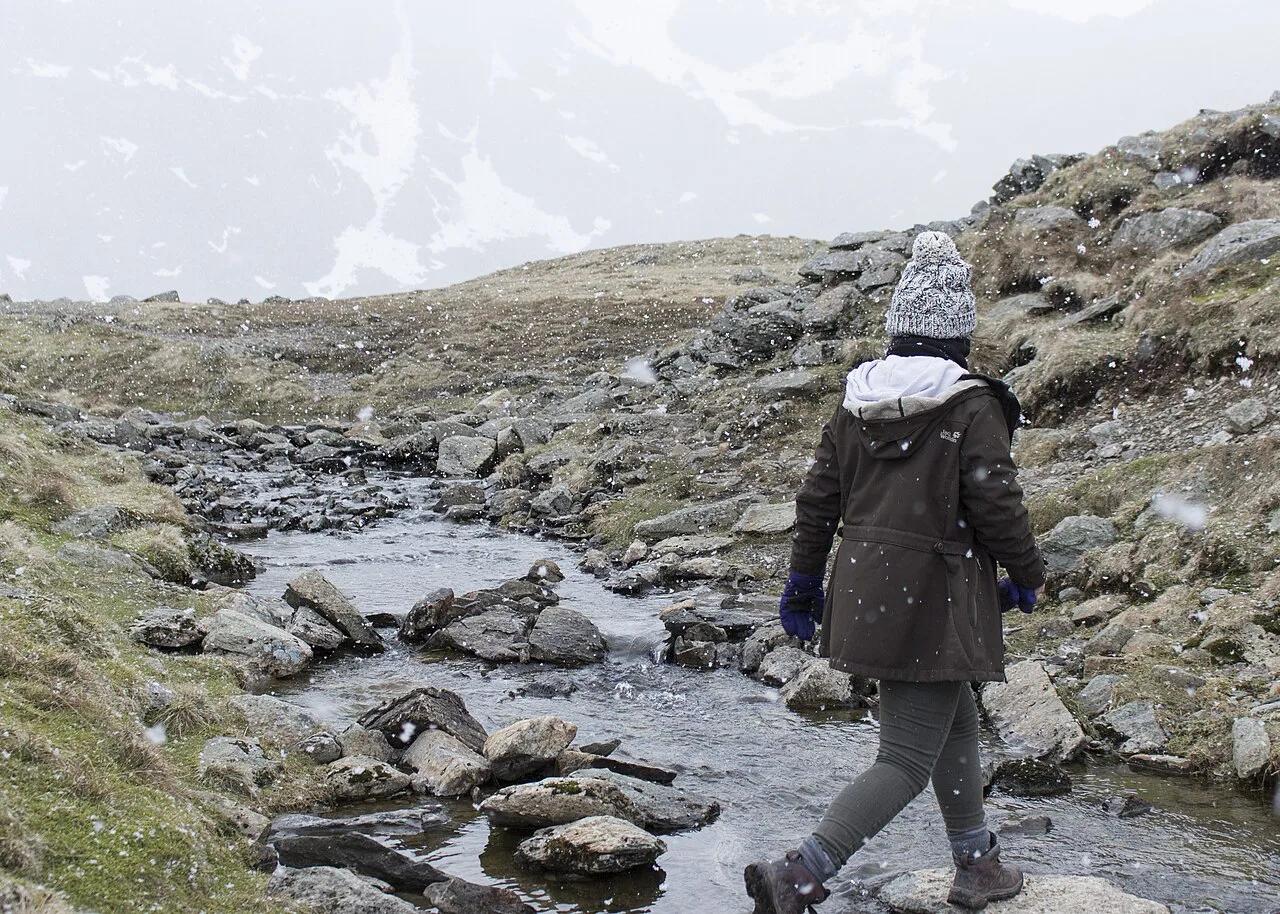
Featured image: mattcyp88, CC BY 2.0, via Flickr.
Can You Climb Helvellyn in Winter?
Yes, if your group has the right skills and the conditions suit them. Summer hillwalking experience helps, but it does not teach you to move on hard snow or navigate when visibility collapses. Beginners should not head onto wintry high ground unsupervised. Choose a qualified winter guide, a winter skills course or a lower-level walk instead. For wider route planning, start with our guide to Helvellyn walks.
| Season comparison | Summer outing | Winter outing |
|---|---|---|
| Ground | Often a walk, with scrambling on the edge routes | Snow and ice can make it a mountaineering undertaking |
| Skills | Hillwalking, plus scrambling ability for the edges | Add ice axe, crampon and winter navigation skills where snow or ice is possible |
| Daylight | Longer margin | Shorter margin, so set an earlier turnaround |
| Fee to walk on the fell | £0 | £0; parking, transport, kit and tuition are separate costs |
Are You Ready? Winter Skills and Kit
Winter walking and winter scrambling are different commitments. A snowy edge adds exposed mountaineering terrain to the demands of cold, navigation and slippery ground. Carrying equipment is not the same as being able to use it. Practise with an instructor before you depend on these skills. Microspikes are not a substitute for crampons on winter mountain terrain. If anyone lacks a core skill, change the plan for the whole group.
- Ice axe: know how to carry and use it, with practised self-arrest.
- Crampons: fit them to compatible boots, and practise walking in them before the trip.
- Navigation: be able to use a map and compass in poor visibility, with electronic mapping as an extra aid.
- Clothing: pack warm layers, waterproofs, a hat and spare gloves.
- Backup: carry a head torch, food, emergency shelter and a charged phone.
- Judgement: know when to stop, retreat or abandon the summit.
Check Conditions Before You Go
Read the Lake District mountain forecast the day before and again that morning. Compare it with the Met Office mountain forecast. Look for dated ground reports from Lake District Weatherline, including any fell top assessor updates, and check that the service is running. A calm or clear valley does not show what is happening higher up. As a hypothetical example, 3°C (37°F) at your car would not prove that the summit was above freezing. Nor is 0°C (32°F), water's freezing point, a go or no-go line. Old snow and ice can matter alongside the day's temperature. Find out what avalanche information covers this area, and never borrow another region's forecast. A striking summit photo says nothing reliable about today's footing. Use this box before leaving and throughout the walk, remembering that no checklist guarantees safety.
Even a summit forecast of -2°C (28°F) will not show how firm the snow is, so pair it with dated Weatherline ground reports.
- Go: only if forecast, ground reports, daylight, equipment and every person's skills support the chosen ascent and descent.
- Change plan: if wind, visibility, snow, ice, transport or group confidence undermines that route, choose a suitable lower objective.
- Turn back: if conditions worsen, navigation becomes uncertain, someone struggles, equipment fails or your turnaround time arrives.
- Postpone: if you cannot get enough reliable information to judge the day.
Which Helvellyn in Winter Route: Edges or Alternatives?
Edge routes bring scrambling and exposure. Non-edge approaches can still involve snow slopes, ice, cornices and difficult plateau navigation. Judge the ascent and descent separately. Neither side of the mountain is automatically quicker or safer in winter.
| Route | Terrain and exposure | Winter and navigation concerns | Retreat and access | Who should skip it |
|---|---|---|---|---|
| Striding Edge | Exposed scrambling ridge | Snow, ice and wind; route choice can be harder in poor visibility | Plan where you would reverse; usually linked with Glenridding-side access and parking | Anyone without winter scrambling competence |
| Swirral Edge | Steep, exposed scrambling ground | Snow, ice and finding the correct line from the summit area | Do not assume an easy escape; match the finish to your transport | Anyone unable to assess and descend it in current conditions |
| Non-edge from Glenridding | Technical ground depends on the exact line | Snow slopes, ice, weather exposure and navigation | Plan reversal, parking and return transport for that line | Parties unable to manage those hazards |
| From Thirlmere | Hill approach; difficulty depends on the exact line | Snow slopes, ice and summit plateau navigation | Plan reversal and return to your start; check road and parking access | Parties without the winter skills for that line |
Striding Edge and Swirral Edge in Winter
Read our Striding Edge route guide for context, then make a separate winter assessment. Reaching the summit does not finish the technical decision. Our Swirral Edge guide can help you understand that side of the mountain. Never treat Swirral Edge as a guaranteed easy way down. Red Tarn below Helvellyn and neighbouring Catstycam help with orientation, but neither is a winter-safe substitute.
Non-Edge Routes From Glenridding or Thirlmere
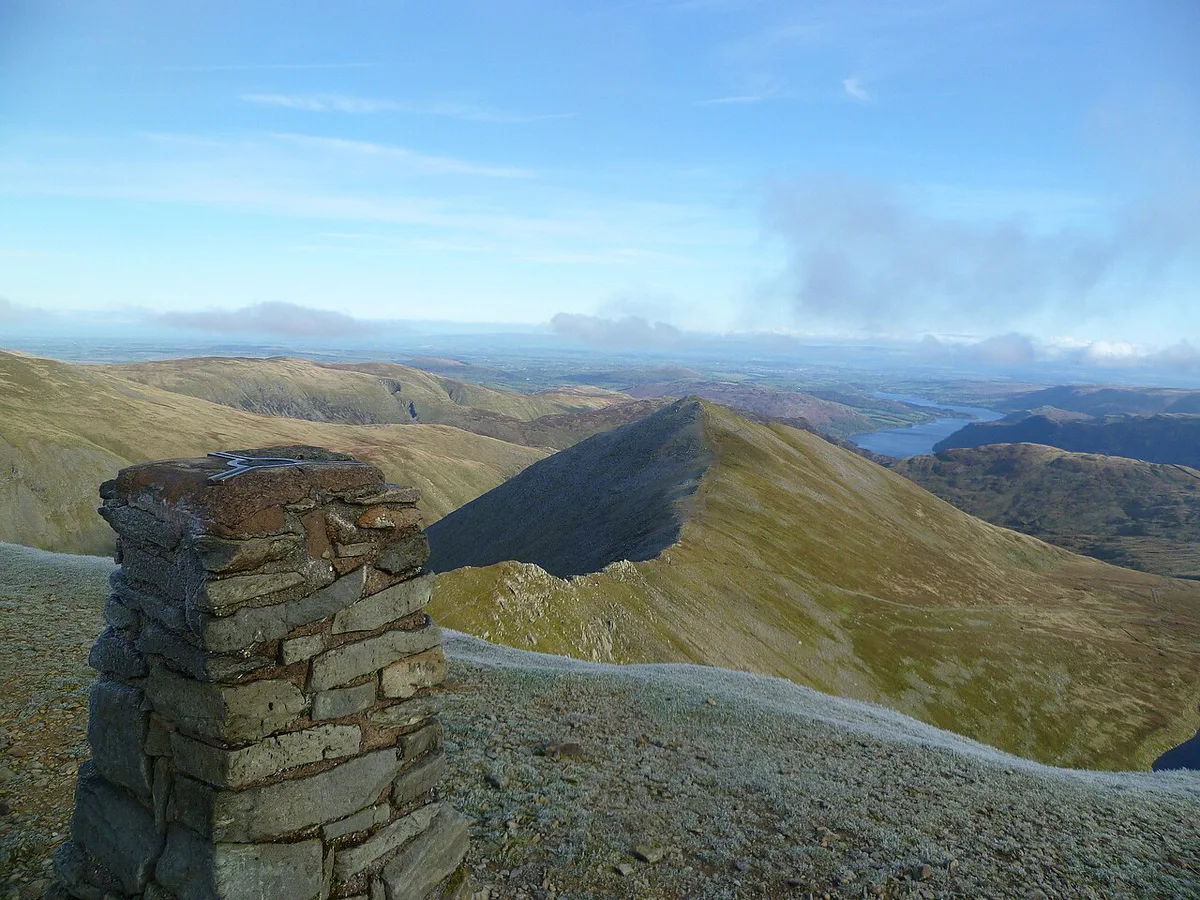
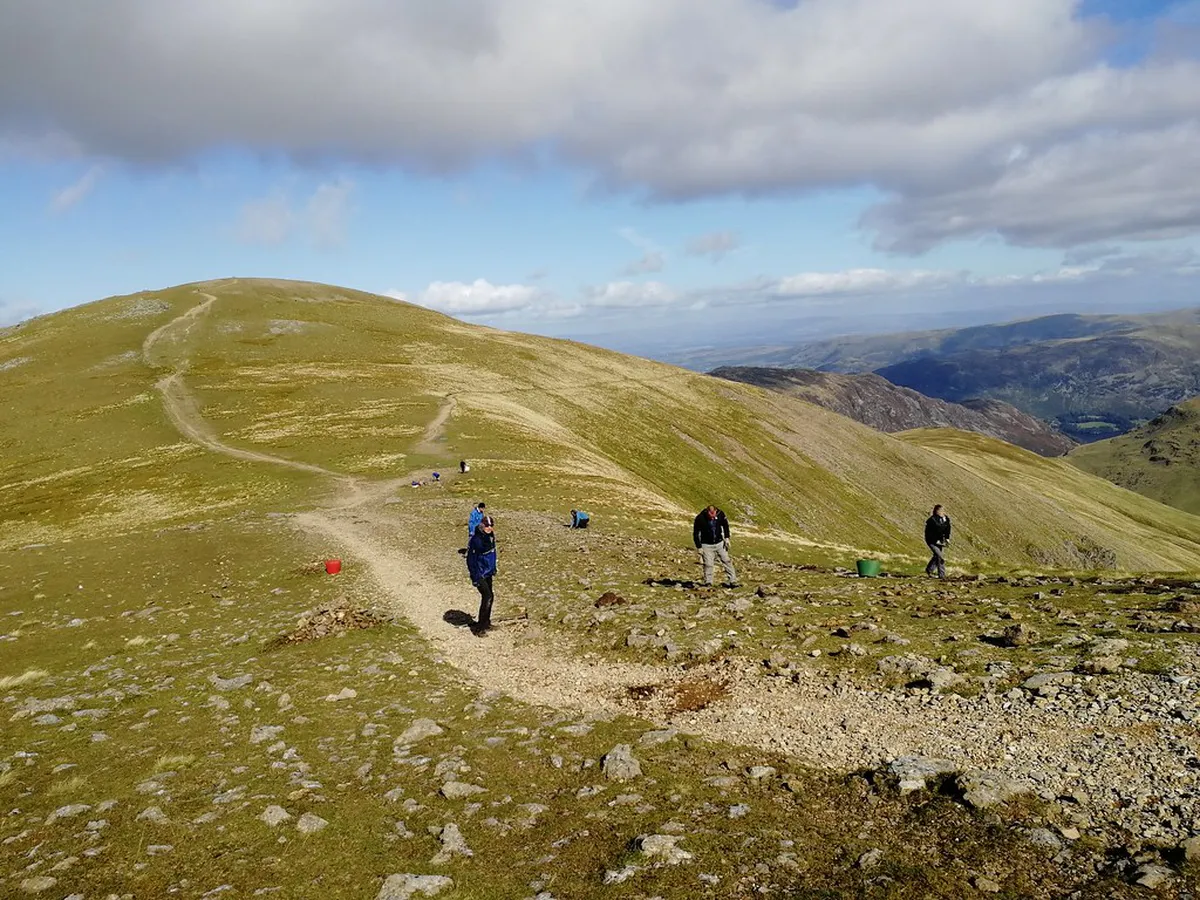
Our guide to routes avoiding Striding Edge is a starting point for comparing lines. Removing that ridge does not remove winter hazards. Compare the approach from Glenridding by its descent, retreat choices and journey home. Apply the same tests to the Thirlmere side ascent. A shorter line on the map may still take longer or demand more skill under snow. Take detailed navigation from current mapping and qualified instruction.
The Summit Plateau and Winter Descent
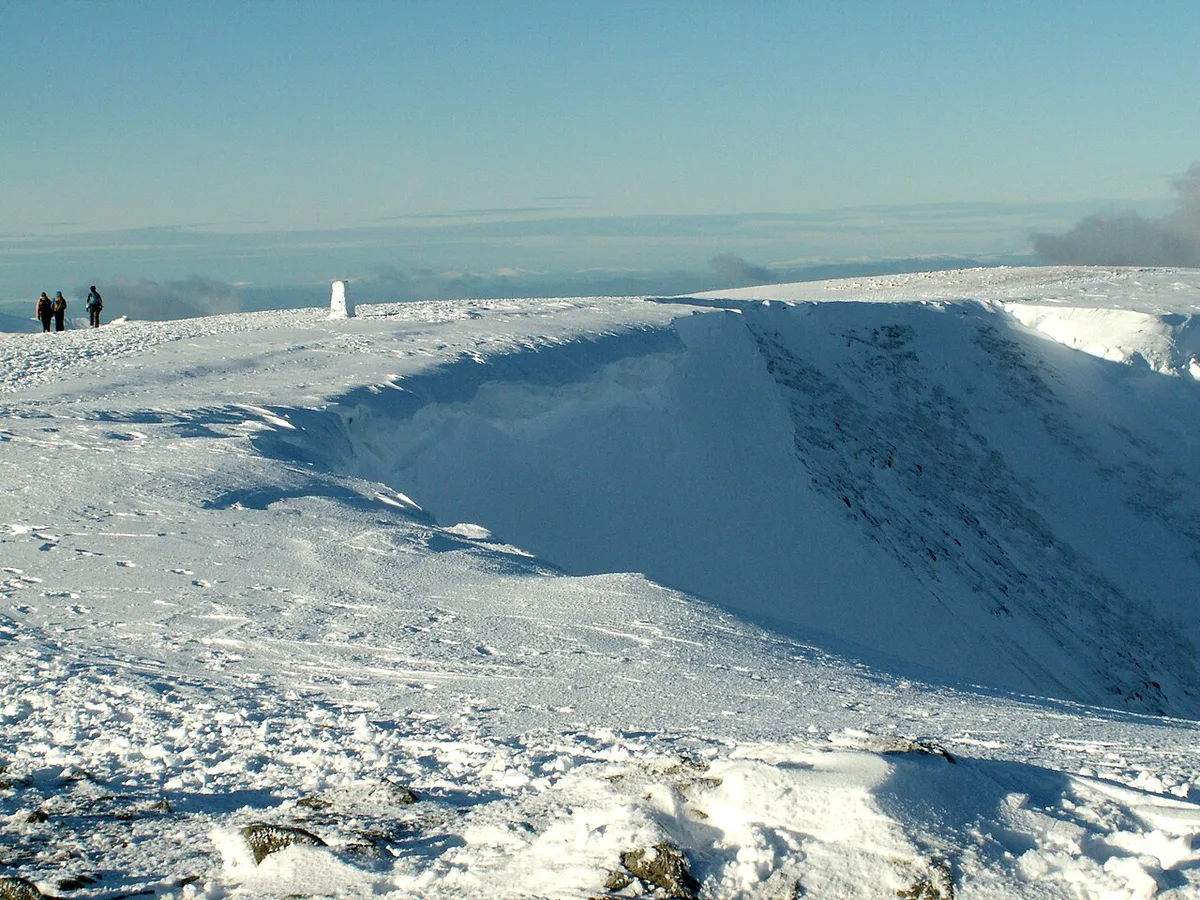
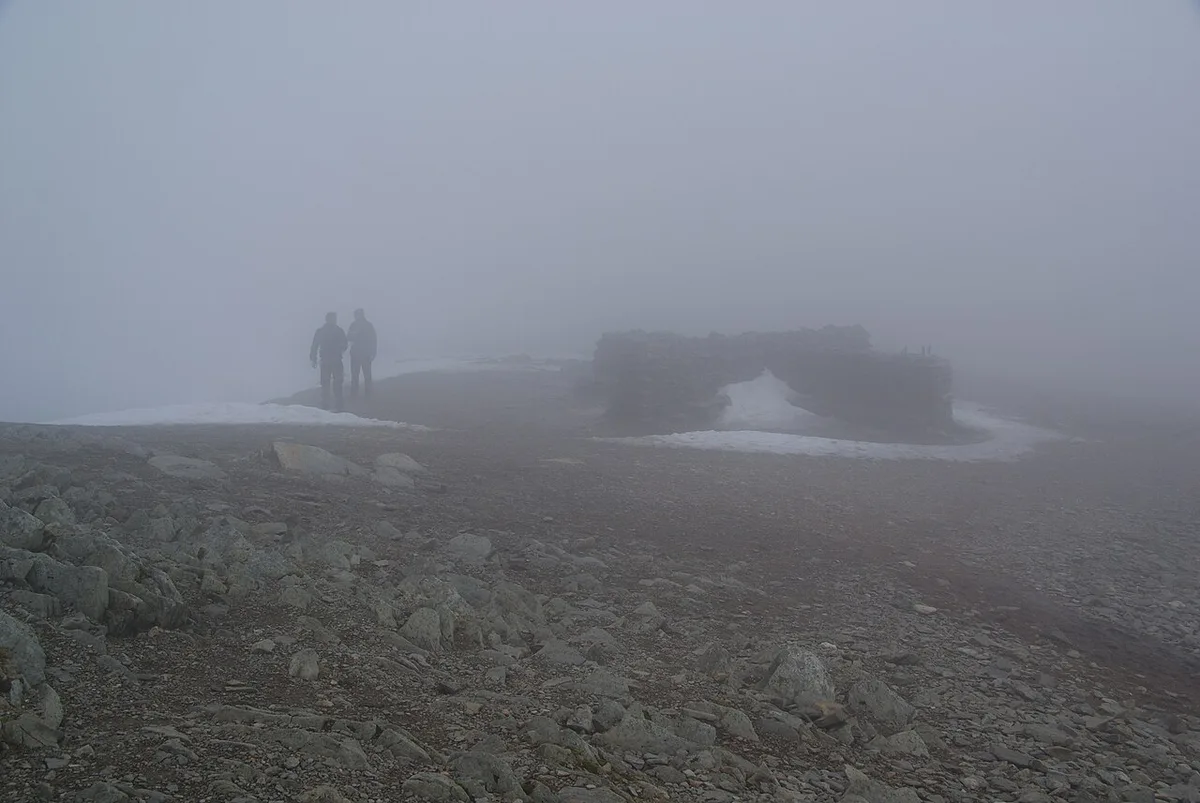
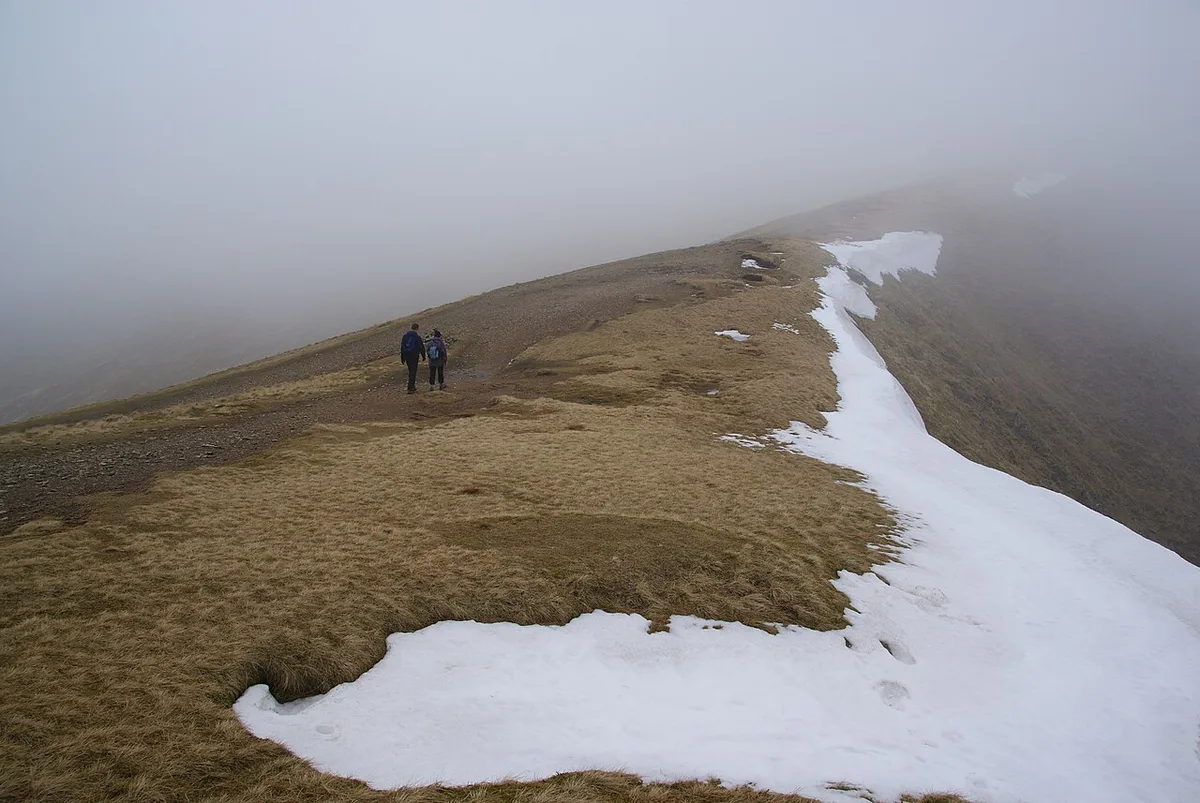
Cornices are overhanging lips of wind-formed snow along edges. They can hide where solid ground ends, so stay well back from corniced or uncertain edges. In cloud or blowing snow, the plateau edge and the correct descent can be hard to identify. Following footprints is risky because their makers may have taken another route or made a mistake. Before committing to the top, agree how you will find your descent without relying on a phone alone. Decide what would make you retrace your steps. Reversing an ascent can also be difficult, especially on steep or icy ground, so judge that possibility before climbing it.
Timing and Turnaround Decisions
Check sunrise and sunset for your exact date. Allow for slower movement, equipment changes, navigation checks and group stops. Our guide to Helvellyn climbing times can inform planning, but winter needs its own allowance. Agree a latest turnaround time before setting off, with daylight left for the descent. Turn earlier if progress slows, the weather deteriorates or someone becomes cold, tired or unsure. Fit crampons before you reach ground where stopping to do so would be awkward. Keep the turnaround fixed even when the summit appears close.
Parking, Public Transport and Winter Costs
Walking onto the fell costs £0 in January and £0 in July, so access itself has no seasonal price swing. Parking, travel, equipment and instruction can still add to your budget. Self-guiding means buying or hiring kit and making every mountain decision yourself. A guided day adds a fee for professional leadership, while a course focuses on building your own skills. Compare current inclusions and verify each provider's winter qualifications. Use our Helvellyn parking guide to plan your arrival, then check the operator's current charges, restrictions and payment options. Winter road disruption can delay your start. Check bus times through Traveline, including your last return and any weekend or holiday changes. If a boat forms part of your Glenridding journey, consult the Ullswater 'Steamers' timetables. Any delay should bring a fresh route decision, not a faster pace on difficult ground.
When to Postpone, and What to Do Instead
Postpone if your plan depends on improving weather, borrowed confidence or untested kit. Other warning signs include no workable descent, too little daylight and reliance on other walkers for navigation. A low-level day is a successful change of plan. Browse walks around Thirlmere, then check that your chosen option suits the day's weather, ground and access. In a mountain emergency in the UK, call 999 or 112, ask for the police, then request Mountain Rescue. Register for the emergency SMS service before your trip by texting “register” to 999 and following the reply. Without signal, a companion may need to seek it from a safe place; do not send anyone across hazardous ground alone. For local rescue information, visit the Lake District mountain rescue association. Tell a trusted contact your route and expected return, including what they should do if you are overdue. A summit camp adds overnight exposure and separate access considerations, so do not treat a winter camping video as route or permission advice.
Frequently Asked Questions
What grade is Striding Edge in winter?
Check a current, reputable winter mountaineering guidebook for its grade. Any grade cannot tell you that today's snow, wind, visibility or group skills are suitable. As a hypothetical example, a summit forecast of -2°C (28°F) would not reveal how firm or stable the snow was.
Where to stay if climbing Helvellyn?
Choose a base to suit your route, with Glenridding for the eastern side or accommodation with practical access to Thirlmere for the western side. Check winter availability, road conditions and your journey to the start before booking.
Notes for your next walk
Optional updates to our Lake District walking guides.