Wild Swimming Lake District: How to Choose Your Swim
Last updated November 2026: for wild swimming Lake District visitors can find some waters where a swim is possible, but access, rules and safety must be checked for each one. Start with our guide to Lake District tarns for walk-in ideas, without treating any water as automatically open or safe for swimming.
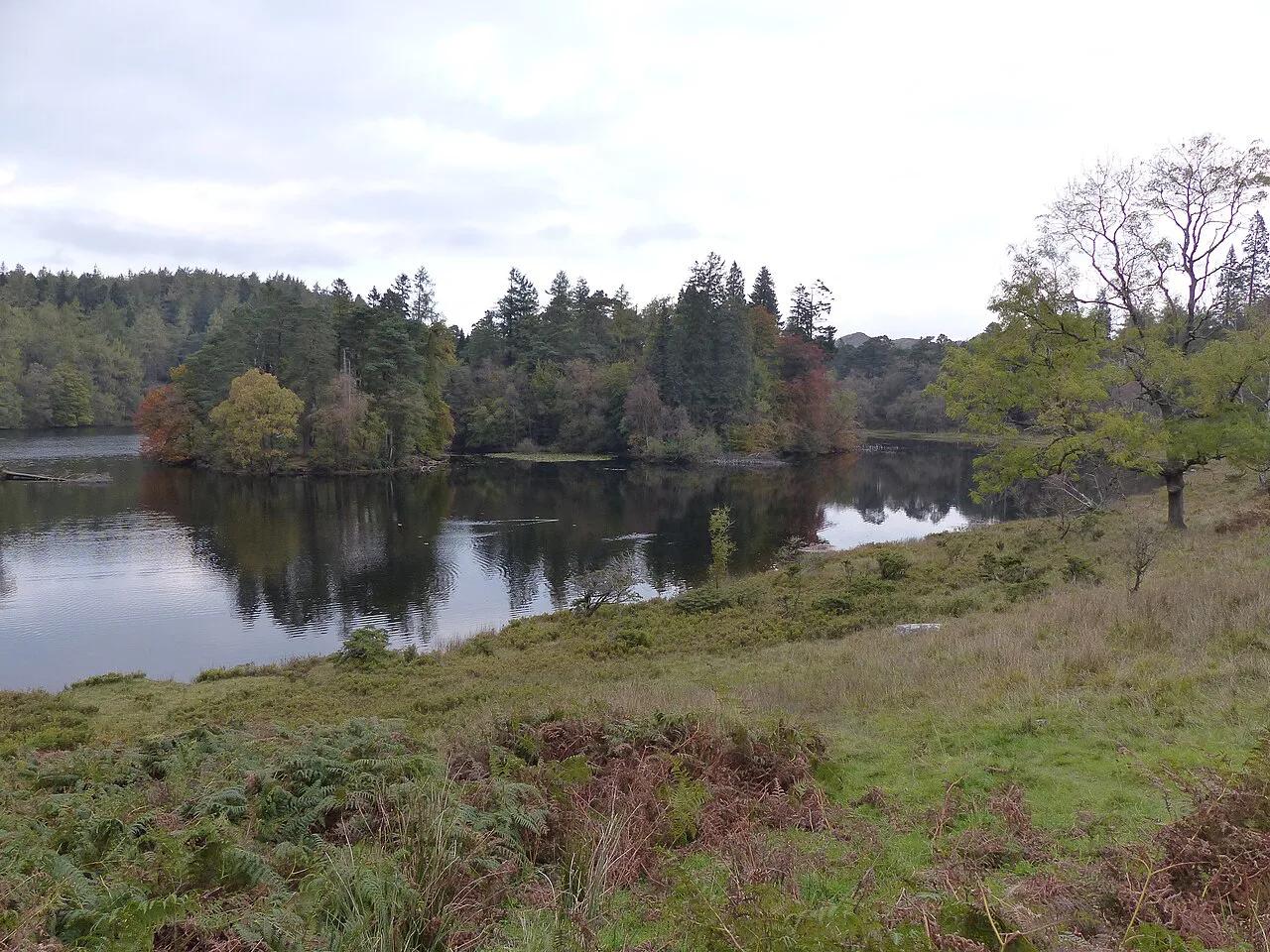
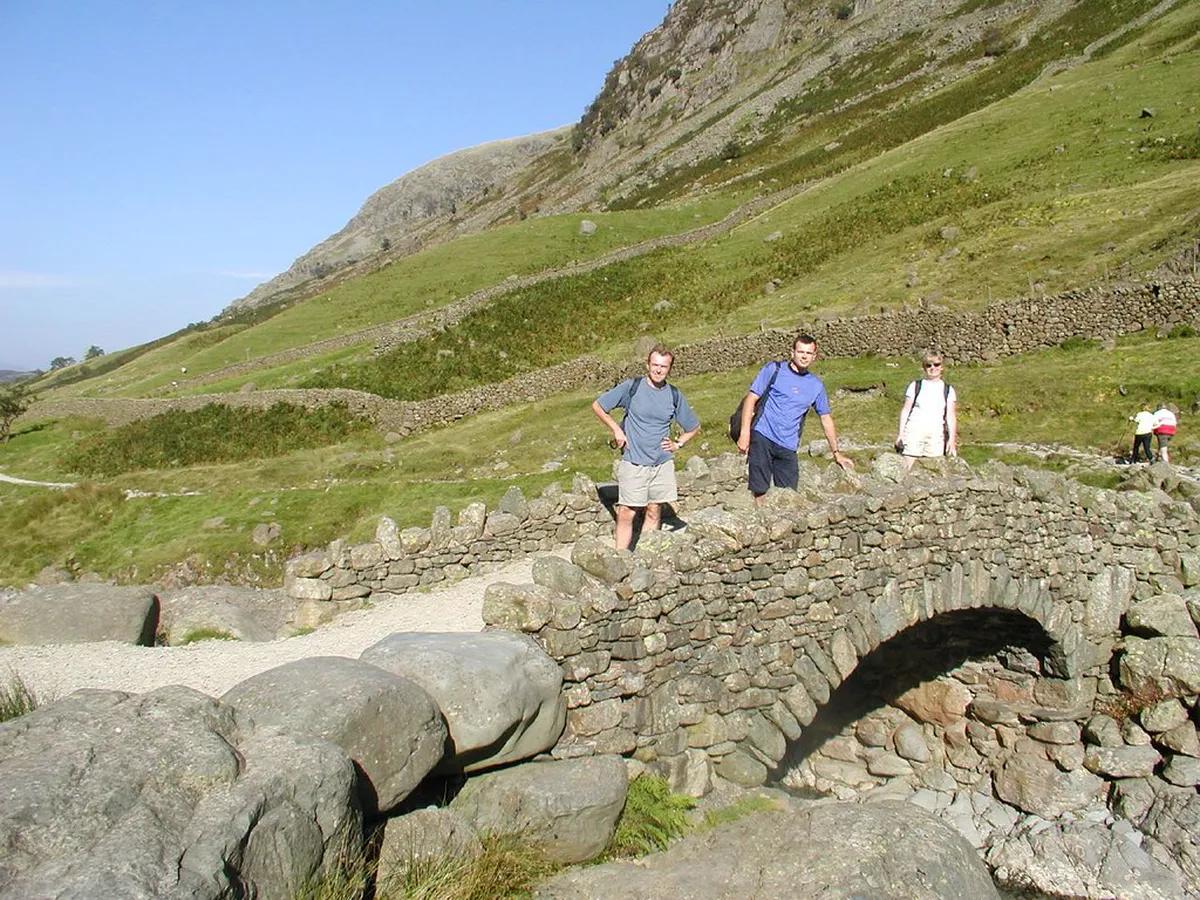
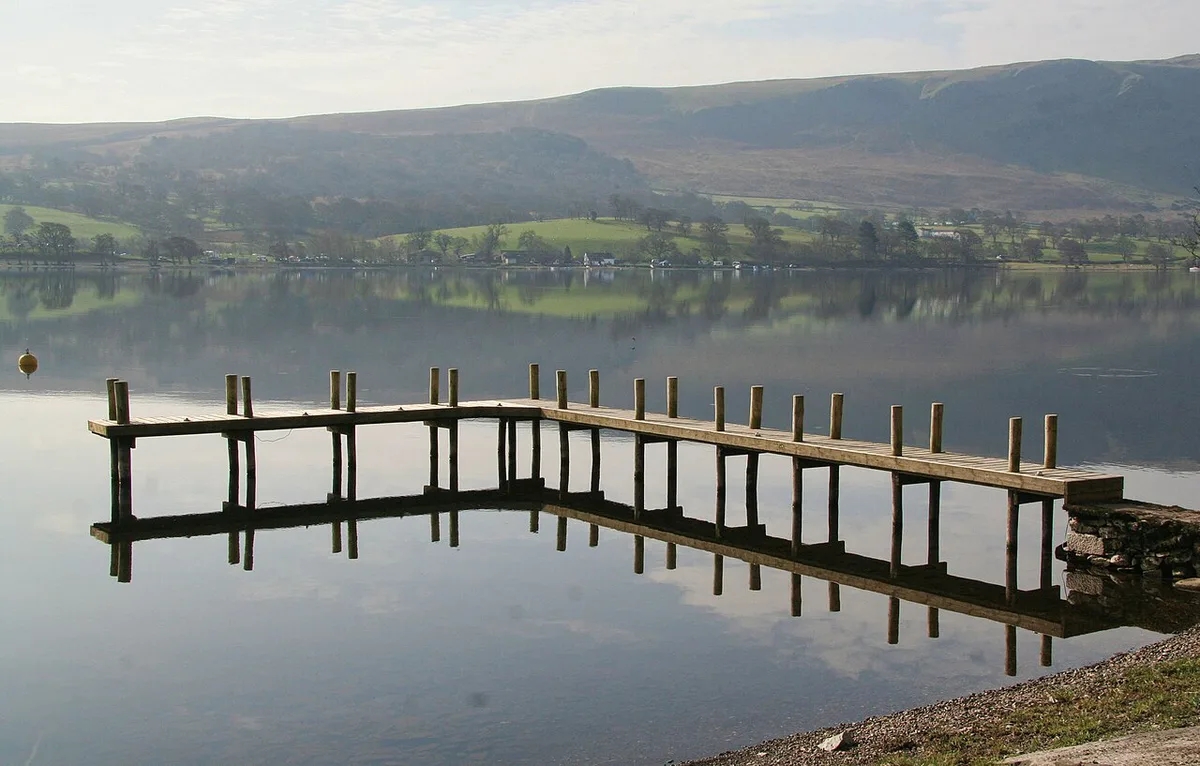
Featured image: Habitual2000, CC BY-SA 4.0, via Wikimedia Commons.
Wild Swimming Lake District: How to Choose a Swim
Choose by answering three separate questions. May you reach the water? Is swimming allowed there? Are conditions suitable for your group today? A yes to one doesn't answer the others. A public path to a shore, for example, doesn't by itself establish permission to swim.
For each candidate, look for rules from the landowner, water manager or local authority, plus current National Park guidance. Some waters have operational hazards or local restrictions, so read on-site signs too. When you can't establish an answer, treat it as unknown and pick somewhere with clearer information.
- Access: who manages the shore and water, and which restrictions apply.
- Approach: start point, distance, climb, terrain and walking time.
- Water edge: a manageable way in and out, depth changes and footing.
- Exposure: wind, shelter, boats and other water users.
- Water quality: current information, its date and the area it covers.
- Practicalities: parking, public transport, toilets and changing space.
- Suitability: the experience needed and your main reason to go elsewhere.
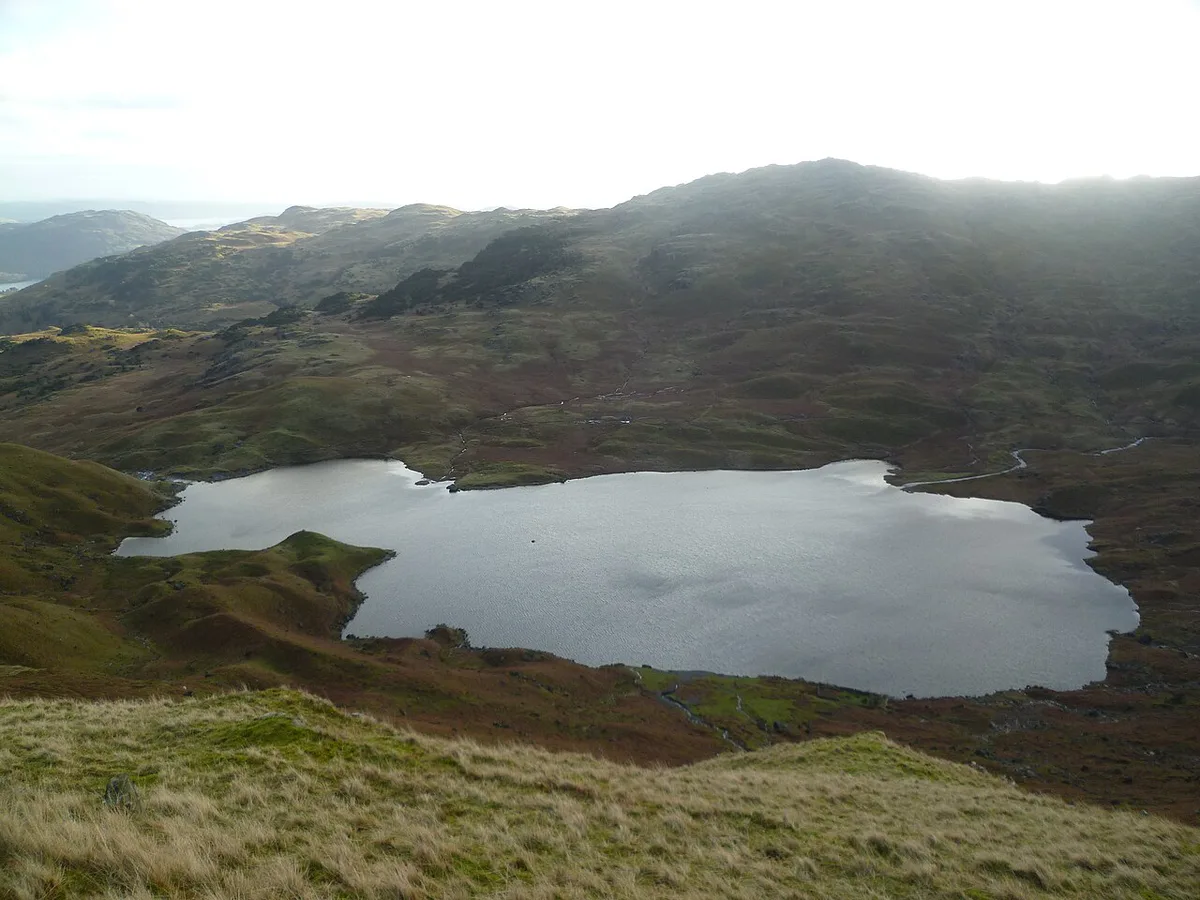
Match the Outing to Your Experience
Pool fitness alone doesn't show that you're ready for open water. Cold, waves, poor visibility and a distant bank change what a familiar stroke feels like. New swimmers should look for qualified supervision. Experienced swimmers still need to assess an unfamiliar entry. Hill walkers have another test: enough energy and daylight to get down after cooling.
| Type of outing | Who it may suit | Main limitation |
|---|---|---|
| Supervised session | People new to open water | Fixed arrangements; conditions can still cancel or change plans |
| Independent short-approach swim | Experienced open-water swimmers | Access, parking, crowds or other water users may rule it out |
| Walk-in tarn swim | Experienced swimmers who are also capable hill walkers | Exposure, carrying kit and harder access to help |
Weigh Up a Tarn Walk-In
A tarn can make a swim part of a hill day, but the effort starts long before the water. Plan your route with detailed mapping and include time to assess the edge, change, warm up and return. Carrying warm layers adds weight, yet leaving them behind removes an important margin.
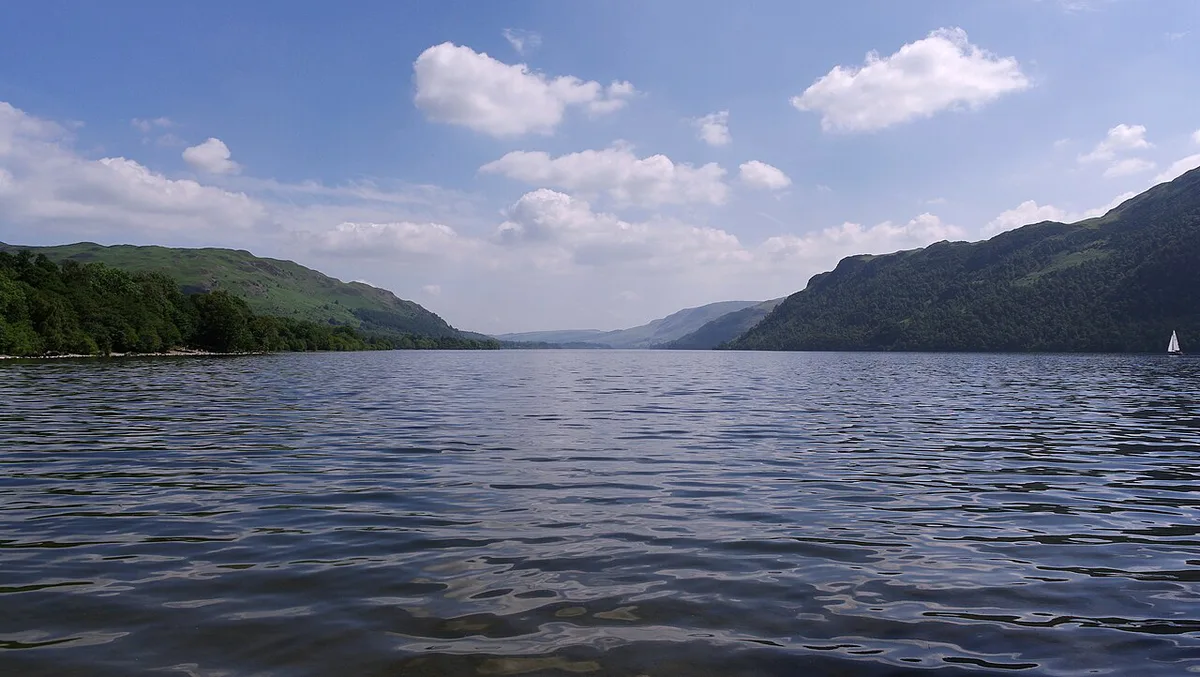
Phone signal can't be counted on during a tarn walk, so tell someone your route and return time before setting out. If you need help, call 999.
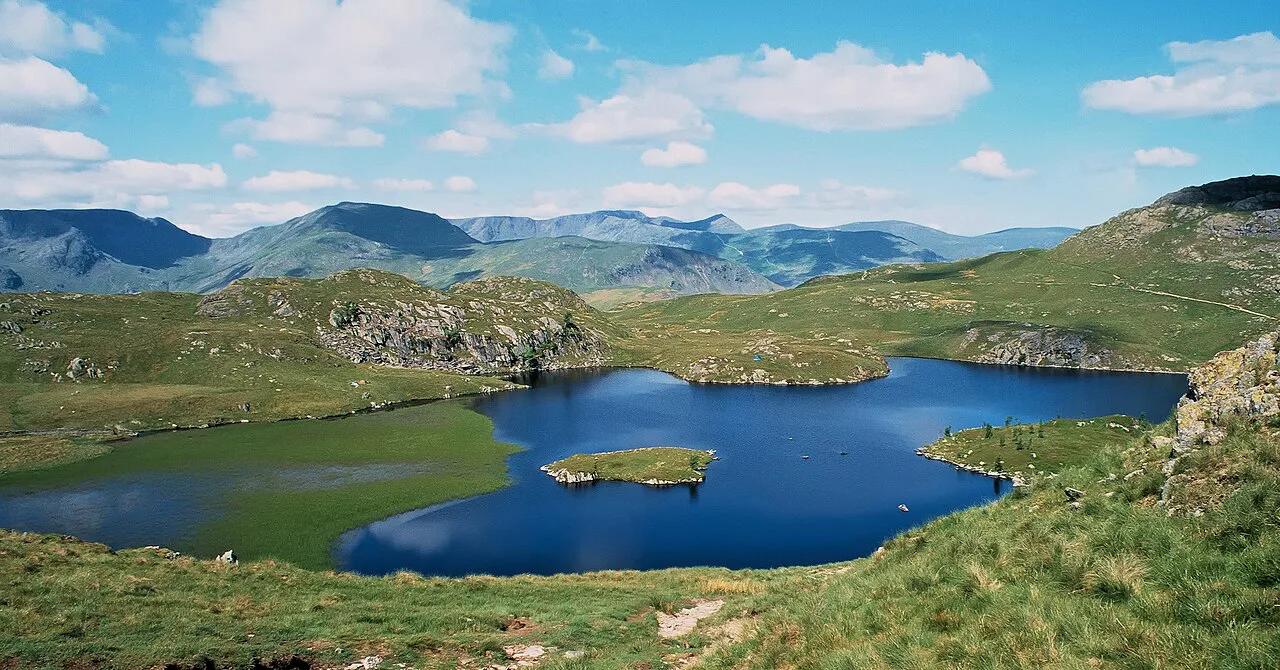
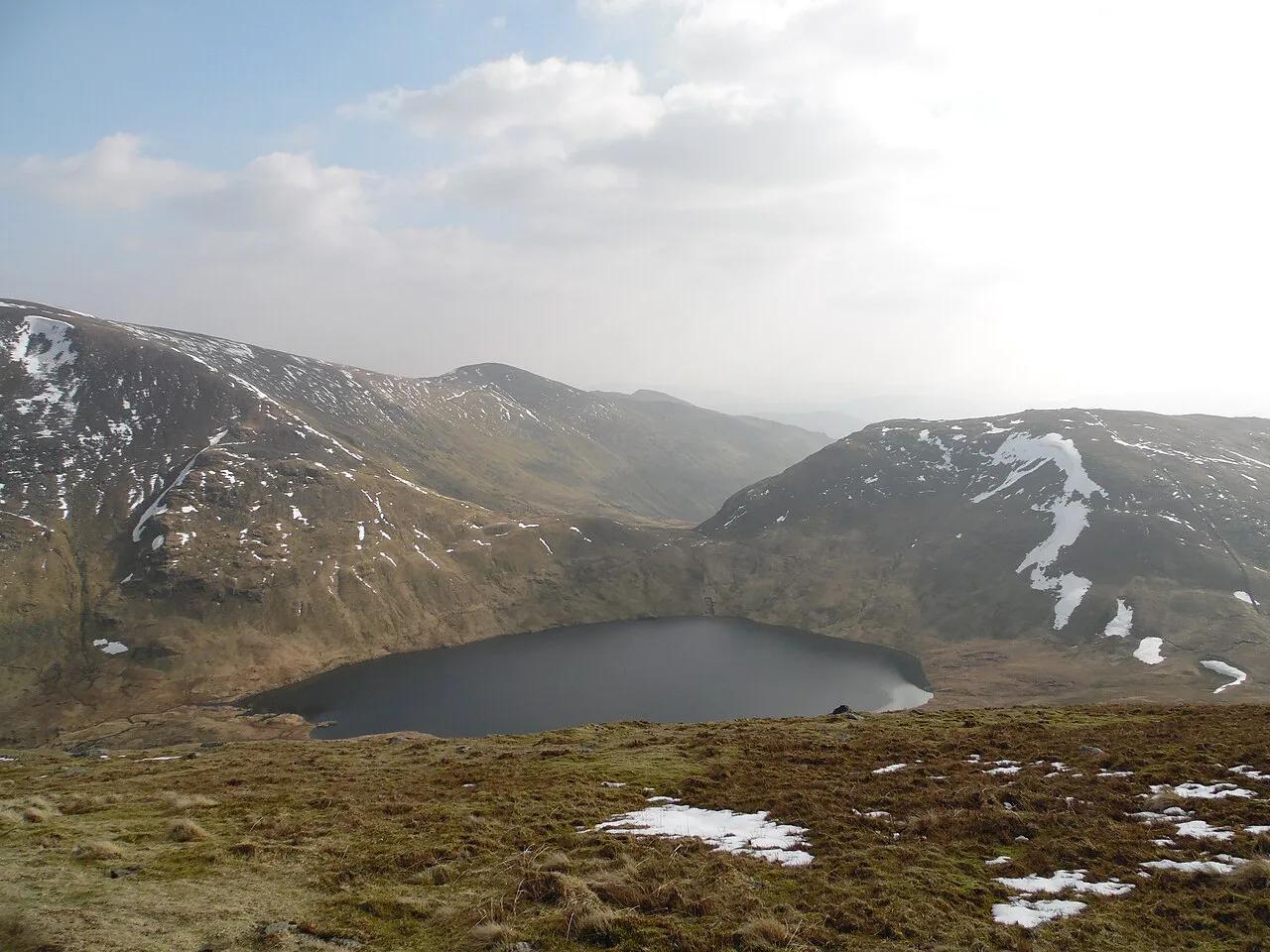
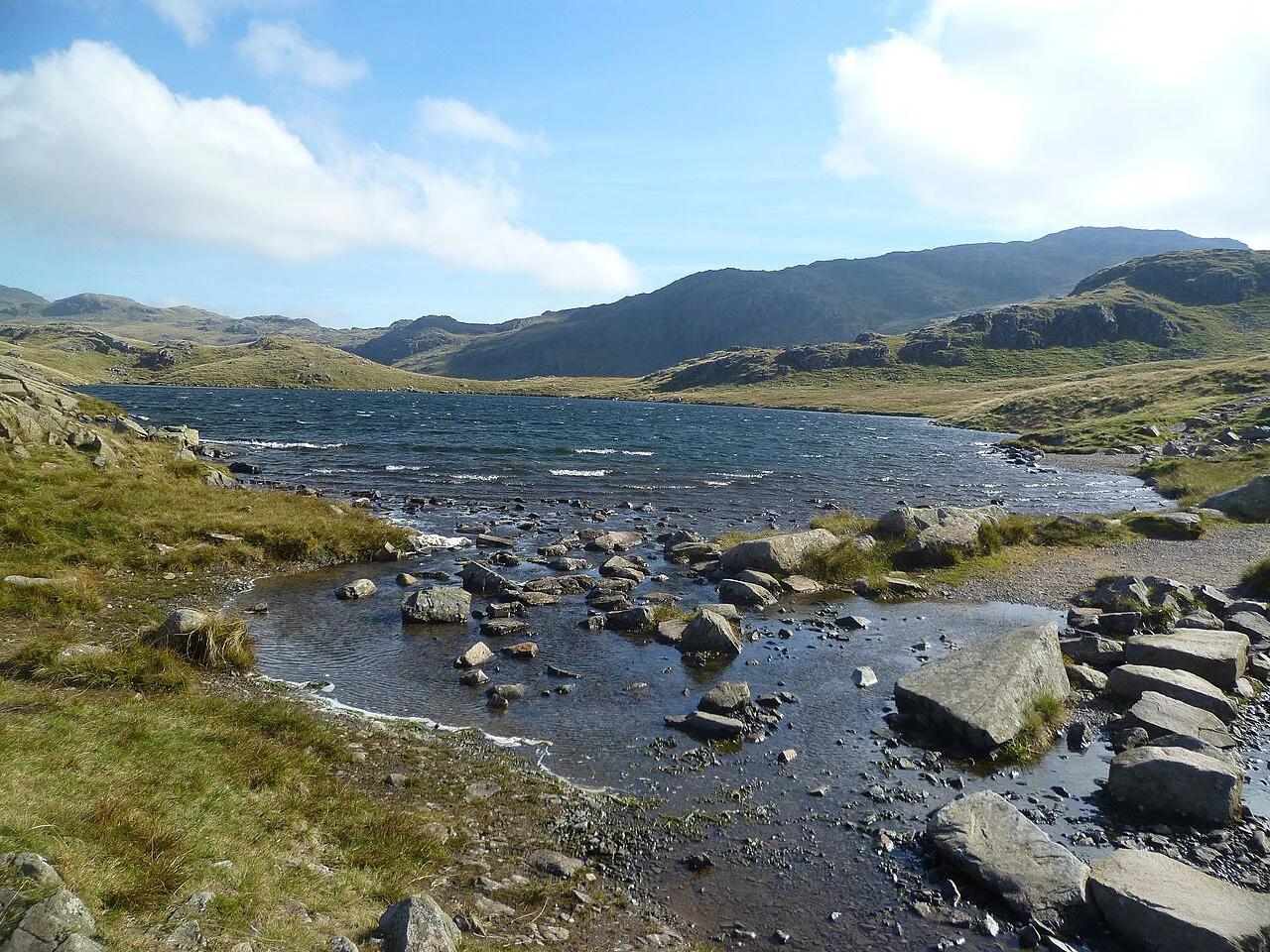
Route research might include Sprinkling Tarn: Walking Route from Seathwaite & Tips as a possible objective. More than one Lake District tarn is called Angle Tarn, so match the map location when reading about your intended Angle Tarn. You can also research the walk to Grisedale Tarn. None of these mentions is a swimming recommendation. Each water still needs its own access and suitability decision.
Set a turnaround time before leaving. If the walk takes longer than planned, drop the swim and protect your return. A closer, supervised option may work better when your group includes mixed abilities.
Check Conditions Before and at the Water
Before setting out, read the mountain weather forecast for an upland approach. Pair it with a local forecast for your starting area. Wind, rain, visibility and temperature affect both the walk and your recovery. A calm car park doesn't tell you how exposed a higher shore will feel.
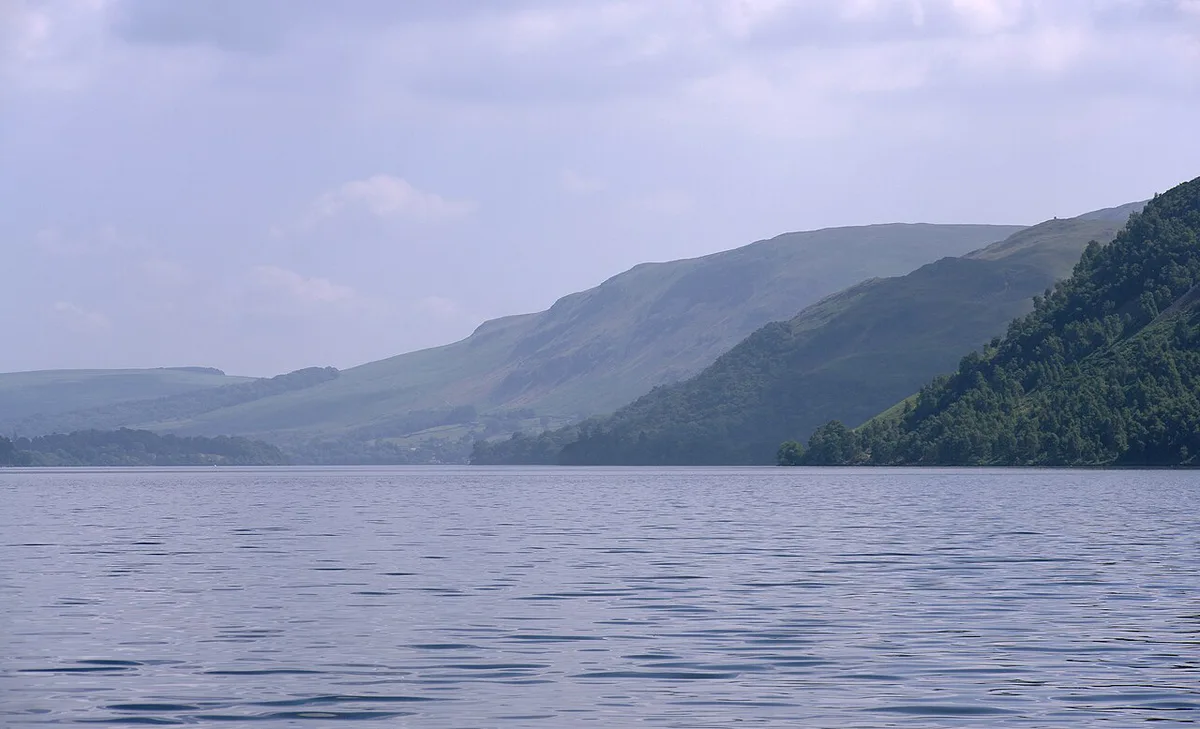
Look for current water-quality and pollution information from the responsible environmental or public health body. Some swim locations may have no regular monitoring. Clear-looking water isn't proof that it's clean, and an old result can't describe today's water. Stay out if you see suspected blue-green algae, such as scum or paint-like patches, and keep dogs away too.
At the shore, identify your exit before considering entry. Look for a backup landing place that remains reachable if wind pushes you sideways. Avoid jumping or diving into water with uncertain depth or hidden objects.
- Turn back if access is prohibited or a local warning rules out swimming.
- Stay dry if you can't identify a reliable exit.
- Cancel for suspected pollution or algae, poor visibility or threatening weather.
- Skip it if anyone feels unwell, chilled, exhausted or pressured to join in.
- Leave the water alone after drinking alcohol.
Plan for Cold Water, Rescue and Warming Up
November planning needs particular caution because cold exposure can quickly limit what you can do. Cold water shock can cause gasping, rapid breathing and panic on entry. Swimming ability doesn't switch off that response. Never jump in to get it over with. Cooling can also reduce strength and coordination during a swim.
Getting out isn't the end of the risk, since your body can continue cooling afterward. No swim duration is safe for everyone. Previous swims don't guarantee how you'll cope today. Build experience gradually with qualified advice, and decide to finish while you still have capacity to dress and walk.
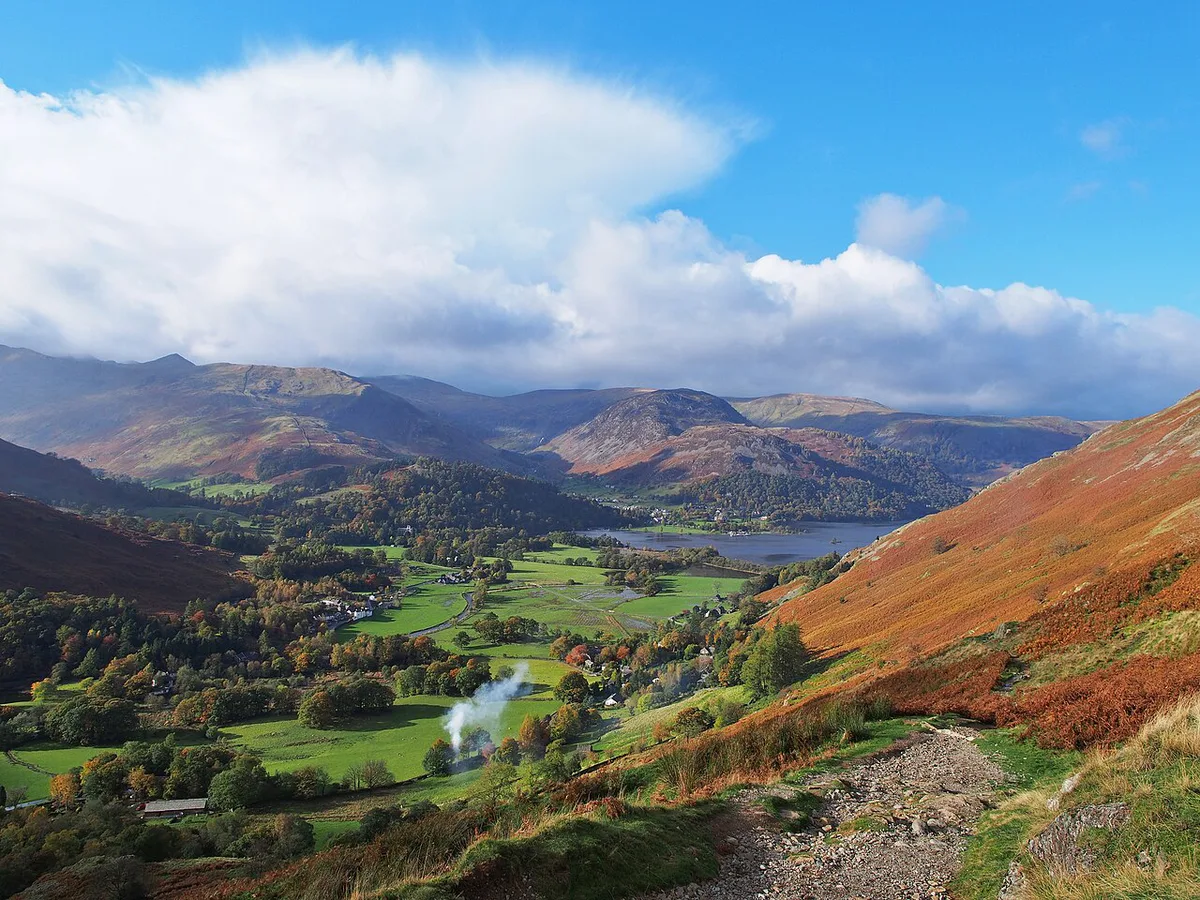
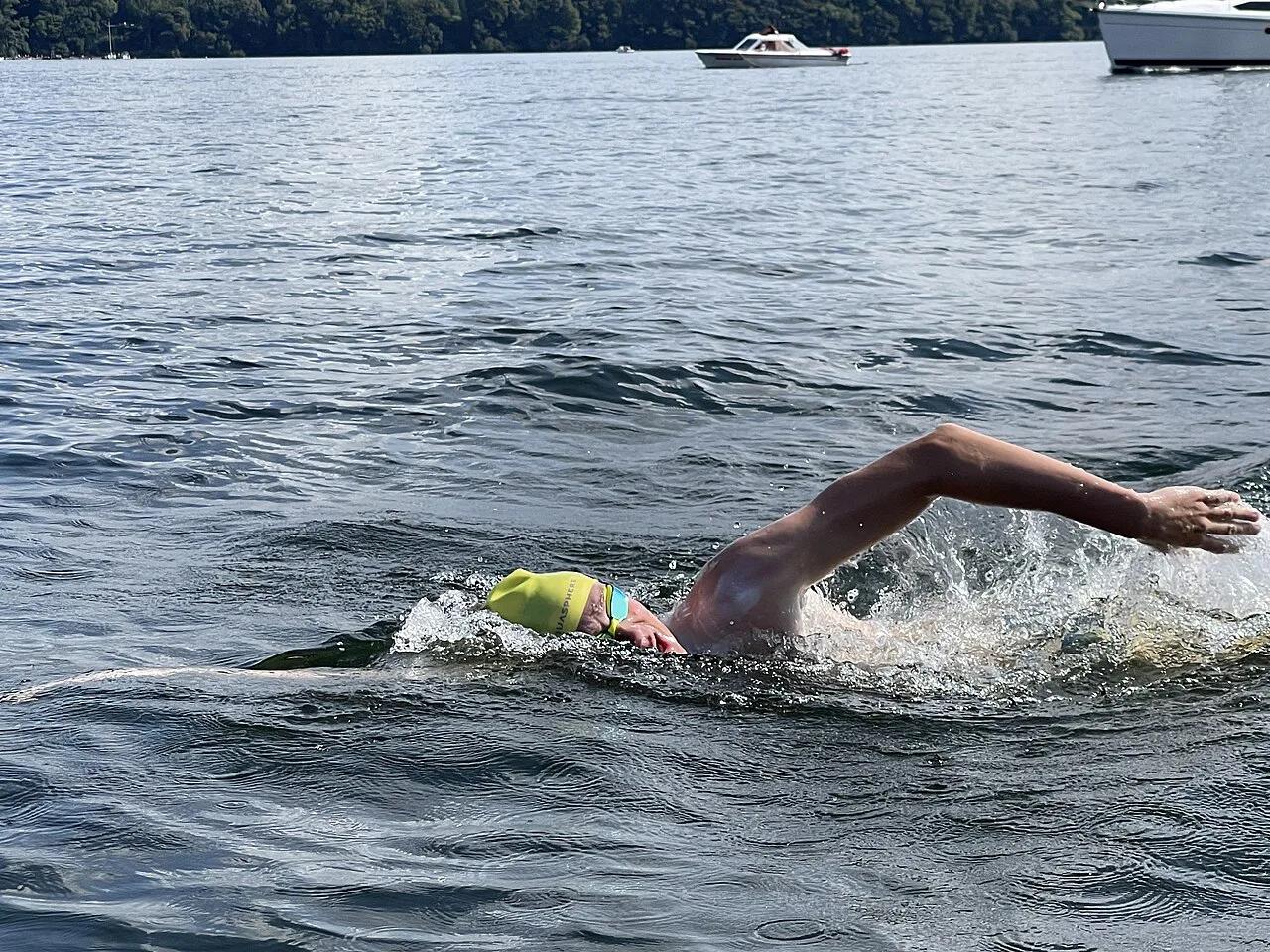
Go with capable company and agree who stays watchful from shore. Wear a bright hat and consider a bright tow float for visibility. A float isn't a lifejacket. Tell someone off-site your route, expected return and what to do if you're overdue. Don't rely on having a phone signal.
In an emergency, call 999. For a hill rescue, ask for police and then mountain rescue; for someone in difficulty in inland water, request the fire and rescue service and explain your exact location. Volunteer teams are represented by the Lake District mountain rescue association. Never assume help can reach you quickly, and don't enter the water for an unplanned rescue that could create another casualty.
- Before entry: lay out dry layers, a warm hat and gloves where you can reach them.
- After exit: get out of wet kit, dry off and layer up promptly.
- For recovery: bring an insulating mat, warm drink and spare food.
- For the return: keep waterproofs, navigation tools and suitable footwear ready; add a light.
- If someone becomes confused, unusually sleepy or very unwell: seek emergency help.
Compare Transport, Time and Costs
For current costs, use the parking operator, transport company or swim provider's own price page. Going independently avoids a guide fee, but travel and kit may still cost money, and supervision can't remove all risk.
- Car: flexible timing, subject to legal parking and available spaces. Never block gates or emergency access.
- Bus or train: no parking search, but your route must work with the final return service and walking connection.
- Guided session: ask about qualifications, supervision, equipment, cancellation terms and what the fee covers.
- Total time: include travel, the approach, assessment, changing, swimming, warming up and the return. Allow for delays.
Visit Responsibly and Treat Camping Separately
Leave room on paths and shorelines for other people. Change considerately, avoid disturbing wildlife and take every bit of litter home. Keep soap and shampoo out of natural water. Use established access points where permitted instead of damaging banks or vegetation.
Between waters, follow Check, Clean, Dry: inspect your kit for mud, plants and animals, clean it, then dry it thoroughly. This helps limit the spread of invasive species. Follow any stricter local biosecurity instructions.
An overnight plan creates a separate permission question. Read about wild camping in the Lake District, then establish the rules for your intended site. Permission to swim wouldn't give you permission to camp, and a camping arrangement wouldn't approve swimming.
Keep a No-Swim Backup
Make skipping the swim a successful option before anyone gets attached to it. Pack for a dry shoreline break or choose a walk that suits the forecast and your group. If mountain conditions are unsuitable, stay off the upland route altogether.
Changing to another water isn't a shortcut around uncertainty. Your replacement needs the same access, water-quality, entry, exit and weather assessment. Where those answers are missing, keep your kit dry and arrange a supervised session for another day. Agree on this fallback before leaving, so nobody has to argue for caution at the water's edge.
Frequently Asked Questions
What are the best swimming places in the Lake District?
No single spot is right for every swimmer or every day. Your strongest choice has established swimming access, a reliable exit, useful current water information and conditions that match your experience. Newcomers should favor a suitably supervised session over choosing a spot from photographs.
Is wild swimming good for you, NHS?
Don't treat possible wellbeing benefits as proof that cold-water swimming is safe for you. Get medical advice first if you're pregnant, have a heart, blood pressure, breathing or other health condition, or take medication that could affect your response. For official NHS health information, use the NHS's own current pages.
Notes for your next walk
Optional updates to our Lake District walking guides.