Wild Camping in the Lake District: Rules and Planning
Last updated November 2026: for wild camping Lake District plans, get the landowner's permission before you pitch, and don't treat any site as permitted without it. Lake District wild camping is sometimes described as tolerated, but such descriptions give no legal permission for wild camping in the Lake District. Without a yes for your exact site and dates, book a campsite or an indoor bed.
Featured image: Michael Graham, CC BY-SA 2.0, via Wikimedia Commons.
Can You Wild Camp in the Lake District?
You should plan to camp wild only where you have prior permission from whoever is entitled to give it. National Park status, a footpath or an old fire ring doesn't give you that consent. Leaving no trace is good practice, but it can't replace permission. Don't assume Lake District National Park Authority land is available either. Scottish access rules shouldn't guide a trip in this English national park.
Can you be fined for wild camping? Don't rely on a blanket answer, whether it promises a fine or rules one out. Consequences can depend on the land and any rules covering it. Before travelling, check current legislation, applicable byelaws and Lake District National Park Authority guidance. If someone with authority over the land asks you not to camp, don't pitch. Should that happen after dark, explain your situation and agree a safe way to leave.
How do you get permission to wild camp? Start early, because you can't count on a quick reply. HM Land Registry searches can help trace registered owners, while local enquiries may identify a tenant or land manager. An ownership record alone is not an invitation to camp.
- Identify: find the owner or manager of the exact piece of ground.
- Ask: give your dates, group size, tent numbers and intended spot.
- Clarify: ask about conditions, charges, parking, stoves, toileting, dogs and arrival times.
- Record: keep the written reply and take it with you.
- Decide: permission confirmed means you can move on to safety checks.
- Stop: an unknown owner, silence or refusal means choosing another verified option.
How to Choose a Wild Camping Spot
Permission comes first; an attractive view comes later. Next, study a detailed map and ask what the permitted ground is like. Look for a flat, well-drained pitch that suits your shelter, away from boggy patches and the water's edge. Keep clear of footpaths, gates and working areas. Consider wind exposure and likely walkers, and don't expect solitude. Small groups need less space, but your permission should still cover every person and tent.
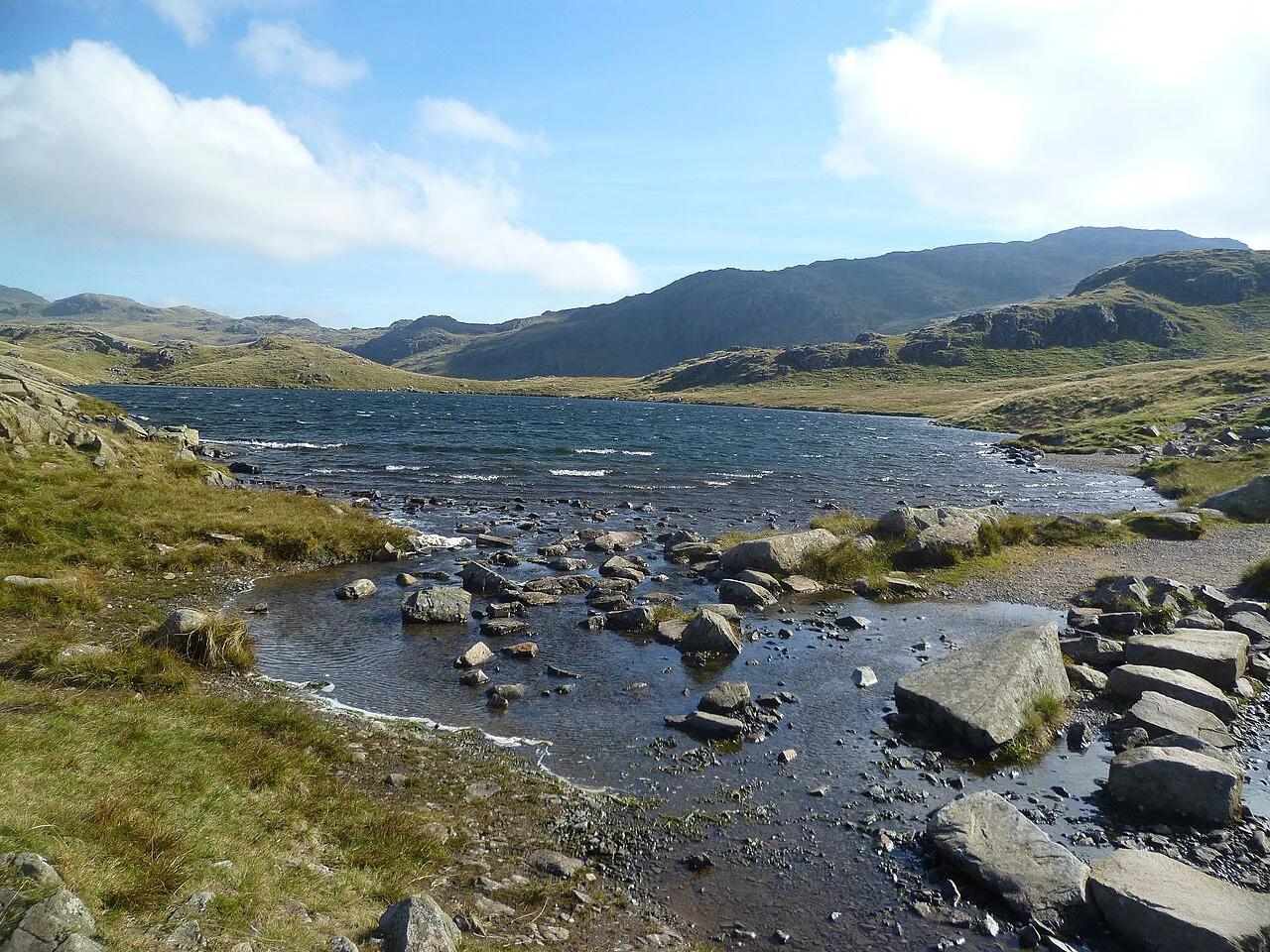
Weigh remoteness against how easily you could leave or get help. Tarnside scenery may come with wet ground, passing walkers and extra care around water. Before departure, run this go/no-go check. Any unresolved item means using your fallback.
- Permission: it covers your site, dates and group.
- Forecast: the mountain weather forecast suits your route, shelter and experience, including the walk out.
- Daylight: you have time to arrive and pitch before dark.
- Navigation: everyone's plan works without relying only on a phone signal.
- Equipment: your shelter and layers suit the expected conditions.
- Exit: you know how to retreat, including from a different point in your walk.
- Fallback: you have somewhere legitimate to sleep and a way to get there.
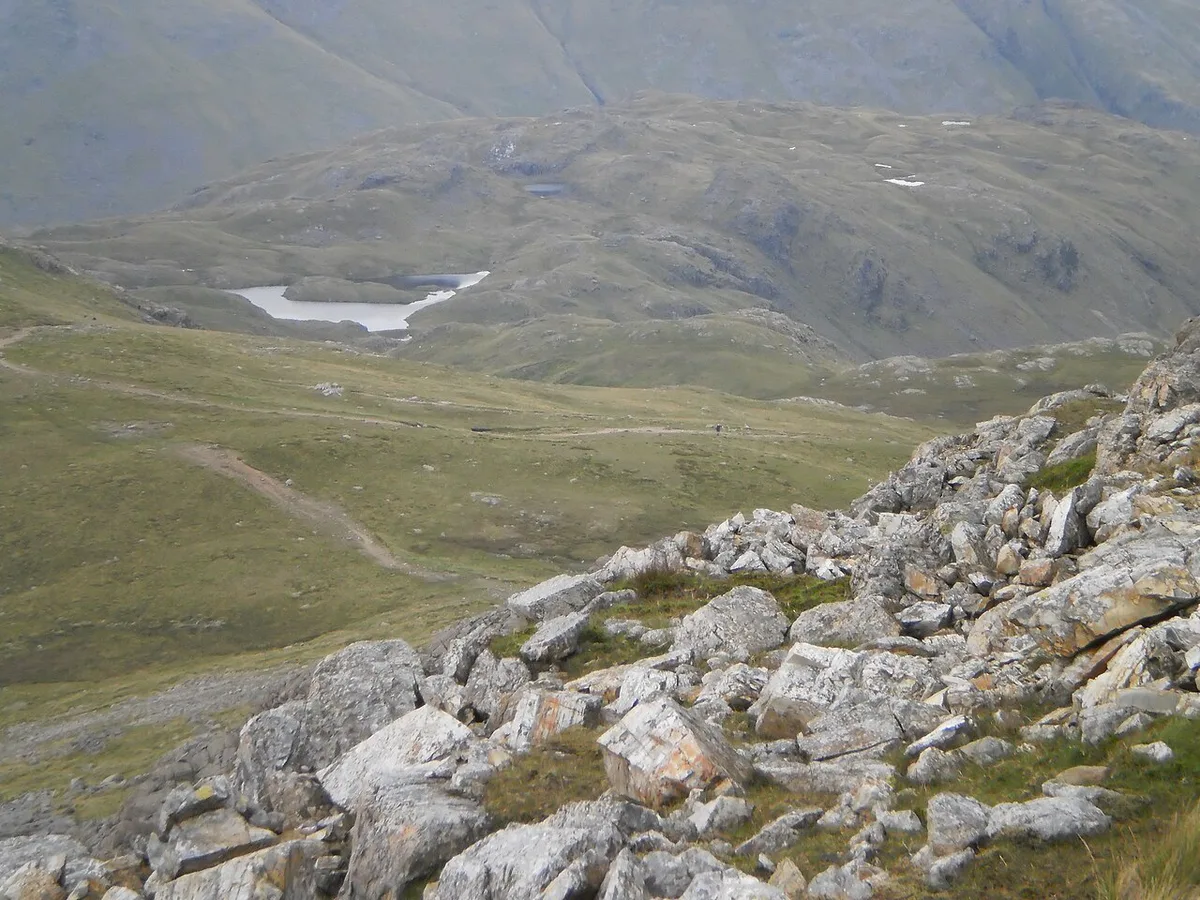
Lake District Wild Camping Areas to Research
None of these names is an approved campsite, and inclusion here doesn't mean you may camp there. Use them only as starting points for permission and route research. They aren't ranked or labelled beginner-friendly. For wider map context, browse this guide to the area's tarns.
| Area | Permission | Access and final walk | Terrain and ground | Exposure | Likely footfall | Navigation and experience | Exit options |
|---|---|---|---|---|---|---|---|
| Holme Fell, near Coniston | Not verified | Not verified | Not verified | Not verified | Popular with walkers; overnight-trip crowding not verified | Not verified | Not verified |
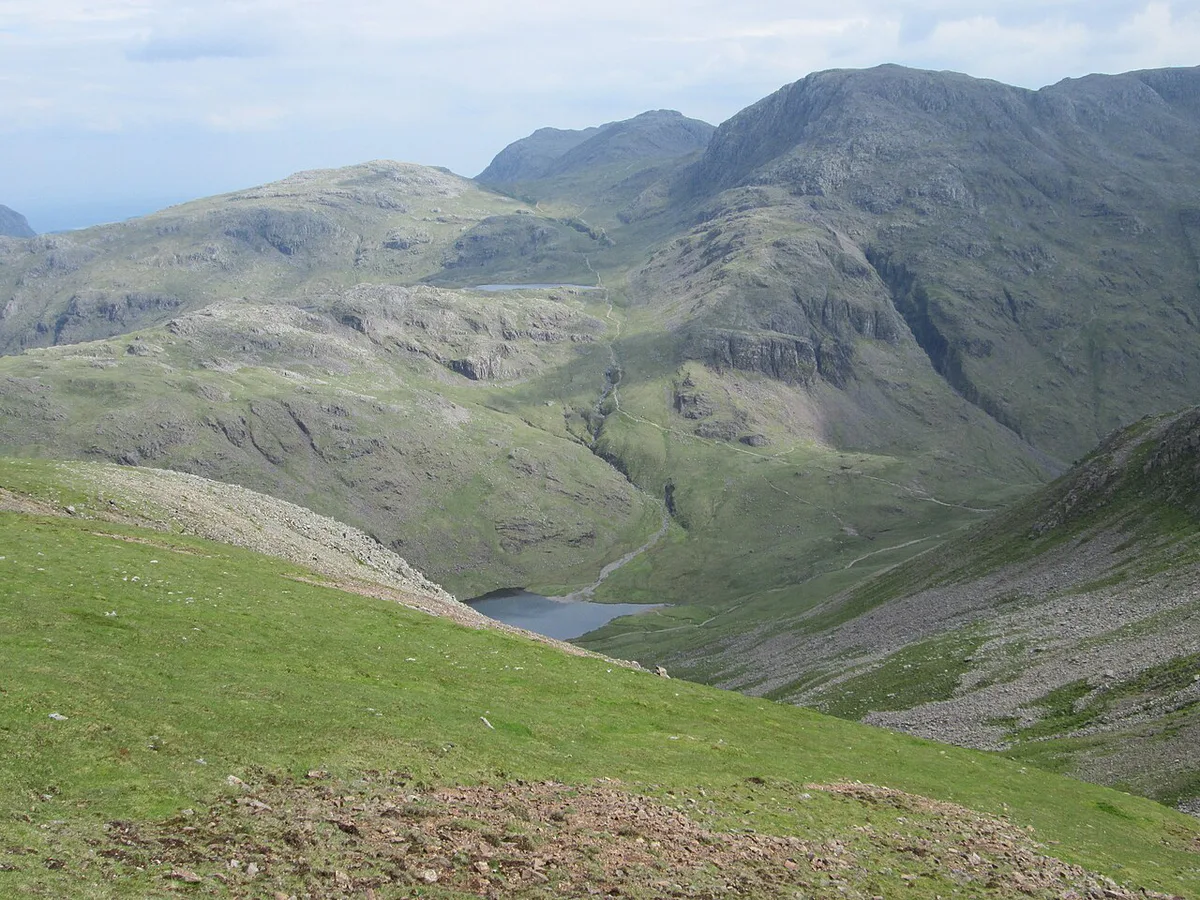
| Sprinkling Tarn | Not verified | Not verified | Pitch suitability not verified | Not verified | May be busy in summer | Not verified | Not verified |
| Codale Tarn, near Grasmere | Not verified | Uphill approach; route not verified | Pitch suitability not verified | Not verified | Not verified | Not verified | Not verified |
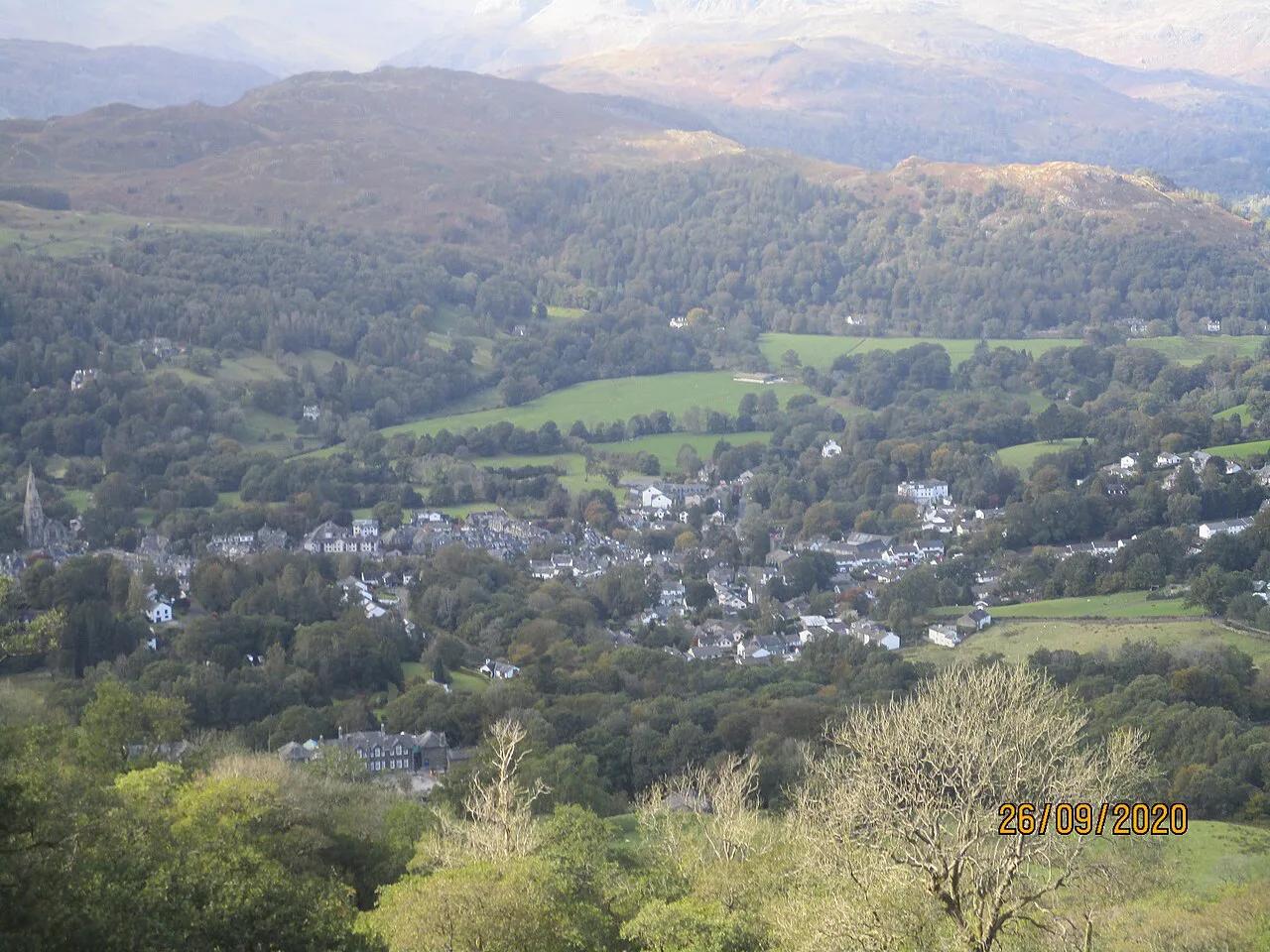
| Lingmoor Fell, near Ambleside | Not verified | Not verified | Reported rocky and boggy; steeper higher up | Not verified | Not verified | Not verified | Not verified |
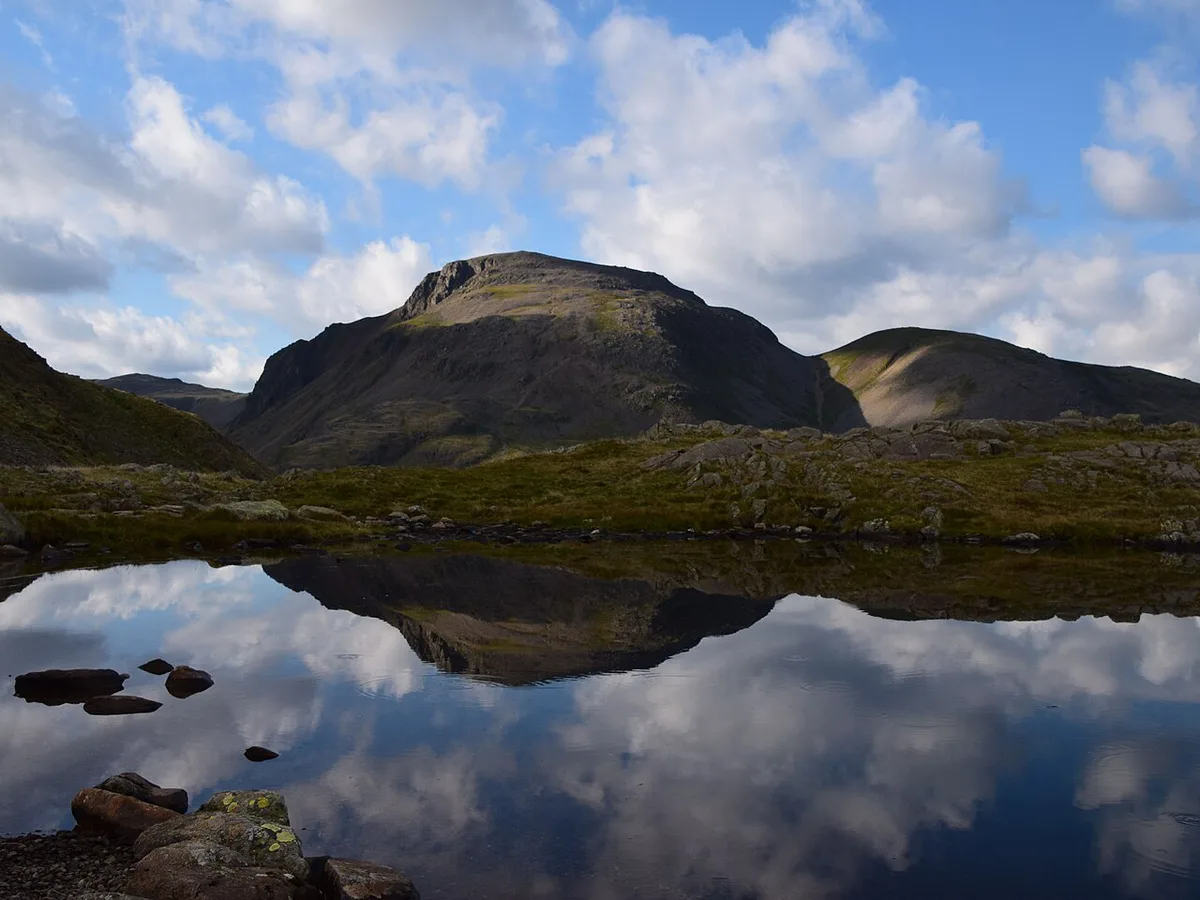
| Haystacks, including Innominate Tarn | Not verified | Not verified | Pitch suitability not verified | Not verified | Popular with walkers | Not verified | Not verified |
| Ennerdale | Not verified | Final walk depends on your site; not verified | Includes woodland; pitch suitability not verified | Not verified | Not verified | Not verified | Not verified |
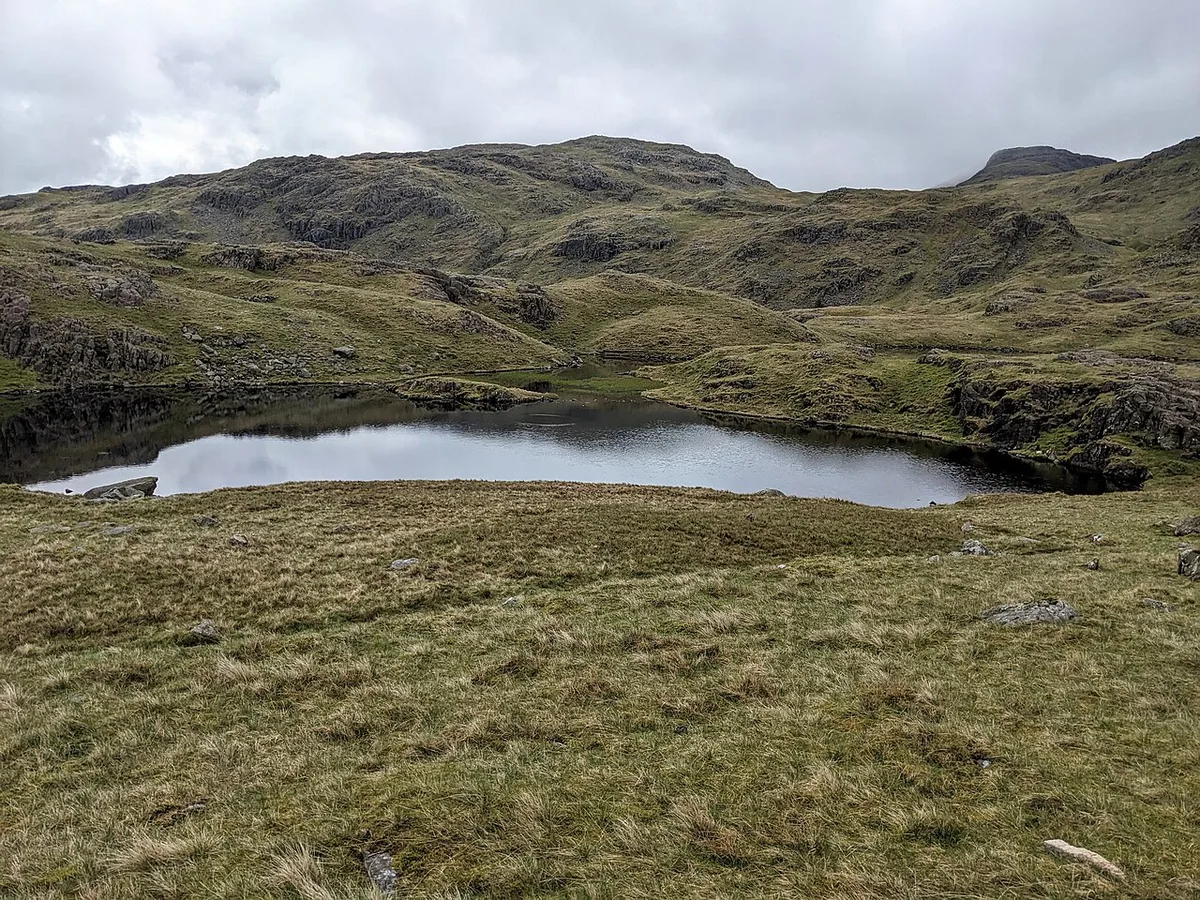
- Lingmoor Fell: its Ambleside association says nothing about an easy approach. Skip it if you can't establish suitable, permitted ground.
- Sprinkling Tarn: use this background on Sprinkling for location context, not as campsite approval.
- Busy places: skip Holme Fell or Haystacks if seclusion is essential to your plan.
- Ennerdale: woodland cover doesn't show who owns a clearing or whether camping is allowed there.
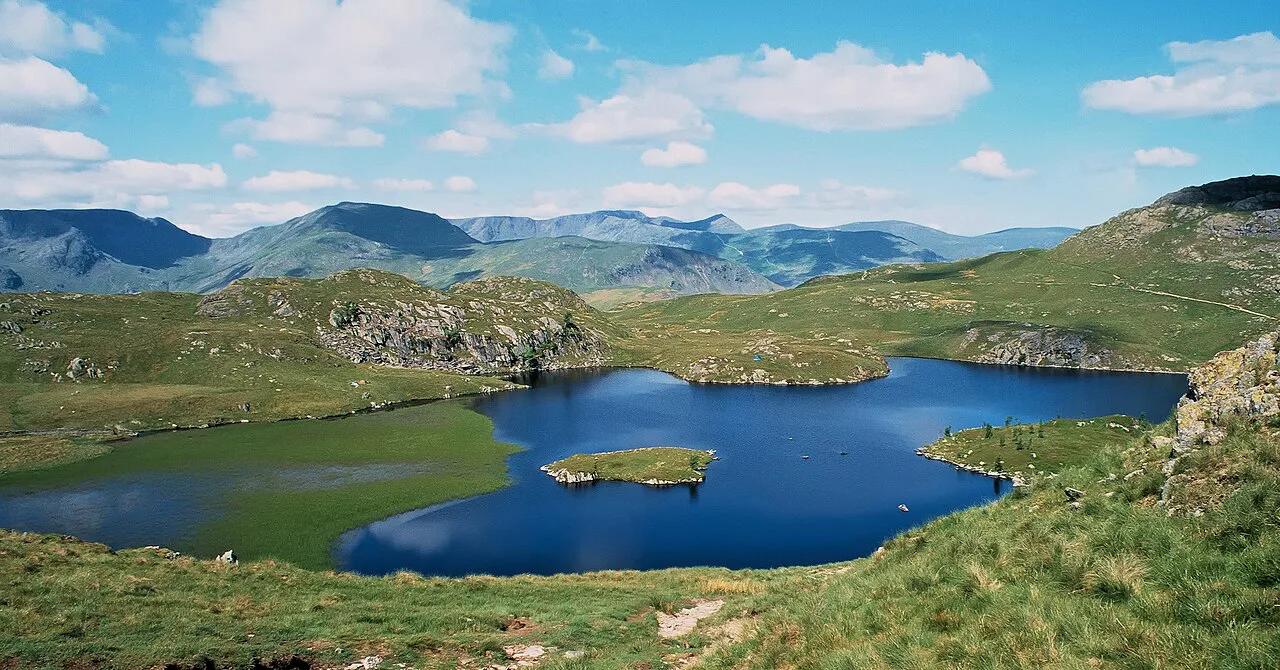
- Other tarn reading: our notes on Angle Tarn can help your map research. Match its location carefully.
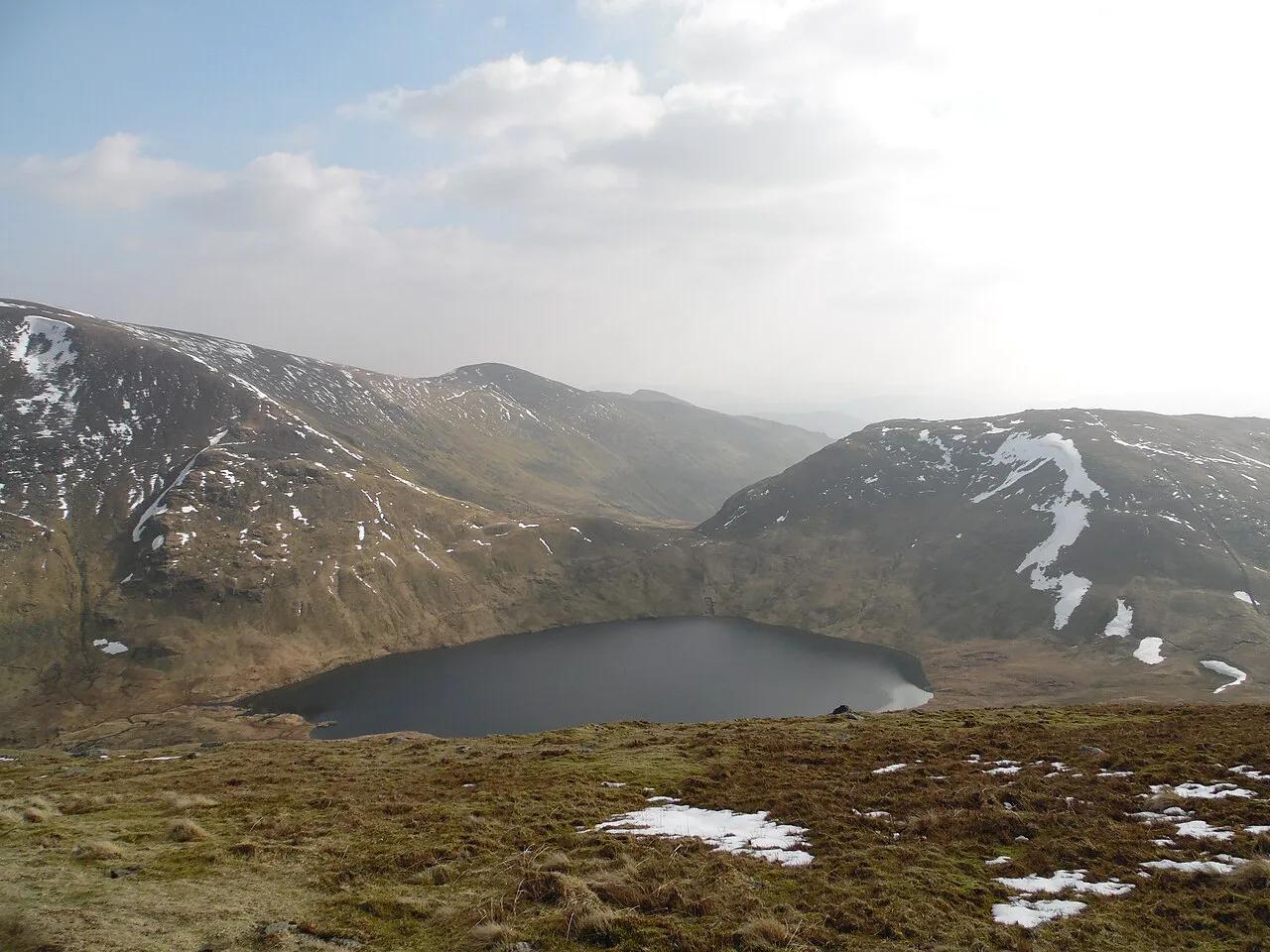
- Walking context: see our Grisedale Tarn page separately from these camping research names.
How to Plan Access, Time and Costs
Plan backwards from a daylight arrival. Allow time to seek permission, travel, walk in with an overnight pack and get home. Oxenholme, Windermere and Kendal have railway stations, but don't assume your chosen ground is a practical walk from them. Check official rail and bus timetables for both days, then map the final leg. Public transport can remove parking worries, while driving may offer more flexibility. For a car, check the operator's overnight rules; a parking space gives no right to camp.
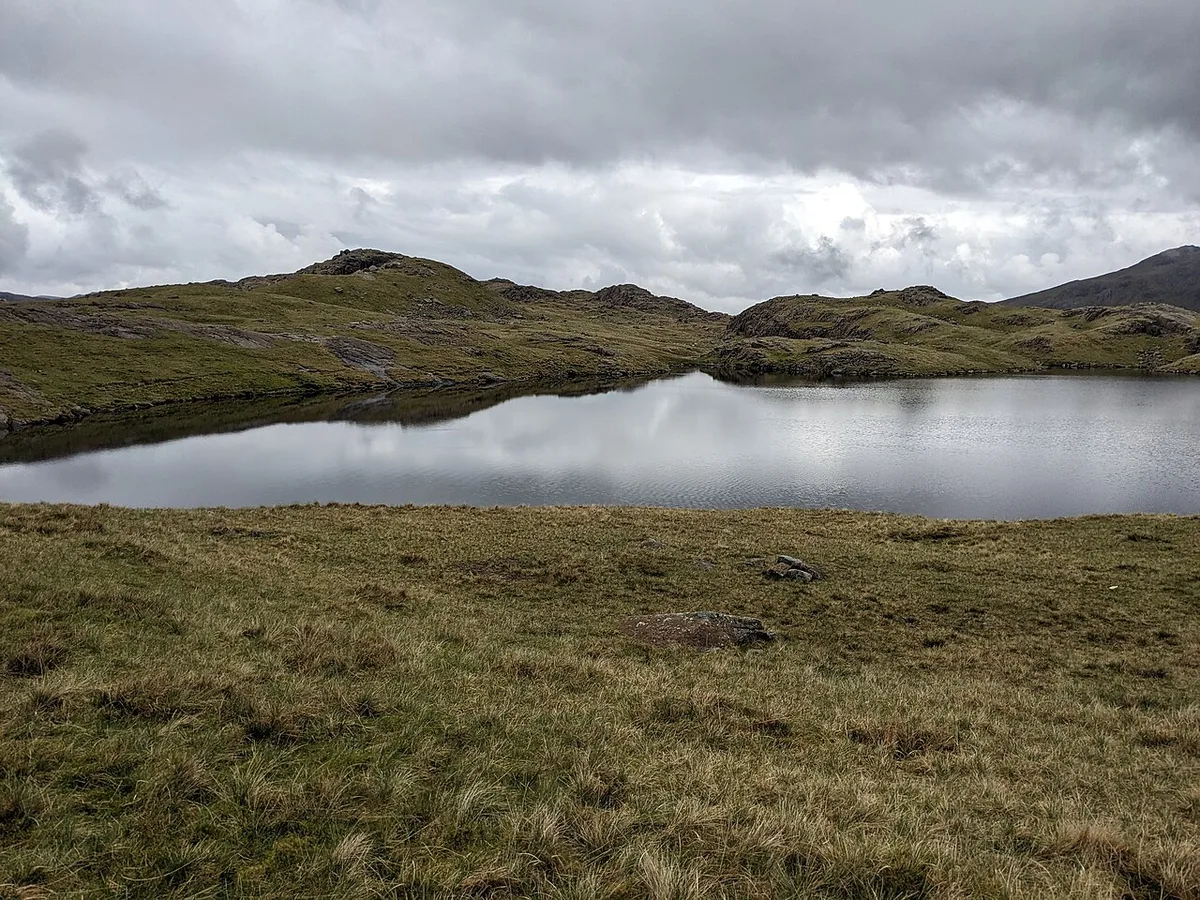
Wild camping isn't necessarily free. Budget for any landowner charge, travel, overnight parking and your fallback bed. Add equipment you need to buy or hire, even if you can borrow some items. Ask campsites about current opening dates, arrival times, prices and cancellation terms. Permission from a landowner is not the same as a park-wide ticket, so don't treat another booking or receipt as consent.
- Public transport: check the return service and how you would reach it after an early exit.
- Driving: choose legitimate overnight parking before setting out.
- Timing: set a latest turnaround time that still lets you reach your fallback.
What Equipment Do I Need for Wild Camping?
Pack for the whole walk and an unplanned change of route. What tent is best for wild camping? No single model suits every person, forecast and pitch. Compare packed weight, capacity, usable space, pitching method, weather suitability, ground compatibility and budget. Lower weight can mean less room, different weather resilience or a higher cost. Practise pitching before your trip and check that nothing is missing. Borrowing or hiring can help you test your setup before buying.
- Shelter and sleep: tent, sleeping bag and camping mattress suited to expected conditions.
- Carrying: a comfortable rucksack with weather protection for dry layers.
- Navigation: map, compass and the skill to use both; keep phone power in reserve.
- Clothing: waterproofs, warm spare layers and suitable walking footwear.
- Light: torch or headtorch with spare power.
- Food and water: enough supplies plus a planned water source and treatment method where needed.
- Cooking: stove, fuel, pan and utensils only where your permission allows their use.
- Emergencies: first-aid supplies, emergency shelter and any personal medication.
- Waste: sealable bags for rubbish and toilet waste.
Low-Impact Camping and Safety
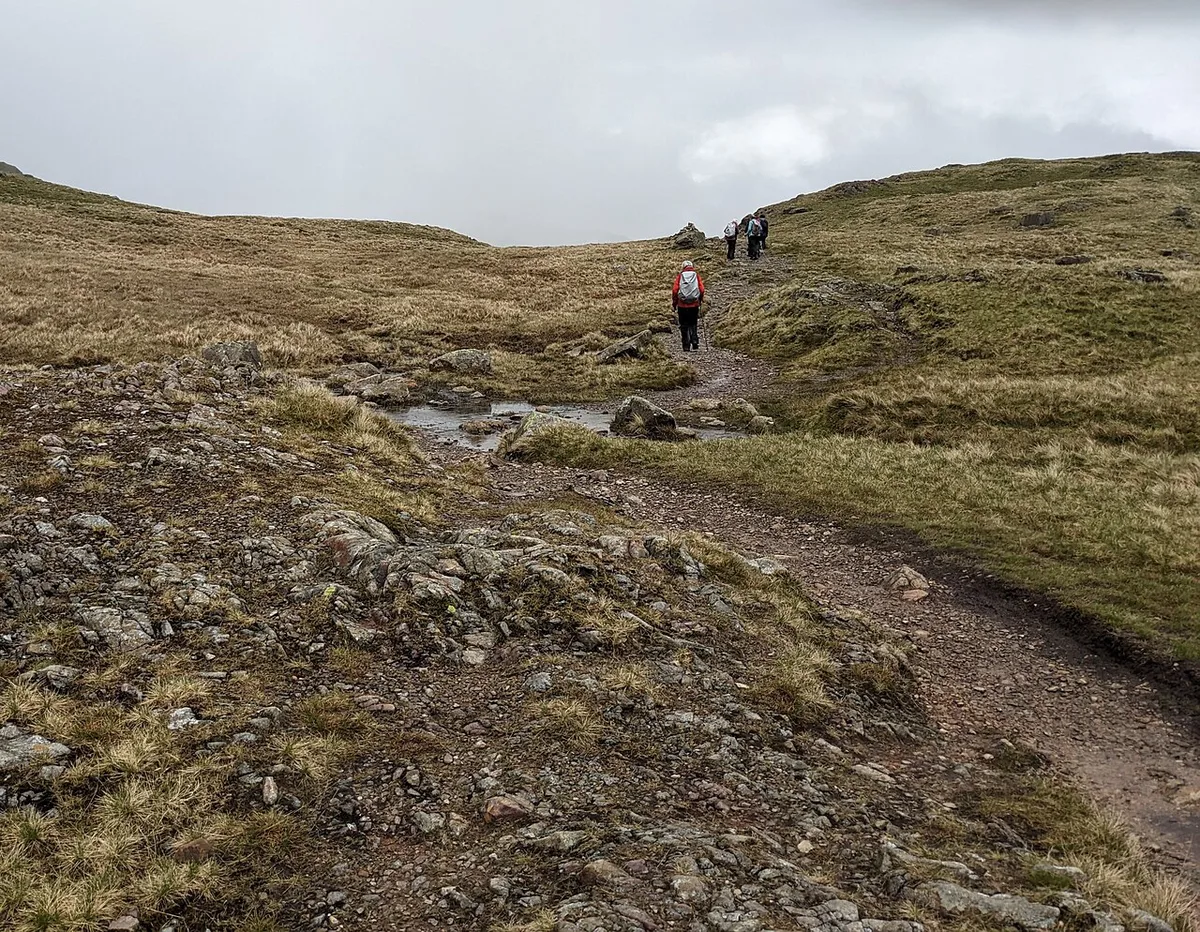
Arrive quietly with enough daylight to inspect your agreed spot, then leave at the time arranged. Take out all litter, including food scraps. Don't light a campfire, even beside an old burn mark. Use a stove only if conditions and permission allow it, on a stable surface away from dry vegetation. Keep noise low, give wildlife and livestock space, and keep dogs under control. Wash well away from tarns and streams, and don't put soap or food waste into them.
Your go/no-go check already needs navigation that works without a phone signal. In an emergency, call 999 and ask for the police.
Share your route, intended pitch, return time and fallback with someone at home. Turn back early if visibility, weather or fatigue undermines your plan. Avoid depending on moving camp at night; navigation and footing become harder. In an emergency, call 999, ask for the police, then request mountain rescue. You can also read safety information from the Lake District mountain rescue association. Swimming needs a separate decision about access and risk, so our Lake District swimming guide shouldn't be read as permission to camp. Never treat a tarn or quarry as safe for jumping, and don't enter quarry caves as a camping side trip.
When to Choose a Campsite or Indoor Stay
Choose another stay when permission is missing, conditions exceed your experience or your exit plan fails. First-time campers may prefer a staffed or serviced option while practising with their kit. Compare booking certainty, facilities, effort and total cost with your permitted wild pitch. A campsite still exposes you to weather, whereas an indoor room avoids a night under canvas. Check availability before leaving and make sure you can reach the property at your arrival time. Count any extra bus journey, taxi or parking charge too. Reserve a suitable fallback when its terms work for you, rather than searching for a bed after your plans have unravelled.
Frequently Asked Questions
Do national parks allow wild camping?
Don't assume a national park designation gives you permission to camp. Rules vary by place, so check the law and official guidance for that park and your exact site.
How to toilet when wild camping?
Use a public or campsite toilet before your walk where one is available, and agree toilet arrangements with the land manager. Carry sealable waste bags, and pack out used paper and hygiene products. Pack out solid waste too, using a suitable toilet-waste bag, and dispose of it as its instructions direct.
Notes for your next walk
Optional updates to our Lake District walking guides.